

The Ultimate Guide to China Travel for Indians
Planning a trip from India to China feels exciting — and a little overwhelming. Between figuring out the China visa for Indian passport holders, finding vegetarian food in China for Indians, and cracking the internet access puzzle, there's a lot to sort out before you even pack your bag.
This China travel guide for Indians is built for first-time and repeat travelers who want straight answers without digging through 10 different websites. No fluff, no guesswork.
Here's what you'll get from this guide:
-
Visa and entry — exactly what Indian passport holders need to enter China without last-minute surprises
-
Top places to visit in China — from the Great Wall to quieter spots most tourists skip
-
Food, money, and staying connected — how to eat well as a vegetarian, handle Chinese yuan as an Indian traveler, and stay online despite China's internet restrictions
By the end, you'll have a clear, practical plan to travel China confidently — on your terms.
Essential Visa and Entry Requirements for Indians Traveling to China
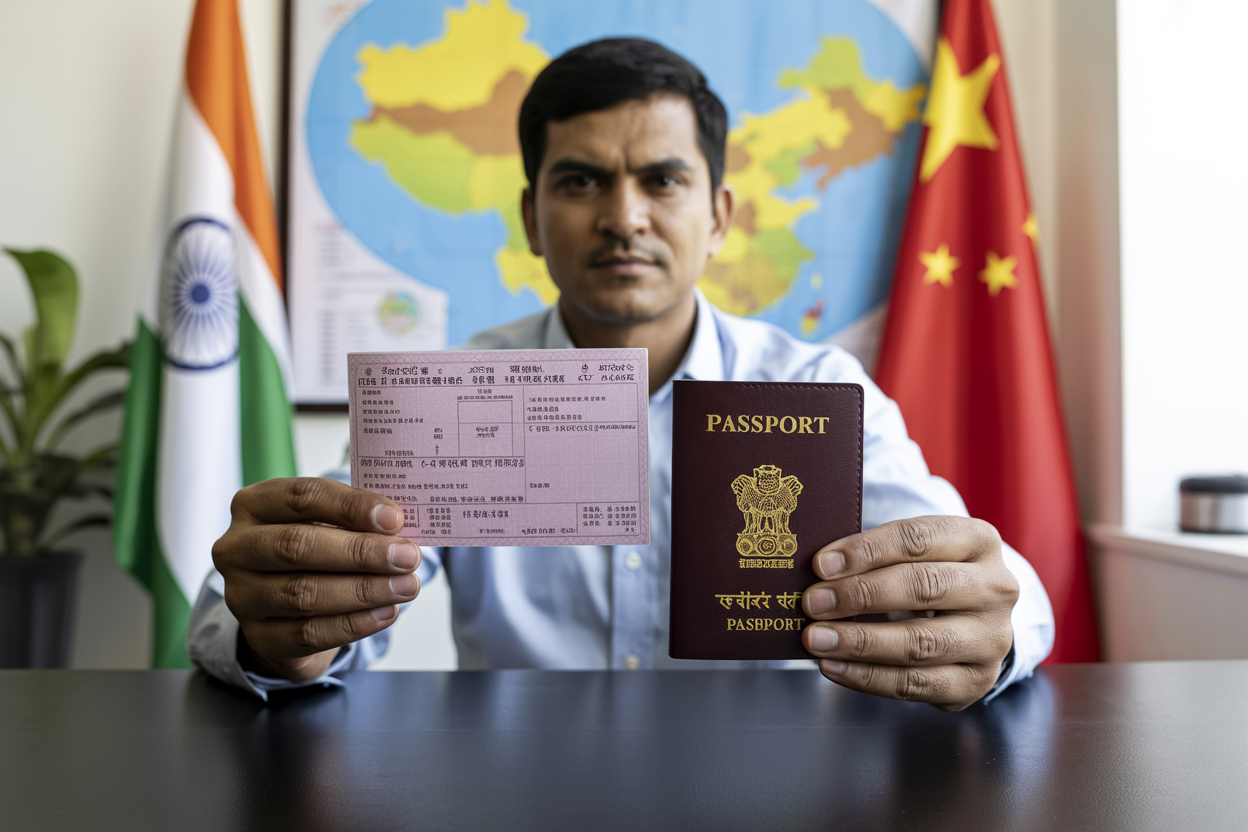
Step-by-Step Guide to Applying for a Chinese Tourist Visa
Getting a China visa for Indian passport holders (L-category tourist visa) is straightforward when you're prepared:
-
Fill out the online application at visaforchina.org
-
Book a slot at your nearest Chinese Visa Application Service Center (CVASC)
-
Submit documents, pay the fee (~₹3,000–₹4,000), and collect your passport within 4–7 working days
Required Documents and Application Tips to Avoid Rejection
-
Valid passport (6+ months validity, two blank pages)
-
Confirmed return flight tickets
-
Hotel bookings for all nights
-
Bank statements (last 3–6 months showing sufficient funds)
-
Recent passport-sized photographs meeting Chinese specifications
Avoid vague itineraries — officers prefer detailed day-by-day travel plans.
Understanding Visa-Free and Visa-on-Arrival Options for Indians
Currently, Indians don't qualify for China's general visa-free policy. However, China has recently expanded its unilateral visa-free list — always check the latest updates before planning your trip, as policies shift frequently.
How to Use the 144-Hour Transit Visa to Your Advantage
The 144-hour transit visa lets you explore designated Chinese cities without a full visa — completely free. Eligible cities include Shanghai, Beijing, Guangzhou, and Chengdu. You need a confirmed onward ticket to a third country to qualify. It's a smart hack for a short but memorable China experience.
Best Time to Visit China for an Unforgettable Trip

Season-by-Season Breakdown of Weather Across Major Destinations
| Season | Months | Best For | Watch Out For |
|---|---|---|---|
| Spring | Mar–May | Beijing, Shanghai | Occasional sandstorms in north |
| Summer | Jun–Aug | Yunnan, Tibet | Heavy rains, high humidity |
| Autumn | Sep–Nov | Everywhere | Peak tourist season |
| Winter | Dec–Feb | Budget travel, fewer crowds | Freezing temps in northern China |
Autumn is the sweet spot for most Indian travelers — pleasant temperatures, stunning foliage, and clear skies across Beijing, Xi'an, and Guilin.
Top Festivals and Cultural Events Indians Should Not Miss
-
Chinese New Year (Jan/Feb): Incredible lantern displays and dragon dances — but book everything months ahead
-
Mid-Autumn Festival (Sep/Oct): Mooncakes, family gatherings, and beautiful moonlit celebrations
-
Harbin Ice Festival (Jan): Jaw-dropping ice sculptures — a once-in-a-lifetime experience
How to Avoid Peak Tourist Crowds and Save Money
The best time to visit China for Indian travelers on a budget is November or March. You'll dodge the Golden Week rush (early October), when domestic tourism explodes and prices spike dramatically. Flights from India are significantly cheaper outside summer and Chinese New Year windows. Book accommodations at least 6–8 weeks early during festival seasons.
Top Destinations in China Every Indian Traveler Must Explore

A. Iconic Landmarks That Belong on Every Bucket List
No trip to China feels complete without walking the Great Wall near Beijing — go early morning to beat crowds. The Forbidden City nearby is massive and genuinely jaw-dropping. Shanghai's Bund waterfront offers that classic skyline shot, while Xi'an's Terracotta Army is unlike anything you'll see anywhere else on earth.
B. Hidden Gems and Off-the-Beaten-Path Experiences
Skip the tourist rush and head to Zhangjiajie — those floating sandstone pillars inspired Avatar and they're spectacular in person. Lijiang Old Town in Yunnan feels almost magical, and the rice terraces of Longji near Guilin are a photographer's dream. Yunnan is also a surprisingly vegetarian-friendly region, great for Indian travelers.
C. Best Cities for First-Time vs. Repeat Travelers
| Traveler Type | Best Cities |
|---|---|
| First-Timers | Beijing, Shanghai, Xi'an |
| Repeat Visitors | Chengdu, Guilin, Kunming, Hangzhou |
D. Family-Friendly Destinations for Indian Families
Chengdu is a family winner — giant pandas, easy pace, and great food. Guilin's Li River cruise keeps kids engaged without being overwhelming. Shanghai has Disney Resort and world-class museums, making it a comfortable, well-connected base for families visiting China from India.
Getting Around China Easily and Affordably

How to Master China's World-Class High-Speed Rail Network
China's bullet trains (高铁, gāotiě) are an absolute game-changer. Connecting major cities at speeds up to 350 km/h, they're often faster than flying once you factor in airport hassle. Book tickets via the Trip.com app (supports Indian cards) or 12306.cn. Carry your passport — it's your ticket ID.
| Route | Travel Time | Approx. Cost (CNY) |
|---|---|---|
| Beijing → Shanghai | ~4.5 hrs | ¥550–¥1,750 |
| Shanghai → Xi'an | ~6 hrs | ¥600–¥1,400 |
| Beijing → Xi'an | ~4.5 hrs | ¥515–¥1,280 |
Navigating Domestic Flights for Long-Distance Travel
For destinations like Chengdu to Lhasa or Kunming, flying makes sense. Trip.com and Ctrip offer competitive fares. Budget carriers like Air China and China Eastern frequently run deals. Always book baggage separately — it saves money.
Using Ride-Hailing Apps and Metro Systems in Major Cities
DiDi is China's Uber and works smoothly for getting around in cities. Download it before arrival and link an international card. Metro systems in Beijing, Shanghai, and Guangzhou are excellent — cheap, clean, and easy to navigate using Google Maps or Amap (高德地图) for real-time directions.
Solving the Internet and Communication Challenge in China

Top VPNs Indians Need to Access Google, WhatsApp, and Instagram
China blocks Google, WhatsApp, Instagram, and YouTube. A reliable VPN is non-negotiable for internet access in China for tourists. Download and pay for it before landing — you can't access VPN websites inside China.
| VPN | Speed | Reliability in China |
|---|---|---|
| ExpressVPN | Fast | Excellent |
| NordVPN | Good | Good |
| Astrill | Very Fast | Excellent |
Best Local SIM Card and Data Plans for Tourists
Pick up a China Unicom or China Mobile tourist SIM at major airports. These offer 4G data starting around ¥50–¥100 for 30 days. Hong Kong SIMs also work well and bypass most restrictions automatically.
Essential Translation Apps to Bridge the Language Gap
-
Google Translate (download offline Chinese pack before arriving)
-
Baidu Translate — works without a VPN, surprisingly accurate
-
Pleco — perfect for reading menus and signs
Offline Tools and Maps That Work Without Internet
Download Maps.me or HERE WeGo offline maps before your trip. Google Maps offline works partially, but Baidu Maps is far more accurate across China, even in smaller cities.
Managing Money and Payments Smartly in China

How to Set Up WeChat Pay or Alipay as a Foreign Visitor
Cash is becoming rare in China — almost everything runs on WeChat Pay or Alipay. The good news? Both apps now support foreign cards.
-
Download Alipay (easier for foreigners) before landing
-
Link your international Visa or Mastercard directly in the app
-
Set your region to "International" and verify with your passport
WeChat Pay works similarly but requires a Chinese contact to verify your account, making Alipay the smarter first choice for Indian travelers.
Where to Exchange Currency and Get the Best Rates
Chinese Yuan (CNY/RMB) is the only accepted currency across mainland China.
| Exchange Option | Rate Quality | Convenience |
|---|---|---|
| Bank of China ATMs | Best | High |
| Airport kiosks | Poor | Very High |
| Indian banks (pre-trip) | Moderate | High |
Carry some cash for smaller towns and markets where digital payments aren't always available.
Budgeting Tips to Make Your Trip Affordable
China is surprisingly budget-friendly when you know the tricks:
-
Street food meals: ₹80–150 per meal
-
High-speed trains: cheaper than flights, book on Trip.com
-
Free attractions: many parks and temples have no entry fee
-
Stay in hostels or budget hotels to stretch your Chinese yuan for Indian travelers further
Finding Indian-Friendly Food and Vegetarian Options in China
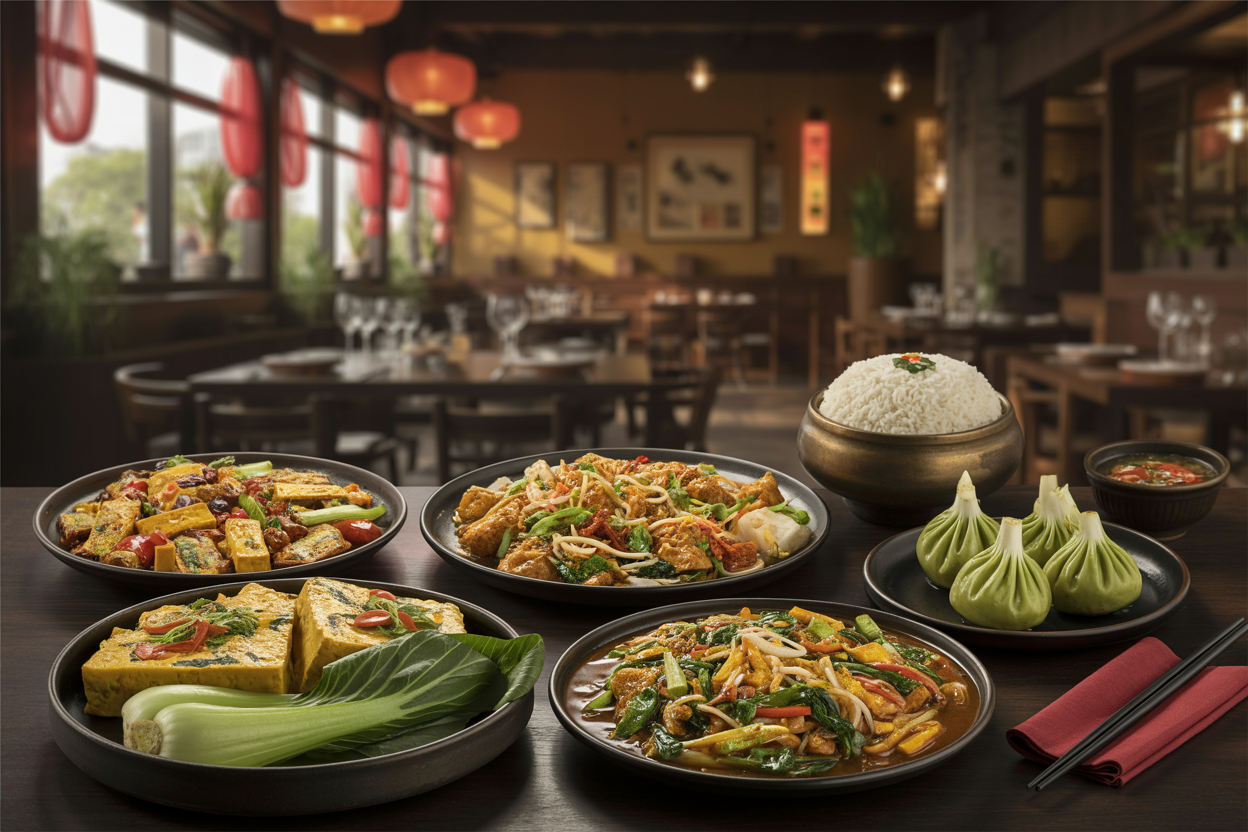
Cities With the Best Variety of Vegetarian and Halal Food
For vegetarian food in China for Indians, head to these cities:
| City | Why It Works for Indians |
|---|---|
| Chengdu | Buddhist vegetarian restaurants everywhere |
| Xi'an | Large Muslim quarter with halal street food |
| Shanghai | International restaurants, dedicated veg menus |
| Guangzhou | Cantonese dim sum with many veg options |
How to Identify and Order Vegetarian Dishes in Chinese Restaurants
Save this phrase on your phone: "我吃素 (Wǒ chī sù)" — "I am vegetarian." Show it to restaurant staff. Also note that "no meat" sometimes still includes seafood in China, so specify no fish, shrimp, or eggs if needed. Buddhist temple restaurants are your safest bet for fully plant-based meals.
Must-Try Chinese Dishes Indians Are Likely to Enjoy
-
Mapo Tofu (request no meat)
-
Steamed vegetable dumplings
-
Kung Pao vegetables
-
Fried rice with egg and veggies
-
Hot and sour soup
The bold, spicy flavors in Sichuan cuisine feel surprisingly familiar to Indian palates.
Carrying Indian Snacks and Essentials for Fussy Eaters
Pack instant dal mixes, namkeen, protein bars, and ready-to-eat pouches. Small Indian grocery stores exist in Shanghai and Beijing, but don't count on finding them elsewhere.
Staying Safe, Healthy, and Culturally Respectful in China

Key Cultural Etiquette Rules Indians Must Know Before Visiting
-
Avoid sticking chopsticks upright in rice — it resembles funeral rituals
-
Greet elders first; a slight nod works better than a handshake
-
Remove shoes when entering homes or certain temples
-
Loud conversations and public displays of affection are frowned upon
-
Tipping is not expected and can sometimes feel offensive
Important Safety Tips and Emergency Contacts for Tourists
China travel safety tips matter more than people realize. Keep copies of your passport, visa, and hotel address in Chinese script. Save these numbers:
| Service | Number |
|---|---|
| Police | 110 |
| Ambulance | 120 |
| Fire | 119 |
Always share your itinerary with someone back home.
Health Precautions and Travel Insurance Recommendations
Air quality in cities like Beijing and Shanghai can be poor — carry an N95 mask. Drink only bottled water. Get travel insurance that covers hospitalization abroad; standard Indian policies often don't. Carry your regular medications with prescriptions translated into Chinese.
Common Scams Targeting Tourists and How to Avoid Them
Watch out for:
-
Tea house scam — strangers invite you for "free" tea, then charge heavily
-
Art student scam — someone leads you to a gallery with inflated prices
-
Fake monks asking for donations
Always use metered taxis or Didi to avoid fare fraud.

Traveling to China from India might seem overwhelming at first, but with the right preparation, it can be one of the most rewarding trips you'll ever take. From sorting out your visa and picking the best time to visit, to navigating payments, staying connected, and finding food that suits your taste, every challenge has a practical solution once you know what to expect.
The key is to plan ahead, stay flexible, and embrace the experience with an open mind. Download the right apps before you land, carry some cash, learn a few Mandarin phrases, and respect the local culture — small efforts that go a long way. China is a destination that surprises you at every turn, and as an Indian traveler, you'll find more common ground than you'd expect. So pack your bags, do your homework, and get ready for an adventure that will genuinely leave you speechless.
Post a Comment