
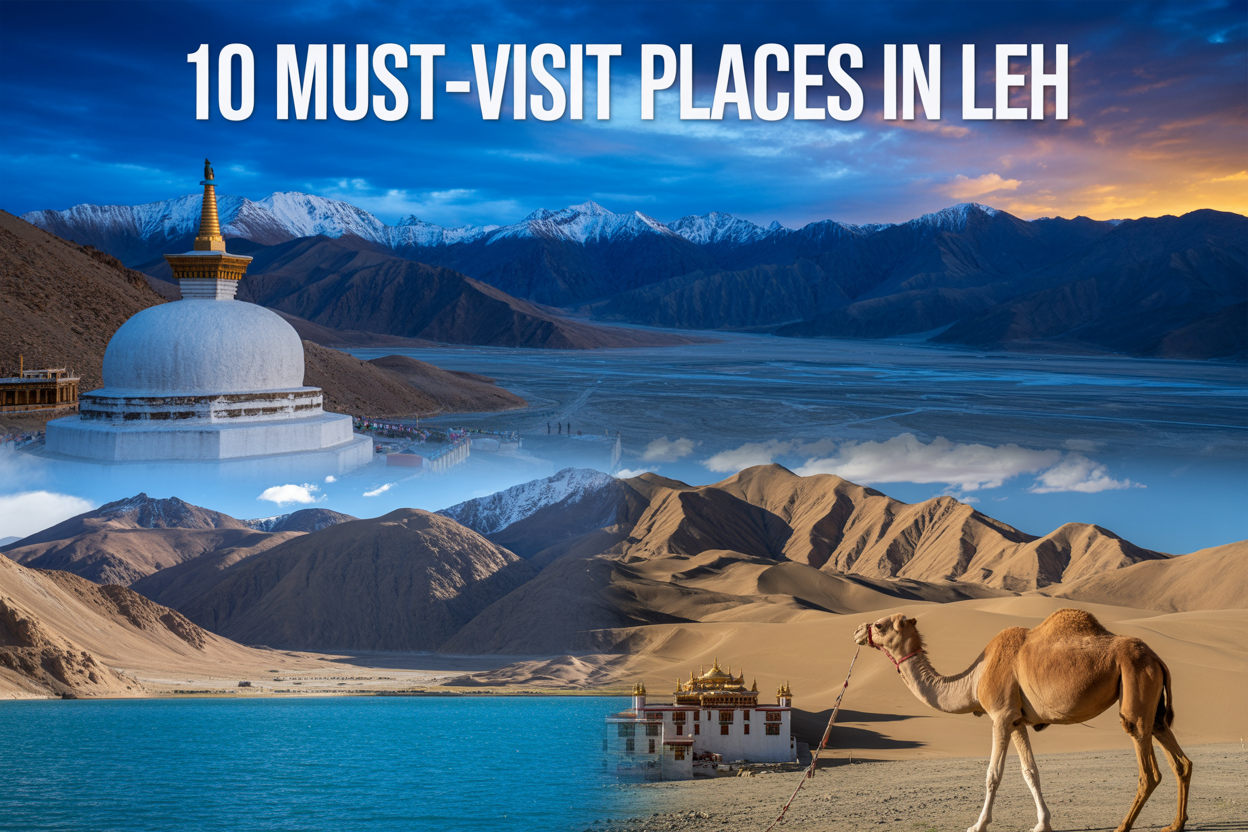
10 Must-Visit Places in Leh for First-Time Travelers
Leh sits at over 11,000 feet above sea level, and it hits differently from any other destination in India. If you're a first-time traveler planning your Leh travel guide, you already know the photos look unreal — but picking where to actually go can feel overwhelming fast.
This list is for anyone landing in Leh with limited days, a full curiosity, and zero idea where to start. No fluff, just the best tourist spots in Leh Ladakh that actually deliver.
Here's what you'll get from this guide: the jaw-dropping color shifts at Pangong Tso Lake, the surreal ride up Khardung La Pass, and the deep cultural history tucked inside Hemis Monastery Ladakh. Along the way, you'll also find tips on fitting in a Nubra Valley tour and reaching the hidden gem that is Tso Moriri Lake.
Ten places. All worth your time. Let's get into it.
Pangong Tso Lake: Experience the Magic of Changing Colors
Best Time to Visit for Stunning Views
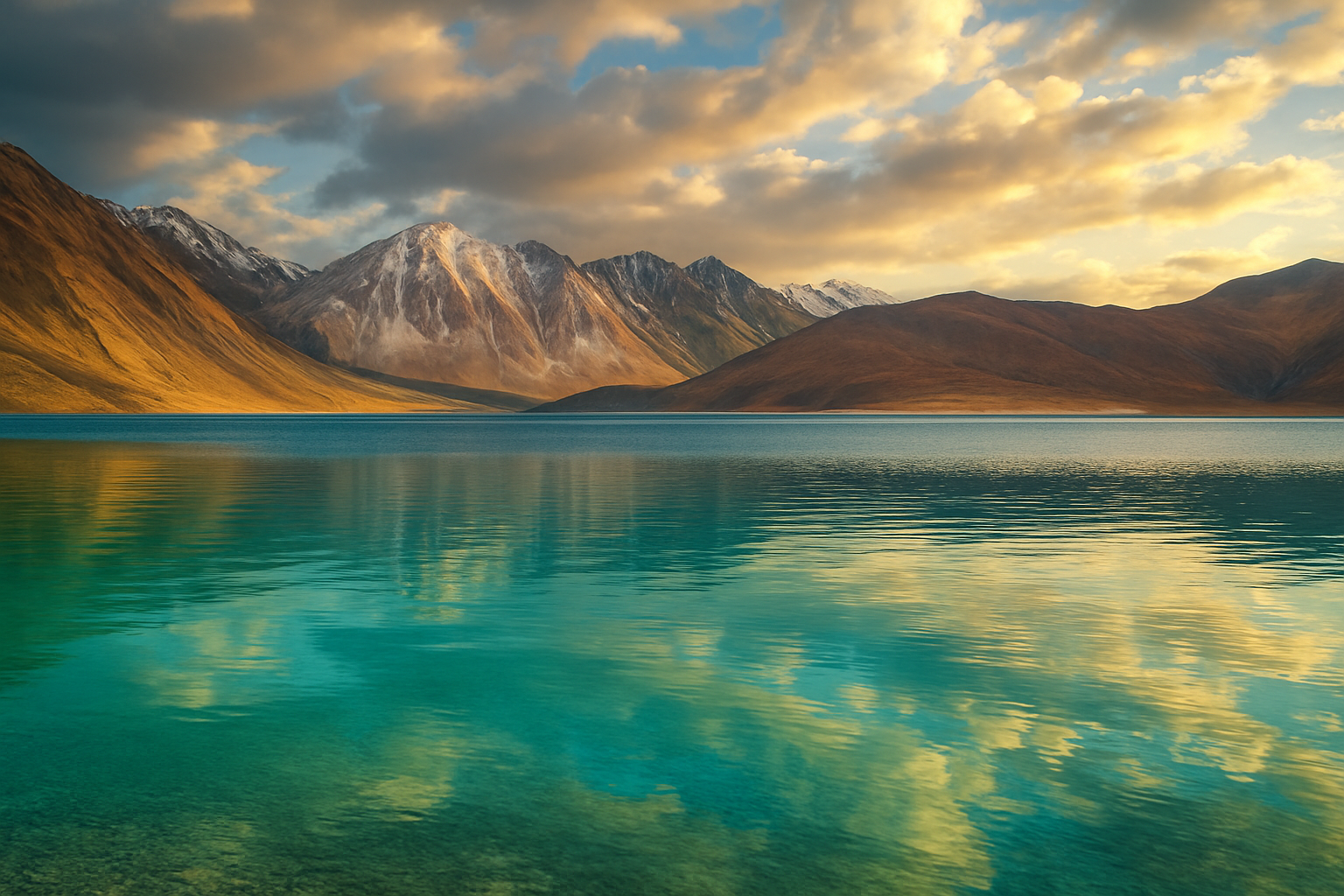
Pangong Tso Lake sits at 4,350 meters and pulls travelers in with its jaw-dropping color shifts — the water moves from deep blue to turquoise to green depending on the light and time of day. The best window to visit is May through September, when the roads are clear and the sky stays bright. July and August bring lush surroundings, while late September offers thinner crowds and golden landscapes.
How to Reach Pangong Tso from Leh
The lake is about 140 km from Leh, and the drive takes roughly 4–5 hours via the Chang La Pass (5,360 m). Here's a quick breakdown:
| Route | Distance | Time |
|---|---|---|
| Leh → Chang La → Pangong | ~140 km | 4–5 hrs |
| Leh → Spangmik (lakeside) | ~140 km | 4–5 hrs |
Hiring a private cab or joining a shared jeep from Leh Market is the most practical option. An Inner Line Permit is required — grab it easily from the DC Office in Leh.
Nearby Camping Spots for an Unforgettable Night Stay
Spangmik village on the lake's southern shore has several cozy camp setups. Staying overnight lets you catch the lake glowing at sunrise — something no day-tripper gets to experience.
Magnetic Hill: Discover the Mysterious Anti-Gravity Phenomenon
The Science Behind the Optical Illusion
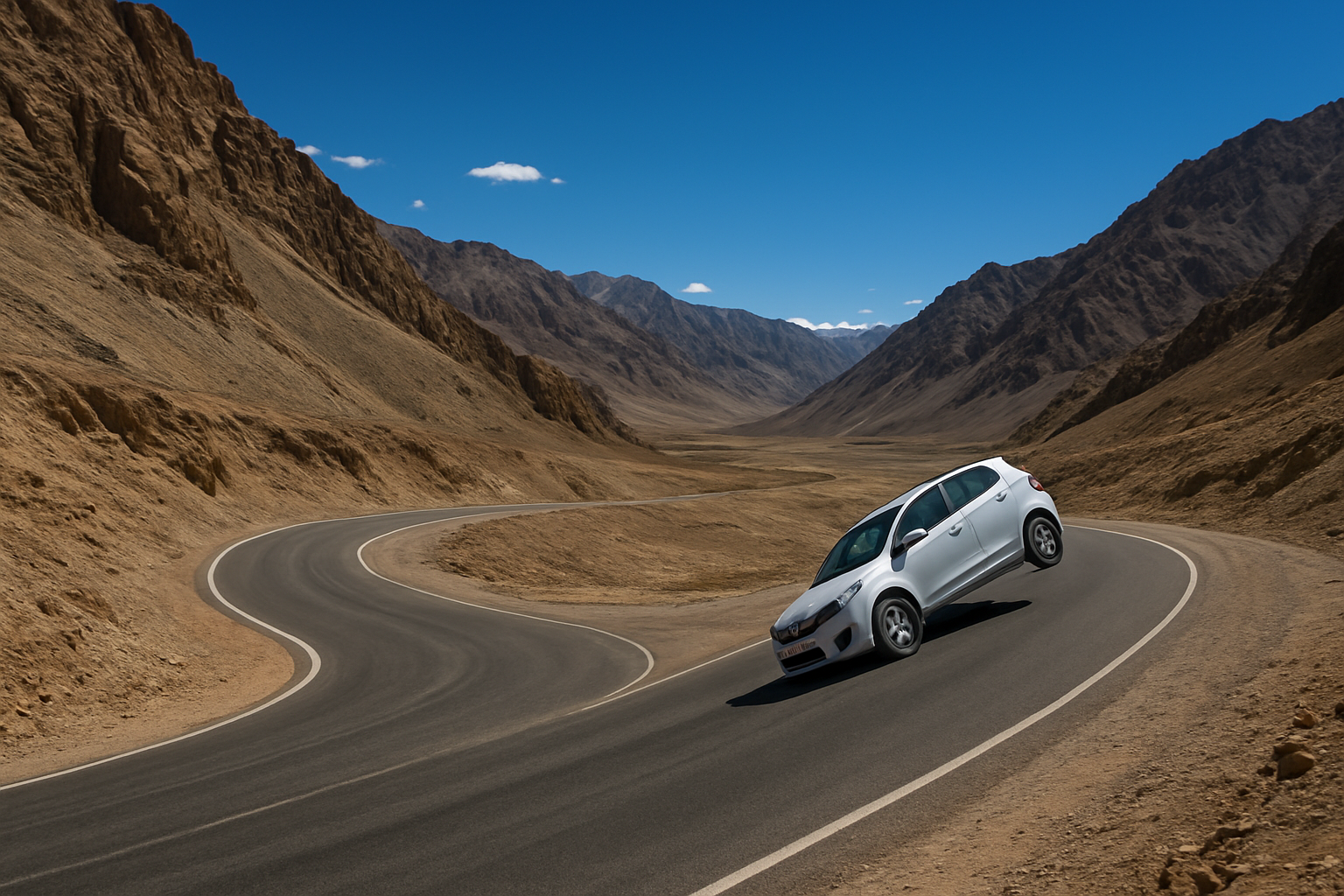
Magnetic Hill Leh sits at roughly 14,000 feet on the Leh-Kargil highway, and it looks like vehicles roll uphill on their own — almost as if gravity has taken a day off. The real story? It's a classic optical illusion. The surrounding landscape creates a visual trick where a gentle downhill slope appears to go uphill. Your brain gets confused by the horizon line and nearby terrain, making "uphill" look like "downhill." No mysterious magnetic force is actually pulling your car — just clever geography doing what it does best.
Tips for Making the Most of Your Visit
-
Park and observe: Put your vehicle in neutral at the marked yellow box on the road and watch it creep forward at around 20 km/h. It's genuinely unsettling, even when you know the science.
-
Go early: Mornings see less traffic, giving you a cleaner experience without tour buses crowding the spot.
-
Combine your drive: Magnetic Hill sits close to Gurudwara Pathar Sahib and the Indus-Zanskar river confluence — knock out all three in one morning.
-
Dress warm: Even in summer, the altitude brings a sharp chill, especially before noon.
Nubra Valley: Explore the Land of Sand Dunes and Double-Humped Camels
Thrilling Camel Safari Rides You Cannot Miss
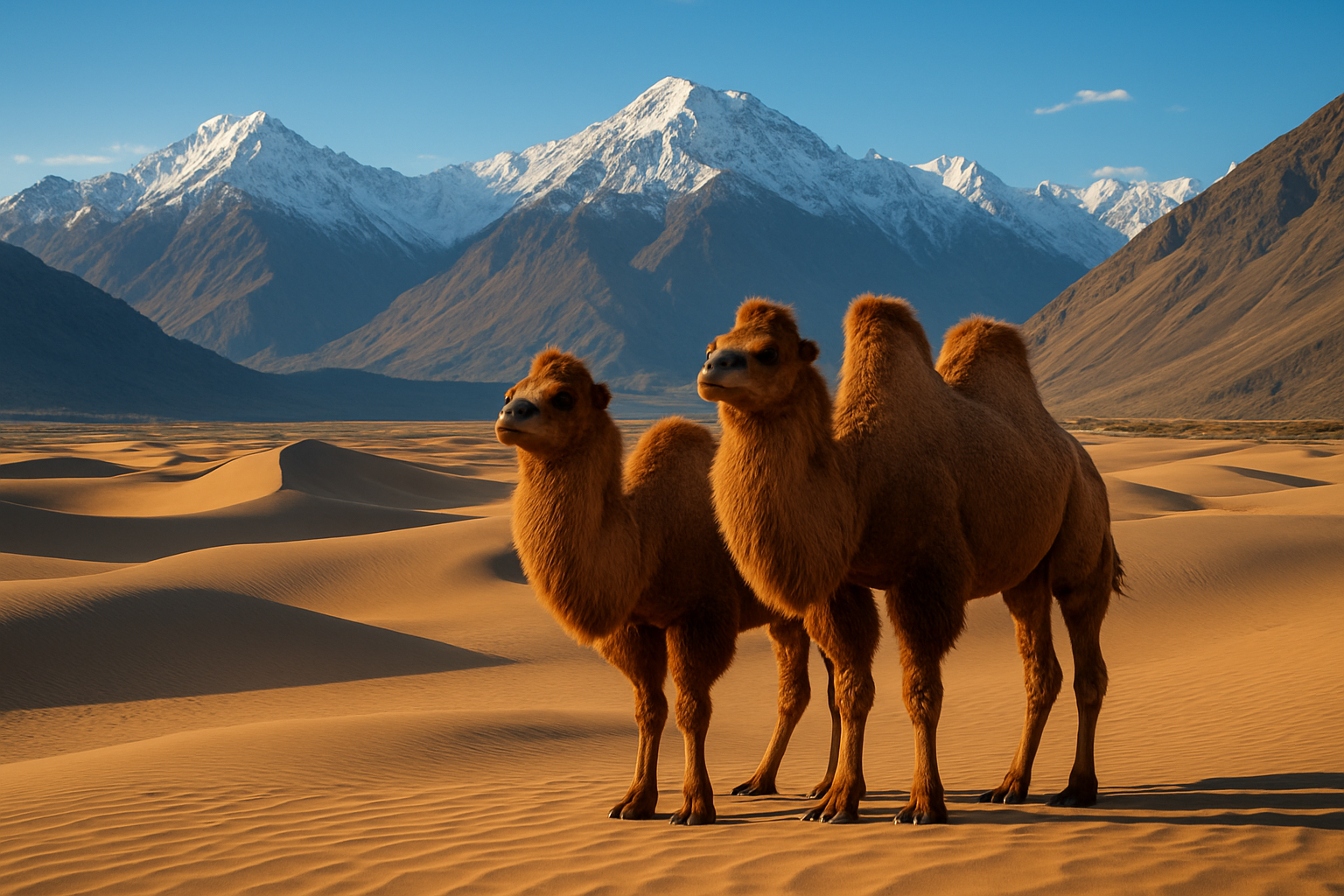
Riding a double-humped Bactrian camel across the golden sand dunes of Hunder is genuinely one of Ladakh's most surreal experiences. These shaggy, gentle giants were once part of the ancient Silk Route trade, and today they carry travelers through a landscape that feels nothing like the rest of Leh. Book your safari during golden hour — the warm light against the dunes is absolutely stunning.
Hidden Villages Worth Exploring in the Valley
Skip the crowds and wander into Sumur, known for its apricot orchards and peaceful vibe, or Turtuk, a charming Balti village near the Pakistan border that only opened to tourists in 2010. Both offer rare glimpses into local life that most Nubra Valley tours miss entirely.
Top Monasteries to Visit During Your Stay
| Monastery | Highlight |
|---|---|
| Diskit Monastery | Giant Maitreya Buddha statue, valley views |
| Samstanling Monastery | Peaceful setting in Sumur village |
| Ensa Gompa | Off-the-beaten-path, fewer tourists |
Best Local Cuisine to Try in Nubra Valley
Don't leave without trying skyu (a hearty root vegetable stew), fresh apricot jam with local bread, and butter tea. Small dhabas near Hunder serve simple, warming meals perfect after a chilly morning safari.
Shanti Stupa: Find Peace and Panoramic Views of Leh City
Spiritual Significance and History of the Stupa
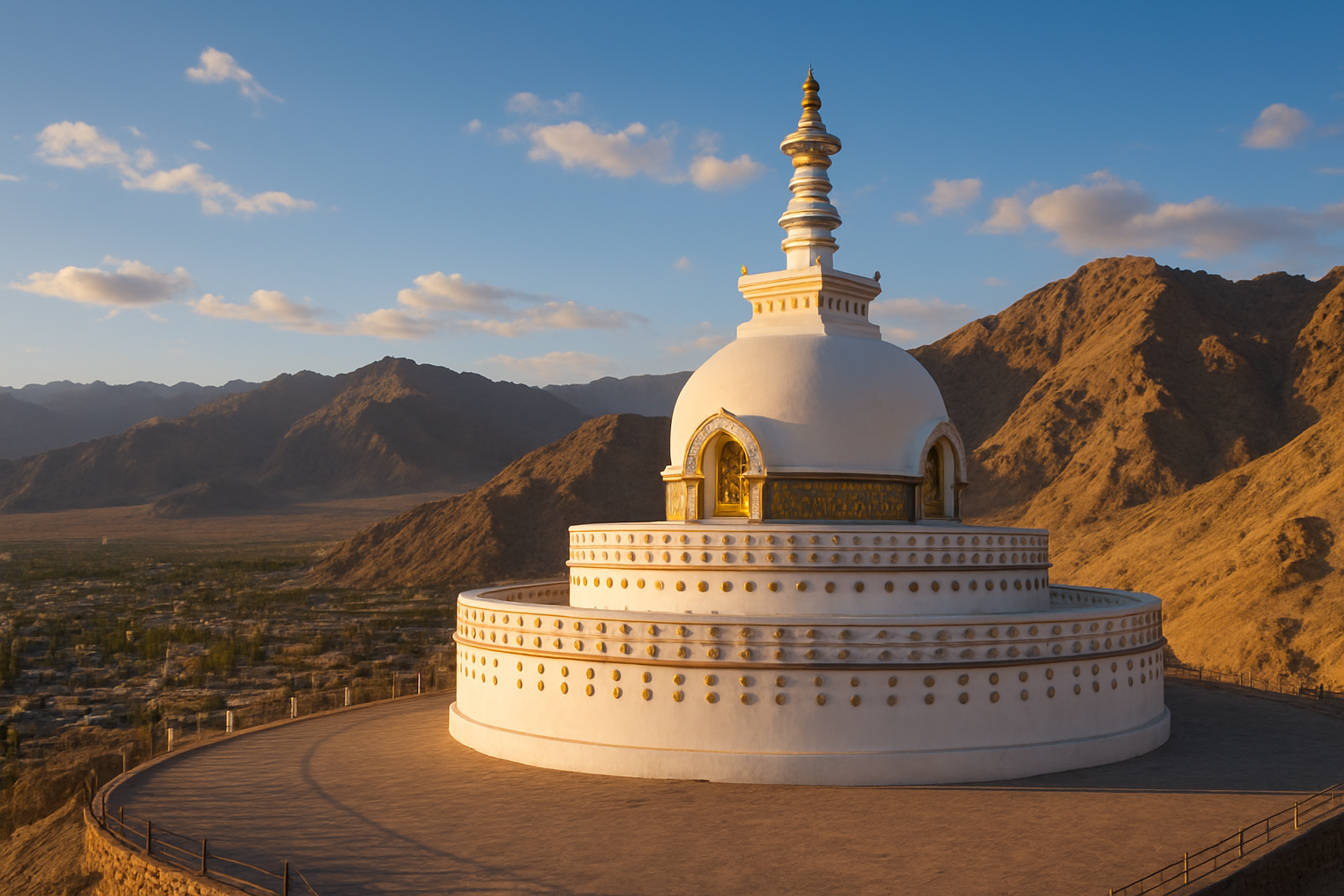
Perched 457 meters above Leh city, Shanti Stupa was built in 1991 by Japanese Buddhist Bhikkhu Gyomyo Nakamura to promote world peace. The white-domed structure holds relics of the Buddha at its base and commemorates 2,500 years of Buddhism. Both Hindus and Buddhists consider it sacred, and the peaceful energy here is something you genuinely feel the moment you arrive.
Perfect Time of Day to Visit for Breathtaking Sunsets
Sunset is hands-down the best time to visit. The stupa glows golden as the sun drops behind the Zanskar range, casting warm light across the entire Leh valley below. Aim to arrive about 45 minutes before sunset to grab a good spot. Early mornings work beautifully too — the crisp mountain air and soft light make the experience incredibly calming with almost no crowds.
Photography Tips to Capture Stunning Shots
-
Wide-angle lens works best to include both the stupa and valley in one frame
-
Shoot from the lower steps to get the stupa towering dramatically against the sky
-
Blue hour (just after sunset) creates a magical contrast between the glowing white dome and the darkening sky
-
Use the prayer flags as natural foreground elements for depth and color
Leh Palace: Step Back into the Royal History of Ladakh
Architectural Highlights That Tell Ancient Stories
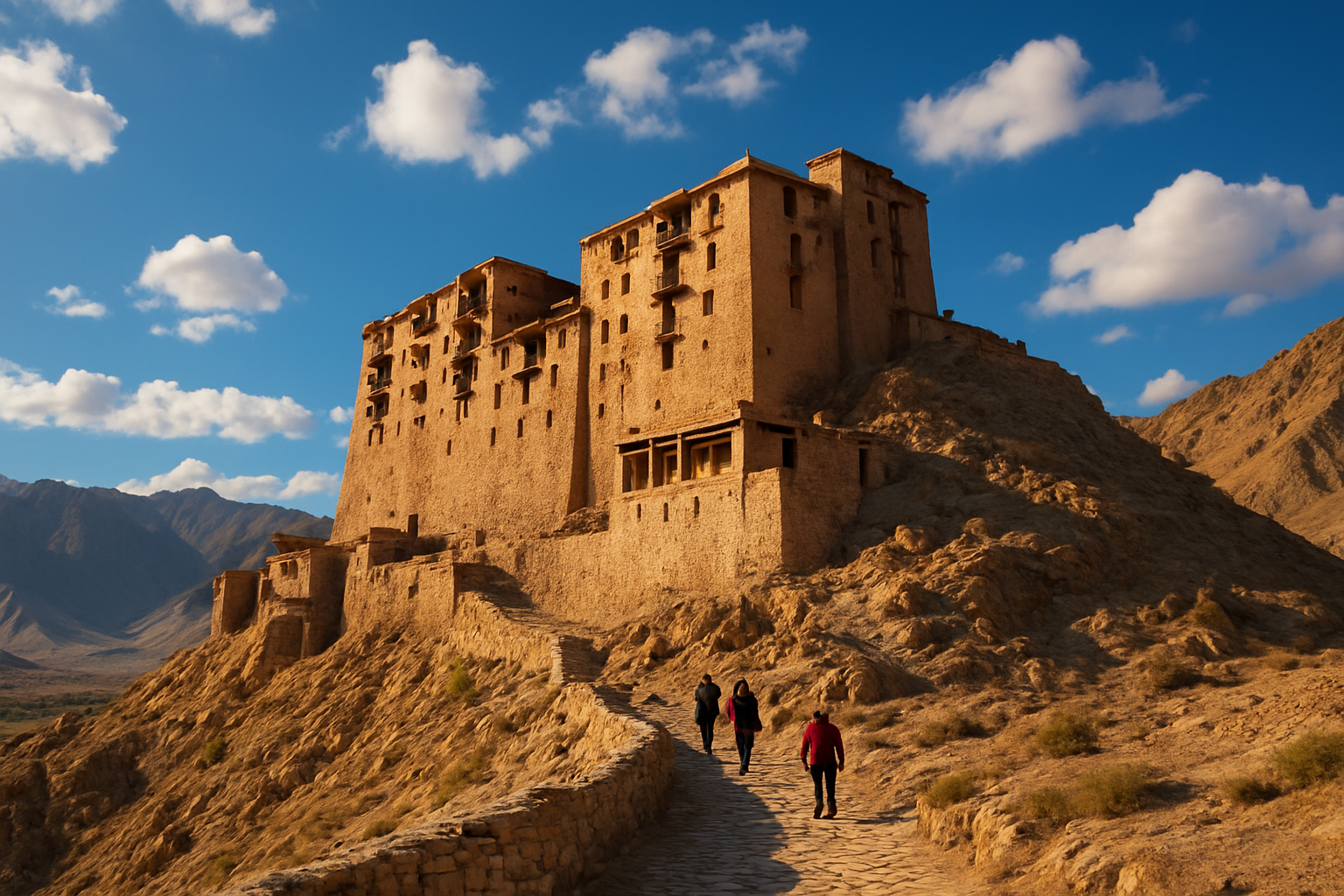
Built in the 17th century by King Sengge Namgyal, Leh Palace rises nine stories above the old city like a weathered crown. Its Tibetan architectural style — thick tapering walls, wooden balconies, and flat rooftops — closely mirrors the Potala Palace in Lhasa. Each floor narrows as you climb, a design that kept the structure stable against the harsh mountain climate for centuries.
Museum Artifacts That Reveal the Region's Rich Culture
The ground floor houses a small but fascinating museum managed by the Archaeological Survey of India. Inside, you'll find royal thangkas (religious scroll paintings), ancient manuscripts, ceremonial armor, and ornate jewelry that once belonged to the Namgyal dynasty. These pieces give you a real sense of how deeply Buddhist culture shaped everyday royal life in Ladakh.
Sweeping Views of the Old City from the Rooftop
Climbing to the rooftop is the highlight of any visit. From up there, you get a breathtaking 360-degree view — the old city's whitewashed houses spread below, Namgyal Tsemo Monastery perches on the ridge above, and the Zanskar mountain range frames the horizon. Early morning visits are the best; the golden light hits the valley in a way that feels almost unreal.
Hemis Monastery: Witness the Largest and Wealthiest Monastery in Ladakh
Annual Hemis Festival Every First-Time Visitor Should Attend
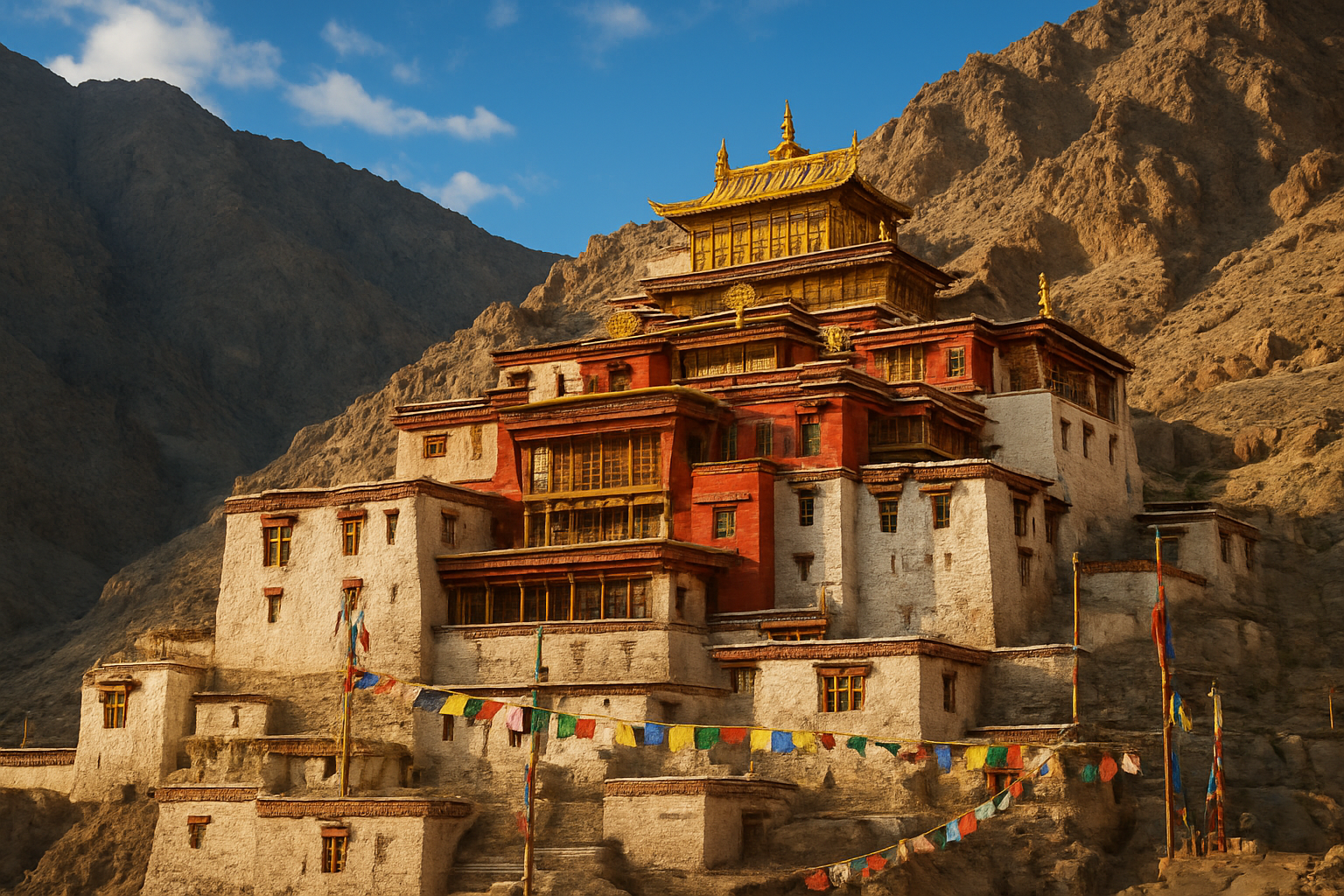
Held every June or July, the Hemis Festival is a two-day celebration dedicated to Guru Padmasambhava. Masked Cham dancers perform ancient rituals in the monastery courtyard, and the atmosphere is electric. Get there early for a good viewing spot — crowds fill up fast.
Sacred Murals and Relics Worth Exploring Inside
Hemis Monastery, the largest and wealthiest in Ladakh, houses stunning thangka paintings, ancient manuscripts, and precious statues dating back centuries. The copper-gilded stupa and the collection of silver artifacts in the museum are absolute highlights. Every corner tells a story if you slow down and look.
Guided Tours That Deepen Your Cultural Understanding
Skip the self-guided wander and book a local monk-led tour. These guides explain the symbolism behind each mural and ritual object in plain, engaging language — context that no signboard can give you. Many tour operators in Leh include Hemis Monastery Ladakh as a key stop on curated day trips.
Souvenirs and Local Handicrafts to Bring Back Home
Right outside the monastery entrance, small stalls sell handmade prayer flags, thangka prints, wooden prayer wheels, and woolen goods. Prices are reasonable, and buying here directly supports the local monastic community.
Khardung La Pass: Conquer One of the World's Highest Motorable Roads
Essential Acclimatization Tips to Stay Safe at High Altitude
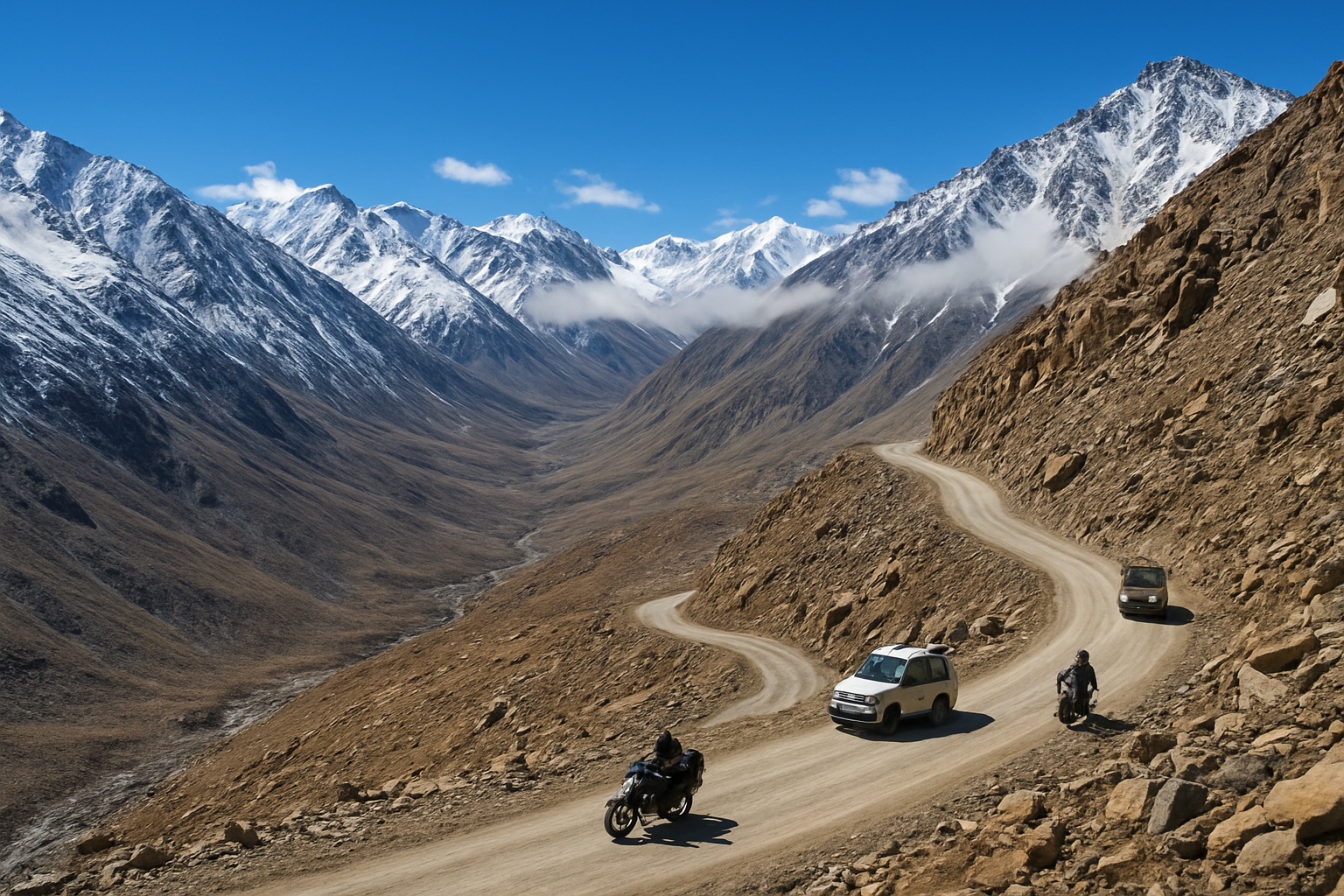
At 18,379 feet, Khardung La Pass demands respect. Spend at least two full days in Leh before heading up — your body needs time to adjust. Drink plenty of water, skip alcohol, and move slowly. If you feel dizzy or get a pounding headache, descend immediately. Carry Diamox if your doctor recommends it, and keep emergency oxygen handy.
Best Vehicles and Travel Options for the Journey
| Travel Option | Best For | Notes |
|---|---|---|
| Royal Enfield | Adventure riders | Most popular choice |
| SUV/Jeep | Groups & families | Toyota Innova, Scorpio work well |
| Shared taxi | Budget travelers | Available from Leh market |
| Guided tour | First-timers | Includes safety support |
The road is open roughly May through October. Hire an experienced local driver if you're unfamiliar with mountain terrain — this is non-negotiable on a Khardung La Pass road trip.
Iconic Photo Opportunities at the Summit
The summit signboard is every traveler's first stop for a photo. Shoot wide-angle shots of the snow-capped Karakoram range stretching endlessly behind you. Golden hour light hits beautifully in the morning. Dress in layers — temperatures drop fast — but the dramatic backdrop makes every shot absolutely worth the effort.
Diskit Monastery: Encounter the Giant Maitreya Buddha Statue
Spiritual Rituals and Ceremonies Open to Visitors
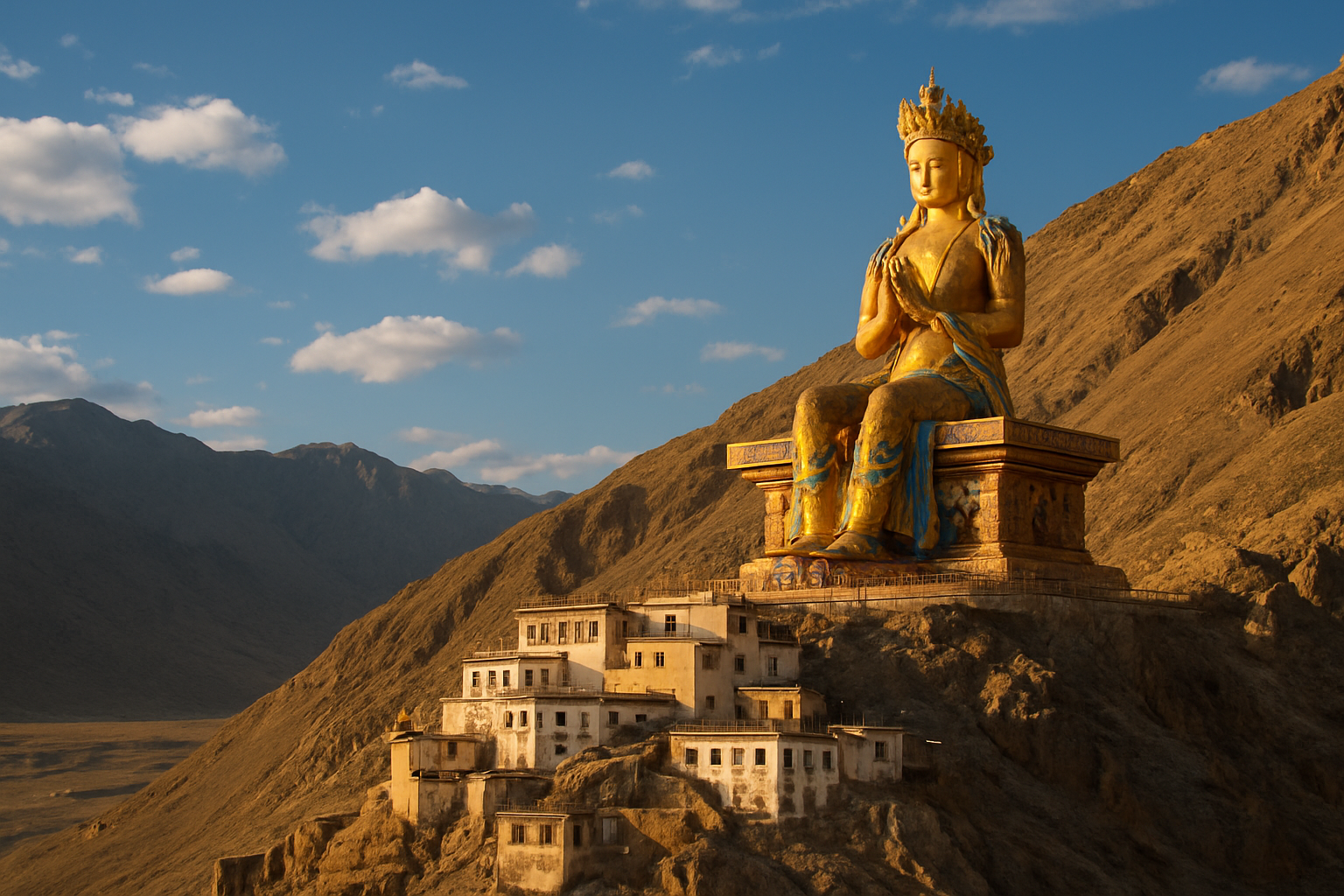
Perched dramatically above the Nubra Valley, Diskit Monastery is the oldest and largest monastery in the region, dating back over 700 years. Visitors can witness monks performing daily prayer rituals, spinning prayer wheels, and chanting ancient scriptures — experiences that feel deeply personal and moving. The annual Dosmoche Festival, held in February, brings masked Cham dances and vibrant ceremonies that draw travelers from across the globe. Arrive early in the morning to catch monks in quiet meditation, and always remove your shoes before entering the prayer halls. A small donation to the monastery goes a long way in supporting its upkeep.
Stunning Desert Landscape Surrounding the Monastery
What makes Diskit genuinely jaw-dropping is the contrast — a towering 32-meter Maitreya Buddha statue gazing serenely across a sweeping desert landscape that looks almost otherworldly. Sand dunes stretch toward the horizon, framed by snow-dusted Himalayan peaks. This unique combination of arid terrain and sacred architecture makes it one of the best tourist spots in Leh Ladakh, especially for photography. The Nubra Valley tour typically includes Diskit as a highlight stop, and for good reason — the views from the monastery grounds alone are worth the drive up Khardung La Pass.
Tso Moriri Lake: Escape to a Remote and Pristine High-Altitude Lake
Rare Wildlife and Bird Species You Can Spot
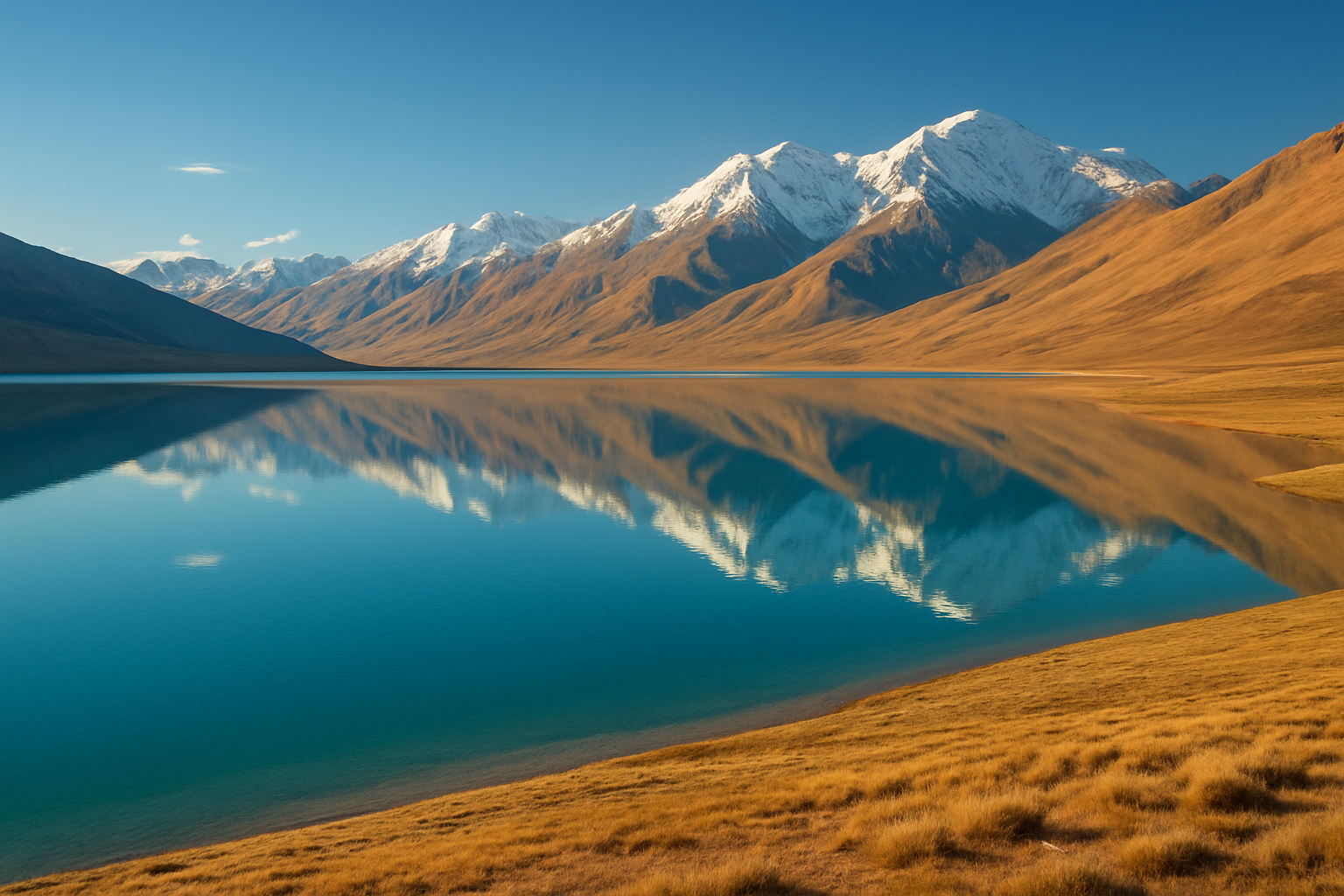
Tso Moriri is a birder's dream. The lake hosts the endangered Black-necked Crane, Bar-headed Geese, and Brahminy Ducks. Keep your eyes open for Tibetan Wild Ass (Kiang) and Snow Leopards roaming the surrounding highlands.
Eco-Friendly Travel Practices to Preserve the Environment
Tso Moriri Lake trek attracts nature lovers, but the fragile ecosystem needs careful handling. Carry reusable bottles, avoid single-use plastics, and never feed wildlife. Stick to marked trails and camp only in designated areas to minimize footprint damage.
Permit Requirements Every Traveler Must Know
| Permit Type | Required For | Where to Obtain |
|---|---|---|
| Inner Line Permit (ILP) | All Indian citizens | DC Office, Leh |
| Protected Area Permit (PAP) | Foreign nationals | DC Office, Leh |
Permits are mandatory and must be arranged before leaving Leh city.
Best Accommodation Options Near the Lake
| Option | Experience Level |
|---|---|
| Korzok Village Homestays | Authentic local stays |
| Camping tents | Budget-friendly adventure |
| Eco-lodges | Comfortable yet sustainable |
Korzok Village, sitting right on the lake's edge, offers the warmest hospitality and the most breathtaking sunrise views you'll ever wake up to.
Leh Market: Shop, Eat, and Soak in Authentic Local Culture
Must-Buy Traditional Handicrafts and Souvenirs
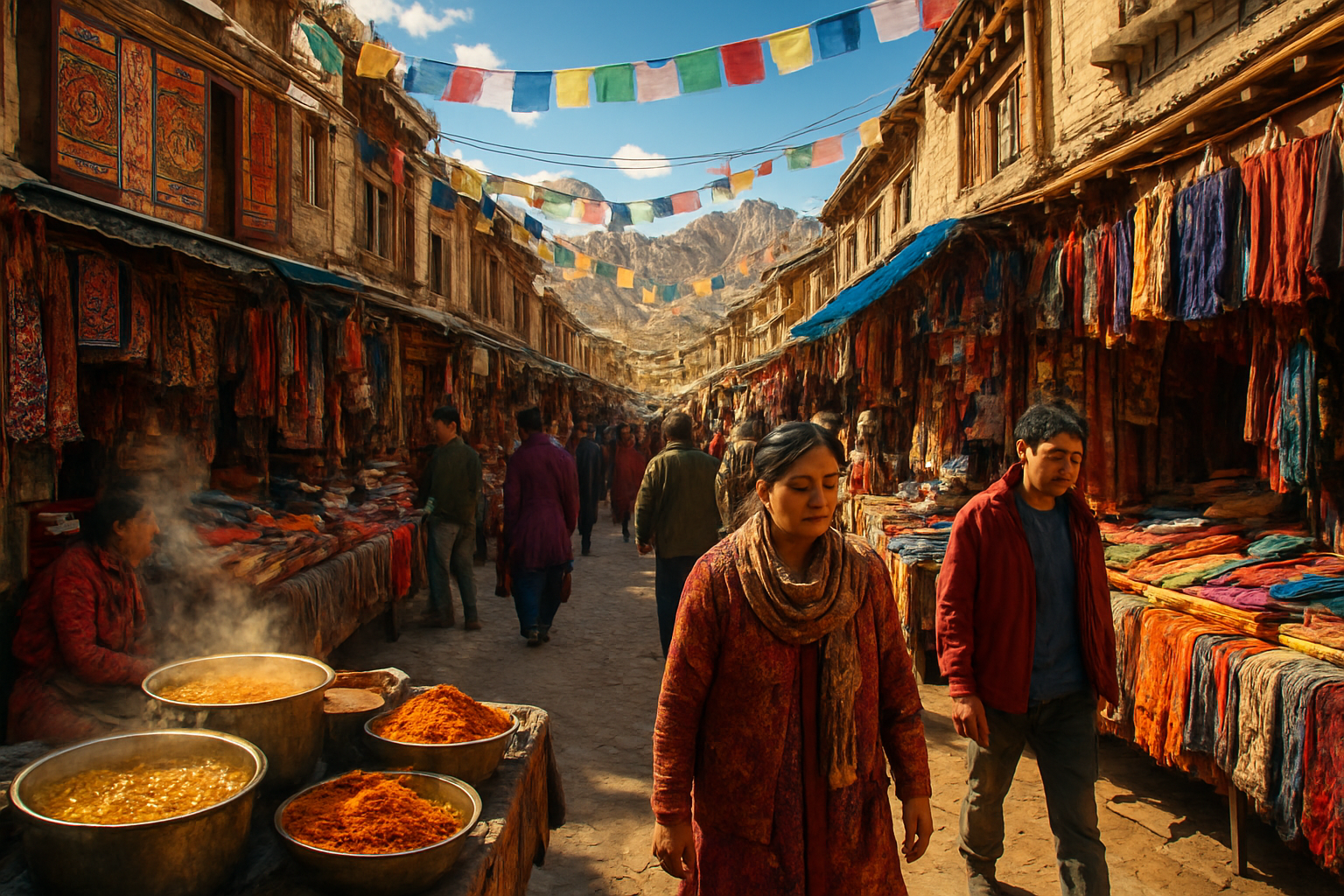
Leh Market is a treasure chest for shoppers. Pick up hand-woven Pashmina shawls, Thangka paintings, turquoise jewelry, and prayer flags — each piece carries genuine local craftsmanship. Tibetan singing bowls make great gifts, and hand-knotted woolen carpets are worth every rupee. Bargaining is expected, so don't hesitate to negotiate politely.
| Item | Average Price Range |
|---|---|
| Pashmina Shawl | ₹800 – ₹5,000 |
| Thangka Painting | ₹500 – ₹10,000 |
| Turquoise Jewelry | ₹200 – ₹2,000 |
| Singing Bowl | ₹300 – ₹1,500 |
Popular Local Street Foods You Should Try
Walking through the market on an empty stomach is dangerous in the best way. Grab a bowl of Thukpa (hearty noodle soup), try Momos from a steaming street stall, or snack on Skyu — a traditional pasta-like dish. Butter tea might taste unusual at first, but it's warming and worth experiencing.
Best Cafes and Restaurants for a Relaxing Break
After exploring, rest at Bon Appetit or Lamayuru Restaurant for reliable Ladakhi and continental menus. Cafe Jeevan is a local favorite for apple pie and strong coffee. These spots are perfect for first-time travelers in Leh looking to recharge without straying far from the main market area.
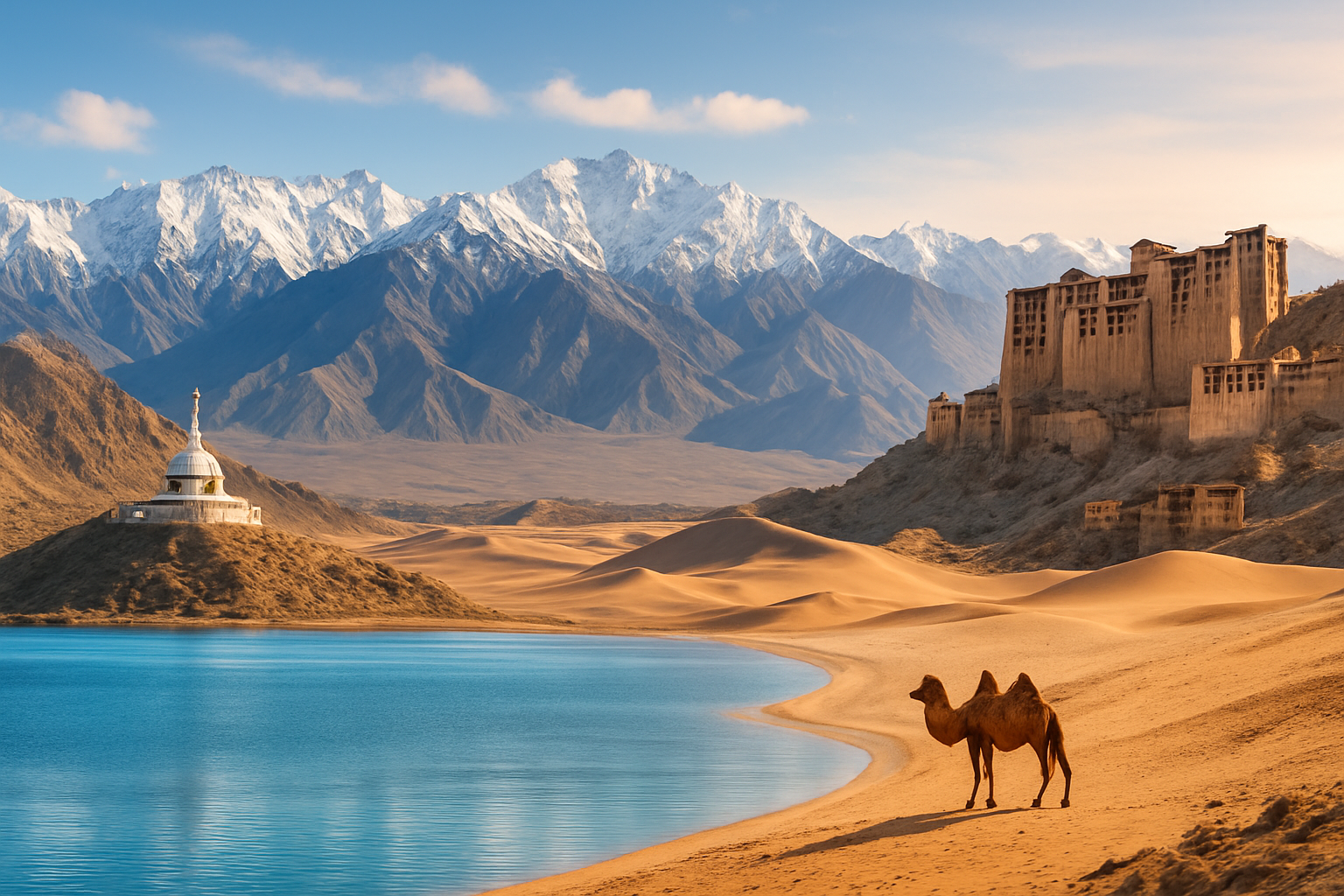
Leh is truly one of those places that stays with you long after you've left. From the color-shifting waters of Pangong Tso to the buzzing lanes of Leh Market, every spot on this list offers something completely different — and equally unforgettable. Whether you're standing at the top of Khardung La Pass with the wind in your face or sitting quietly at Shanti Stupa watching the sun set over the city, Leh has a way of making you feel both tiny and alive at the same time.
If you're planning your first trip, don't rush it. Give yourself enough time to really soak in each place — the monasteries, the lakes, the valleys, and the local flavors. Leh rewards slow travelers, and the more you explore, the more you'll fall in love with it. Start planning, pack your bags, and get ready for an adventure that'll be hard to top.
Post a Comment