
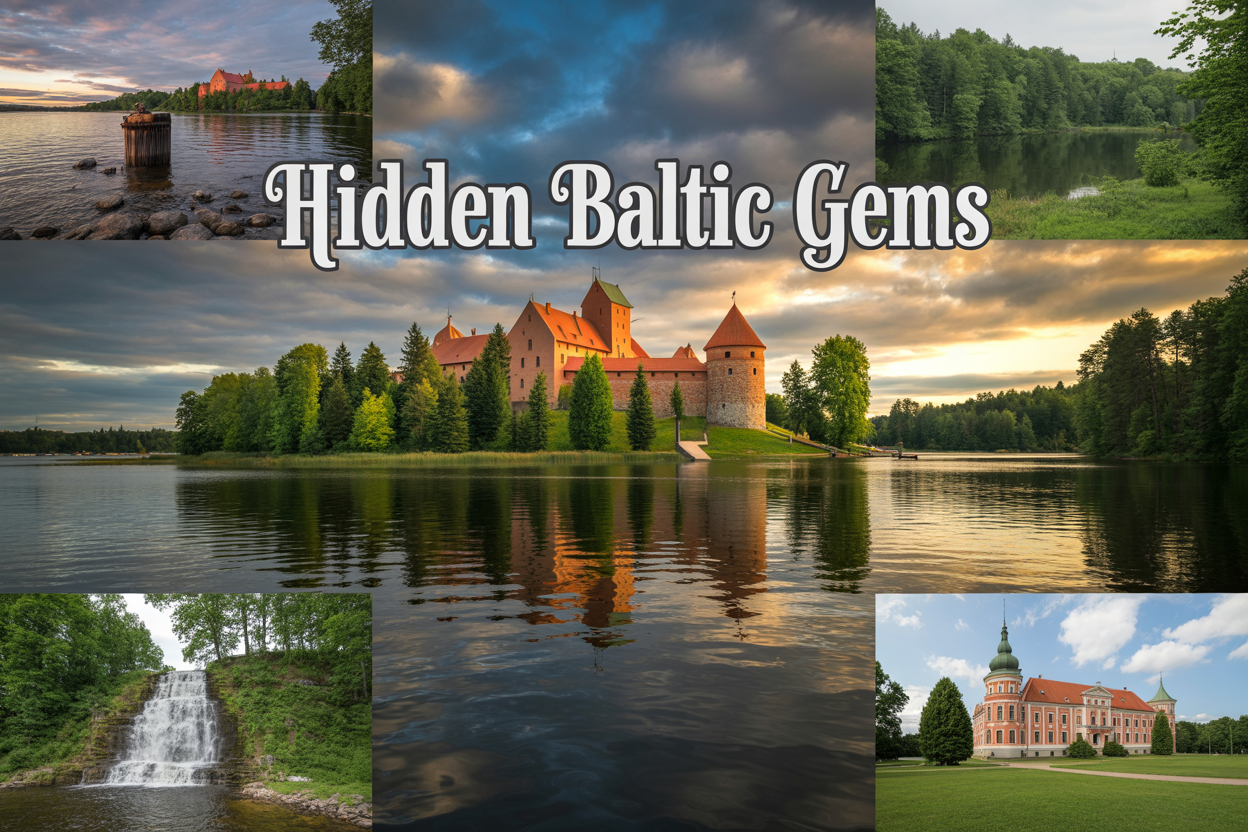
7 Hidden Baltic Gems Most Tourists Never Find
Most travelers who visit the Baltic states stick to Tallinn's Old Town, Riga's Art Nouveau streets, and Vilnius's cathedral square. That's totally fine — but they're missing the good stuff.
This guide is for travelers who want more than the highlight reel. If you're planning a trip to Estonia, Latvia, or Lithuania and you're ready to go slightly off script, these hidden Baltic gems are worth rearranging your itinerary for.
Here's what you'll find inside:
-
Jaw-dropping history — from the fairy-tale fortress of Trakai Island Castle in Lithuania to the staggering baroque halls of Rundale Palace tucked away in the Latvian countryside
-
Unexpected nature — think Kuldiga's waterfall, Latvia's surprisingly wide cascade running through a sleepy town most tourists drive straight past, and the wild, quiet trails of Lahemaa National Park in Estonia
-
Offbeat adventures — including Sigulda, Latvia's answer to mountain thrills, and the island pace of Saaremaa in Estonia
These aren't obscure for the sake of being obscure. They're just genuinely brilliant places that haven't been crowded out yet — and that won't last forever.
Trakai Island Castle, Lithuania: Step Inside a Fairy-Tale Fortress
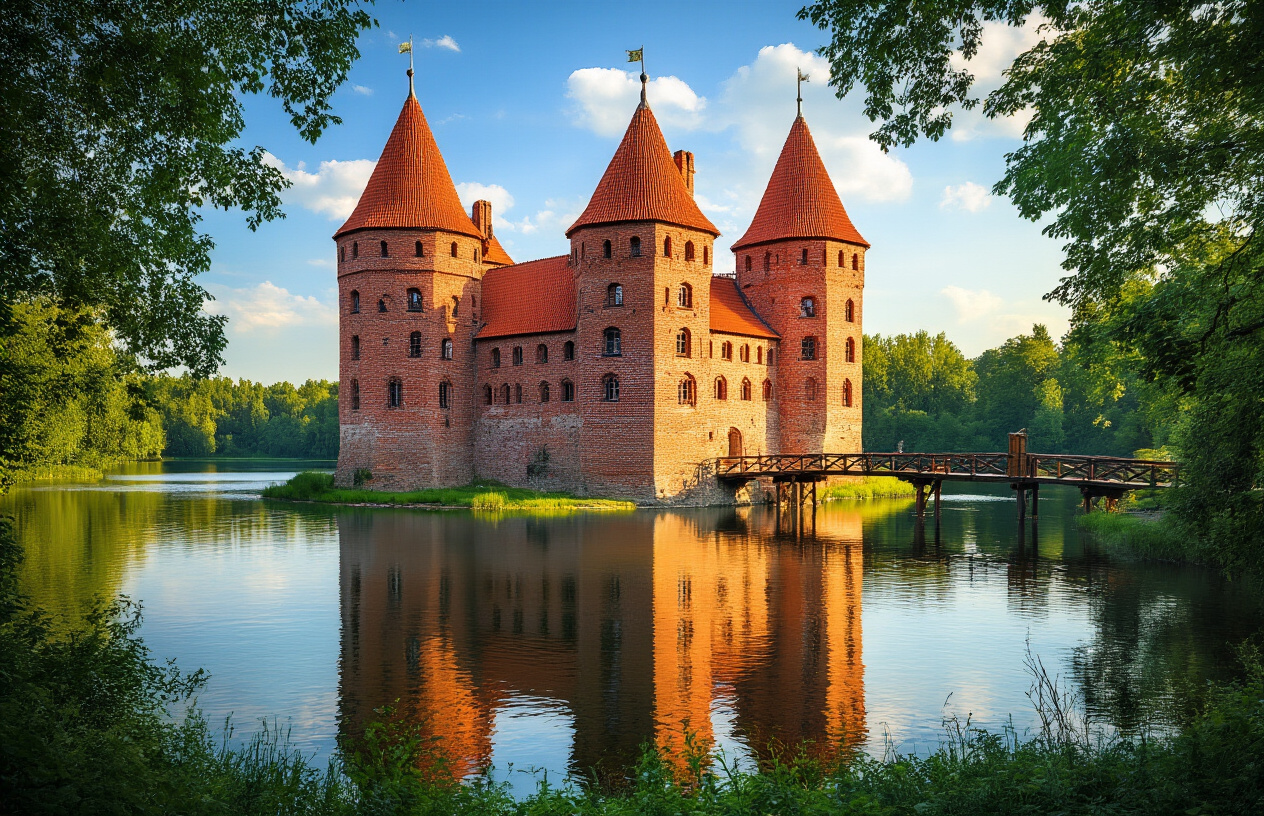
Why Most Visitors Miss This Stunning Medieval Gem
Trakai Island Castle sits just 28 kilometers from Vilnius, yet most tourists treat it like a day-trip checkbox rather than a destination worth savoring. The problem? They arrive, snap photos from the wooden bridge, peek inside the courtyard museum, and leave within two hours. What they miss is the full atmosphere — the way the red-brick towers reflect off Lake Galvė at golden hour, or the small Karaite community tucked in the nearby town selling kibinai (savory pastries) from family-run shops that have barely changed in decades.
Best Times to Visit for a Crowd-Free Experience
| Season | Crowd Level | Best For |
|---|---|---|
| Early Spring (March–April) | Low | Quiet castle access, moody skies |
| Weekday mornings (summer) | Moderate | Good light, manageable groups |
| Late Autumn (Oct–Nov) | Very Low | Misty lake views, dramatic colors |
Arrive before 10 AM or after 4 PM during summer to avoid tour buses entirely.
Hidden Trails Around the Lake That Reward Explorers
A footpath circles Lake Galvė's full perimeter — roughly 8 kilometers — passing wooden fishing jetties, old stone ruins, and quiet picnic spots locals actually use. Few tourists ever complete it, which means you get the castle views all to yourself.
Kuldiga, Latvia: Europe's Widest Waterfall in a Forgotten Town
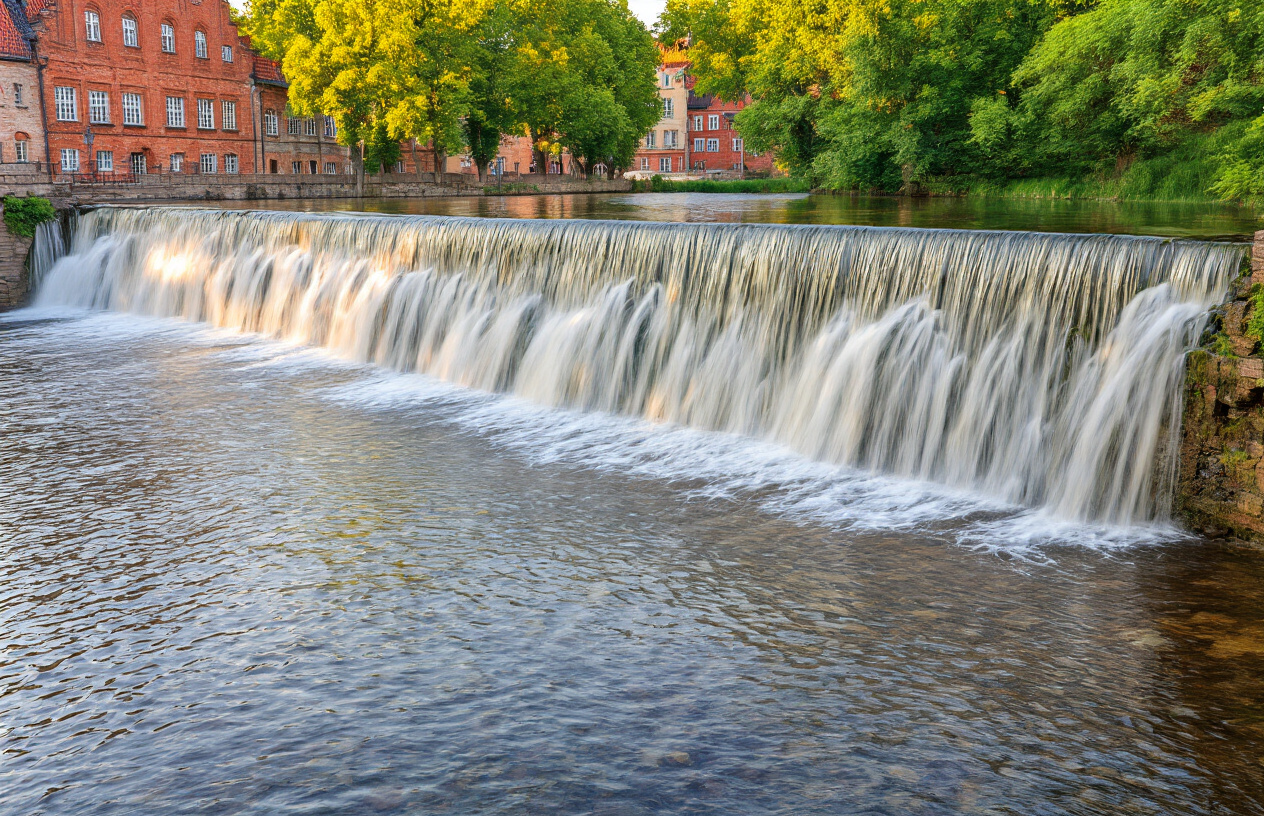
What Makes This Charming Town Unlike Any Other in the Baltics
Kuldiga sits quietly in western Latvia, completely unbothered by tourist crowds, and that's exactly what makes it so special. The star attraction is Ventas Rumba — officially Europe's widest waterfall at 249 meters across. It's not dramatically tall, just about 2 meters, but watching the Venta River spill over that ancient sandstone ledge in one continuous curtain is genuinely hypnotic.
The old town wraps around cobblestone streets lined with wooden merchant houses from the 17th and 18th centuries. A brick bridge built in 1874 still carries traffic across the river today, making it one of the oldest functioning brick bridges in Latvia.
Local Experiences You Will Not Find in Any Guidebook
-
Jump with the locals — every spring, Kuldiga residents leap off the bridge into the river during an unofficial tradition that draws cheering crowds
-
Visit Kuldiga District Museum for surprisingly rich exhibits on local amber, crafts, and Livonian culture
-
Walk the riverside path at dusk when the waterfall catches the golden light and the town feels completely yours
-
Try local bakeries along Baznīcas iela for dark rye bread baked the old Latvian way
This is a genuine Kuldiga waterfall Latvia experience that no glossy travel brochure captures.
Lahemaa National Park, Estonia: Unspoiled Nature at Its Finest
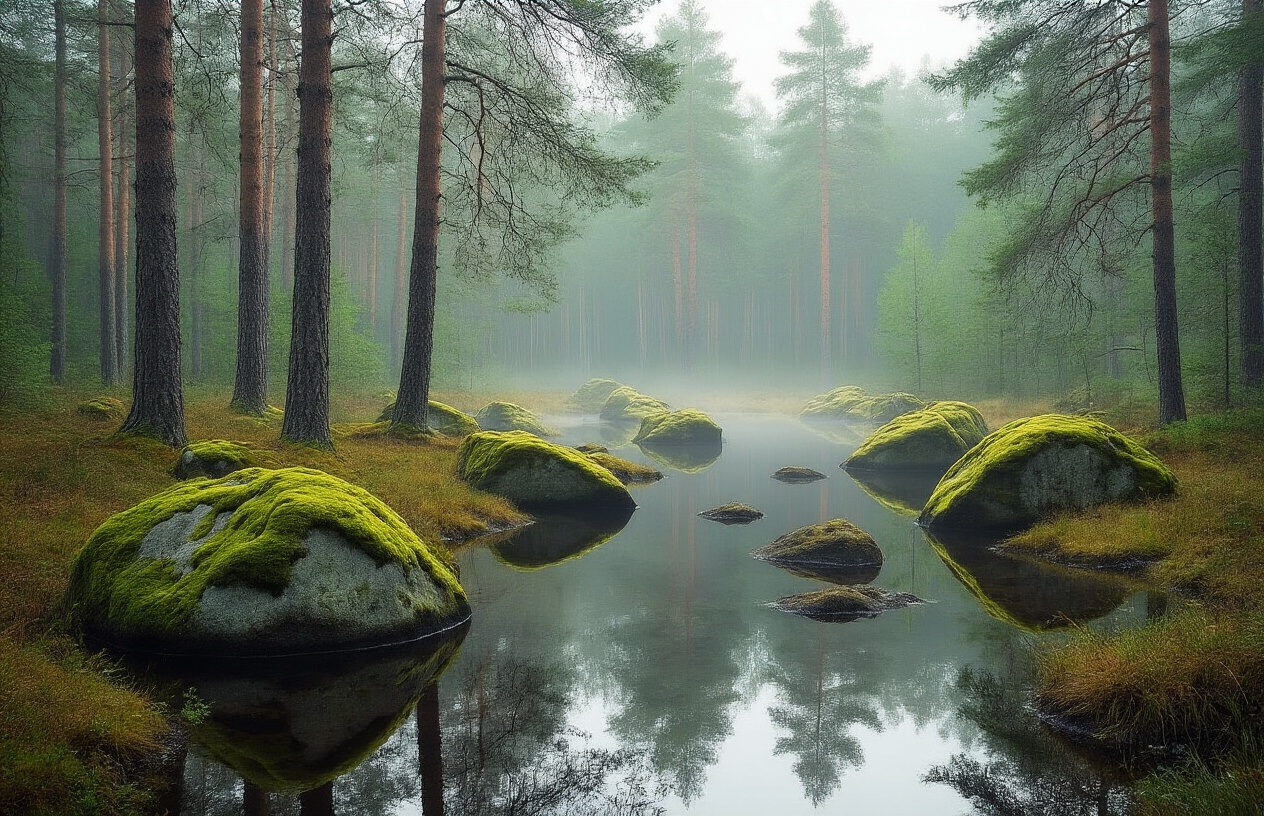
Ancient Manor Houses Hiding in Dense Forest
Lahemaa National Park hides some of Estonia's most atmospheric manor houses beneath its thick canopy. Palmse Manor is the showstopper — a fully restored 18th-century estate with a distillery, rose garden, and lake that feels genuinely frozen in time. Sagadi and Kolga manors offer quieter, equally rewarding visits with far fewer crowds.
Coastal Villages That Preserve Centuries of Fishing Culture
The fishing villages of Käsmu and Altja feel like somebody pressed pause decades ago. Käsmu's stone-walled cottages earned it the nickname "Captain's Village" — local sea captains built these homes during prosperous trading years. Altja's working fishing nets and thatched tavern give you a real taste of how Baltic coastal life looked before tourism arrived.
Wildlife Encounters That Rival Famous European Nature Reserves
Lahemaa National Park Estonia shelters brown bears, lynx, wolves, and elk across its bogs and forests. The Viru Bog boardwalk trail delivers incredible birdwatching without specialist gear or guides. Beaver activity is visible along most forest streams year-round.
Practical Tips for Exploring Without a Tour Group
| Tip | Details |
|---|---|
| Getting there | Rent a car in Tallinn — only 70km away |
| Best season | May–September for wildlife and dry trails |
| Accommodation | Book Palmse Manor guesthouse early |
| Trail maps | Download offline via Estonian Nature trails app |
Sigulda, Latvia: The Baltic Answer to Alpine Adventure
Thrilling Outdoor Activities Hidden in the Gauja River Valley
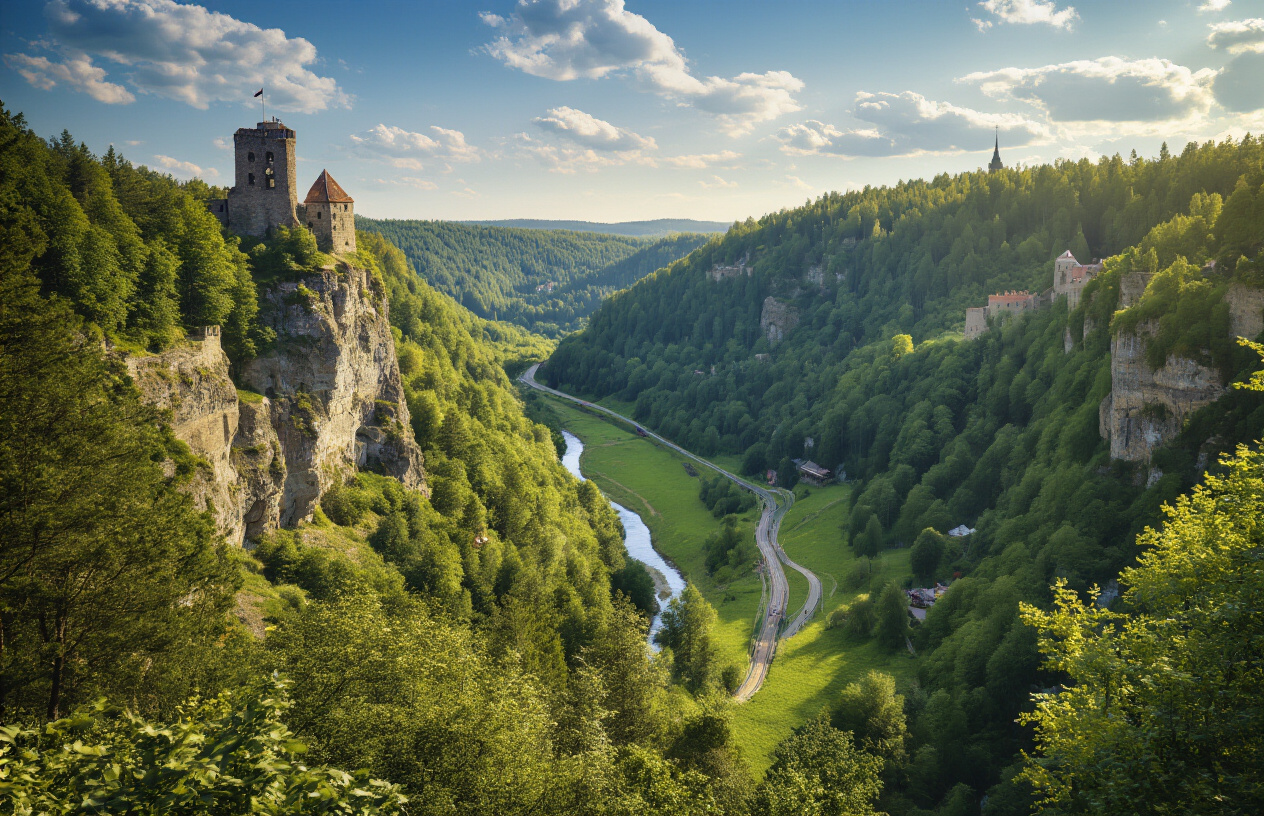
Sigulda Latvia adventure seekers have quietly discovered what most tourists completely miss. The Gauja River Valley packs bobsledding, bungee jumping, zip-lining, and cave exploring into one surprisingly compact area. The Velnā Cave alone — carved by ancient underground springs — feels like stumbling onto a movie set. Winter brings world-class cross-country skiing trails; summer flips everything toward kayaking and forest hiking.
Medieval Ruins That Tell Stories Few Tourists Ever Hear
Three separate castle ruins sit within easy walking distance of each other — Sigulda Medieval Castle, Turaida Castle, and Krimulda Castle. Each tells a different chapter of Latvia's complicated history, from Livonian knights to Swedish occupation. Turaida's red-brick tower rewards climbers with sweeping valley views that genuinely stop you mid-sentence.
Affordable Day Trip Secrets From Riga Most Travelers Overlook
| Detail | Info |
|---|---|
| Distance from Riga | ~50 km |
| Train ride | ~1.15 hours, under €5 |
| Best season | May–September |
| Budget tip | Buy a combined attractions pass |
Most Riga visitors spend their entire trip in the capital and never realize Sigulda sits just over an hour away. One day here easily outshines three days of crowded tourist circuits elsewhere.
Palanga Amber Museum, Lithuania: Treasures Locked in Time
Why Amber Here Is Far More Fascinating Than Souvenirs Suggests
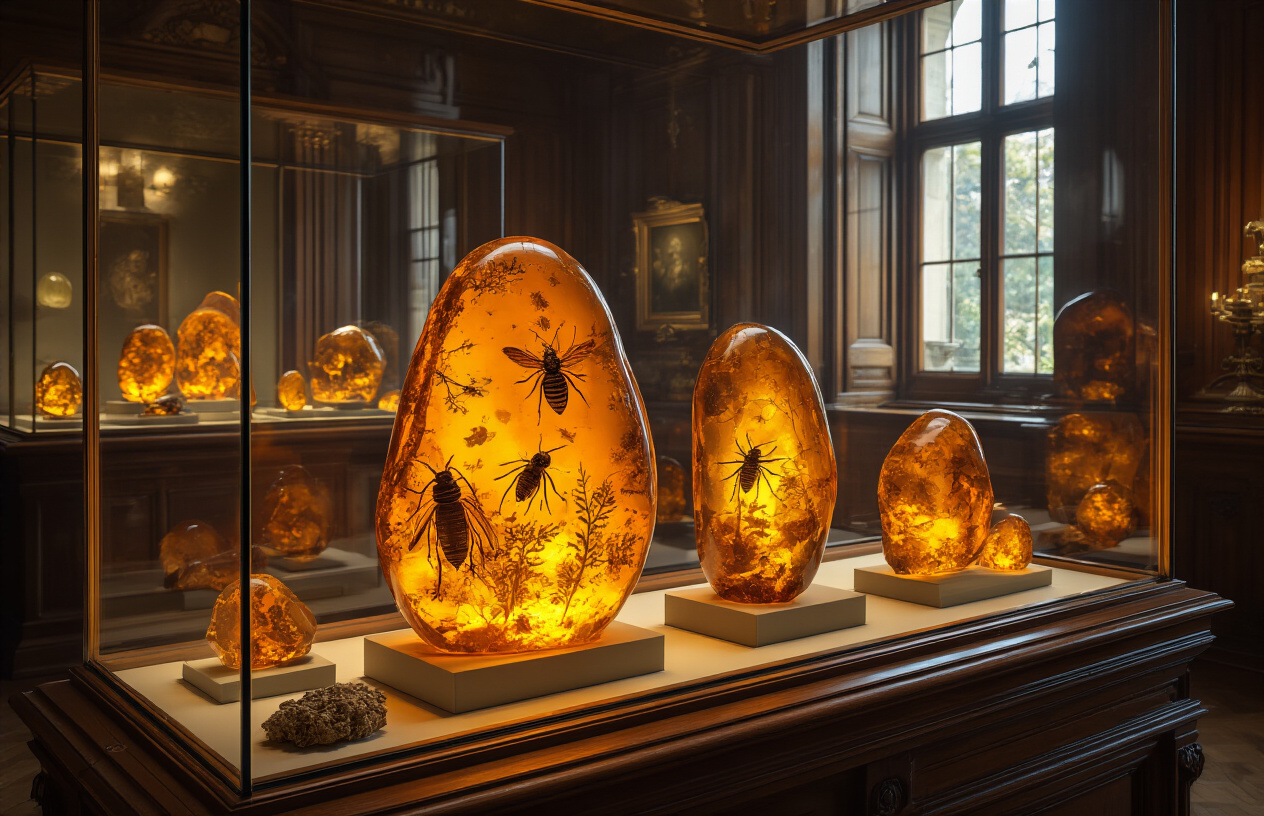
Most people associate Baltic amber with jewelry stalls and trinkets. The Palanga Amber Museum completely flips that assumption. Housed inside a gorgeous 19th-century manor, it holds over 28,000 amber specimens — one of the largest collections in the world. Walking through, you stop thinking about necklaces and start thinking about time itself.
Rare Specimens That Rewrite Your Understanding of Natural History
The museum's crown jewels are its inclusions — prehistoric insects, plant fragments, and tiny creatures preserved inside amber for 40–50 million years. Some specimens contain multiple organisms frozen mid-interaction, offering a snapshot of ancient ecosystems that no textbook can replicate.
| Specimen Type | Why It Matters |
|---|---|
| Insect inclusions | Preserve species extinct for millions of years |
| Plant matter | Shows prehistoric Baltic forest composition |
| Air bubbles | Contain ancient atmosphere samples |
The Hidden Garden Surrounding the Museum Worth Every Minute
The manor sits inside Birute Park, a sprawling coastal garden most visitors rush through. Slow down. Winding paths lead to quiet corners shaded by century-old trees, and the nearby hill holds a chapel tied to ancient pagan tradition. It's peaceful, unhurried, and genuinely one of Lithuania's most underrated open-air spaces.
Saaremaa Island, Estonia: Remote Island Life With Remarkable Rewards
A Unique Meteor Crater That Shocks Every First-Time Visitor
Kaali Crater is genuinely jaw-dropping — a lake sitting inside a meteor impact site roughly 4,000 years old. The crater is surprisingly accessible, surrounded by a small fence with informational signs, and completely free to visit. Standing at the rim, knowing something fell from space here, hits differently than reading about it.
B. Traditional Windmills and Authentic Rural Villages to Discover
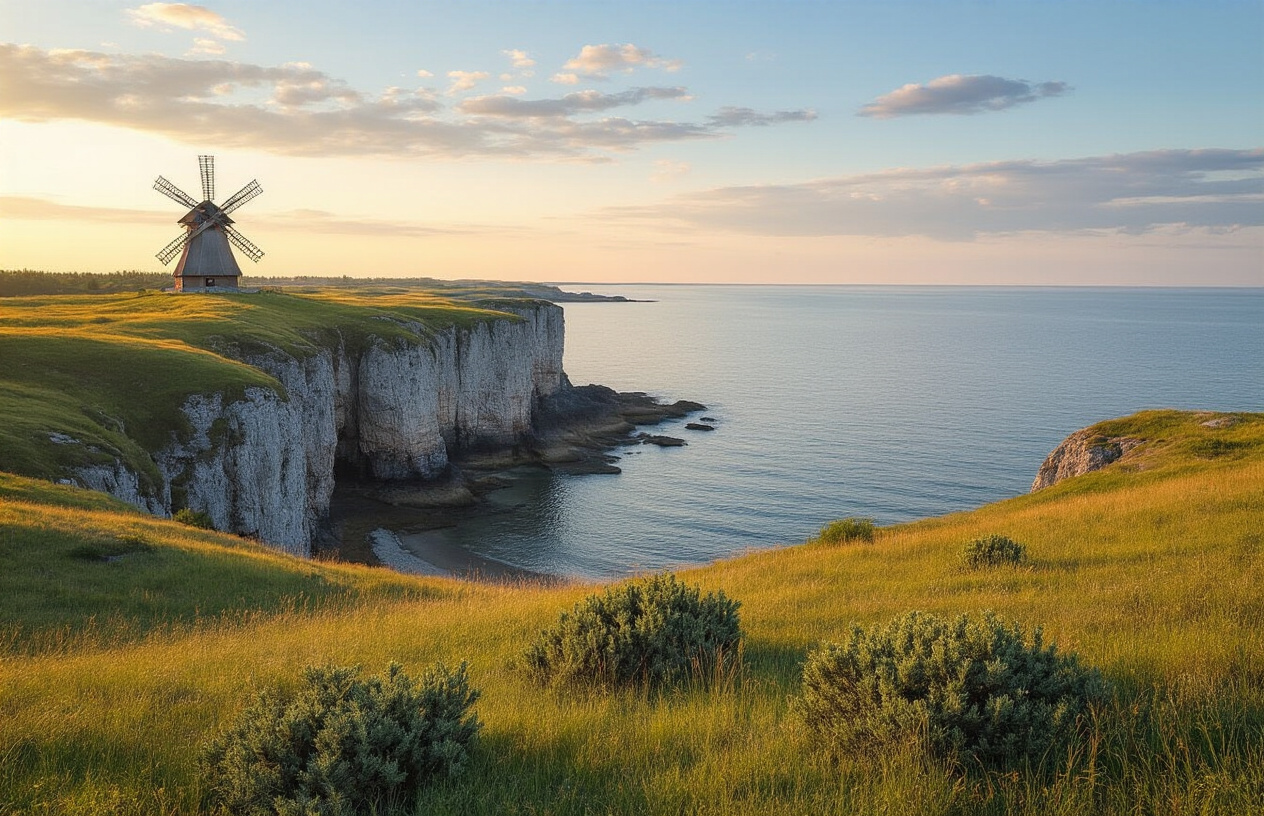
Angla Windmill Hill hosts five preserved wooden windmills clustered together on an open field — one of the best-preserved windmill groups in the Baltics. Nearby villages like Karja feel genuinely untouched, with medieval stone churches dating back to the 14th century tucked between farmsteads.
C. Untouched Beaches Locals Keep Secret From Mainland Crowds
Saaremaa Island Estonia's coastline stretches for hundreds of kilometers, and beaches like Järve and Mändjala rarely see crowds even in peak summer. The water stays cool but clean, the shoreline is pine-fringed, and you can walk for thirty minutes without seeing another soul.
D. Ferry Access Tips That Save Time and Money
| Route | Operator | Duration | Tip |
|---|---|---|---|
| Virtsu → Kuivastu | Praamid | ~25 min | Book online in advance |
| Best travel time | Early morning | Avoid queues | Weekday crossings move faster |
Booking ferry tickets through the Praamid website at least a day ahead saves you sitting in car queues for hours.
Rundale Palace, Latvia: A Baroque Masterpiece Lost in the Countryside
Architectural Wonders Inside That Rival Versailles
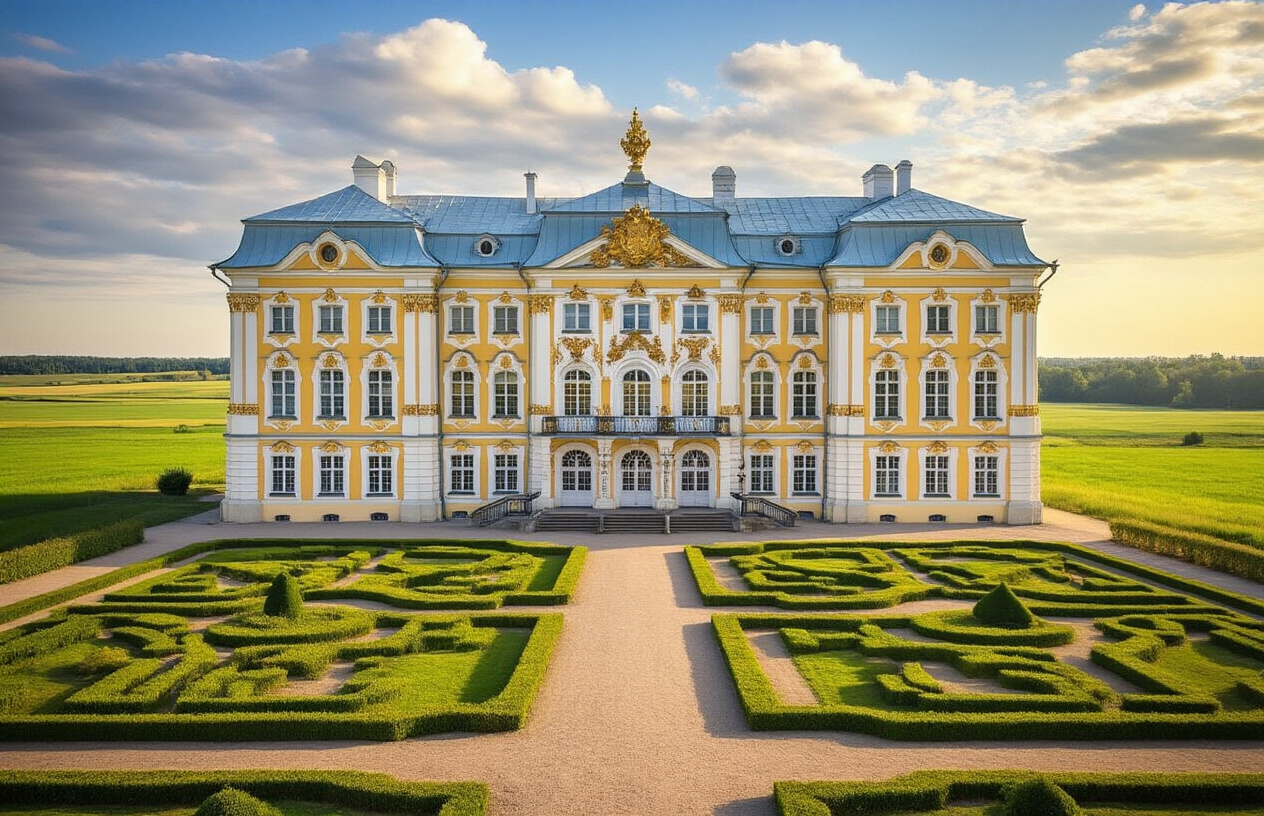
Rundale Palace is one of those Rundale Palace Latvia secrets that stops visitors dead in their tracks. Designed by Bartolomeo Rastrelli — the same architect behind St. Petersburg's Winter Palace — this 18th-century masterpiece packs 138 rooms of jaw-dropping Baroque and Rococo interiors. The Gold Hall and White Hall alone are worth the trip, dripping with ornate stucco work and painted ceilings that genuinely hold their own against Versailles.
The Restored French Garden That Blooms With Hidden Beauty
The palace gardens stretch across 10 hectares of precisely sculpted hedgerows, rose beds, and geometric parterres. Summer visits reveal thousands of roses in bloom, creating a scene that feels almost unreal for such a remote location. Walk slowly — every corner hides a new sculptural detail or framed garden view.
Nearby Villages That Complete a Truly Off-the-Beaten-Path Day
Pair Rundale with a short drive to Bauska, a small town with a ruined medieval castle sitting at the junction of two rivers. Grab lunch at a local café, wander the old town, and head back through the rolling Latvian countryside. This entire loop feels like a genuine off the beaten path Baltic states experience most tourists completely miss.
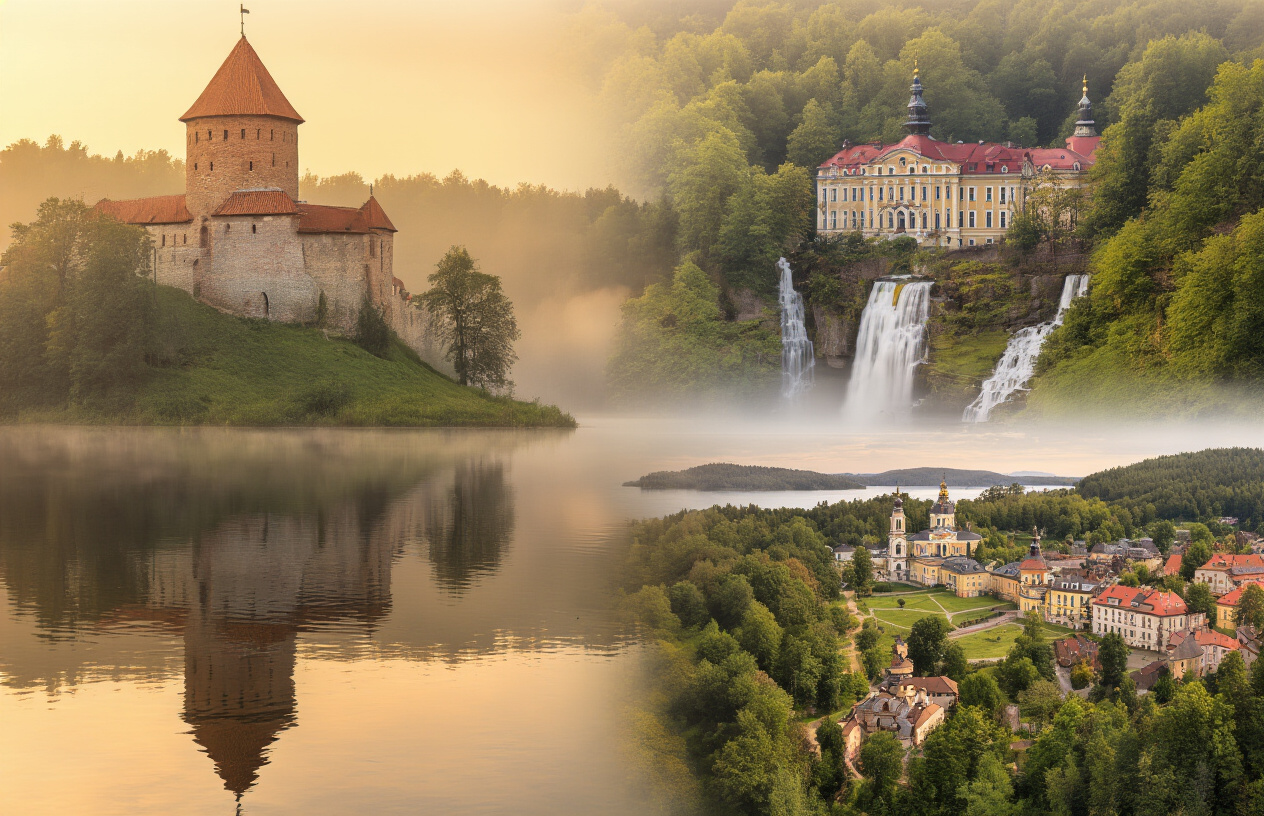
The Baltic states are quietly sitting on some of Europe's most underrated travel experiences, and most visitors never scratch beyond the surface of Tallinn, Riga, or Vilnius. From the fairy-tale charm of Trakai Island Castle to the jaw-dropping baroque grandeur of Rundale Palace, these seven spots prove that the best discoveries are almost always the ones you have to seek out yourself. Throw in the raw beauty of Lahemaa National Park, the amber-filled halls of Palanga, and the wild remoteness of Saaremaa Island, and you've got a travel itinerary that most people will never experience.
So next time you're planning a European trip, skip the overhyped hotspots and head to where the crowds aren't. The Baltic region rewards curious travelers with authentic experiences, breathtaking scenery, and stories worth telling. Pack your bags, do a little extra research, and get ready to fall in love with the side of Europe that most tourists completely miss.
Post a Comment