
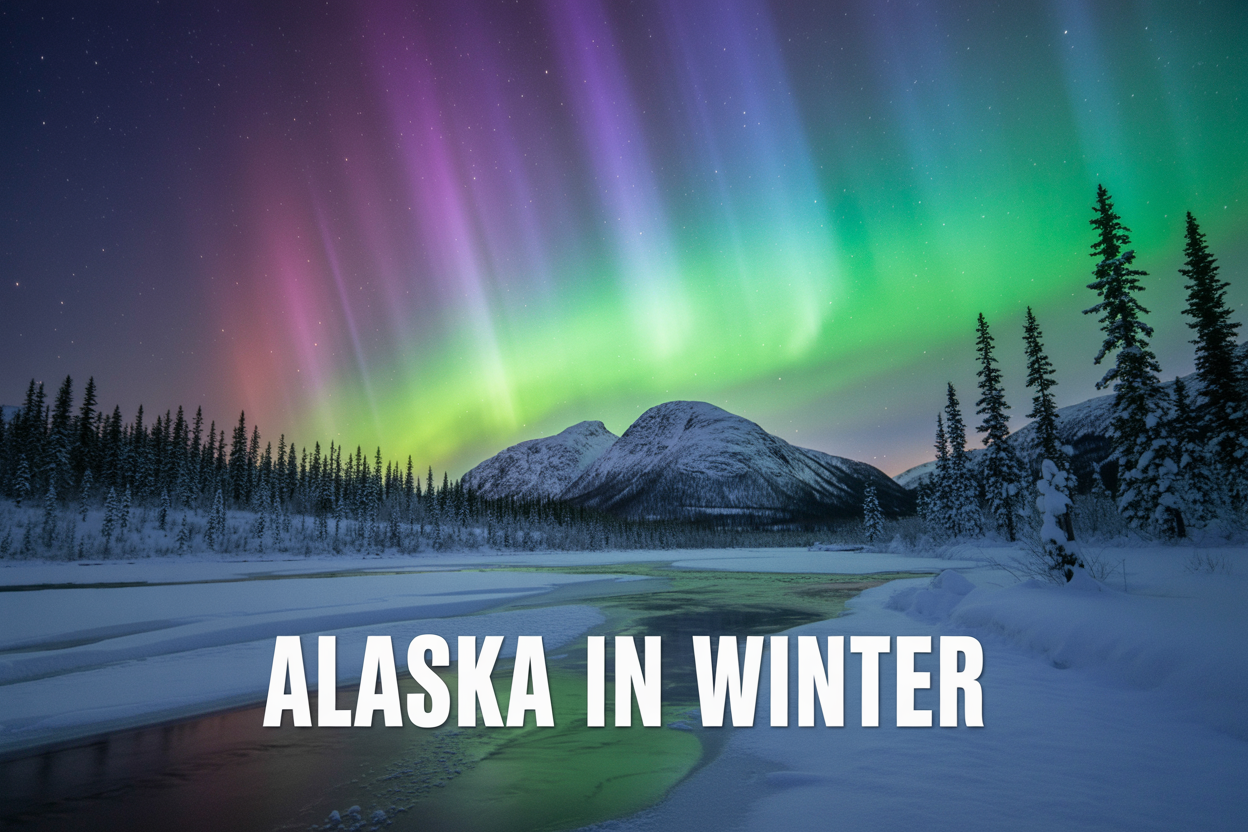
Why Alaska in Winter Beats Summer (Unpopular Opinion)
Most people cross Alaska off their travel list the moment temperatures drop. That's actually great news for anyone willing to show up anyway.
This guide is for travelers who want the real Alaska — not the cruise-ship version crowded with 10,000 other tourists taking the same glacier photo. If you've been debating the best time to visit Alaska or wondering whether Alaska winter travel is even worth the hassle, you're in the right place.
Here's what we're covering:
-
Why the Alaska northern lights alone make winter worth the flight — and why you'll never see them in summer
-
How Alaska winter wildlife encounters actually beat summer sightings in ways most travel blogs won't tell you
-
Why affordable Alaska trips are almost exclusively a winter thing — smaller crowds, lower prices, and locals who actually have time to talk to you
Summer gets all the attention. Winter gets all the magic. By the end of this, you might just be booking a January flight.
The Real Alaska Comes Alive in Winter
Experience the Authentic Culture Away From Tourist Crowds
Alaska winter travel strips everything back to what's real. The cruise ship crowds vanish, gift shops close, and what's left are actual Alaskans living their actual lives. You can walk into a Fairbanks diner, sit next to a musher planning their Iditarod route, and have a real conversation. That kind of access simply doesn't exist in summer.
Witness Landscapes That Summer Visitors Never See
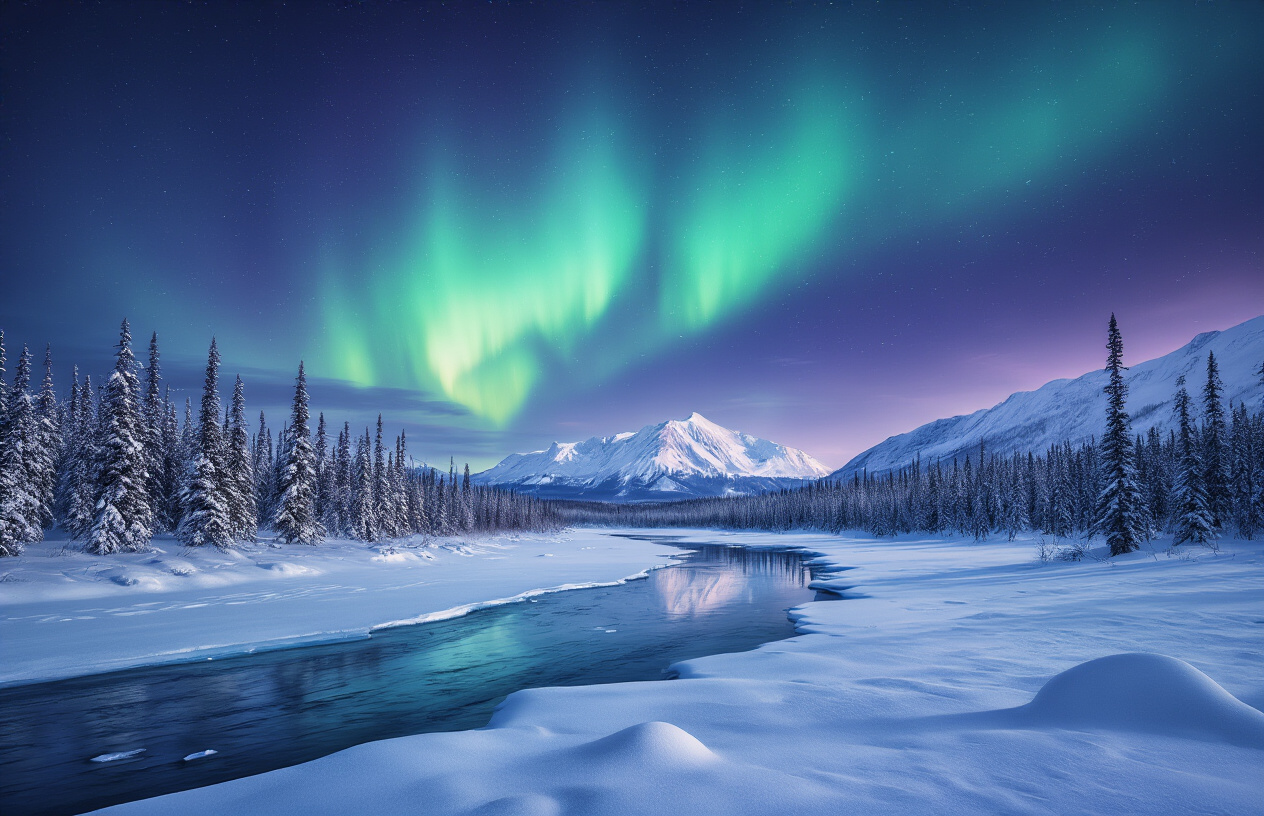
Snow transforms Alaska into something completely different — and honestly, something more dramatic. Frozen rivers become highways. Spruce trees wear heavy white coats. The Matanuska Glacier looks entirely different under a pale winter sky than it does crowded with July tourists. Visiting Alaska in winter means seeing landscapes that most people only ever photograph from calendars.
Discover a Side of Alaska That Locals Actually Love
Ask any longtime Alaskan which season they prefer and most will say winter without hesitating. Dog mushing, ice fishing, snowshoeing through silent boreal forest — these aren't tourist activities. They're how locals spend their weekends. The best time to visit Alaska, if you want something genuine, is when the people who live there are actually enjoying it themselves. Winter hands you that experience freely.
Northern Lights Make Winter the Undisputed Visual Winner
Why Darkness Is Your Greatest Asset in Alaska
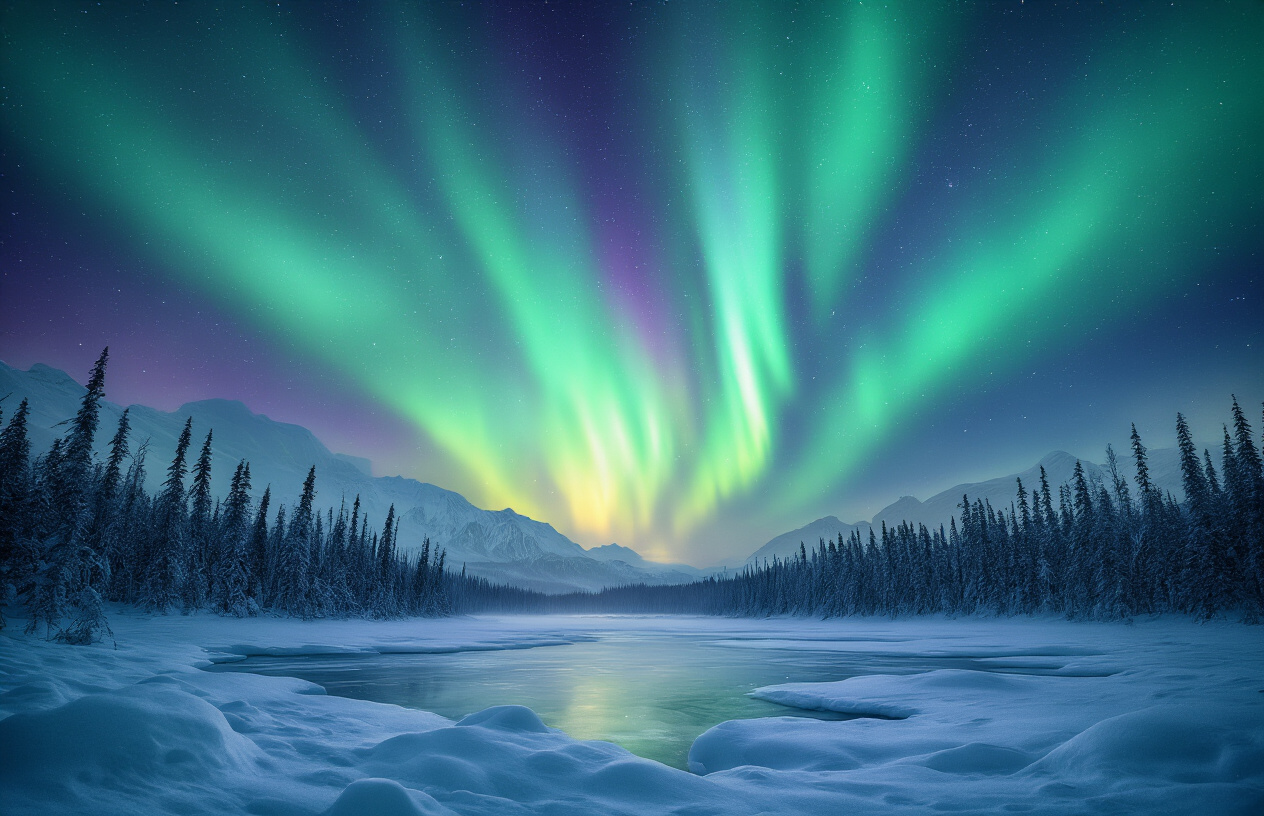
Summer's midnight sun is beautiful — until you realize it completely kills your chances of seeing the aurora. Winter darkness isn't a drawback; it's the entire point. With up to 20 hours of night in places like Fairbanks, you get extended windows to catch the northern lights dancing overhead.
Best Regions and Months for Peak Aurora Activity
| Location | Peak Months | Advantage |
|---|---|---|
| Fairbanks | September–March | Clear skies, minimal light pollution |
| Denali Region | October–February | Mountain backdrop |
| Anchorage | November–February | Easy access, urban base |
For Alaska aurora borealis viewing, Fairbanks consistently delivers the best results, sitting directly under the auroral oval.
How to Maximize Your Chances of a Spectacular Sighting
-
Check the Kp-index forecast (aim for Kp 3 or higher)
-
Stay at least 3–4 nights to work around cloud cover
-
Get away from city lights — even 20 minutes outside Fairbanks makes a huge difference
-
Apps like Space Weather Live send real-time alerts
Pair Aurora Viewing With Other Unique Winter Experiences
Alaska winter travel becomes genuinely magical when you combine aurora nights with dog mushing, ice fishing, or soaking in remote hot springs under a star-filled sky.
Wildlife Encounters Are More Rewarding in Winter
Track Wolves and Lynx Across Fresh Snow
Fresh snow is basically nature's tracking sheet. Alaska winter wildlife viewing hits differently when you can follow wolf prints weaving between spruce trees or spot the wide, padded tracks of a lynx cutting across an open meadow. Denali and the Kenai Peninsula offer real chances to see these predators actively hunting — something thick summer vegetation makes nearly impossible.
Watch Bald Eagles Gather Along Unfrozen Rivers
When lakes freeze over, bald eagles concentrate along stretches of open river where fish remain accessible. The Chilkat Bald Eagle Preserve near Haines sees hundreds of eagles gathering from November through January — one of the largest congregations on the planet. You won't find that kind of spectacle in summer when eagles disperse widely.
Spot Moose in Open Terrain Without Dense Summer Foliage
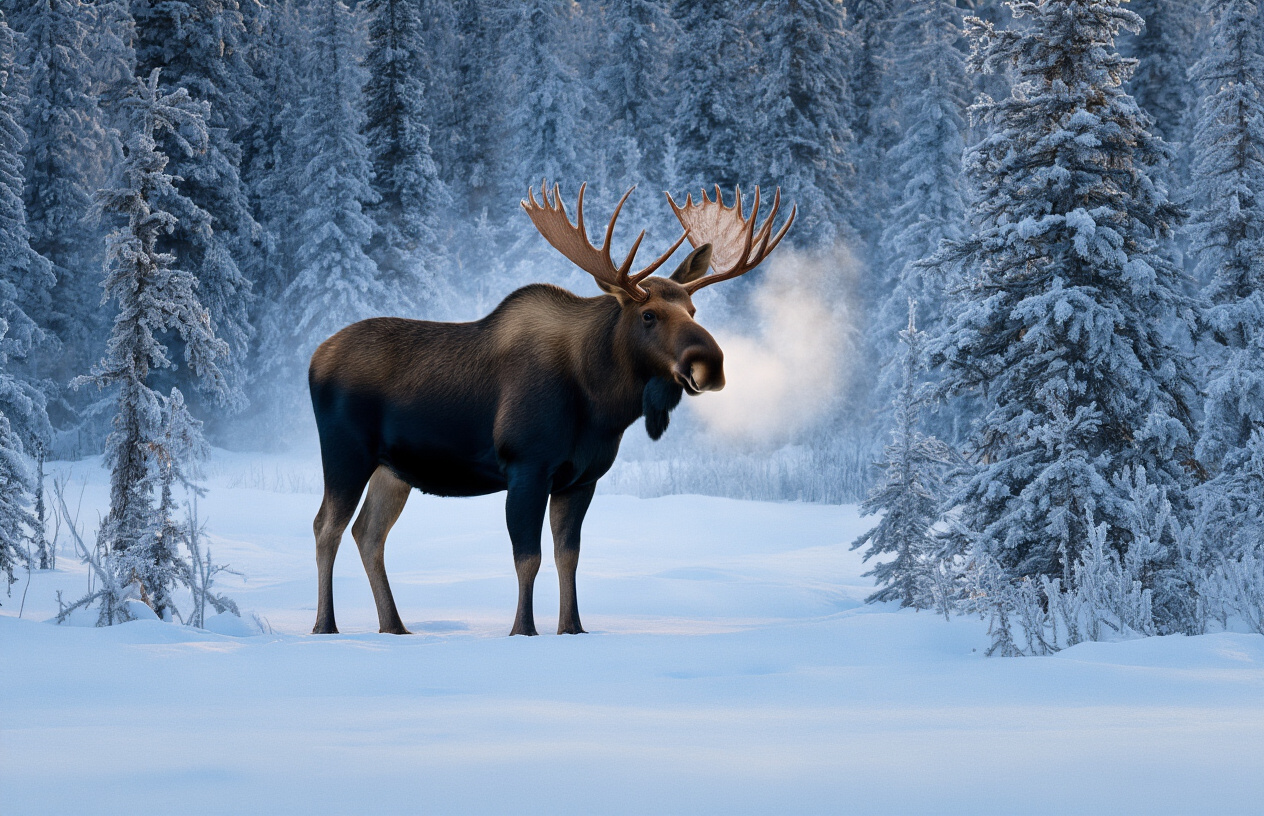
Summer's lush vegetation is great for moose — and terrible for spotting them. Winter strips the landscape bare, pushing moose into valleys and roadsides where they're easy to observe. You'll often see bulls, cows, and calves feeding on willow shrubs just off the highway. Alaska winter wildlife encounters like these feel genuinely unhurried, with smaller crowds and no scramble for a clear sightline.
Winter Activities Outshine Everything Summer Offers
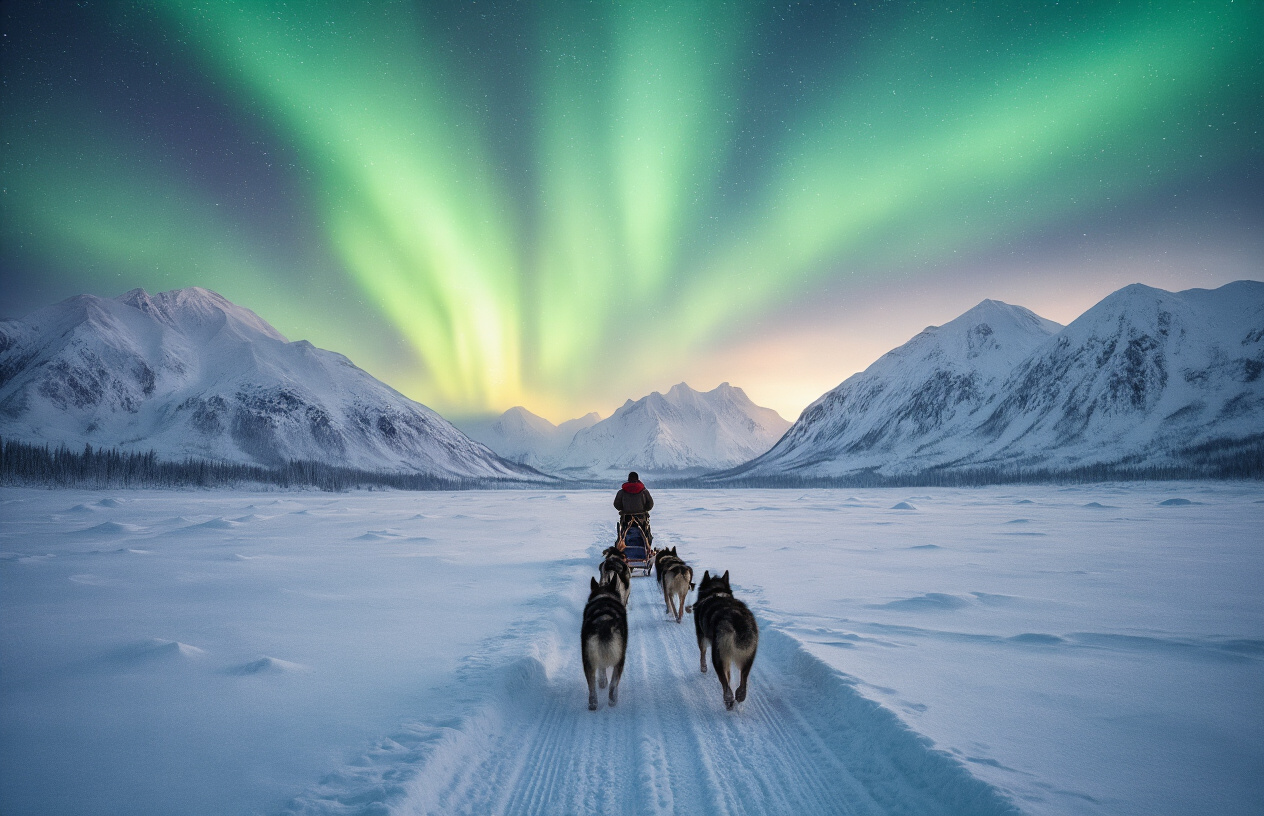
Dog Sledding Gives You an Unmatched Adrenaline Rush
Gripping a sled while a team of huskies tears across a frozen trail is something no summer activity comes close to matching. You feel every ridge and dip in the trail, the dogs working in perfect sync. It's raw, fast, and completely unforgettable.
Ice Fishing Connects You to Alaska's True Wilderness
Drilling through a foot of ice and dropping a line into crystal-clear water below puts you in direct contact with Alaska's wild side. The silence alone is worth the trip.
Snowshoeing and Skiing Through Pristine Backcountry Trails
Alaska winter activities like snowshoeing open up terrain that's simply unreachable in summer. Thick undergrowth and boggy ground disappear under snow, giving you clean, open paths through old-growth forests.
Snowmobile Across Vast Frozen Landscapes Inaccessible in Summer
Rivers freeze solid, turning into natural highways that lead deep into the backcountry. Entire regions become accessible only when temperatures drop — a genuine Alaska winter travel exclusive.
Soak in Hot Springs Surrounded by Snow and Silence
Chena Hot Springs near Fairbanks hits differently at -20°F. Steam rises around you, snow blankets the trees, and the contrast between scalding water and freezing air makes the experience genuinely surreal.
Save More Money and Enjoy Better Service in Winter
Significantly Lower Prices on Flights and Accommodations
Affordable Alaska trips are hiding in plain sight — winter is peak savings season. Flights from major U.S. cities can drop 40–60% compared to July rates, and lodges that charge premium summer prices often run winter specials with free upgrades or extra nights included.
| Cost Category | Summer Average | Winter Average |
|---|---|---|
| Round-trip flights | $650–$900 | $300–$500 |
| Mid-range hotel/night | $180–$280 | $90–$150 |
| Tour packages | $500–$1,200 | $250–$600 |
Personalized Attention From Tour Operators With Smaller Groups
Alaska off-season travel means your aurora borealis viewing tour isn't shared with 40 strangers. Winter groups are tiny — sometimes just 4–8 people — so guides actually have time to answer your questions, adjust the pace, and share insider knowledge they'd never get to in a packed summer shuttle.
Easier Access to Top Destinations Without Advance Booking Stress
Summer visitors book Denali lodges 12–18 months ahead. In winter, you can plan a trip six weeks out and still get your first choice of accommodation. Popular spots like Fairbanks and Talkeetna are genuinely accessible, and you'll spend zero time waiting in lines.
The Cold Is Far More Manageable Than You Think

Modern Cold Weather Gear Keeps You Comfortable at Any Temperature
Today's base layers, insulated mid-layers, and windproof shells are genuinely remarkable. Brands like Patagonia, Arc'teryx, and The North Face have cracked the code on keeping you warm without feeling like a stuffed sausage. Dress in layers, protect your extremities, and Alaska winter travel becomes surprisingly comfortable even at -20°F.
| Gear Layer | Purpose | Key Feature |
|---|---|---|
| Base layer | Moisture-wicking | Merino wool |
| Mid layer | Insulation | Down or fleece |
| Outer shell | Wind/snow block | Waterproof membrane |
Indoor Warming Culture Creates Cozy and Memorable Social Experiences
Alaskans have perfected the art of warming up. Expect wood-fired lodges, hearty stews, craft breweries, and locals who genuinely love sharing their world with curious visitors. These unscripted moments around a warm fire beat any crowded summer tour bus experience.
Proper Preparation Turns Harsh Conditions Into an Exciting Challenge
Visiting Alaska in winter shifts your mindset in the best way. When you research trail conditions, pack smart, and respect the cold, you stop fearing it and start feeling genuinely capable. That earned confidence? It's one of the best souvenirs you'll bring home.
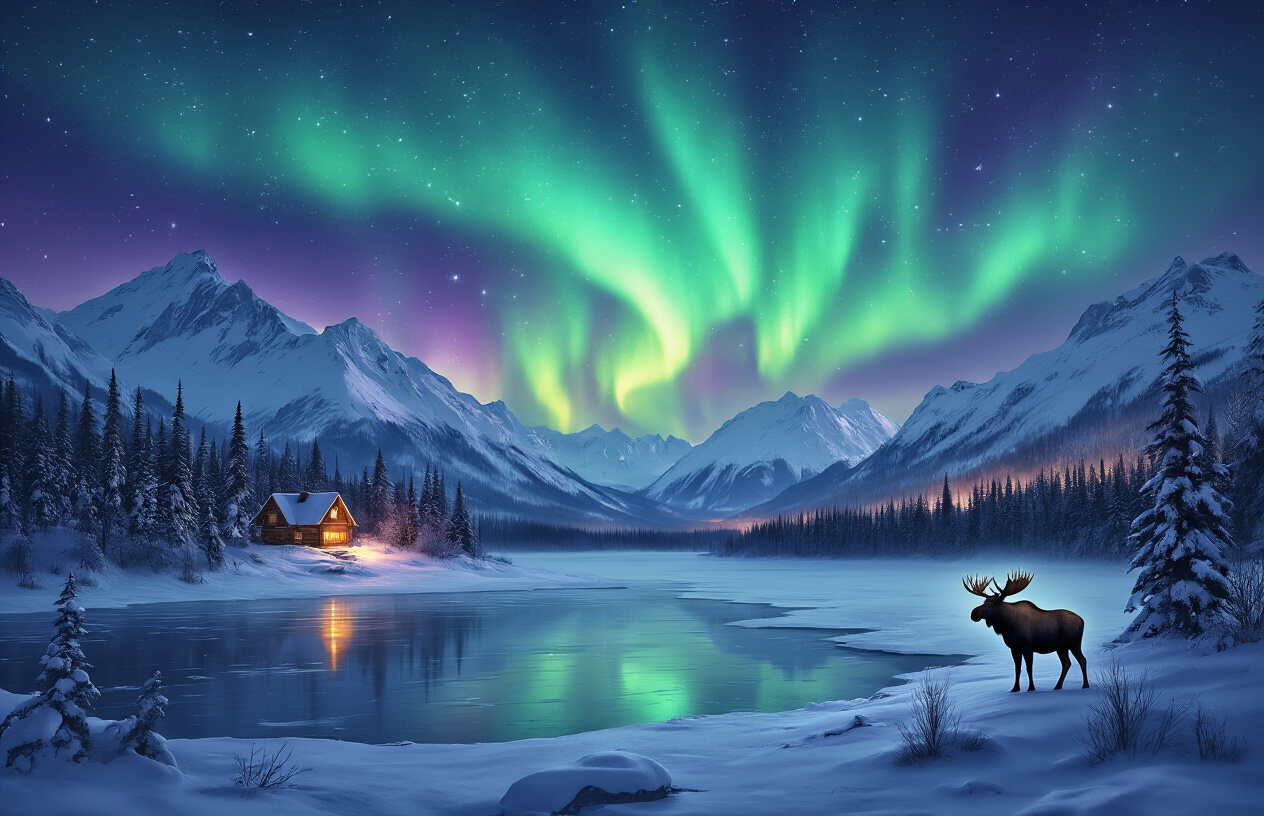
Alaska in winter is genuinely one of the most underrated travel experiences out there. From chasing the Northern Lights across a dark sky to spotting wildlife in their most natural, unfiltered state, winter hands you a version of Alaska that summer simply can't compete with. Add in the quieter crowds, lower prices, friendlier service, and activities that actually get your heart pumping, and the case for visiting in the colder months pretty much makes itself.
The cold? It's really not the deal-breaker most people make it out to be. Layer up, embrace the chill, and you'll find yourself wondering why you ever considered waiting until July. So if Alaska has been on your bucket list, stop pushing it to "someday in summer" and start planning your winter trip. You might just come back telling everyone it was the best travel decision you ever made.
Post a Comment