
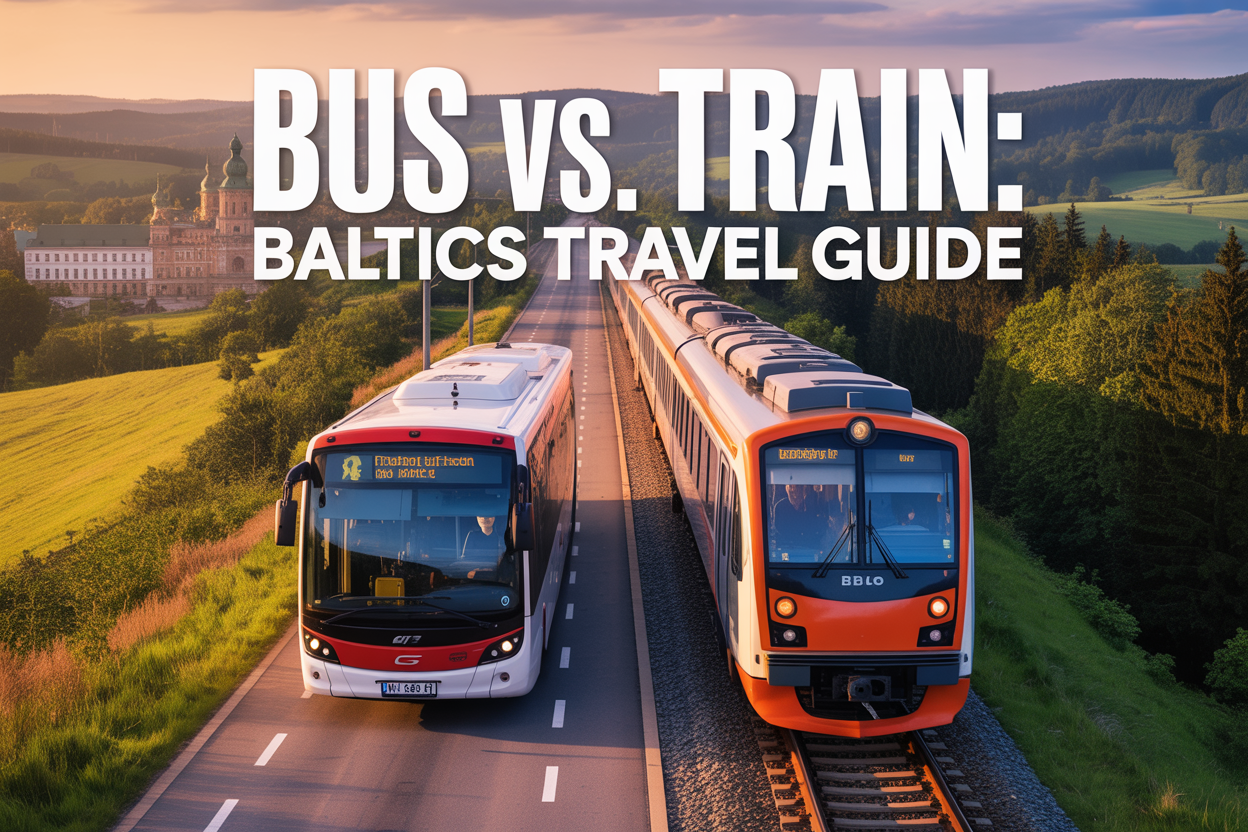
Bus vs. Train in the Baltics: Here's What You Actually Need to Know
Planning a trip through Estonia, Latvia, and Lithuania? One of the first questions you'll hit is how to actually get between cities. Flights are rarely worth it for short hops, and renting a car adds up fast — so most travelers end up choosing between the bus and the train.
This Baltic travel guide is for budget-conscious travelers, backpackers, and first-timers who want to move between Tallinn, Riga, and Vilnius without overpaying or wasting hours figuring out confusing timetables.
Here's what we'll break down:
-
How Baltic bus routes and train routes actually work — including what's available, what's not, and why the rail network here looks nothing like Western Europe
-
A straight-up comparison of bus vs. train across cost, comfort, speed, and flexibility so you can make a smart call for your trip
-
Practical booking tips that save you money and spare you last-minute stress
Traveling the Baltics on a budget is genuinely doable — you just need to know which option makes sense for which route. Let's get into it.
Understanding the Baltic Travel Landscape
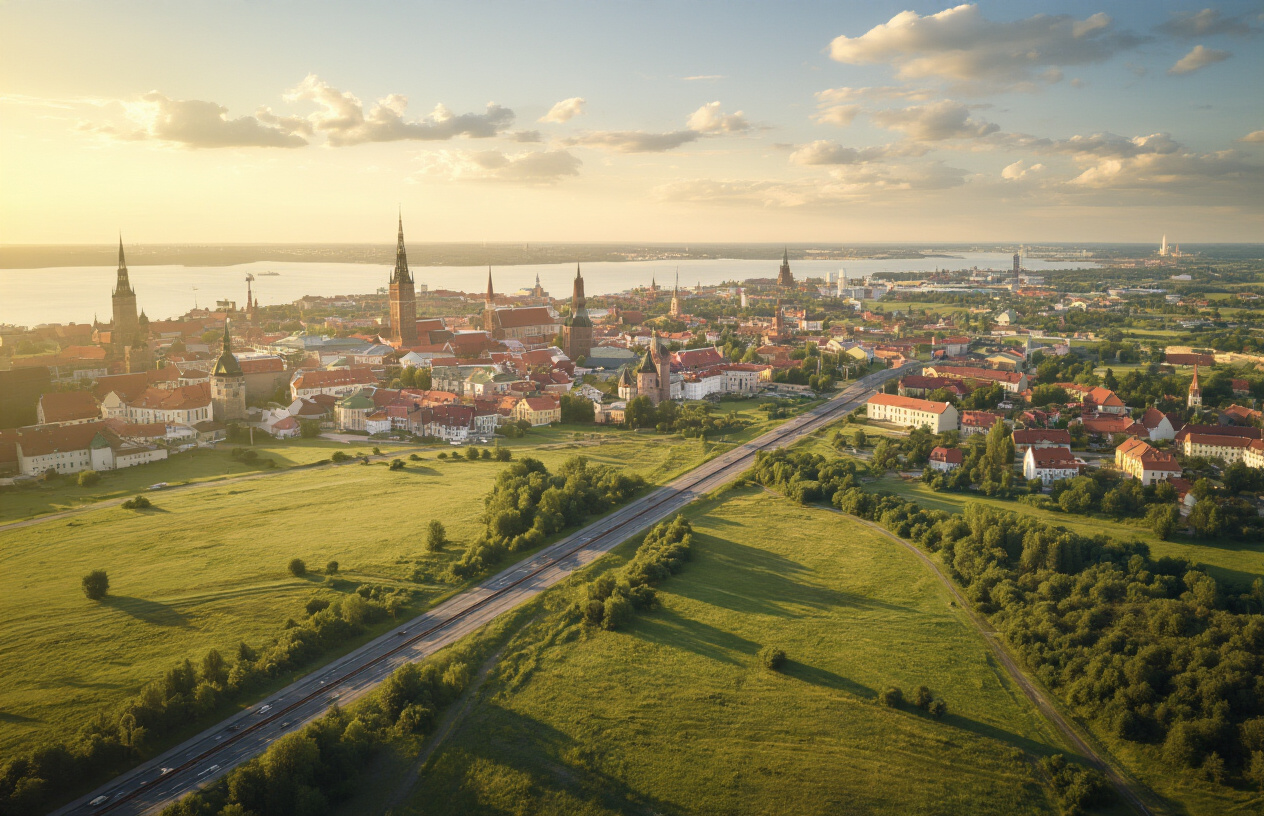
Why the Baltics Are Perfect for Multi-Country Travel
Estonia, Latvia, and Lithuania sit neatly packed together along the eastern Baltic Sea coast, making them one of Europe's most rewarding multi-country trips. The three capitals — Tallinn, Riga, and Vilnius — are each under 300km apart, so you can hop between them without burning days in transit. Each country has its own distinct character, food scene, and old town charm, yet they share a connected transport network that rewards travelers who plan ahead.
Key Routes Between Estonia, Latvia, and Lithuania
| Route | Approx. Distance | Popular Modes |
|---|---|---|
| Tallinn → Riga | ~310 km | Bus, limited train |
| Riga → Vilnius | ~300 km | Bus, occasional train |
| Tallinn → Vilnius | ~610 km | Bus (via Riga) |
These three corridors form the backbone of Baltic States transportation, and knowing them helps you map out a logical south-to-north or north-to-south itinerary.
Border Crossings and What to Expect
All three countries are in the Schengen Zone, so borders are open — no passport stamps, no queues, no customs checks for EU travelers. Non-EU visitors simply keep their passport handy. Crossings happen mid-journey without any stop, making traveling the Baltics feel seamless and stress-free.
Getting to Know Baltic Bus Travel
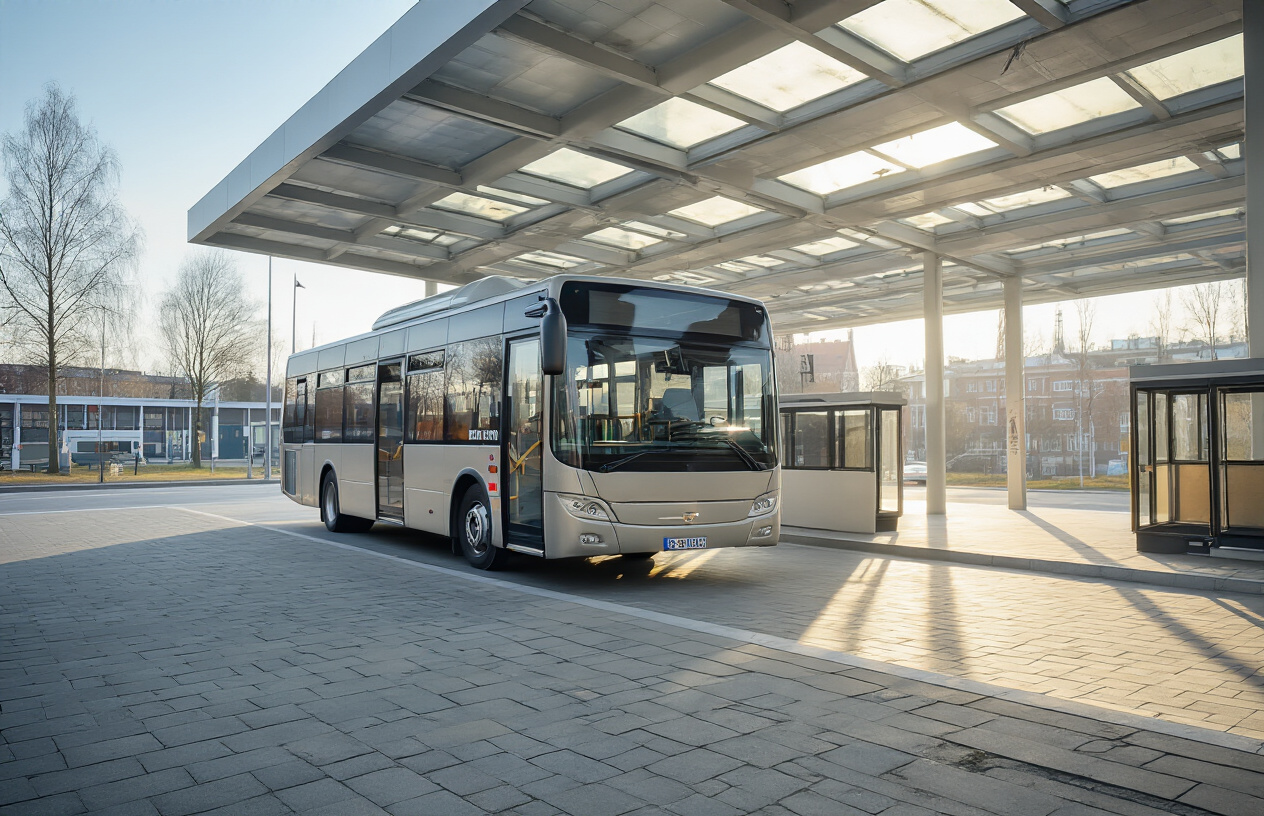
Top Bus Operators Connecting the Baltics
Three names dominate Baltic bus travel: Lux Express, FlixBus, and Ecolines. Lux Express is the standout choice, running frequent daily services between Tallinn, Riga, and Vilnius with a reputation for reliability. FlixBus covers major routes at rock-bottom prices, while Ecolines fills regional gaps nicely.
Routes and Schedules That Maximize Your Time
The core Baltic corridor — Tallinn–Riga–Vilnius — runs multiple times daily. Overnight coaches are a smart move, saving you a night's accommodation while you sleep through the journey.
| Route | Approx. Duration |
|---|---|
| Tallinn → Riga | 4.5 hrs |
| Riga → Vilnius | 4 hrs |
| Tallinn → Vilnius | 8–9 hrs |
Cost Breakdown for Budget-Conscious Travelers
Cheap travel in the Baltics is very doable by bus. Book ahead and you'll often snag tickets for €5–€15 between capitals. Last-minute prices climb, so early booking wins every time. FlixBus typically undercuts competitors on popular routes.
Comfort and Amenities on Long-Distance Buses
Lux Express coaches genuinely impress — think reclining seats, onboard Wi-Fi, USB charging ports, and even coffee machines on some routes. Standard FlixBus and Ecolines coaches are comfortable but simpler, covering the basics without frills.
Getting to Know Baltic Train Travel
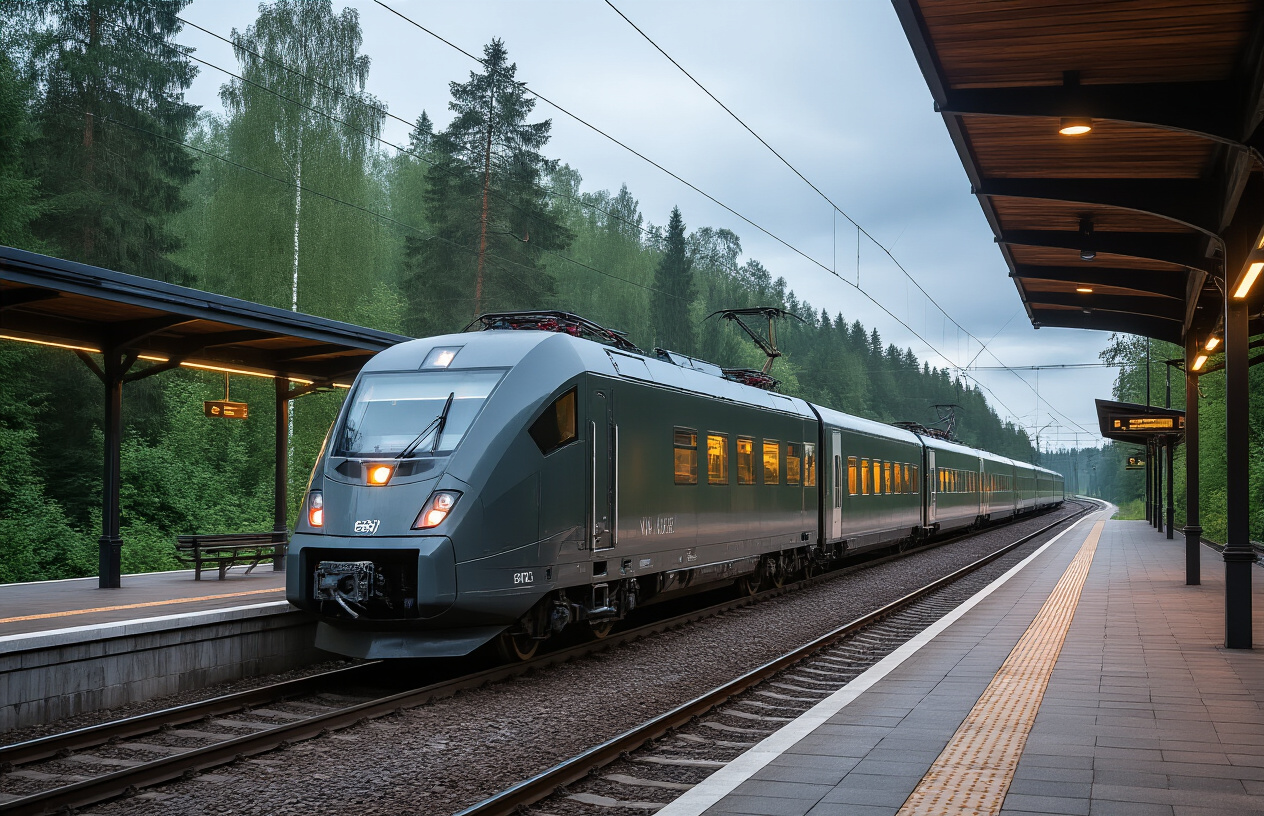
Current Rail Network and Its Limitations
Train travel across the Baltics looks great on a map but hits some real roadblocks in practice. There's no direct rail connection between Tallinn and Riga, making cross-country train trips genuinely tricky. Each country runs its own national rail system, and they don't talk to each other particularly well. Estonia's Elron network, Latvia's Pasažieru vilciens, and Lithuania's LTG Link each cover domestic routes reasonably well — but international connectivity is thin.
Most Scenic and Practical Train Routes
Despite the gaps, some routes are worth it purely for the view and comfort.
| Route | Journey Time | Best For |
|---|---|---|
| Vilnius → Riga | ~4 hours | Comfortable, scenic ride |
| Tallinn → Tartu | ~2.5 hours | Quick Estonian hop |
| Vilnius → Kaunas | ~1.5 hours | Budget city-pair |
| Riga → Sigulda | ~1 hour | Day trip through forests |
Ticket Pricing and Booking Tips
Train tickets in the Baltics are genuinely affordable — often cheaper than buses on domestic routes. Book directly through each country's national rail website. LTG Link (Lithuania) lets you book weeks ahead online, which helps lock in lower fares. Avoid buying tickets at the station if you can; online booking saves both time and money.
Bus vs. Train: Direct Comparison for Smarter Decisions
Speed and Journey Times Across Key Routes
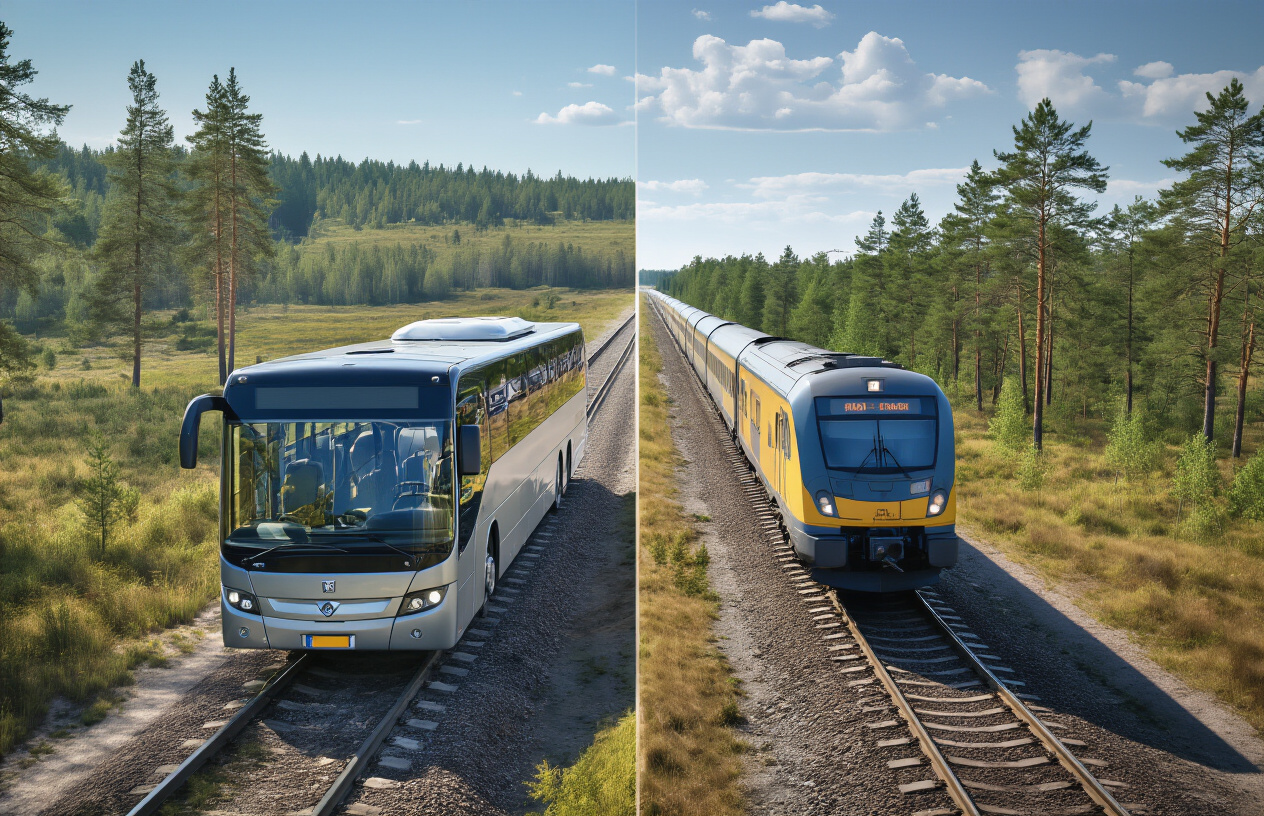
Buses generally win on direct city-center connections, while trains can be faster on specific corridors but often require transfers.
| Route | Bus Time | Train Time |
|---|---|---|
| Tallinn → Riga | ~4.5 hrs | No direct service |
| Riga → Vilnius | ~4 hrs | ~4.5 hrs |
| Vilnius → Kaunas | ~1.5 hrs | ~1.5 hrs |
Cost Efficiency for Different Travel Styles
Buses are almost always cheaper, especially when booked early through Lux Express or FlixBus. Train tickets in the Baltics rarely offer significant savings over buses.
Convenience of Stations and City Accessibility
Bus terminals in Riga, Tallinn, and Vilnius sit close to city centers and are well-connected to public transit. Train stations are equally central but serve fewer international routes.
Comfort, Reliability, and Onboard Experience
Premium Baltic bus operators offer Wi-Fi, power outlets, and reclining seats that rival budget flights. Trains are comfortable but older rolling stock on some routes can feel dated.
Flexibility for Last-Minute and Spontaneous Travelers
Buses depart more frequently throughout the day, making same-day booking realistic. Train schedules are thinner, particularly for cross-border routes, so spontaneous travelers will find buses far more forgiving.
Choosing the Right Option for Your Trip
Best Choice for Solo Travelers on a Budget
If you're traveling solo and watching every euro, buses are your best friend across the Baltics. Lux Express and FlixBus regularly offer tickets between Riga, Tallinn, and Vilnius for under €15 when booked ahead. Trains can't match that price-to-comfort ratio on most routes, and bus Wi-Fi is genuinely reliable for remote work on the go.
Ideal Options for Families and Group Travel
Families get more flexibility booking train compartments, especially on overnight routes where kids can sleep. Groups of four or more should compare total ticket costs across both options — trains sometimes offer group discounts that buses don't advertise.
| Traveler Type | Recommended Option | Key Reason |
|---|---|---|
| Solo budget traveler | Bus | Cheapest fares, frequent routes |
| Family with kids | Train | Space, comfort, sleeper options |
| Group of friends | Bus or Train | Compare group deals |
| Business traveler | Bus (Lux Express) | Wi-Fi, power outlets, café service |
When to Mix Both Modes for the Best Experience
The smartest Baltic travel guide tip? Mix both. Take the train from Vilnius to Riga for comfort, then hop a bus from Riga to Tallinn for savings. Combining modes lets you balance cost, convenience, and scenery without compromising the trip.
Essential Tips for Booking and Traveling Smoothly
Best Platforms and Apps for Booking Tickets
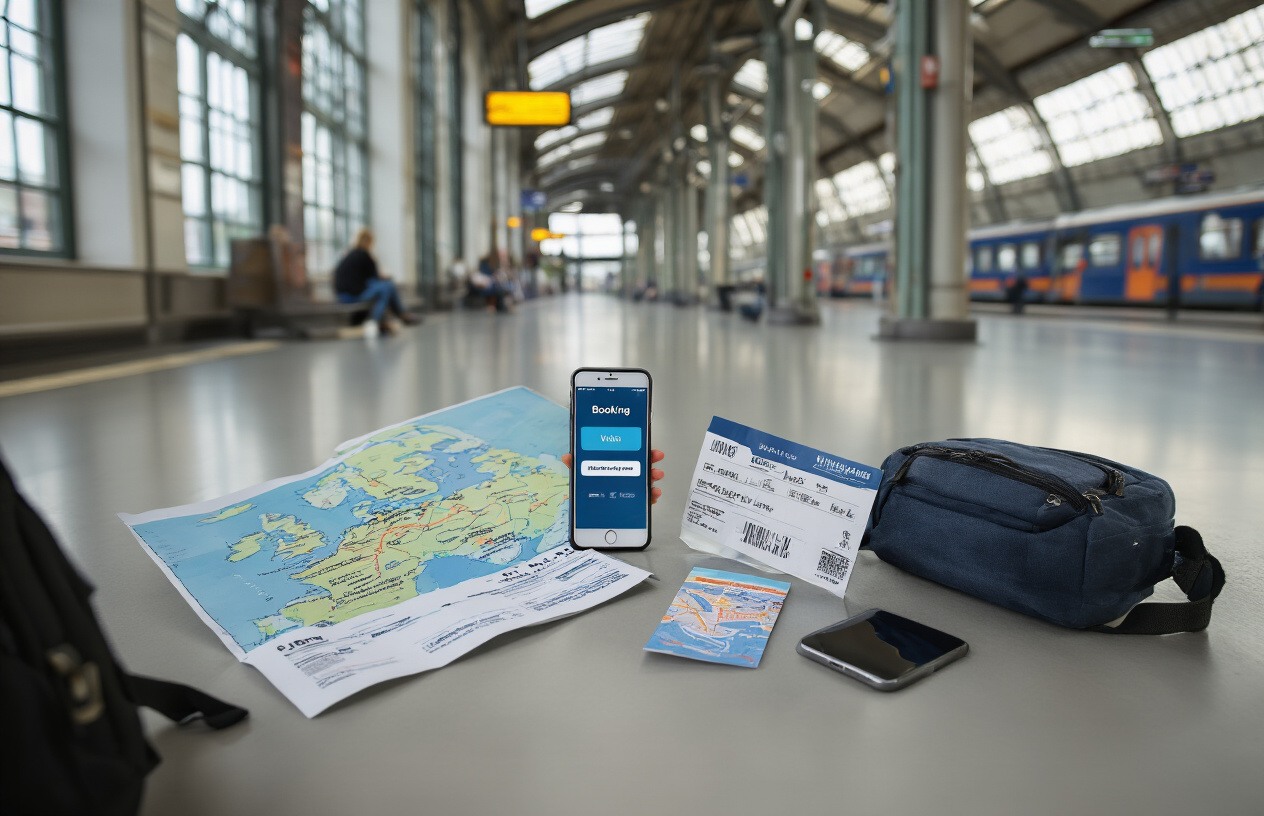
For bus travel across Riga, Tallinn, and Vilnius, Lux Express and FlixBus have solid apps with easy booking. Ecolines is another reliable option for cross-border routes. For trains, check Elron (Estonia), Lietuvos Geležinkeliai (Lithuania), and Pasažieru vilciens (Latvia) directly on their websites. Rome2rio works well for comparing all options in one place.
How Far in Advance to Book for Best Prices
Buses: booking 1–2 weeks ahead usually locks in the cheapest fares. Trains: grab tickets at least a week out, especially for Friday departures and summer travel. Last-minute bus tickets still exist but expect to pay more.
Luggage Rules and Storage Know-How
| Transport | Carry-On | Hold Luggage | Extra Fees |
|---|---|---|---|
| Bus | Small bag | 1 large bag | Rarely |
| Train | Flexible | Overhead rack | No |
Buses have under-carriage storage — just tag your bag. Trains have overhead racks and end-of-carriage spaces for bigger bags.
Staying Safe and Comfortable During Long Journeys
Bring a neck pillow, snacks, and a portable charger. Most long-distance buses have Wi-Fi and power outlets. Keep valuables close, especially at border crossings. Dress in layers — Baltic buses can get cold even in summer.
Traveling through Estonia, Latvia, and Lithuania doesn't have to be complicated. Buses tend to win on flexibility, coverage, and price, especially when you're hopping between smaller towns or crossing borders. Trains, on the other hand, offer a smoother, more relaxed ride and can be a great pick for certain routes. Knowing the strengths and trade-offs of each option puts you in a much better position to plan a trip that actually fits your pace and budget.
Before you book anything, check schedules early, compare journey times, and don't underestimate how much a good connection can shape your whole day. The Baltics are a fantastic region to explore, and getting around is honestly pretty straightforward once you know what to expect. Pick the option that works best for your route, grab your ticket, and enjoy the ride.
Post a Comment