
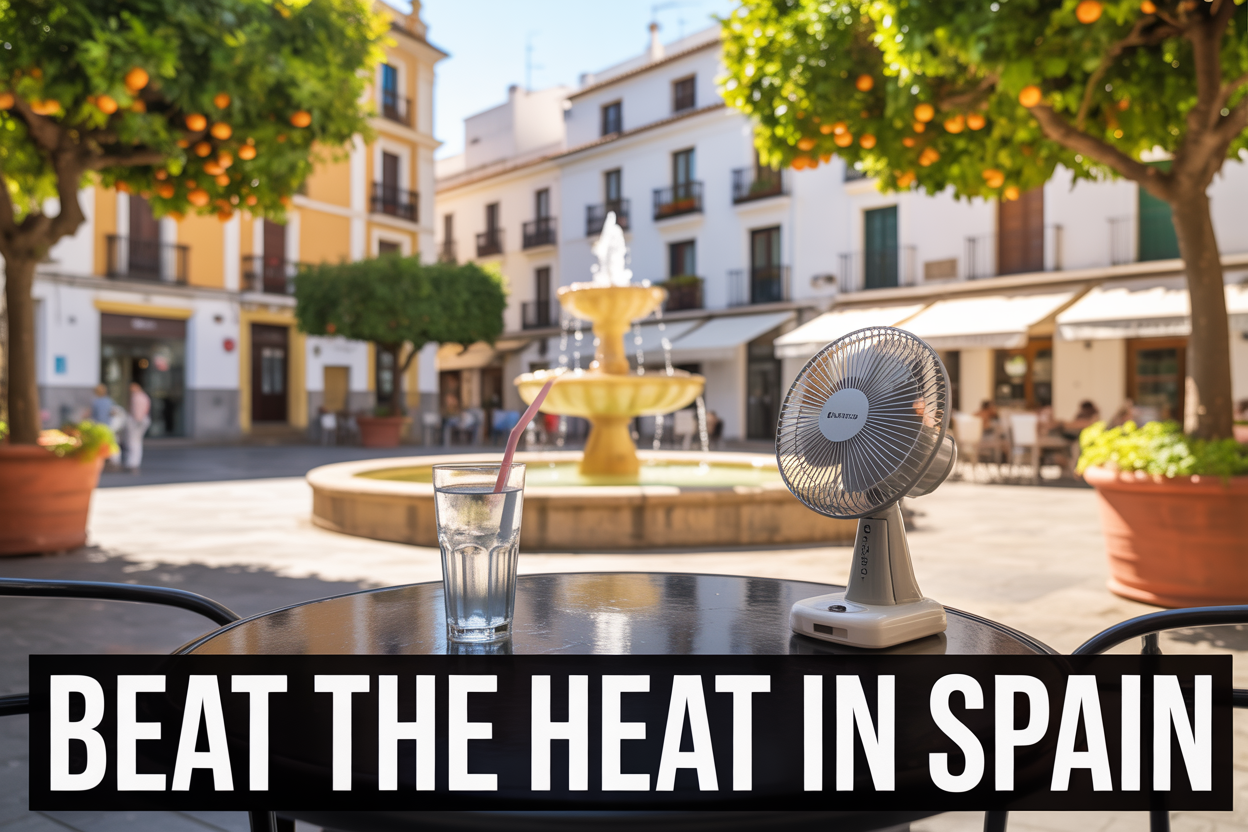
How to Beat the Heat in Spain During Summer
Spain in summer is stunning — and seriously hot. Temperatures in cities like Seville and Madrid regularly climb past 40°C (104°F), which can turn a dream holiday into an exhausting slog if you're not prepared.
This Spain summer travel guide is for anyone planning a trip between June and September — first-timers, repeat visitors, and families alike — who want to enjoy the country without spending every afternoon hiding in an air-conditioned room.
Here's what we'll cover: how to find the best places to visit in Spain summer that won't fry you alive, why leaning into Spanish siesta culture actually makes your days better, and the Spain summer packing list essentials that keep you cool and comfortable from the moment you land.
No fluff — just practical Spain summer heat tips that actually work.
Know When and Where the Heat Hits Hardest
Understanding Spain's Regional Climate Differences
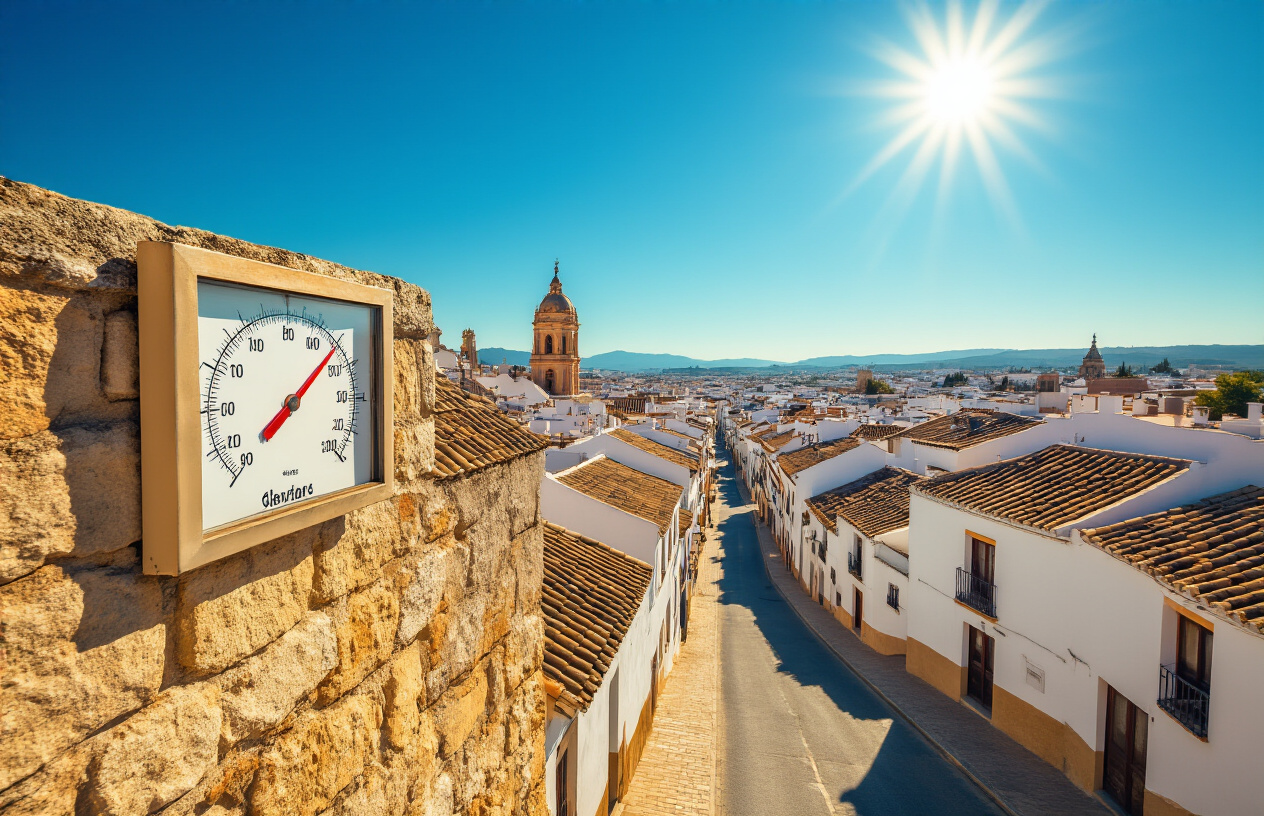
Spain isn't one-size-fits-all when it comes to summer heat. Andalusia (think Seville, Córdoba, Granada) is brutally hot and dry. The Mediterranean coast stays warm but sea breezes make it bearable. Northern regions like the Basque Country and Galicia stay relatively mild — perfect if you want a cooler summer escape.
| Region | Summer Vibe | Heat Level |
|---|---|---|
| Andalusia | Dry, scorching | 🔥🔥🔥🔥🔥 |
| Madrid | Hot, dry, inland | 🔥🔥🔥🔥 |
| Mediterranean Coast | Warm, humid | 🔥🔥🔥 |
| Northern Spain | Mild, green | 🔥🔥 |
Identifying the Hottest Months to Plan Around
July and August are peak heat months across Spain, with temperatures in Seville regularly hitting 40°C (104°F). June and September are noticeably cooler and far more comfortable for sightseeing. If your schedule is flexible, these shoulder months are gold for Spain summer travel.
Recognizing the Coolest Times of Day to Stay Active
Early mornings (before 10am) and evenings (after 7pm) are your best friends. Midday heat between 2pm and 5pm is genuinely punishing — this is when locals disappear indoors, and honestly, you should too.
Choose the Right Accommodation to Stay Cool
Opt for Hotels with Air Conditioning and Pools
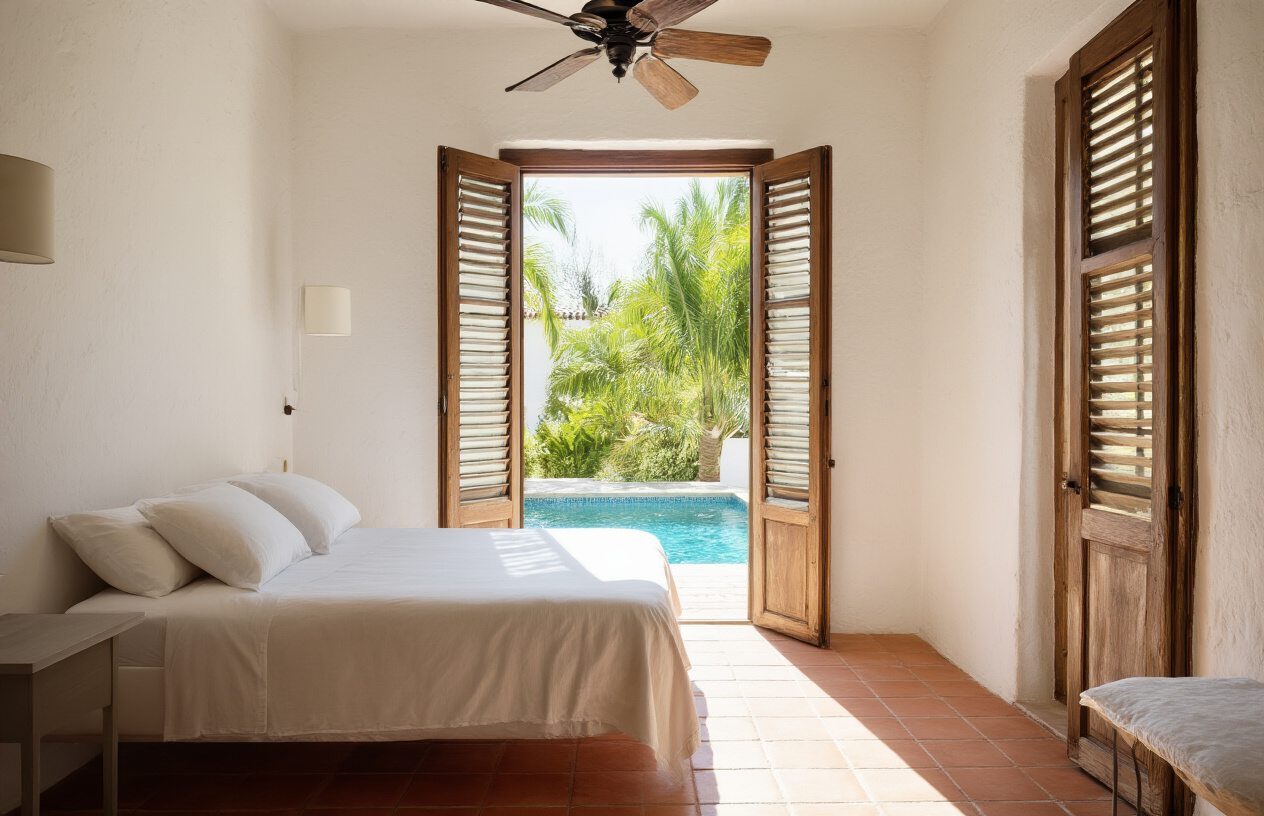
When booking Spain summer accommodation, don't just assume every hotel has AC — always confirm it explicitly. Rooftop pools are a genuine lifesaver in cities like Seville or Madrid, where afternoon temperatures regularly hit 40°C.
Benefit from Staying in Cave Houses or Thick-Walled Buildings
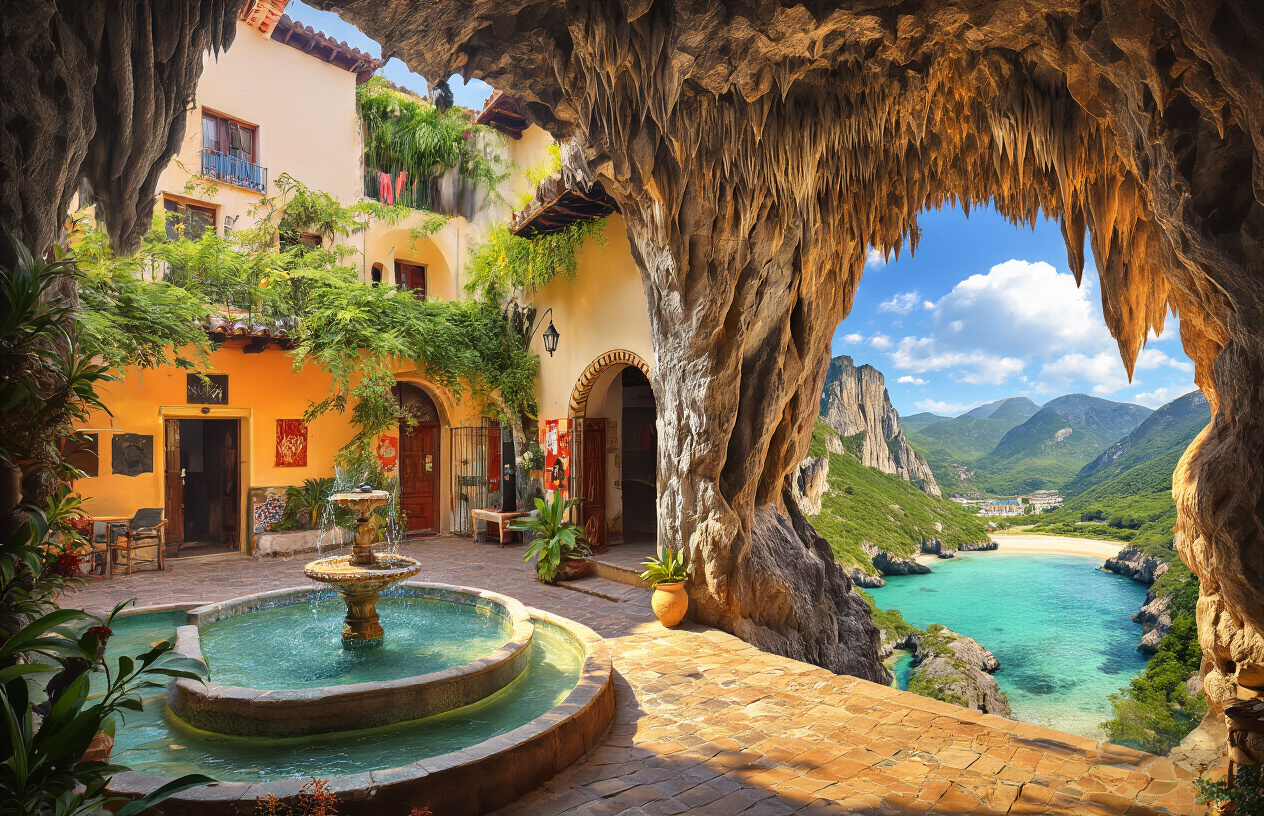
Granada's cave houses (cuevas) in the Sacromonte neighborhood stay naturally cool even on the hottest days. The earth surrounding them acts as insulation, keeping interiors around 18–20°C without any air conditioning. Traditional stone farmhouses (cortijos) work similarly — their thick walls absorb heat rather than letting it in.
Pick Coastal or Mountain Locations for Natural Ventilation
Coastal towns like Cadaqués or Tarifa benefit from consistent sea breezes that dramatically cut the perceived heat. Mountain villages in the Sierra Nevada or Pyrenees sit 10–15°C cooler than lowland cities — a genuine game-changer for staying cool in Spain without relying on electricity.
Save Money by Booking Shaded or North-Facing Rooms
| Room Type | Heat Exposure | Comfort Level |
|---|---|---|
| South-facing | High | Low |
| North-facing | Minimal | High |
| Shaded courtyard | Low | High |
Ask specifically for interior courtyard or north-facing rooms — they're often cheaper and significantly cooler.
Dress Smart to Beat the Spanish Summer Heat
Choose Lightweight and Breathable Fabrics
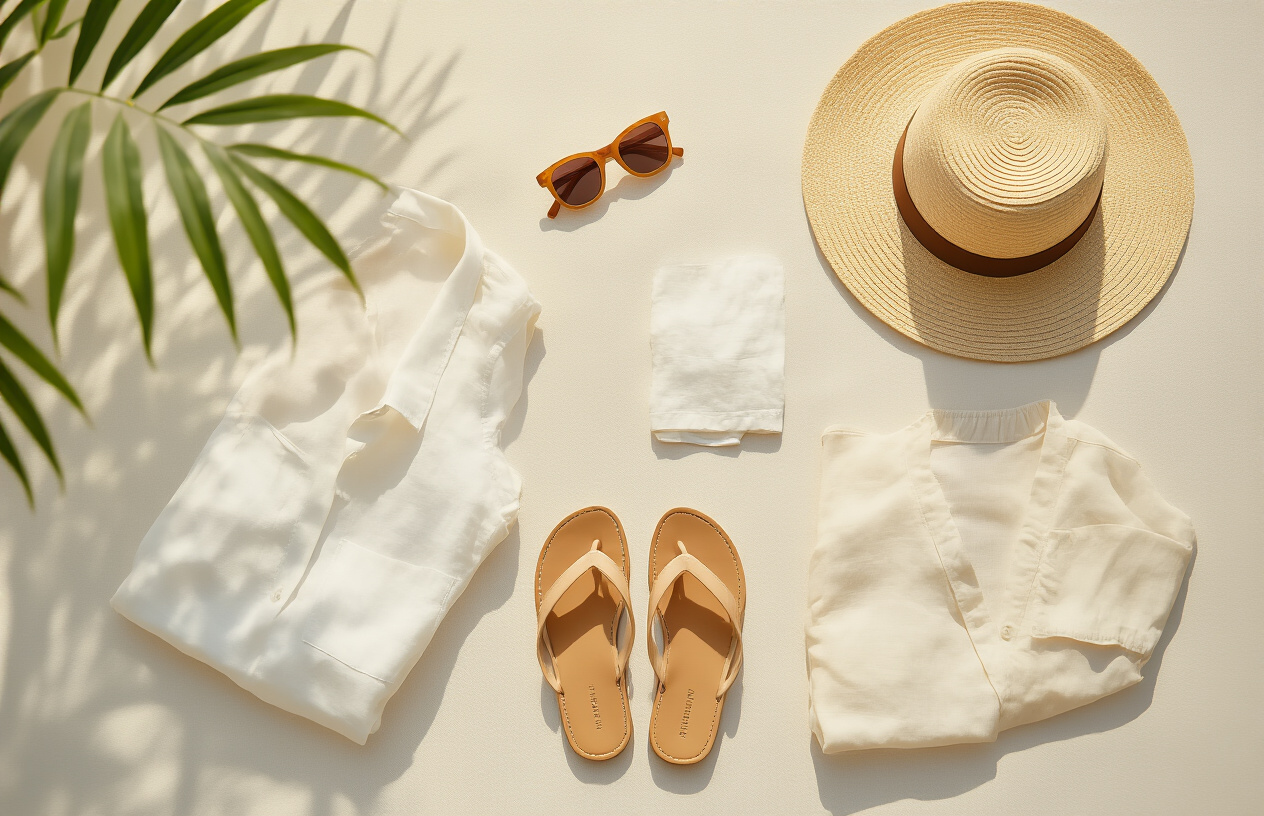
Your clothing choice can make or break your comfort during Spain's brutal summer heat. Stick to natural fabrics like linen, cotton, and chambray — they let your skin breathe and wick away moisture far better than synthetics. Loose-fitting styles work best, giving air space to circulate around your body. A flowy linen shirt or a relaxed cotton dress isn't just stylish; it's genuinely practical when temperatures push past 40°C.
Protect Yourself with Hats and UV-Blocking Sunglasses
A wide-brimmed hat is non-negotiable on your Spain summer packing list. It shields your face, neck, and shoulders from direct sun exposure — areas that burn fast and heat up quickly. Pair it with quality UV-blocking sunglasses rated UV400 or higher. Spain's sun is intense, especially between 11am and 5pm, and squinting through harsh glare drains your energy faster than you'd expect.
Avoid Dark Colors That Absorb Heat
Dark colors trap heat against your skin, making you feel significantly warmer. White, cream, pale blue, and soft pastels reflect sunlight instead of absorbing it. A simple color swap in your wardrobe can lower your personal comfort temperature by several degrees — a small change with a big payoff when you're out exploring.
Master the Spanish Daily Rhythm for Maximum Comfort
Embrace the Siesta to Escape Midday Heat
Spanish siesta culture isn't laziness — it's genius. Between 2 PM and 5 PM, temperatures peak and the sun is brutal. Head back to your accommodation, nap, read, or simply rest. Your body will thank you, and you'll have energy for the best part of the day.
Explore Cities in the Early Morning Before Temperatures Rise
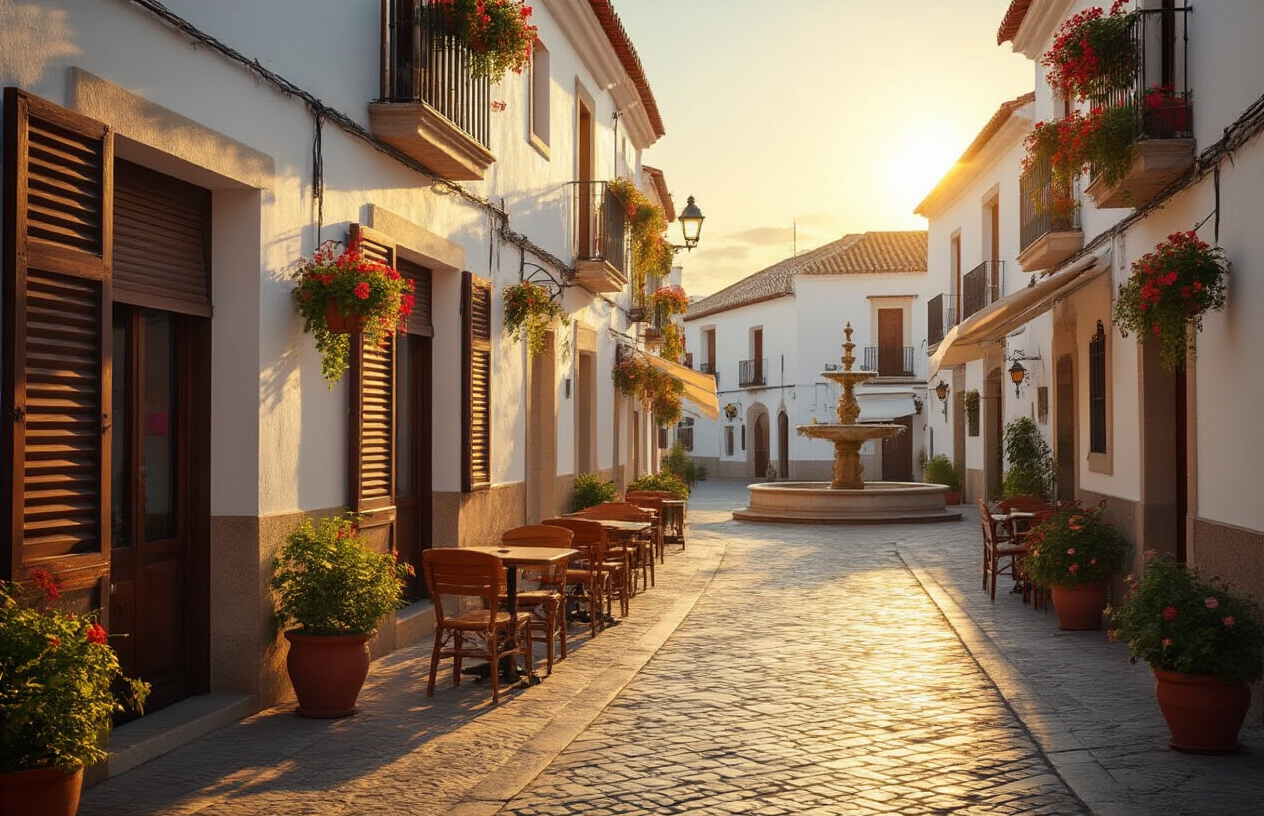
Get out by 8 AM. Streets are quiet, light is golden, and you'll have iconic landmarks practically to yourself. This is the sweet spot for sightseeing before the heat becomes a real problem.
Enjoy Late Evenings When Streets Come Alive and Cool Down
After 8 PM, Spain transforms. Locals pour onto plazas, kids play, and a gentle breeze usually rolls in. This is prime time for wandering without sweating through your clothes.
Dine Al Fresco After Sunset for a Refreshing Experience
Spanish dinner starts late — 9 PM or even 10 PM. Eating outside after sunset feels completely different from battling midday heat. Grab a terrace table, order slowly, and soak it all in.
Shop and Sightsee During Cooler Business Hours
Many shops close midday and reopen around 5 PM. Plan museum visits or shopping during these cooler hours to stay comfortable and avoid peak crowds.
Stay Hydrated and Eat Right to Keep Your Energy Up
Drink Plenty of Water and Electrolyte-Rich Beverages
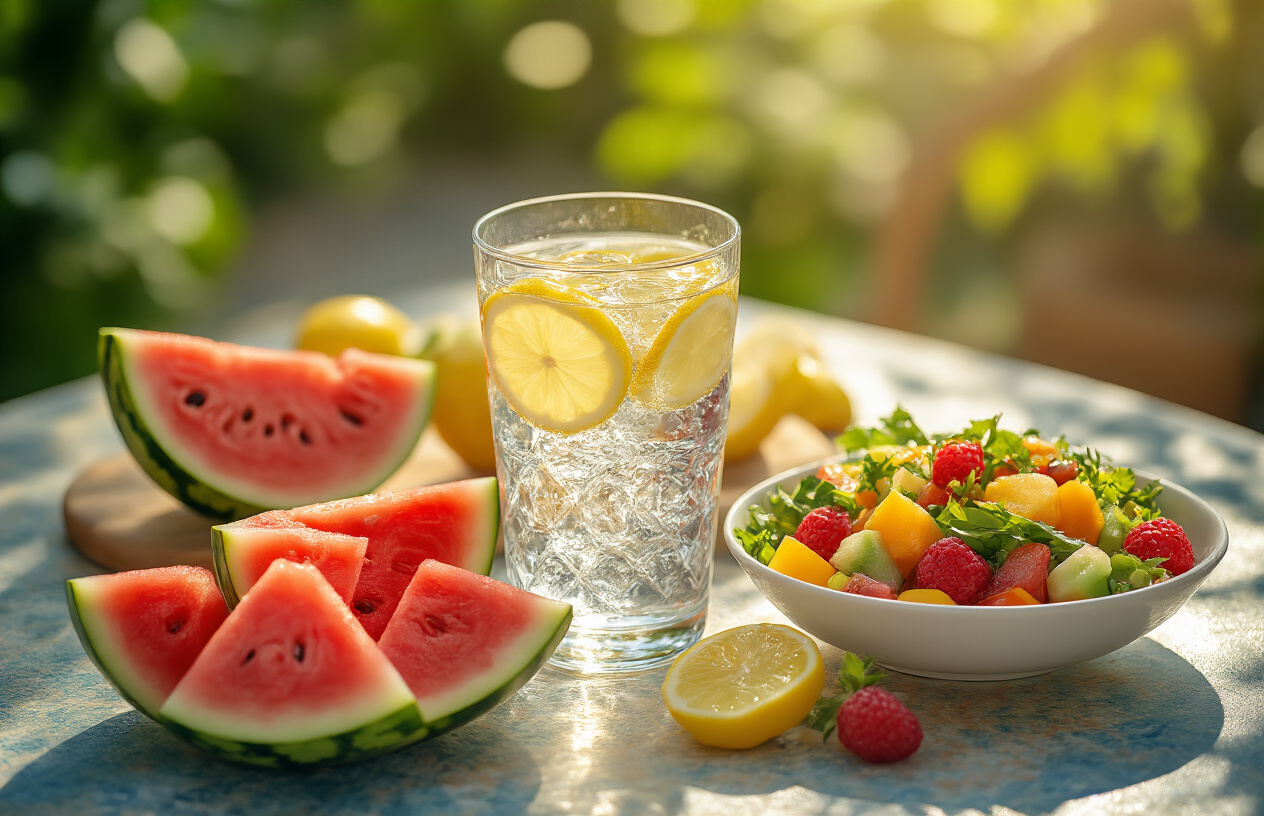
Staying hydrated in hot weather is non-negotiable in Spain's summer. Aim for at least 2–3 liters of water daily, and don't wait until you're thirsty — by then, you're already dehydrated. Coconut water, sports drinks, or a simple homemade agua de limón with a pinch of salt work beautifully to replace lost electrolytes. Freshly squeezed orange juice from Spanish street markets is another fantastic option.
Enjoy Refreshing Local Foods Like Gazpacho and Salmorejo
Spanish cuisine is practically designed for summer survival. Cold gazpacho — a blended tomato-based soup — is hydrating, light, and packed with vitamins. Salmorejo, its thicker Córdoban cousin, is equally refreshing. Both are widely available at local restaurants and even convenience stores. Sliced watermelon, fresh fish, and chilled seafood tapas like gambas keep energy levels steady without weighing you down.
Avoid Heavy Meals and Alcohol During Peak Heat Hours
Big, rich meals between noon and 4 PM make your body work harder, raising your internal temperature. Save heavier dishes for the cooler evening hours. Alcohol is equally tricky — it dehydrates you faster than you'd expect, especially when it's 40°C outside. Opt for clara (beer mixed with lemon soda) or chilled white wine in small amounts if you want something festive.
Find the Best Cool Spots and Activities Across Spain
Escape to Spain's Northern Green Coast and Mountains
San Sebastián, Santander, and Asturias stay refreshingly cool even in peak summer. The Picos de Europa mountains offer stunning hikes without the brutal southern heat — temperatures regularly sit 10–15°C lower than Madrid or Seville.
Discover Underground Caves and Shaded Historic Sites
Spain's caves are genuinely underrated cool spots. The Caves of Nerja and Cuevas del Drach in Mallorca maintain a steady 18°C year-round. Ancient cathedrals, shaded medinas in Granada's Albaicín, and Toledo's narrow stone streets also provide natural relief from the sun.
Make the Most of Spain's Beaches and Water Parks
| Option | Best For |
|---|---|
| Costa Brava beaches | Cooler waters, scenic coves |
| Islas Cíes | Crystal-clear Atlantic water |
| Siam Park (Tenerife) | Families, thrill-seekers |
| Aqualandia (Benidorm) | Classic water park fun |
Hit beaches before 11am or after 5pm to dodge the worst heat and crowds.
Explore Air-Conditioned Museums and Cultural Centers
This is one of the smartest cool activities in Spain during midday heat. The Prado and Reina Sofía in Madrid, Bilbao's Guggenheim, and Barcelona's MNAC keep you comfortable while delivering world-class art — perfect for that siesta-hour window.
Surviving the Spanish summer heat comes down to planning ahead and embracing the local way of life. Knowing which regions get the hottest, picking the right place to stay, dressing in light breathable clothing, and syncing your schedule with the Spanish daily rhythm can make a massive difference in how you feel throughout your trip. Throw in staying properly hydrated, eating fresh seasonal foods, and knowing where to escape the sun when it gets intense, and you have everything you need for a comfortable and enjoyable trip.
Spain in summer is absolutely stunning, and the heat does not have to ruin it. Lean into the culture, slow down during the peak afternoon hours, and take advantage of the cooler mornings and evenings to explore. With a little preparation, you can have the best of both worlds — soaking up that gorgeous Spanish sunshine without feeling completely wiped out by it.
Post a Comment