
7 Things No One Tells You Before Visiting Botswana
Planning a trip to Botswana and not sure what you're actually getting into? You're not alone. Most first-time visitors show up with a vague idea of open plains and big animals — and then get blindsided by the real details nobody bothers to mention.
This guide is for anyone heading to Botswana for the first time, especially if you're drawn to wildlife safaris in Africa but haven't fully wrapped your head around the logistics, the costs, or what "remote" actually means out here.
We'll get into the Botswana safari cost breakdown that makes most people's jaws drop, the visa and entry requirements that regularly catch tourists off guard at the border, and what raw wildlife encounters in Botswana actually look and feel like compared to what you've seen on TV. By the end, you'll know exactly what to expect — and you'll be genuinely glad you read this before booking anything.
The Visa and Entry Requirements That Catch Tourists Off Guard
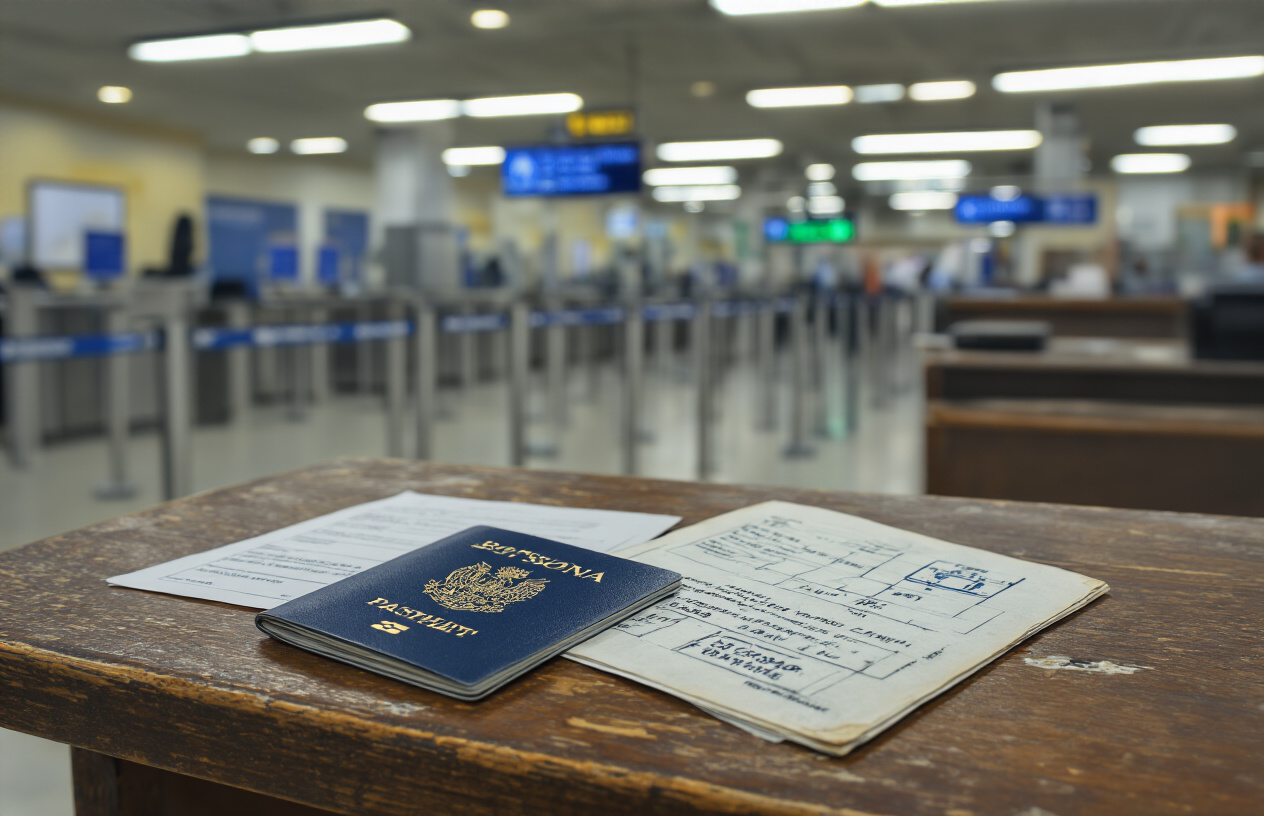
Which Nationalities Need a Visa in Advance
Botswana visa requirements are genuinely one of the most misunderstood parts of planning this trip. Citizens from the US, UK, EU, Canada, and Australia get visa-free entry for up to 90 days — no advance paperwork needed. However, many African, Asian, and Middle Eastern passport holders do need to sort a visa before arrival.
| Passport Region | Visa Required? |
|---|---|
| US, UK, EU, Canada, Australia | No (90 days free) |
| South Africa, Zimbabwe, Zambia | No |
| India, China, Nigeria | Yes — apply in advance |
| Most Middle Eastern countries | Yes |
Always double-check with the Botswana Embassy closest to you, as rules shift without much fanfare.
Border Crossing Hours and Remote Entry Points to Know
Most land borders operate between 6 AM and 10 PM only — miss that window and you're sleeping in your car. The Kasane and Tlokweng crossings are busiest and most reliable. Remote crossings like Mohembo are genuinely off the beaten path and may have limited staff.
What to Declare at Customs to Avoid Delays
Declare all wildlife products, large amounts of cash (over USD 10,000), and hunting equipment upfront. Undeclared items get confiscated and can delay your entire group — not the start anyone wants to a Botswana safari.
The True Cost of a Safari in Botswana
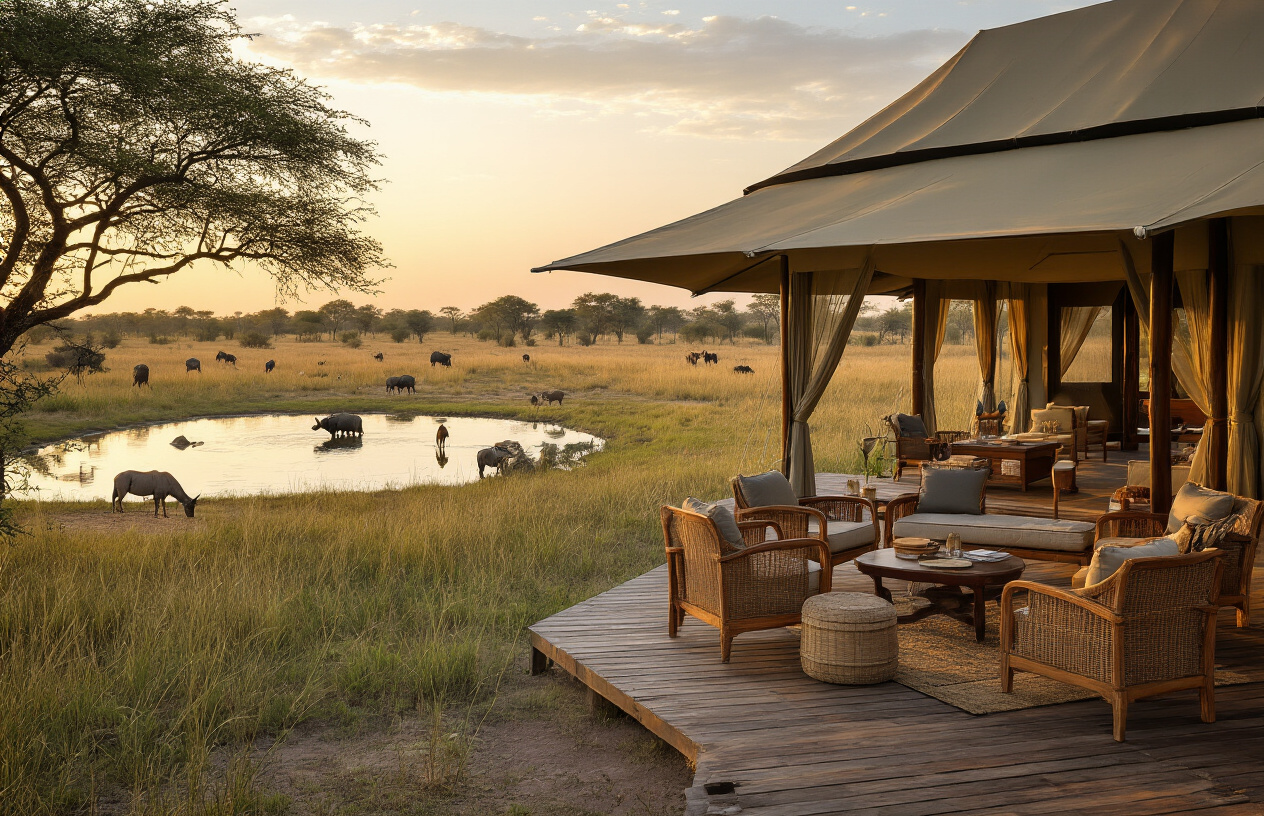
Why Botswana Is Deliberately Priced as a High-Value Destination
Botswana runs on a "high-value, low-volume" tourism model by design. The government limits visitor numbers to protect its ecosystems, which means fewer camps, fewer tourists, and premium prices. A typical all-inclusive safari lodge runs $500–$1,500 per person per night. That's not a typo.
Hidden Fees That Inflate Your Budget Unexpectedly
Botswana safari costs rarely end at the lodge rate. Watch out for:
| Hidden Cost | Approximate Amount |
|---|---|
| Park entry fees | $10–$30/day per person |
| Conservation levies | $10–$15/day |
| Internal charter flights | $300–$600 per leg |
| Laundry & premium drinks | $50–$150 extra |
| Tips for guides/staff | $20–$50/day |
How to Find Genuine Value Without Sacrificing Experience
Mobile camping safaris offer a genuine bush experience at nearly half the cost of fixed lodges. Joining a small group tour also dramatically cuts per-person expenses. Shoulder season packages frequently bundle flights and accommodation at meaningful discounts.
Best Time to Book for the Most Favorable Rates
The green season (November–March) brings lower rates, fewer crowds, and surprisingly dramatic wildlife action. Book 8–12 months ahead for peak dry season (June–October) to lock in early-bird pricing before availability disappears.
Wildlife Encounters Are Rawer Than You Expect
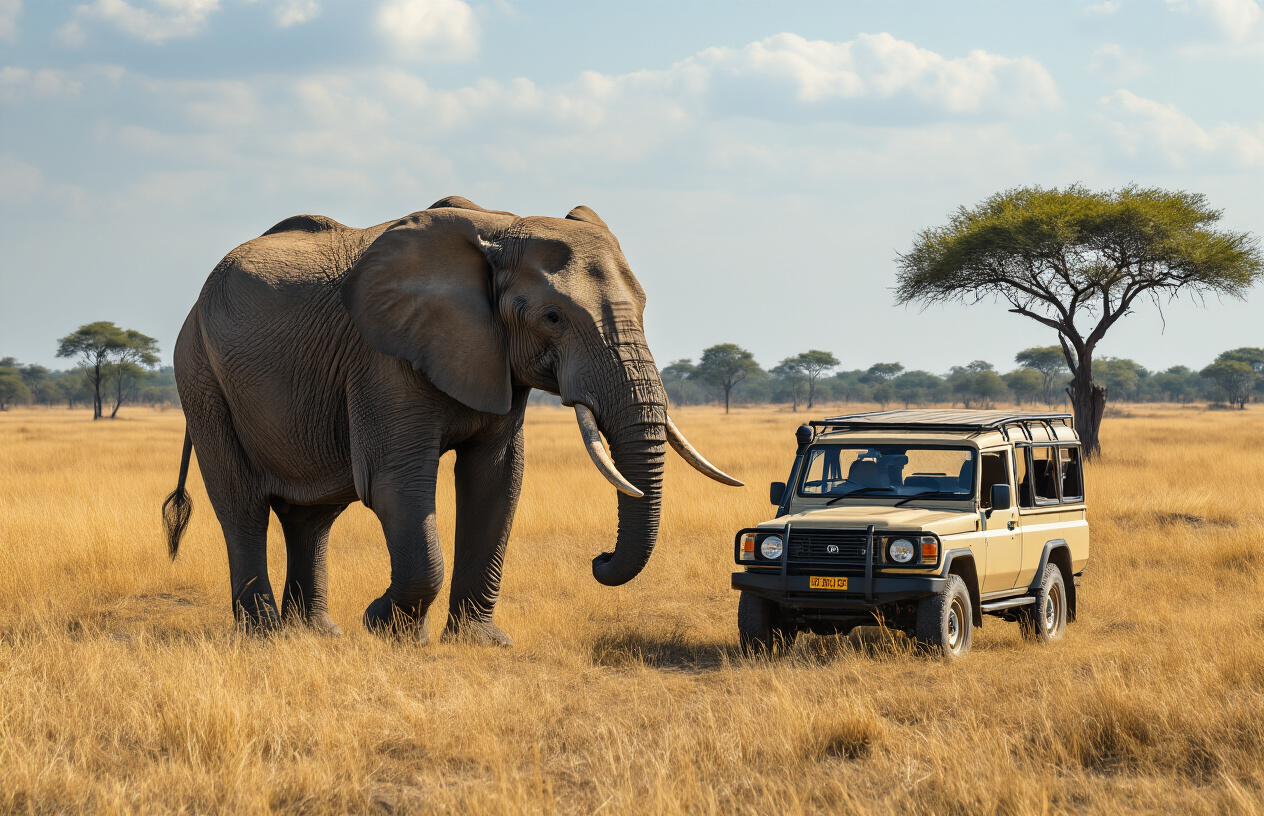
Why Botswana Safaris Feel More Unfiltered Than Other Destinations
Raw wildlife encounters in Botswana hit differently than anything you'll experience in heavily touristed parks. Botswana deliberately limits visitor numbers and bans hunting, which means animals aren't desensitized to human presence the way they are elsewhere. You might sit 10 feet from a lion with zero fencing between you. No guardrails, no safety theater — just you and the wild.
Understanding Animal Behavior to Stay Safe
Your guide is your lifeline here. Listen to them without question. A few basics that matter:
| Situation | What It Signals | Your Response |
|---|---|---|
| Elephant ears spread wide | Mock charge warning | Stay still, don't run |
| Hippo yawning | Territorial threat | Back away slowly |
| Lion crouching low | Active hunt mode | Freeze, let guide lead |
Animals read movement and sound. Sudden gestures, loud voices, and standing up in safari vehicles can escalate tension fast.
What to Do If You Have a Close Encounter at Your Camp
Bush camps in Botswana are unfenced — animals walk through freely. If wildlife enters your camp at night, stay inside your tent, stay quiet, and alert staff using your radio or horn. Never use a flashlight to confront an animal. Wait it out. The animal almost always moves on.
The Climate Will Surprise You More Than You Think
How the Dry Season Transforms the Landscape Dramatically
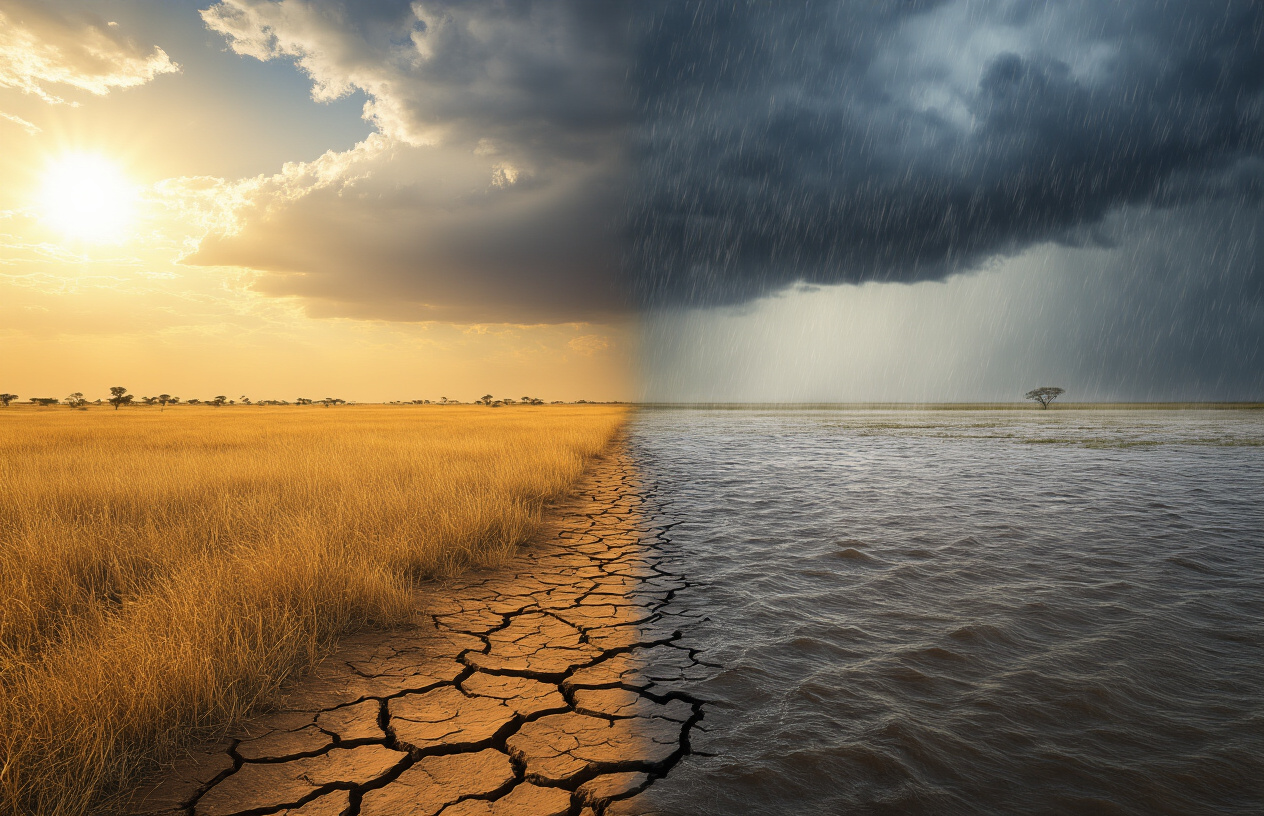
Between May and October, Botswana's vegetation retreats almost completely. Waterholes shrink, grasses turn golden, and animals concentrate around remaining water sources — making wildlife sightings almost embarrassingly good. The Okavango Delta itself shifts into a stunning tapestry of dry channels and exposed floodplains.
Why the Green Season Is Underrated by Most Travelers
The best time to visit Botswana isn't always peak season. November through April brings lush, emerald landscapes, newborn animals, and dramatically fewer tourists. Rates drop significantly, and migratory birds arrive in enormous numbers. Yes, afternoon rains happen — but they rarely last long.
Packing Smart for Extreme Temperature Swings Between Day and Night
| Time of Day | Typical Temperature Range |
|---|---|
| Midday | 30–40°C (86–104°F) |
| Pre-dawn | 5–15°C (41–59°F) |
Pack lightweight layers you can peel off quickly. A warm fleece jacket is non-negotiable for early morning game drives, even in summer.
Health Precautions Every Visitor Must Take Seriously
Malaria is real and present in most safari regions. Start antimalarials before arrival, use DEET-based repellent religiously at dusk, and wear long sleeves after sunset. Also carry oral rehydration salts — the dry heat dehydrates you faster than you'll notice.
Getting Around Is Nothing Like a Typical Vacation
Why Self-Drive Safaris Demand Serious Preparation
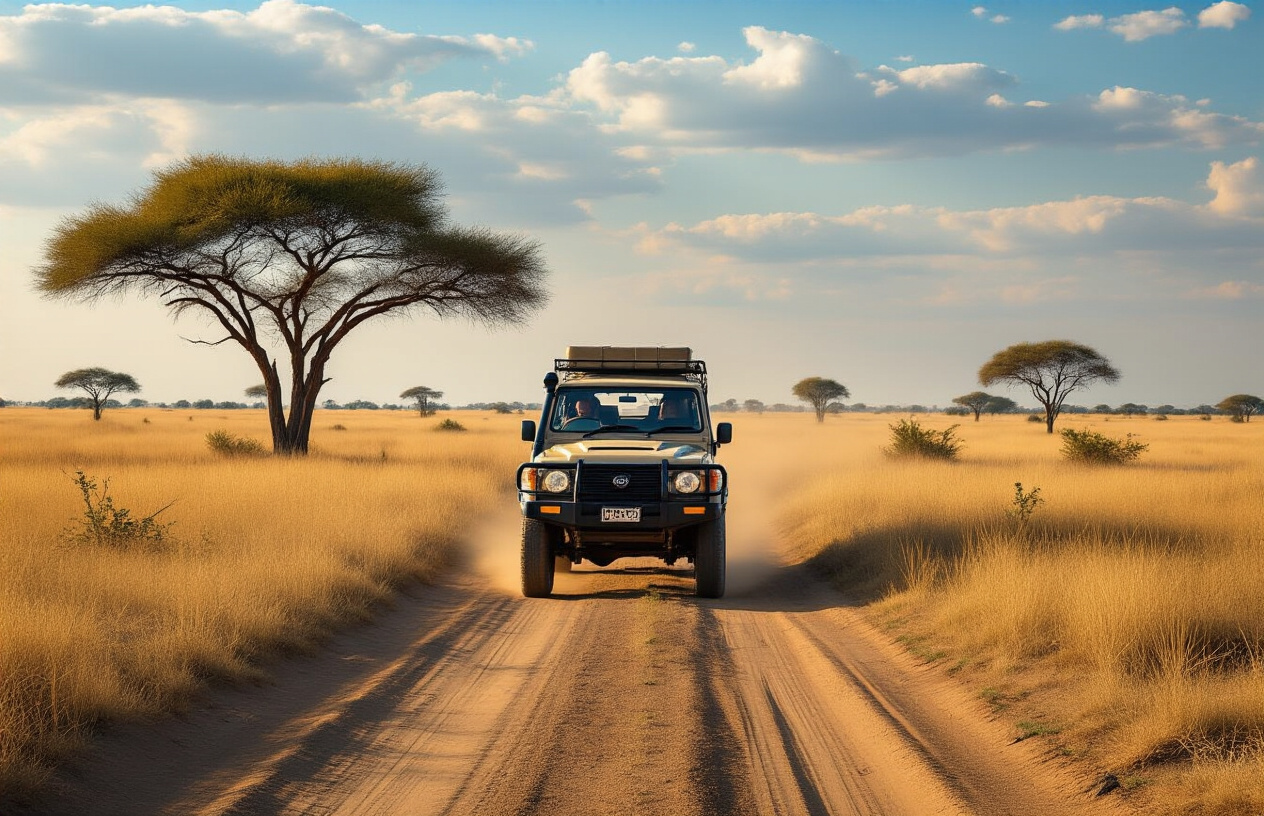
Renting a 4x4 and heading into the Okavango Delta sounds thrilling — and it is — but Botswana off the beaten path Africa travel is genuinely unforgiving. Navigation apps fail in remote areas, fuel stations can be 200+ kilometers apart, and getting stuck in sand or mud with no cell signal is a real scenario, not a dramatic exaggeration. You need recovery gear, paper maps, and solid bush driving experience before attempting this independently.
The Role of Light Aircraft Transfers Between Remote Camps
Many of Botswana's best bush camps sit deep inside wildlife concessions with no paved road access. Small charter flights — often in 6-seater Cessnas — are the standard way to move between them. These transfers are typically included in premium packages but can add $500–$1,500 per person when booked separately. Luggage is strictly limited, usually 20kg in a soft bag.
Road Conditions That Can Derail Poorly Planned Itineraries
| Season | Road Condition | Risk Level |
|---|---|---|
| Dry (May–Oct) | Sandy, corrugated tracks | Moderate |
| Wet (Nov–Apr) | Flooded, deeply rutted | High |
| Transition months | Unpredictable | Very High |
Botswana travel tips from seasoned visitors consistently warn: always build buffer days into your itinerary. Delays here aren't inconveniences — they're expected.
Cultural Etiquette That Every Respectful Visitor Should Know
How to Engage Meaningfully with Local San Communities
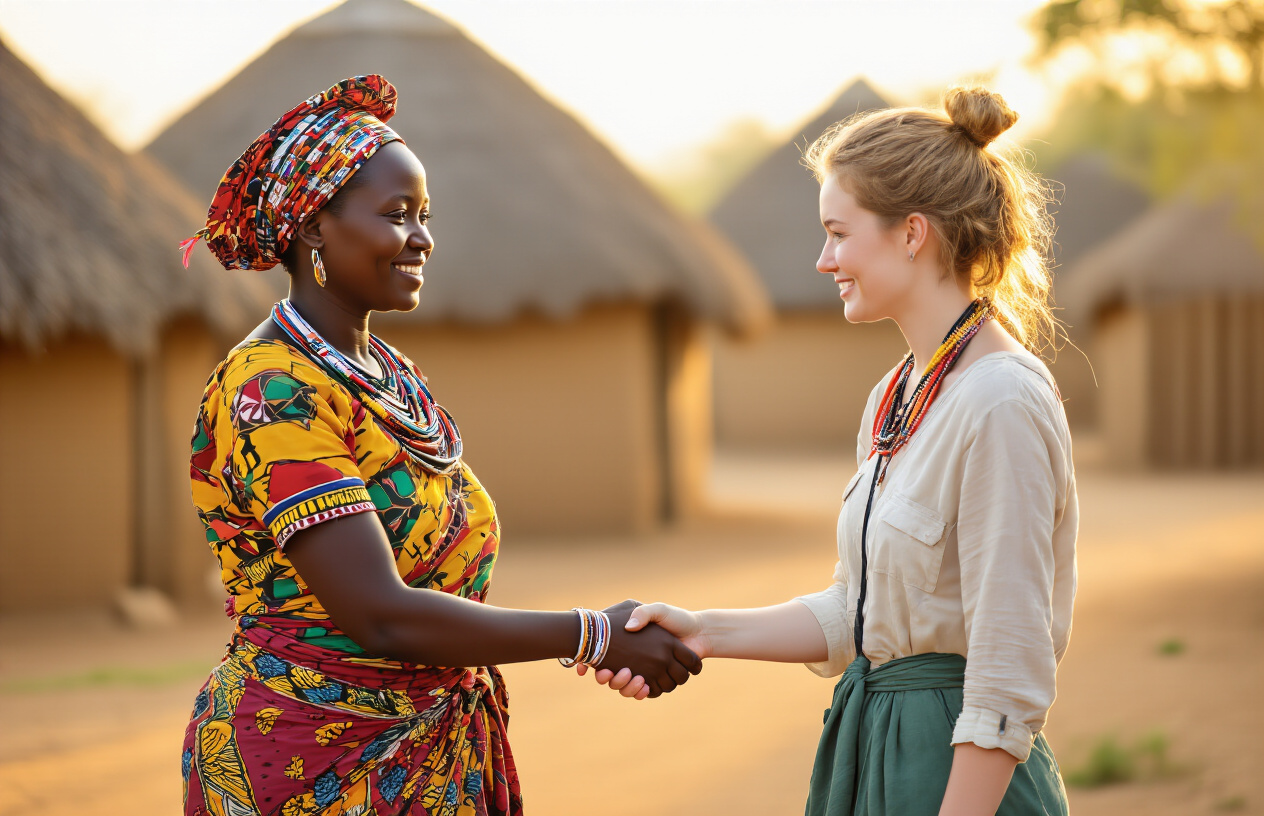
The San people have lived in southern Africa for tens of thousands of years. When visiting their communities, always ask permission before taking photos, follow your guide's lead, and buy crafts directly from artisans when possible. Genuine curiosity goes a long way — ask questions, listen, and avoid treating cultural experiences like a performance.
Dress Codes and Behavioral Expectations in Villages
Botswana cultural etiquette leans conservative in rural settings. Cover your shoulders and knees when visiting villages. Loud behavior, public displays of affection, and pointing are considered rude. Greet elders first, and always accept offered food or drink graciously — refusing can cause unintentional offense.
Tipping Culture and How It Impacts Local Livelihoods
| Who to Tip | Suggested Amount |
|---|---|
| Safari guides | $10–$20 USD/day |
| Camp staff | $5–$10 USD/day |
| Trackers | $10–$15 USD/day |
| Transfer drivers | $5 USD/trip |
Tips often represent a significant portion of local income. Carry small USD bills or Botswana pula specifically for this purpose.
Phrases in Setswana That Will Earn You Genuine Respect
-
Dumela — Hello
-
Ke a leboga — Thank you
-
Go siame — Okay / That's fine
-
Lethabo — Happiness
Locals genuinely light up when visitors try even a few words.
Connectivity and Comfort Realities in the Bush
Why Going Off-Grid Is Part of the Botswana Experience
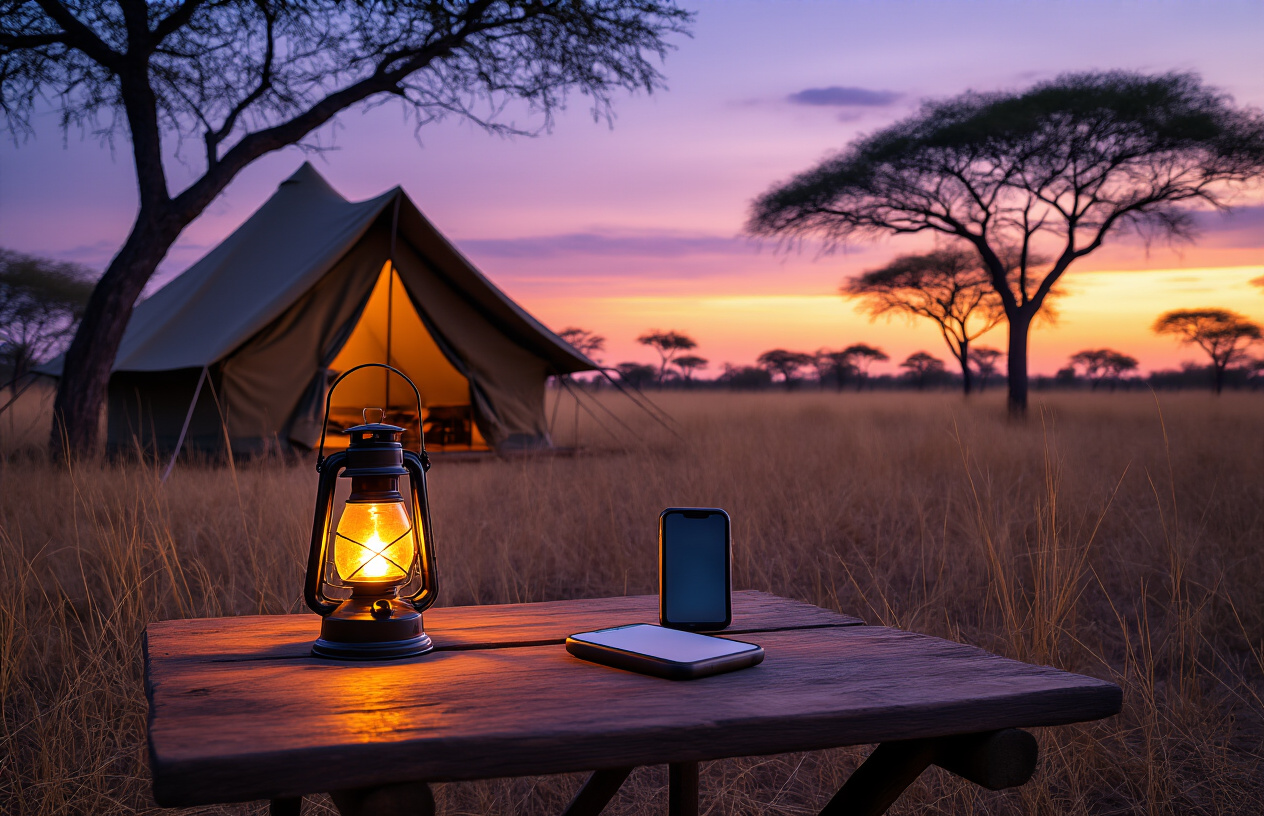
Disconnecting isn't a bug in Botswana bush travel — it's the whole point. The country deliberately keeps tourist numbers low and development minimal, especially in areas like the Okavango Delta and Chobe. That means no Wi-Fi notifications interrupting a leopard sighting. Most seasoned travelers say going dark for a few days completely resets how they experience the wild.
Mobile Coverage and Internet Limitations to Plan Around
Botswana bush camps internet access is genuinely patchy. Orange Botswana and Mascom have reasonable coverage in Maun and Kasane, but signal disappears fast once you head into the delta or remote national parks. Download offline maps, save important documents locally, and tell family back home you'll check in when possible — not daily.
What Luxury Camps Offer Versus What Budget Options Lack
| Feature | Luxury Camps | Budget Options |
|---|---|---|
| Wi-Fi access | Limited but available | Rarely available |
| Solar electricity | 24-hour supply | Scheduled hours only |
| Hot water | Reliable | Sometimes cold showers |
| Communication | Satellite phone backup | Basic or none |
| Private bathrooms | Standard | Often shared facilities |
Luxury camps soften the bush edges without killing the atmosphere. Budget camps trade comfort for pure immersion — which honestly suits some travelers perfectly.
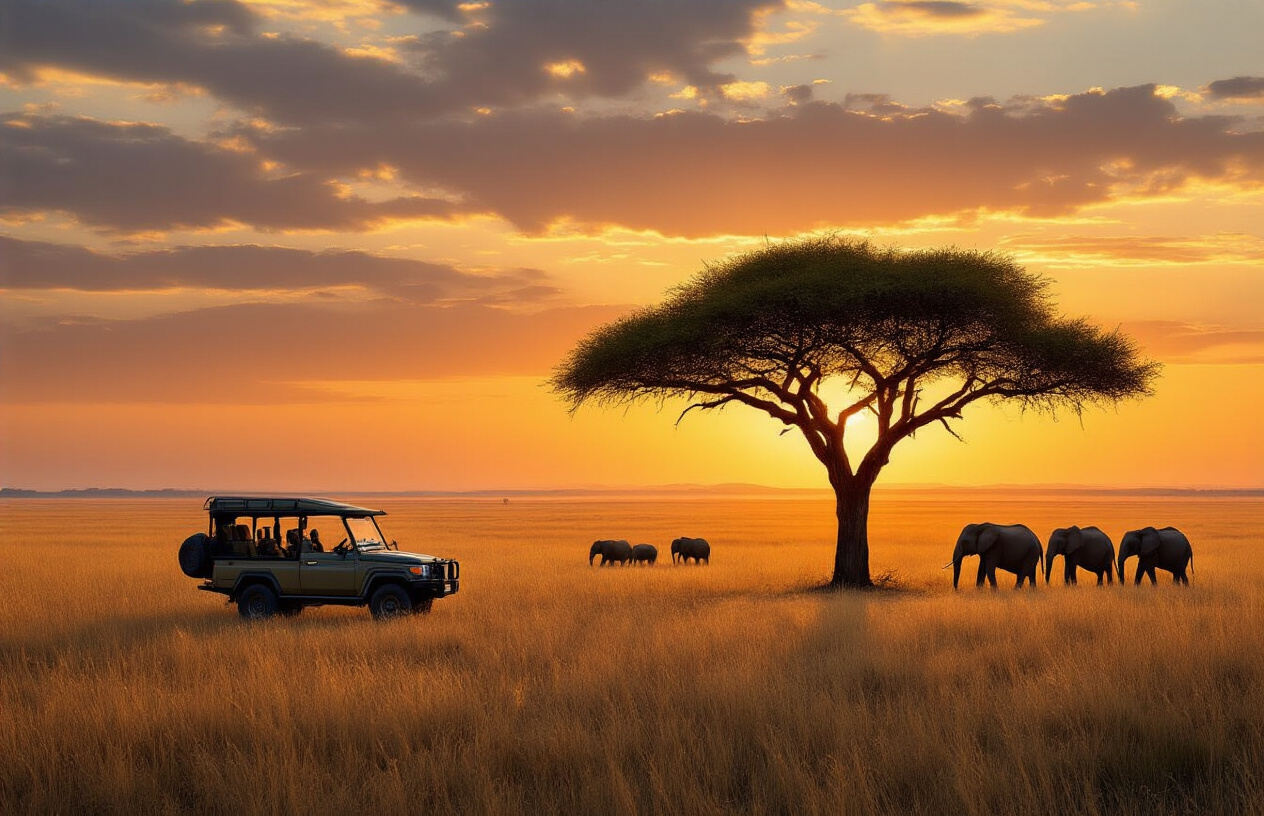
Botswana is one of those destinations that genuinely rewards the travelers who show up prepared. From sorting out your visa situation before you land to wrapping your head around what a real safari actually costs, the details matter here more than almost anywhere else. The wildlife is unpredictable, the weather can flip on you, getting from place to place takes real planning, and life in the bush is a far cry from a resort vacation. Throw in the cultural norms worth respecting and the near-total digital blackout in remote areas, and you've got a trip that demands a little homework upfront.
But here's the thing — none of that should scare you off. It should do the opposite. Botswana is raw, honest, and quietly spectacular in ways that very few places on earth still manage to be. Go in with your eyes open, set realistic expectations, and you'll come back with stories that no polished, all-inclusive holiday could ever give you. Start planning smart, pack the right mindset, and let Botswana be exactly what it is.
Post a Comment