
How Safe Is Central America? The Real Truth
Central America gets a bad reputation, and honestly, some of it is deserved — but a lot of it isn't. If you've been Googling "is Central America safe to travel," you've probably landed on headlines that either terrify you or oversell paradise. Neither extreme gives you what you actually need to make a smart decision.
This guide is for first-time visitors, solo travelers, and expats who want straight answers about Central America safety — not vague warnings or Instagram-filtered reassurance.
Here's what we'll break down:
-
How safety actually varies by country — because lumping Costa Rica and Honduras into the same category makes no sense
-
What the real Central America crime statistics say versus what the news chooses to highlight
-
The specific travel risks that catch tourists off guard and the simple habits that cut those risks dramatically
By the end, you'll know exactly what you're walking into and how to travel Central America with your eyes open.
Understanding Safety Across Central American Countries
How Each Country Differs in Safety Levels
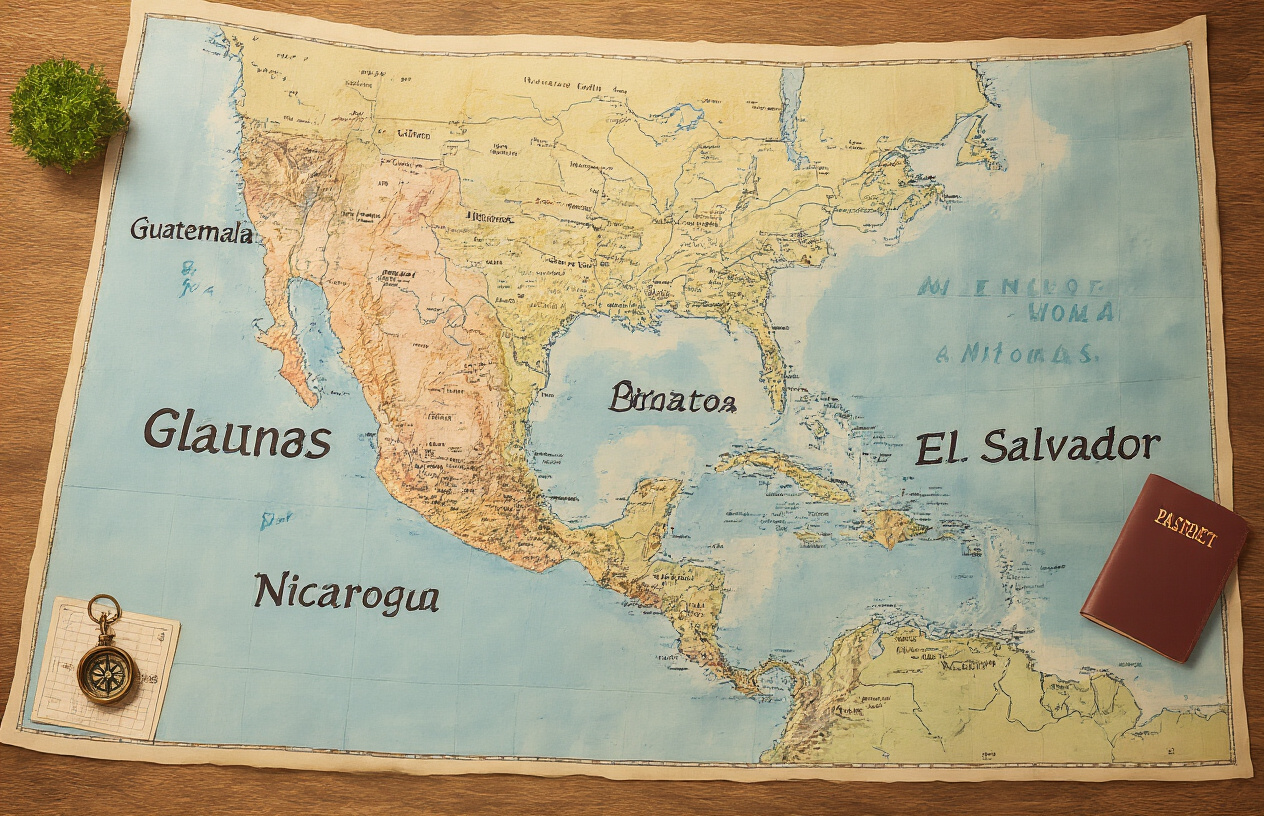
Central America isn't one monolithic destination — safety varies dramatically from country to country, and even city to city. Lumping Guatemala and Costa Rica into the same safety category would be like comparing Detroit and Denver.
| Country | Safety Level | Main Concerns |
|---|---|---|
| Costa Rica | High | Petty theft, scams |
| Panama | Moderate-High | Urban crime in Panama City |
| Belize | Moderate | Gang activity in Belize City |
| Guatemala | Moderate | Tourist scams, pickpocketing |
| Honduras | Lower | Gang violence, high homicide rate |
| El Salvador | Improving | Historical gang activity |
| Nicaragua | Variable | Political instability |
The Safest Destinations for Travelers
Costa Rica consistently ranks as the top pick for Central America safety. Panama City and the Azuero Peninsula are solid choices too. For Guatemala, Antigua and Lake Atitlán remain genuinely tourist-friendly despite broader national concerns.
Areas You Should Avoid for Your Own Protection
Skip San Pedro Sula in Honduras, downtown Belize City after dark, and Guatemala City's Zone 18. These aren't just cautious suggestions — crime rates there are genuinely dangerous.
What the Latest Travel Advisories Actually Say
The U.S. State Department currently lists Honduras and El Salvador at Level 3 ("Reconsider Travel"), while Costa Rica and Panama sit at Level 2 ("Exercise Normal Precautions"). Always check advisories within two weeks of departure since conditions shift quickly.
The Real Crime Statistics Behind the Headlines

Separating Tourist-Targeted Crime from Local Crime
Most crime in Central America happens between locals in specific neighborhoods—not at beach resorts or tourist hotspots. Pickpocketing, phone snatching, and opportunistic theft are the crimes travelers actually encounter. Violent crime disproportionately affects local communities caught in gang territory disputes, not backpackers exploring colonial cities.
How Violent Crime Rates Compare to Other Regions
| Country | Homicide Rate (per 100k) | Context |
|---|---|---|
| Honduras | ~35 | Concentrated in specific cities |
| Guatemala | ~17 | Urban gang zones |
| El Salvador | ~7.8 | Dramatically dropping since 2022 |
| Costa Rica | ~12 | Higher than many expect |
| Panama | ~9 | Tourist areas much safer |
| Belize | ~24 | Small population skews stats |
For comparison, Jamaica sits around 52 per 100,000—yet millions visit annually without incident.
The Truth About Gang Activity and Who It Affects
Gang violence in countries like Honduras and Guatemala is deeply territorial. Gangs fight over drug corridors and extortion rackets within specific barrios. Tourists wandering through well-traveled routes simply aren't targets—there's no profit in it. Central America crime statistics look alarming nationally, but tourist-facing risk in popular destinations tells a completely different story.
Common Safety Threats Travelers Actually Face
Petty Theft and How to Protect Your Belongings
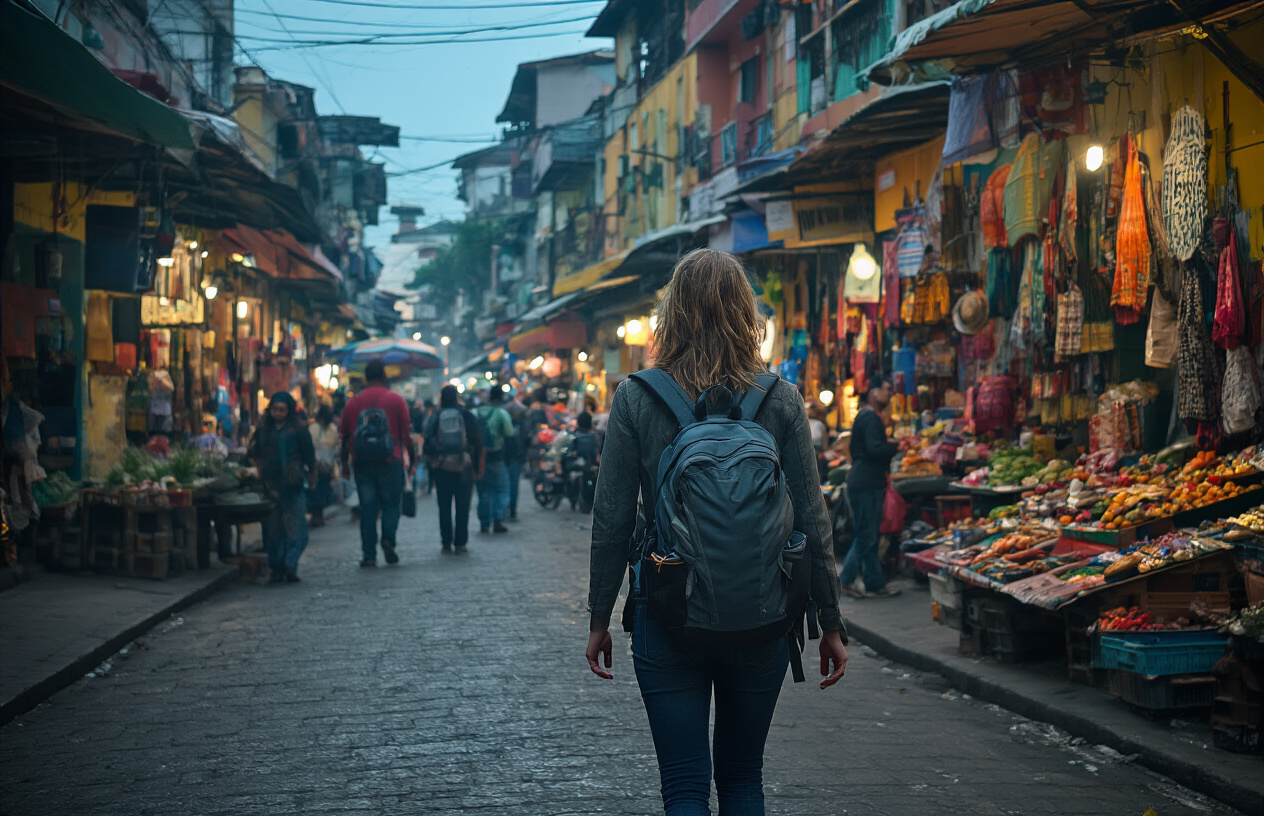
Pickpocketing and bag snatching are the most common Central America travel risks tourists actually encounter. Crowded markets, bus stations, and tourist hotspots are prime hunting grounds. Keep your phone in your front pocket, use a cheap day bag, and leave expensive jewelry at home. A money belt worn under your clothes for passports and large cash works well.
Scams That Target Tourists and How to Spot Them
Fake tour operators, rigged taxis, and "too good to be true" currency exchange rates are widespread. Always negotiate taxi fares upfront or use apps like Uber where available. If someone approaches you offering unsolicited help, be cautious — it rarely ends without expecting payment.
Road Safety Risks You Need to Know Before Driving
Road conditions across Central America range from decent to genuinely dangerous. Potholes, unmarked speed bumps, livestock on highways, and aggressive driving make night driving particularly risky. Renting a 4WD and sticking to daylight travel significantly cuts your risk.
Health Hazards That Could Ruin Your Trip
Mosquito-borne illnesses like dengue and Zika are real concerns. Pack strong repellent, wear long sleeves at dusk, and check CDC travel health notices before departure. Tap water is unsafe in most countries — stick to bottled or filtered water throughout your trip.
Smart Safety Habits That Make a Real Difference
How to Choose Safe Neighborhoods and Accommodations
Stick to well-reviewed hotels or hostels in tourist-friendly zones. Check recent Google reviews specifically mentioning safety. In cities like Guatemala City or San José, the neighborhood matters far more than the country's overall reputation.
Transportation Choices That Reduce Your Risk
| Option | Safety Level | Notes |
|---|---|---|
| Uber/InDriver | High | GPS-tracked, accountable |
| Hotel-arranged taxis | High | Pre-vetted drivers |
| Street hail taxis | Medium | Verify plates first |
| Chicken buses | Low-Medium | Petty theft risk |
| Night buses | Low | Avoid when possible |
Book private shuttles between popular destinations — worth every extra dollar.
Simple Daily Habits That Keep You Off the Radar
Walk with purpose, keep your phone in your pocket, and wear minimal jewelry. Looking lost is an invitation. Dress modestly and match local style where possible.
Why Traveling in Groups Dramatically Improves Safety
Solo travelers are softer targets. Even pairing up with one person from your hostel cuts your risk significantly — opportunistic criminals prefer easy, isolated targets.
Essential Items to Carry for Your Personal Protection
-
Decoy wallet with small cash
-
Doorstop alarm for accommodations
-
Offline maps (Google Maps downloaded)
-
Whistle or personal alarm
-
Copies of passport stored in cloud
What Experienced Travelers and Expats Really Think
Honest Firsthand Accounts from Long-Term Residents
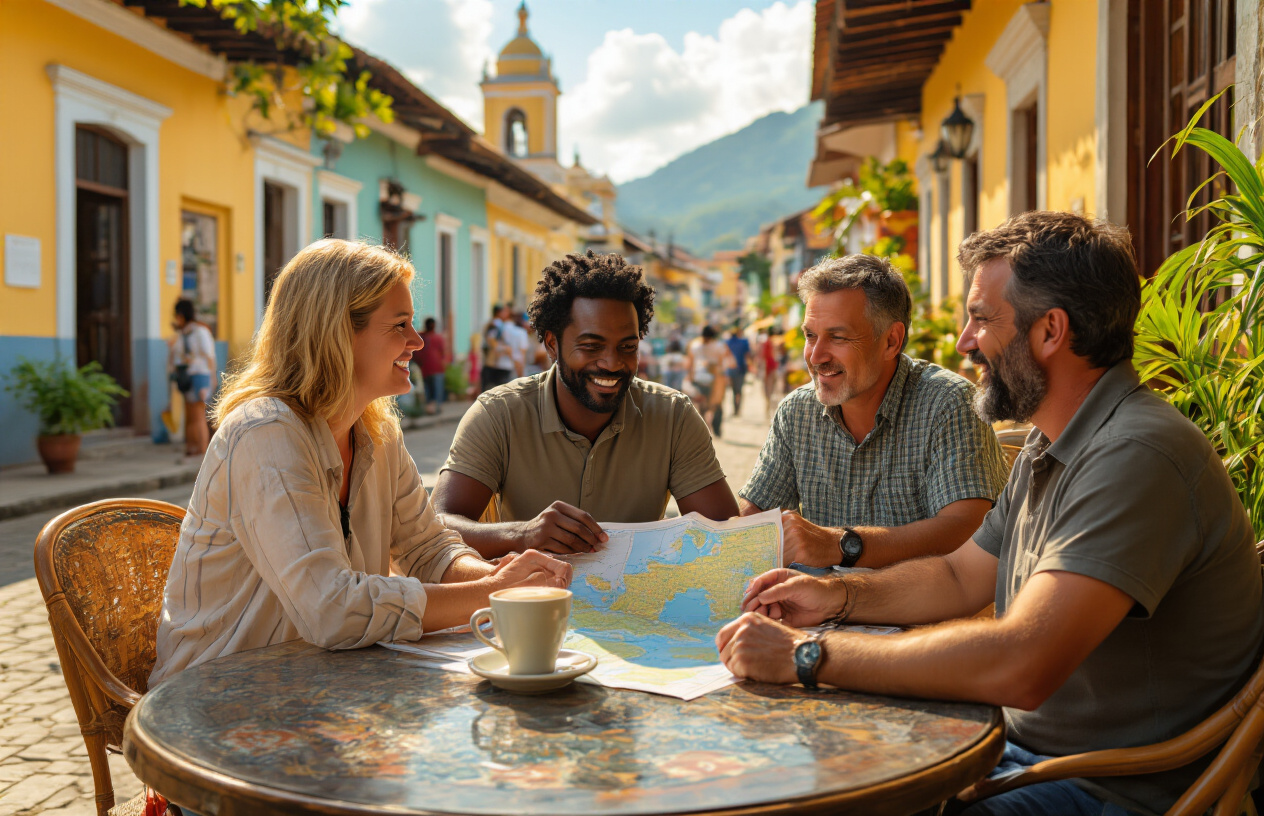
Most expats living across Guatemala, Costa Rica, Belize, and Nicaragua share a consistent message: the reality on the ground rarely matches the dramatic headlines. Long-term residents frequently describe learning which neighborhoods to avoid, building local friendships, and settling into routines that feel genuinely comfortable — much like living in any major city worldwide.
How Living There Differs from Short-Term Travel
Short-term travelers typically stick to tourist corridors, which actually carry lower risk since local economies depend on keeping visitors safe. Expats, however, engage with everyday life — local markets, public transport, residential neighborhoods — and develop a sharper, more nuanced read on Central America safety. That deeper exposure usually breeds confidence, not fear.
Why Many Travelers Feel Safer Than They Expected
Countless solo travelers and backpackers return from Central America genuinely surprised. Common feedback includes:
| Expectation Before Visiting | Reality After Visiting |
|---|---|
| Constant danger everywhere | Risk concentrated in specific areas |
| Locals unfriendly or suspicious | Warm, helpful communities |
| Solo travel impossible | Very manageable with basic awareness |
| Tourist areas unsafe | Generally well-monitored and welcoming |
The gap between perception and experience is often the biggest takeaway for first-time visitors exploring Central America travel. Awareness beats anxiety every time.
Making an Informed Decision About Your Trip
How to Weigh the Risks Against the Rewards
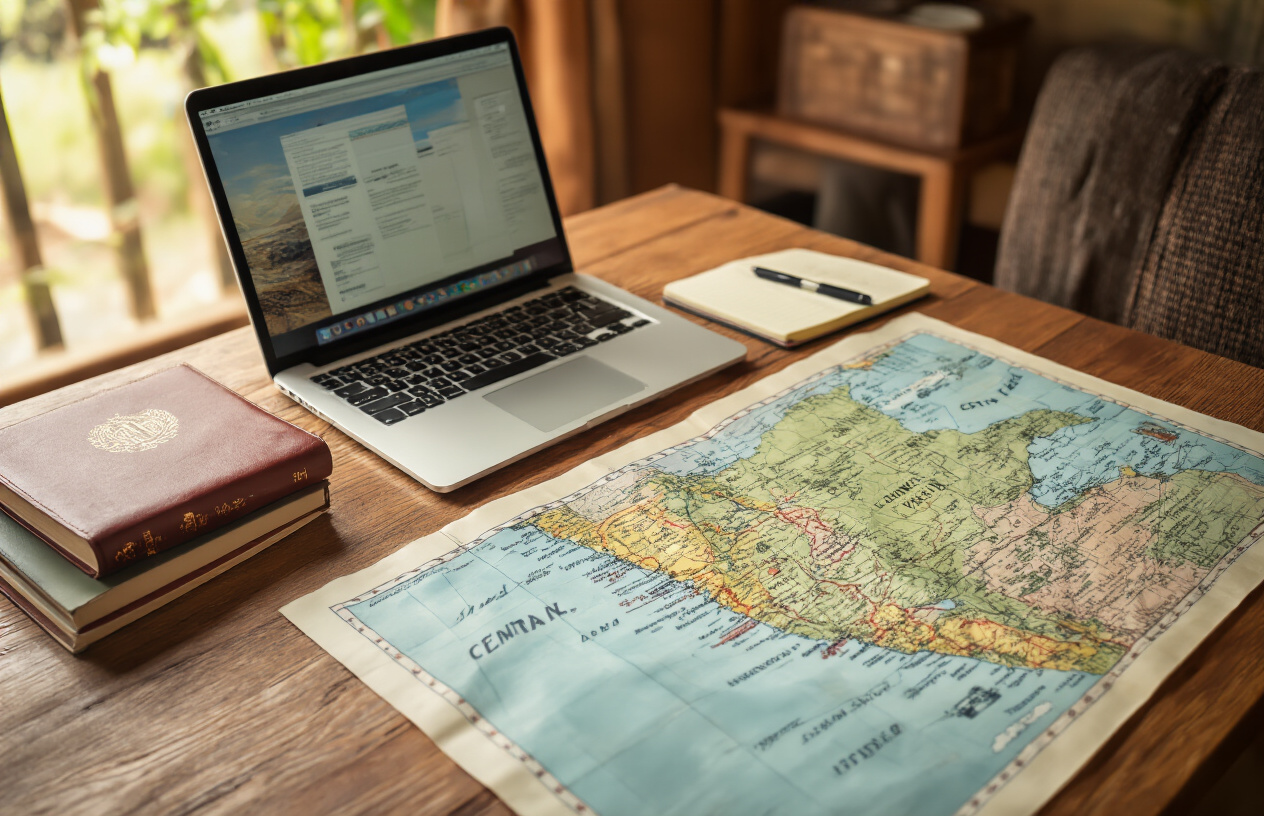
Central America travel risks are real, but so are the rewards. Ask yourself what your risk tolerance looks like at home — then apply that same honest filter here. Petty theft is more common than violent crime targeting tourists. The experience of exploring ancient ruins, cloud forests, and Caribbean coastlines usually far outweighs the manageable precautions required.
Stick to well-traveled routes if you're new to the region. As your comfort grows, so can your adventures.
The Best Times of Year to Visit for Added Safety
| Country | Recommended Window | Reason |
|---|---|---|
| Costa Rica | Dec–April | Dry season, fewer road hazards |
| Belize | Nov–April | Low hurricane risk |
| Guatemala | Nov–March | Crowds thin, weather stable |
| Panama | Jan–March | Driest period, easier travel |
Avoid traveling during major holidays when petty crime spikes and roads get chaotic.
Reliable Resources to Stay Updated Before and During Travel
-
Smart Traveler Enrollment Program (STEP) — register with your embassy for real-time alerts
-
Travel.State.gov — current U.S. travel advisories by country
-
Wikiloc / iOverlander — ground-level safety reports from fellow travelers
-
Local Facebook expat groups — honest, up-to-date Central America travel advice straight from people on the ground
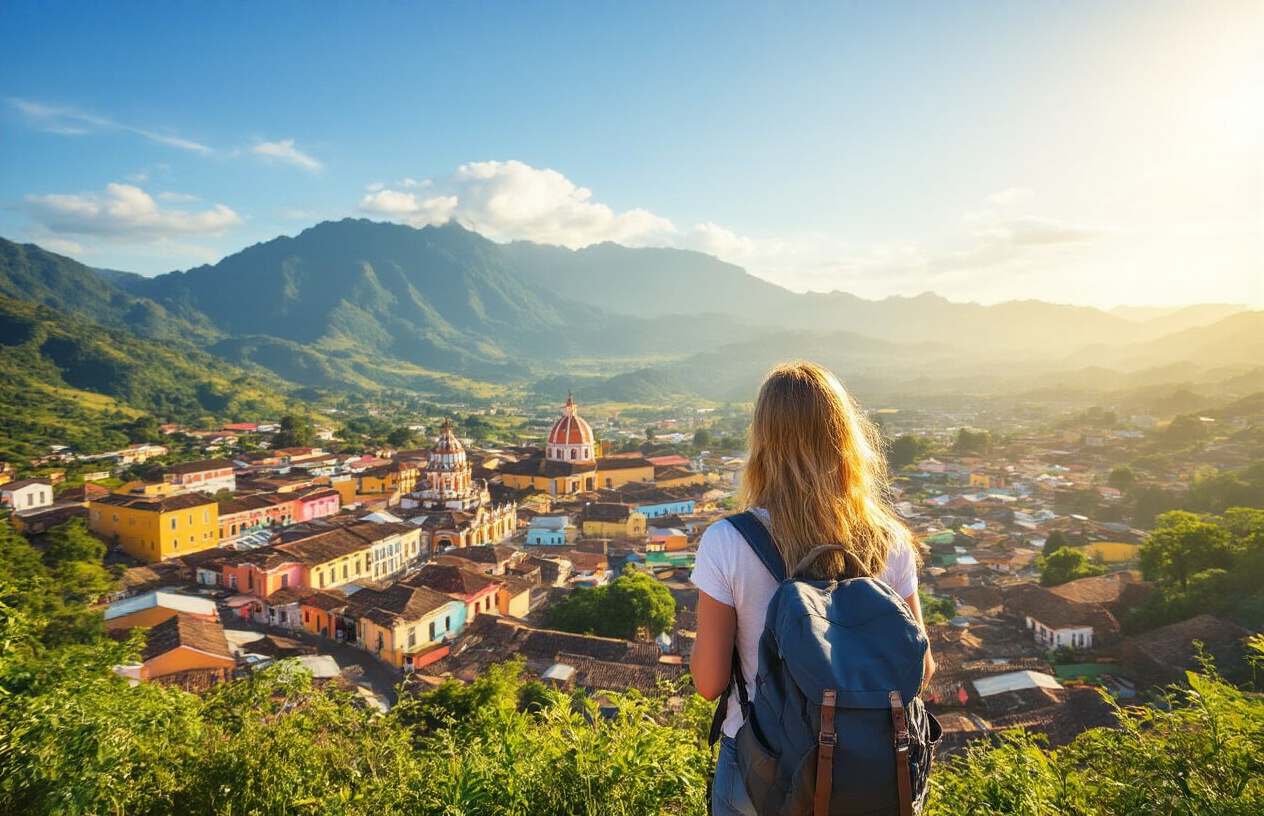
Central America gets a bad reputation that doesn't always tell the whole story. Yes, crime exists, and some areas genuinely require extra caution — but the same can be said for plenty of popular destinations around the world. The real picture is more nuanced than dramatic headlines suggest. Some countries in the region are remarkably safe, expats live there happily for decades, and millions of travelers visit every year without a single serious incident.
The biggest factor in how your trip goes is almost always you — your preparation, your awareness, and the choices you make on the ground. Sticking to well-traveled areas, doing your research before you go, and picking up a few smart habits along the way can completely change your experience. Central America has stunning landscapes, rich culture, and some of the warmest people you'll ever meet. Don't let fear make the decision for you — let the facts do that instead.
Post a Comment