
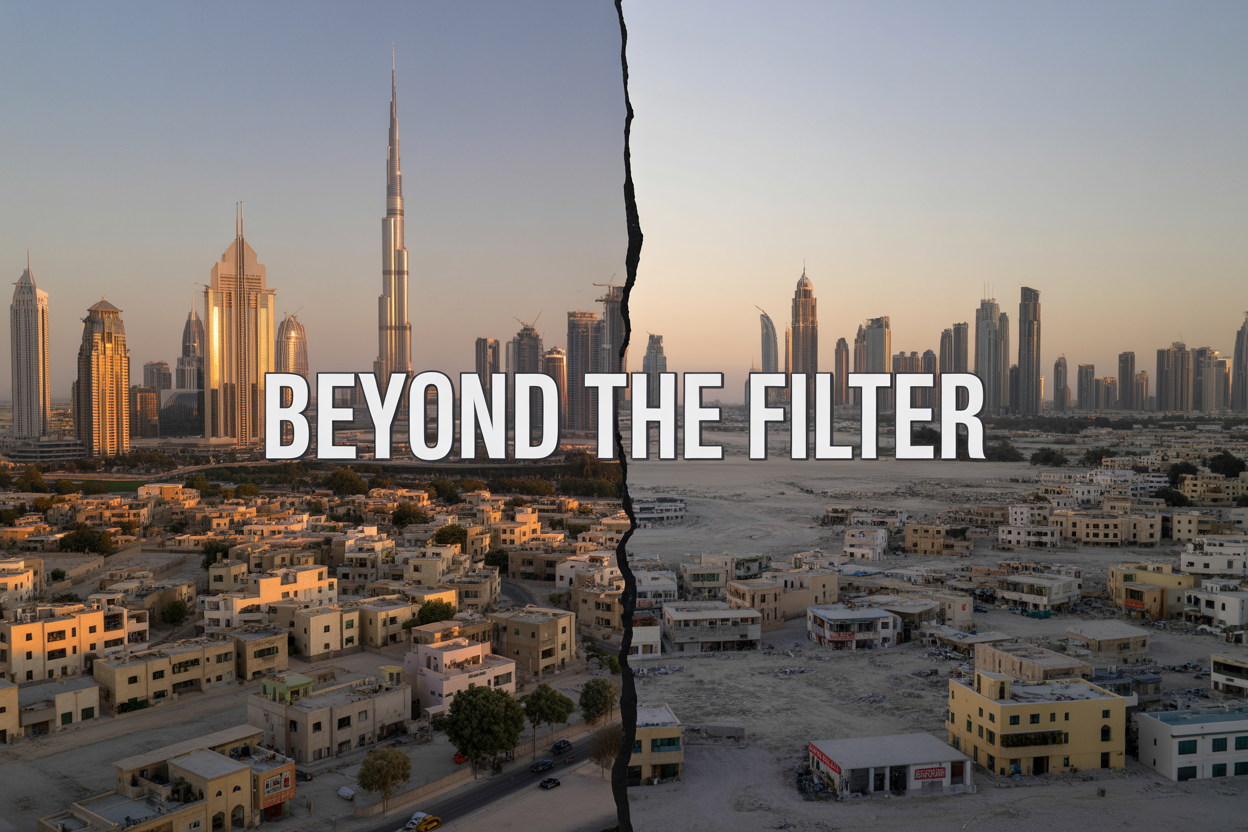
Why Dubai Isn't What You See on Instagram
Dubai looks unreal on social media — and that's kind of the point.
If you've been scrolling through videos of infinity pools, gold-plated everything, and spotless skyscrapers, you're seeing exactly what Dubai wants you to see. But the Dubai Instagram vs reality gap is massive, and most travel content never goes anywhere near it.
This guide is for anyone planning a trip to Dubai, thinking about moving there, or simply curious about what life actually looks like beyond the highlight reel. Whether you're a first-time visitor or a seasoned expat trying to make sense of the place, the full picture is worth knowing.
Here's what we're getting into:
-
The image machine behind the glamour — how Dubai actively shapes its global identity and why so much content looks identical
-
The wealth gap no filter can hide — the real life in Dubai for the hundreds of thousands of low-wage workers propping up the city's shine
-
The cultural and environmental realities — Dubai's strict social rules and serious environmental impact rarely make it into anyone's travel aesthetic
Dubai is genuinely fascinating. It's just a lot more complicated — and a lot more interesting — than your feed suggests.
The Carefully Curated Image Dubai Projects to the World
How Luxury Hotels and Developers Fund Viral Content Creation
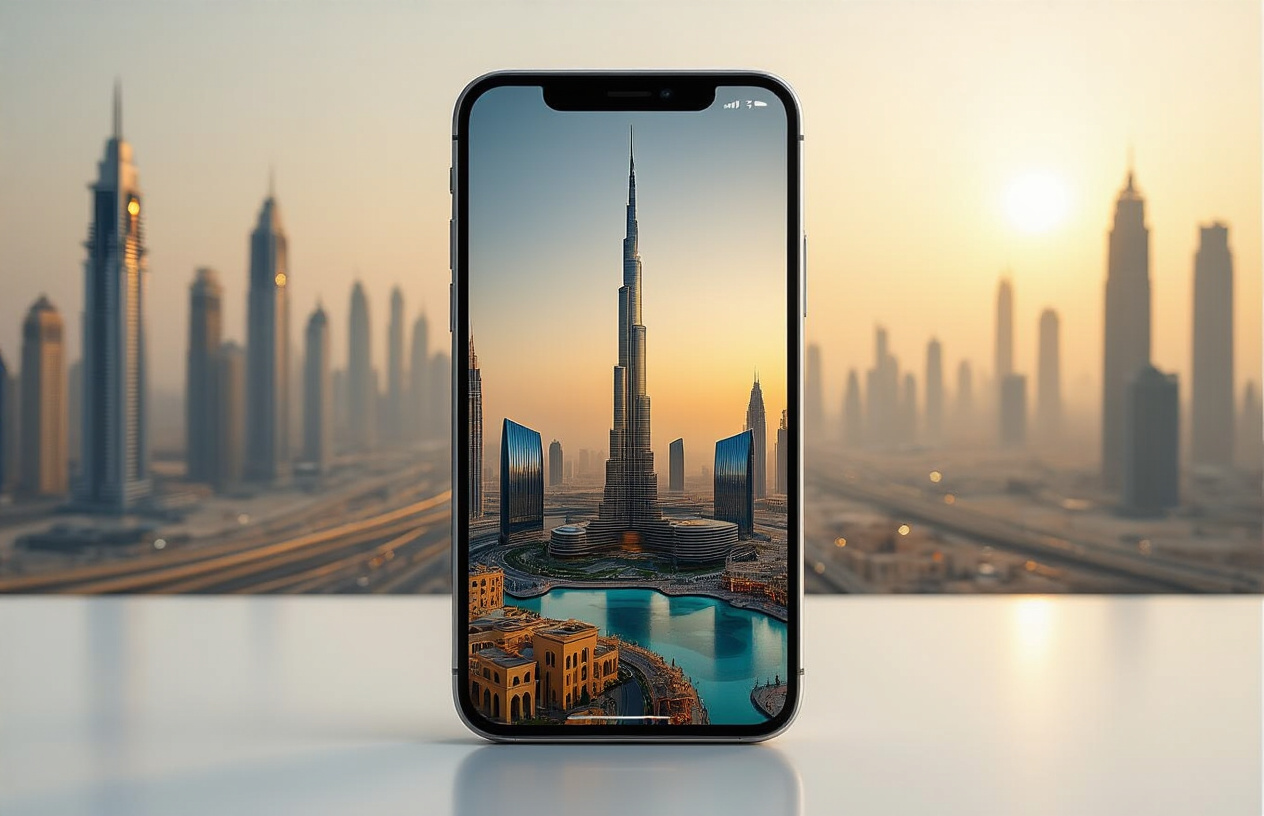
Dubai's tourism board and major developers like Emaar spend millions annually hosting influencers, covering five-star stays, helicopter rides, and desert safaris — all in exchange for glossy content. This isn't organic admiration; it's a calculated marketing machine. The result? Your feed fills with the same Burj Khalifa sunset shots and infinity pool moments, repeatedly.
The Selective Angles That Hide Construction Zones and Crowded Spaces
Dubai Instagram vs reality becomes obvious the moment you step outside a curated resort bubble. Behind every stunning architectural photo sits scaffolding, dust clouds, and gridlocked traffic that stretches for kilometers. Photographers carefully frame shots to exclude the half-finished towers, cramped worker housing, and packed public spaces that define much of the city's real geography.
Why Influencers Rarely Show the Full Picture of Daily Life
Content creators staying in comp'd penthouses aren't exactly motivated to document the 45-minute commute on a packed metro or the frustration of navigating a city designed almost exclusively around cars. Authentic Dubai travel experiences — local souks, immigrant neighborhoods, the unglamorous humidity — rarely make the final edit. Showing real life in Dubai simply doesn't perform as well with algorithms rewarding aspirational fantasy over honest storytelling.
The Stark Economic Divide Hidden Behind the Glittering Skyline
The Reality of Migrant Worker Conditions Powering the City
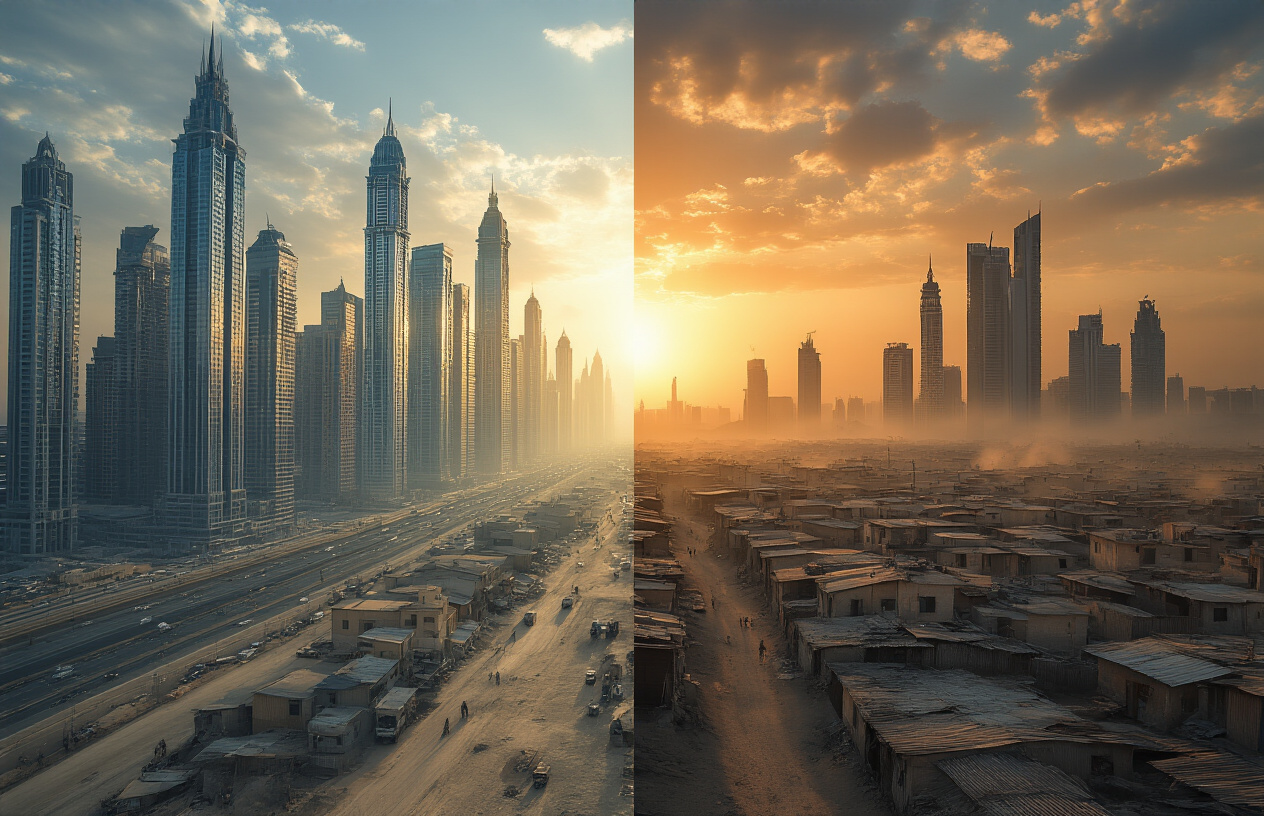
Nearly 90% of Dubai's workforce consists of migrant laborers, mostly from South Asia, who build those gleaming towers and staff luxury hotels. Many live in labor camps far from the city center, working in brutal heat for wages that rarely exceed $300 monthly.
Vast Income Inequality Between Expats, Locals, and Laborers
The economic gap in Dubai is staggering:
| Group | Average Monthly Income |
|---|---|
| Emirati nationals | $8,000–$15,000+ |
| Western expats | $5,000–$12,000 |
| Asian expats | $1,500–$4,000 |
| Migrant laborers | $200–$400 |
This is the Dubai wealth inequality that never makes the highlight reel.
Neighborhoods Tourists Never Visit and Instagram Never Shows
Areas like Sonapur, Al Quoz, and Deira tell a completely different story — crowded dormitories, small shared apartments, budget cafeterias. Real life in Dubai for most residents looks nothing like Burj Khalifa views.
The Cost of Living That Makes Luxury Inaccessible to Most Residents
Rent, schooling, and healthcare costs have skyrocketed. Many mid-level expats quietly struggle, spending 50–70% of their income just on housing. The Dubai expat life reality is often financial stress wrapped in a glamorous postcode.
Cultural Realities That Contradict the Party Destination Myth
Strict Laws Around Public Behavior, Dress Codes, and Alcohol
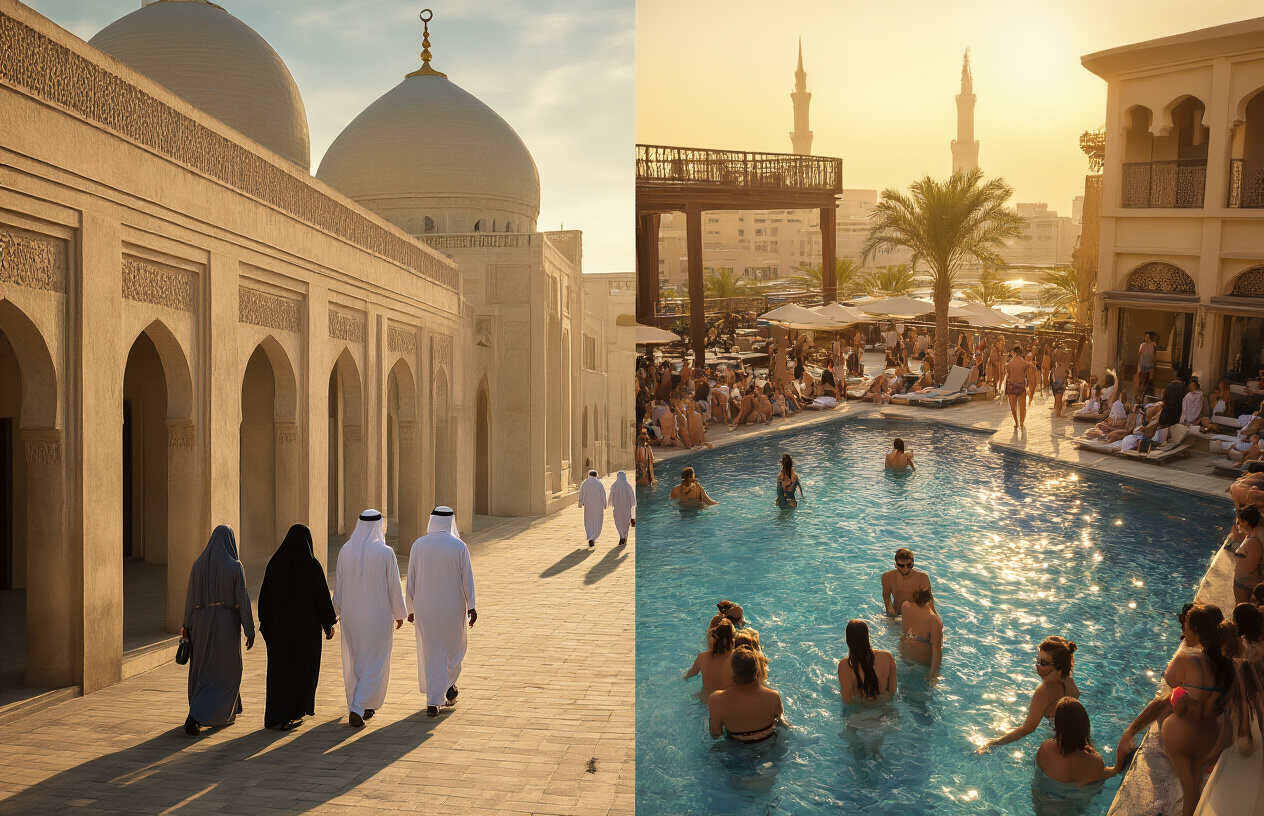
Dubai's Dubai cultural restrictions catch many visitors off guard. Alcohol exists but only in licensed hotels and private clubs — you can't grab a beer at a random restaurant or public beach. Public displays of affection can result in fines or arrest. Dress codes, especially in malls and markets, expect covered shoulders and knees from everyone, regardless of nationality.
Religious Customs and Traditions That Shape Everyday Life
During Ramadan, eating, drinking, or smoking in public during daylight hours is illegal — even for tourists. Friday prayers reshape business hours weekly. Five daily calls to prayer mark the rhythm of the city in ways no Instagram reel captures.
The Limitations on Free Speech and Personal Expression
Criticizing the government, the royal family, or Islam online carries serious legal consequences. VoIP services like WhatsApp calls are restricted. LGBTQ+ relationships remain criminalized.
How Western Tourists Experience a Completely Different Dubai Than Locals
| Tourist Dubai | Local/Expat Dubai |
|---|---|
| Rooftop bars, beach clubs | Restricted social spaces |
| Freedom to photograph anything | Careful about what's filmed |
| Short stays, light scrutiny | Employment visa dependency |
| Luxury bubble experience | Legal system vulnerability |
The real life in Dubai behind the tourist curtain operates by an entirely different rulebook.
Environmental Costs Masked by Stunning Architectural Photos
One of the Highest Carbon Footprints Per Capita in the World
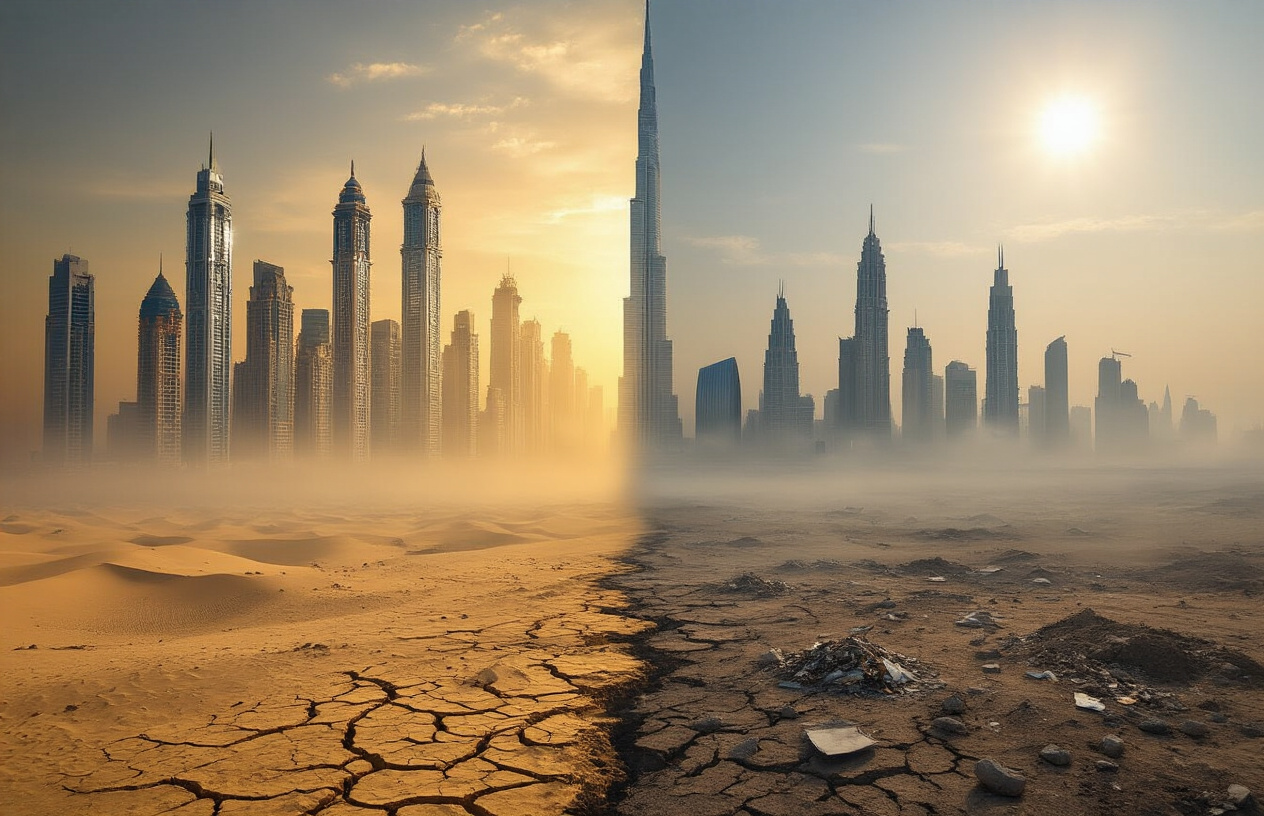
Dubai's dazzling skyline comes at a serious environmental price. The UAE consistently ranks among the world's top carbon emitters per capita — a reality that never makes it into those golden-hour architectural shots. Keeping thousands of glass skyscrapers cool in 45°C heat demands extraordinary energy, mostly generated from fossil fuels. The Dubai environmental impact is simply staggering compared to its population size.
The Massive Water Consumption Behind Lush Greenery and Pools
Those Instagram-perfect resort pools and impossibly green golf courses exist in a desert receiving fewer than 100mm of rainfall annually. Dubai relies heavily on energy-intensive desalination plants to meet demand. Producing one liter of desalinated water generates significant CO₂ — making every lush lawn a hidden environmental cost most visitors never consider.
How Artificial Islands and Rapid Development Damage Marine Ecosystems
| Development | Ecological Damage |
|---|---|
| Palm Jumeirah | Destroyed natural coral reefs and seagrass beds |
| The World Islands | Disrupted sediment flow and fish migration routes |
| Coastal construction | Reduced marine biodiversity by estimated 60% locally |
The artificial islands that photograph so dramatically from above have essentially smothered thriving marine ecosystems beneath them. What looks visually spectacular represents an ecological trade-off that rarely gets discussed in travel content.
What Authentic Dubai Offers Beyond the Social Media Highlight Ree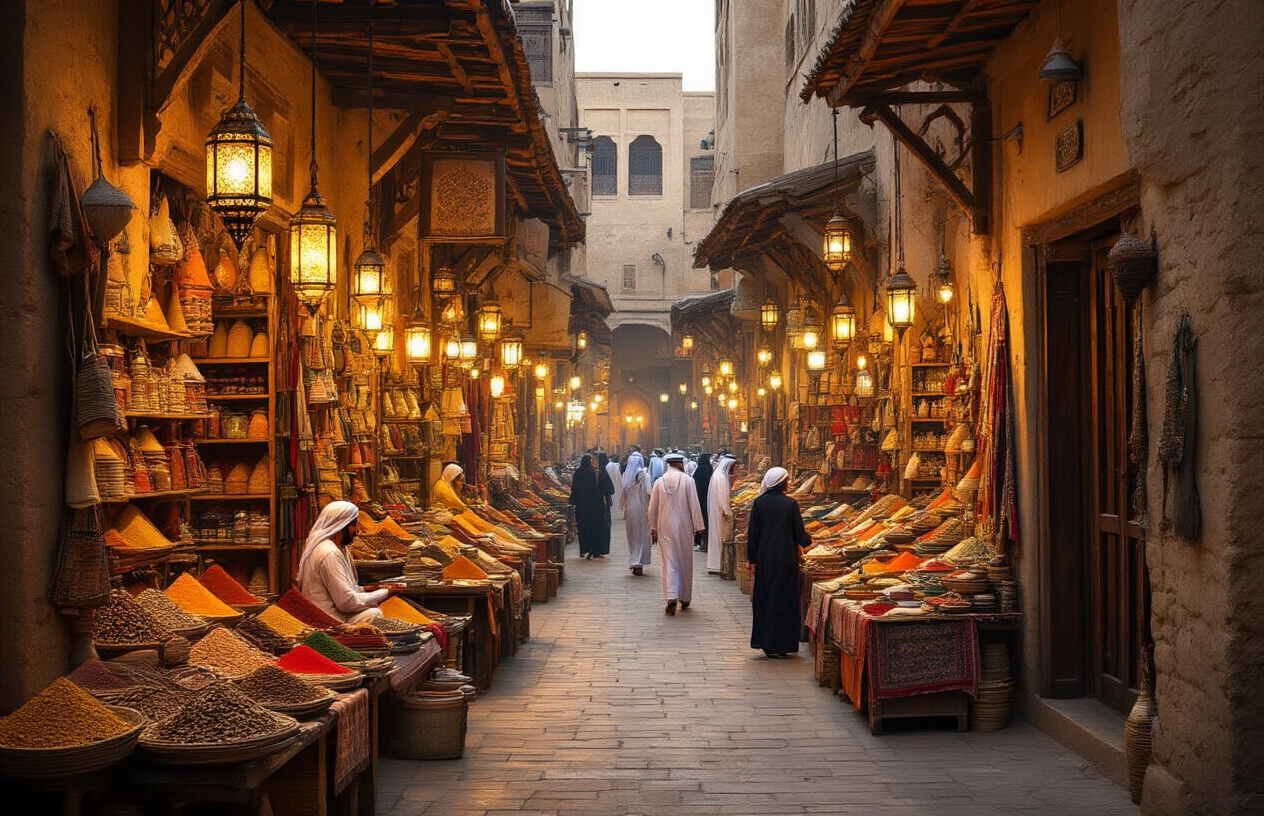
Rich Emirati Culture and Heritage Worth Genuinely Exploring
Beneath the skyscrapers sits a culture with deep Bedouin roots. The Sheikh Mohammed Centre for Cultural Understanding runs "Open Doors, Open Minds" sessions where you can share a meal with locals and ask questions you'd never dare ask a stranger. This is authentic Dubai travel that no Instagram filter can replicate.
Old Dubai Neighborhoods That Tell the City's Real Story
Al Fahidi Historical Neighbourhood — Dubai's oldest surviving quarter — tells the story no luxury hotel brochure bothers with. Wind towers cooled homes before air conditioning existed. The Dubai Museum, housed in a 1787 fort, grounds you in a reality that existed long before the Burj Khalifa.
Local Markets, Cuisine, and Traditions Tourists Overlook
| Overlooked Experience | What You Actually Get |
|---|---|
| Deira Spice Souk | Raw sensory immersion, zero tourists |
| Oud Metha's local restaurants | Authentic Emirati machboos, cheap |
| Al Quoz Friday Market | Real neighborhood life |
Finding Meaningful Travel Experiences Beyond Staged Luxury
Real life in Dubai lives in the gaps between the glossy moments — sharing karak chai with a taxi driver, wandering through Bur Dubai at dusk, or bargaining at the Gold Souk. These experiences cost almost nothing and stay with you far longer than any rooftop pool photo.
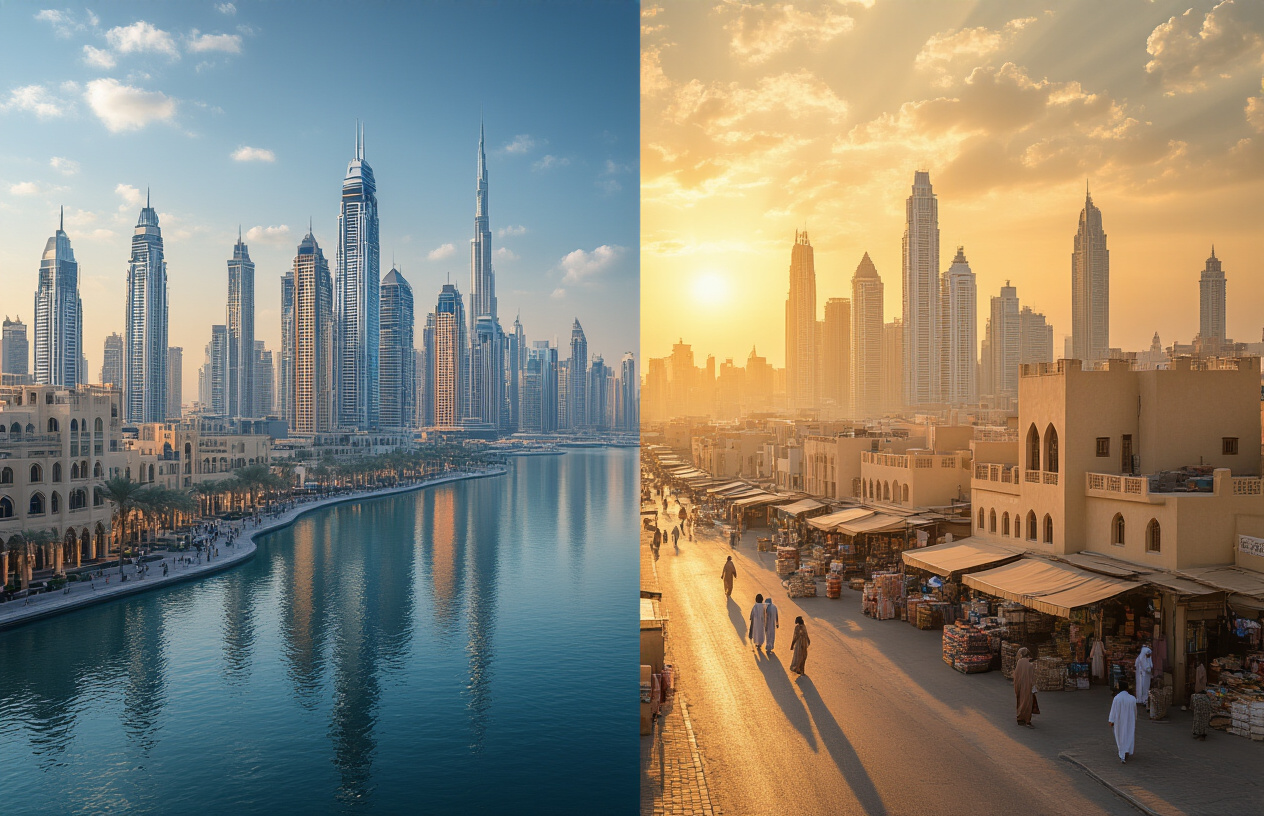
Dubai is far more layered than any Instagram feed could ever capture. Behind the luxury hotels and infinity pools sits a city shaped by deep economic inequality, strict cultural codes, and serious environmental trade-offs that most visitors never think to question. The glamorous skyline shots and beach party clips tell one story, but the real Dubai — with its traditions, its working communities, and its complicated relationship with rapid modernization — tells a very different one.
If you're planning a trip or simply curious about the place, go beyond the highlight reel. Skip the overpriced brunch spots for once and wander into the older neighborhoods, talk to people, and pay attention to what the polished photos leave out. Dubai has genuine character worth discovering — you just won't find it in a filtered sunset shot from the Burj Khalifa.
Post a Comment