
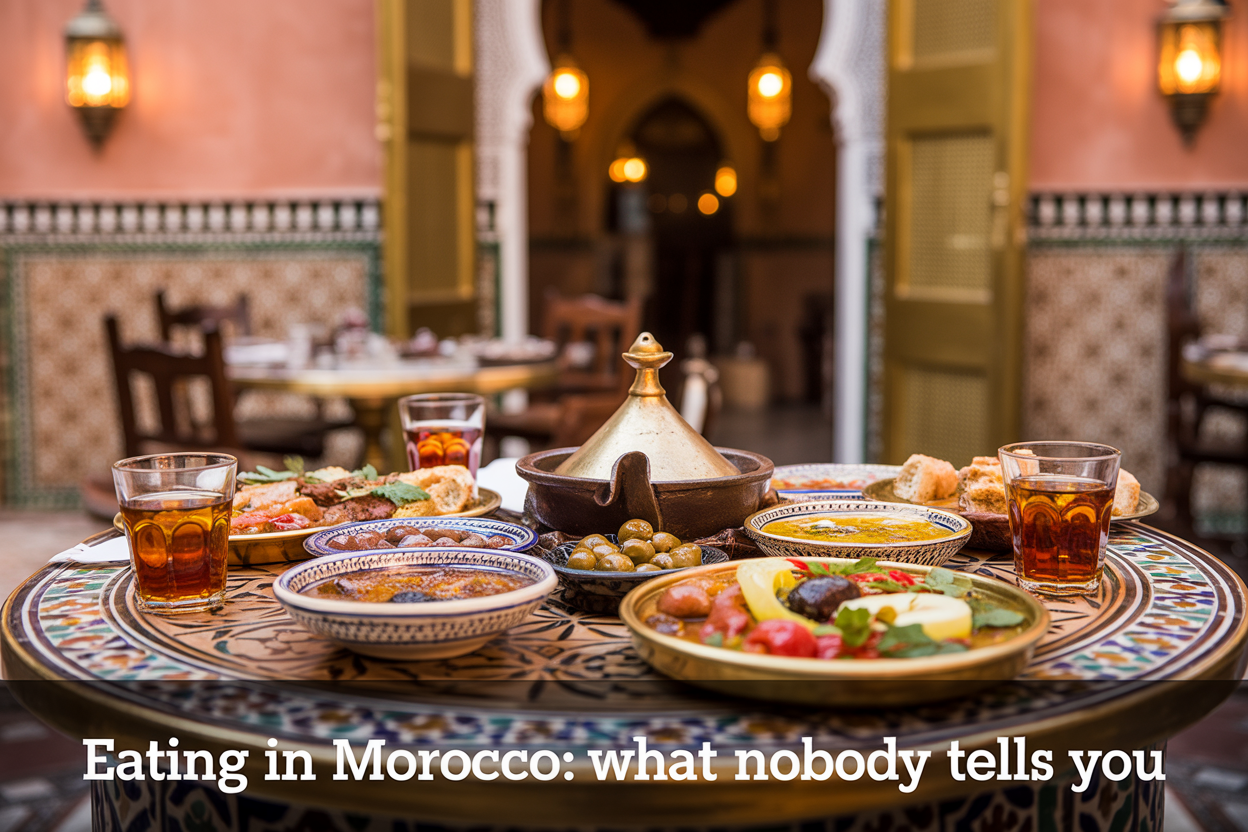
What Nobody Tells You About Eating in Morocco
If you've done any research on Moroccan food culture, you've probably seen the same things pop up — tagine, couscous, mint tea. And yes, all of that is real and worth every bite. But there's a whole layer of eating in Morocco that most travel guides skip right over.
This is for anyone planning a trip to Morocco who wants to eat well, eat smart, and actually connect with the food beyond the tourist menu. First-timers and repeat visitors alike will find something useful here.
We'll get into the unwritten rules of Moroccan dining etiquette that can make or break a meal, especially if you're lucky enough to eat at a Moroccan home. We'll also dig into the hidden Moroccan dishes that locals actually eat — the ones sitting quietly in Moroccan markets and street food stalls while everyone else is crowded around the same three spots. And we'll talk flavor — because authentic Moroccan flavors mix sweet, savory, and spice in ways that genuinely catch people off guard the first time.
By the end, you'll have the Morocco travel food tips that actually help you eat with confidence, curiosity, and zero awkward moments at the table.
The Unwritten Rules of Moroccan Dining Etiquette
Why Eating with Your Right Hand Matters More Than You Think
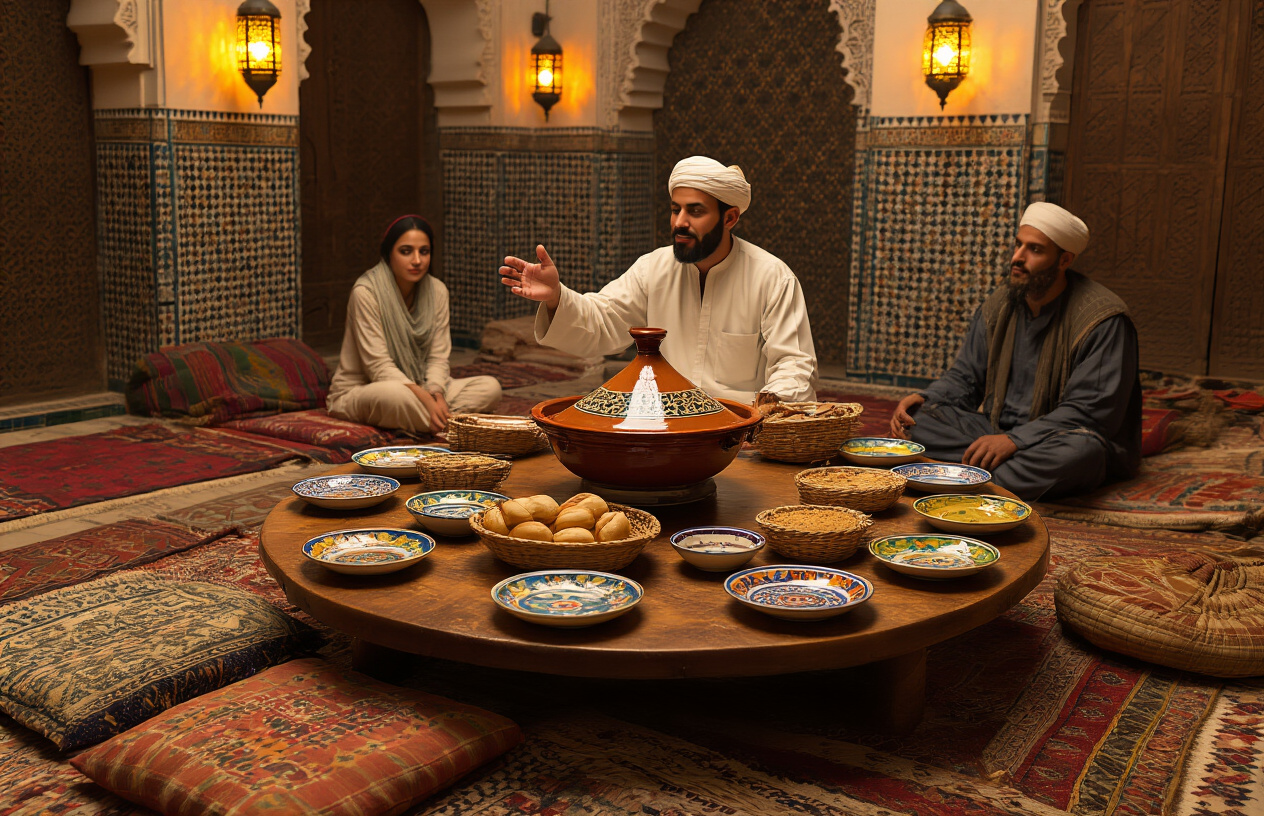
In Moroccan food culture, the left hand is considered unclean — full stop. Reaching into a communal dish with your left hand is genuinely offensive, not just a minor faux pas. Even left-handed travelers need to make the switch at the table. Your hosts will notice, and they'll appreciate the effort more than you know.
How to Properly Accept Food as a Guest Without Offending Your Host
Refusing food in a Moroccan home sends the wrong message entirely. Saying no, even politely, can feel like a rejection of the host's generosity. The safest move? Take a small portion first. You can always slow down later by saying "baraka" (enough, thank you) — that's the culturally graceful exit. Eating at a Moroccan home means embracing abundance, so lean into it.
The Real Meaning Behind Sharing One Communal Plate
Sharing one large plate isn't just practical — it's deeply symbolic. It signals trust, equality, and belonging. Traditional Moroccan dining etiquette means you eat from the section of the plate directly in front of you, never reaching across to someone else's side. That invisible boundary on the plate? Respect it. It keeps the meal harmonious and the atmosphere warm.
Hidden Gems Beyond the Famous Tagine and Couscous
Street Foods Most Tourists Walk Right Past
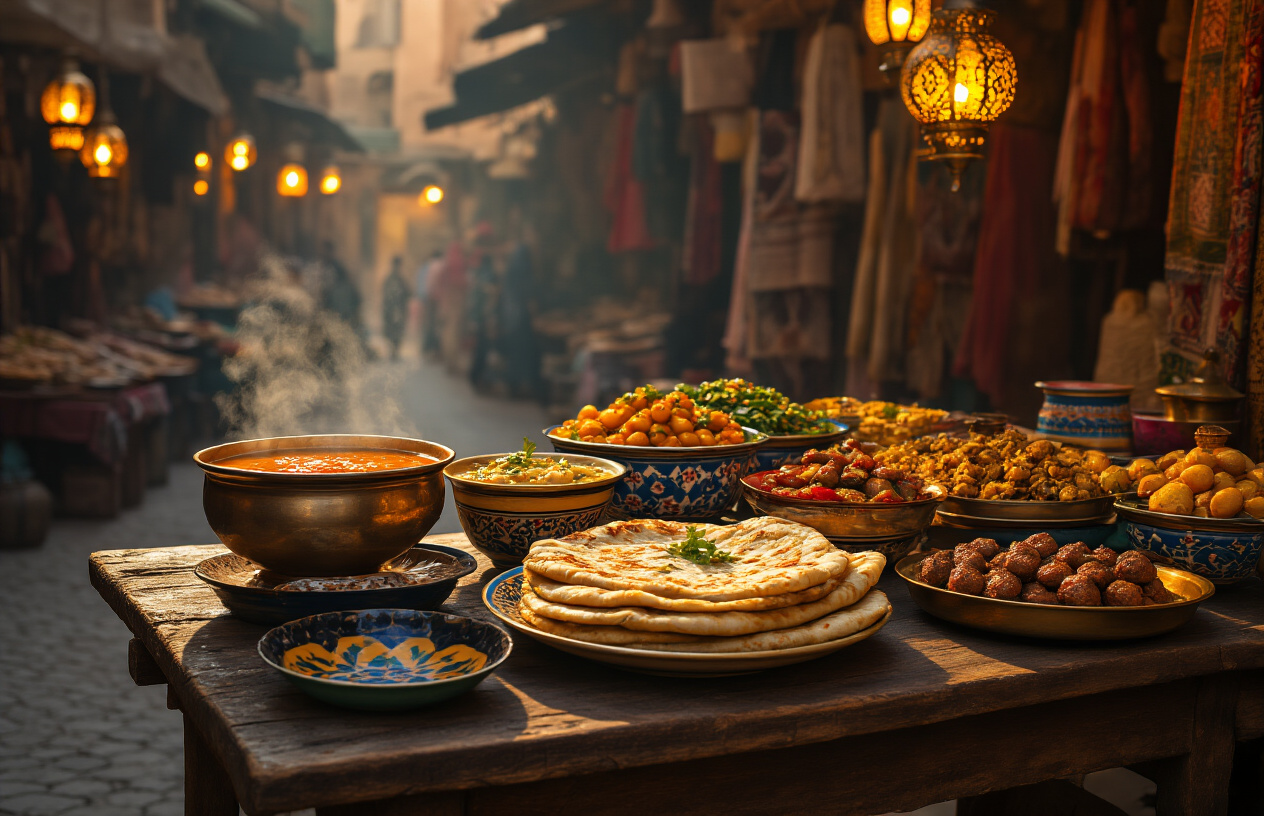
Moroccan street food goes way deeper than mint tea and brochettes. Keep an eye out for msemen (flaky, griddle-fried flatbread), makouda (crispy potato fritters stuffed inside a roll), and baghrir — spongy semolina pancakes riddled with tiny holes, soaked in honey and butter. These are breakfast staples locals grab without a second thought.
Regional Dishes That Never Make It Into Travel Guides
| Region | Dish | What Makes It Special |
|---|---|---|
| Fez | Rfissa | Shredded msemen with lentils and fenugreek chicken |
| Marrakech | Tangia | Slow-cooked lamb in an urn, buried in hammam embers |
| Souss | Amlou | Almond-argan oil-honey dip, rich and nutty |
Underrated Soups and Breads Locals Eat Every Day
Harira gets some attention, but bissara — a thick fava bean soup drizzled with olive oil and cumin — is the real unsung hero of Moroccan mornings. Pair it with khobz fresh from the communal oven and you have an authentic, dirt-cheap breakfast.
Seasonal Delicacies Worth Planning Your Trip Around
Visit in spring for argan oil harvest experiences in the south. Winter brings mechoui festivals with whole-roasted lamb. Ramadan unlocks special sweets like chebakia that simply vanish after the holy month ends.
What to Expect When Eating at a Moroccan Home
How Meal Times Differ Drastically From Western Norms
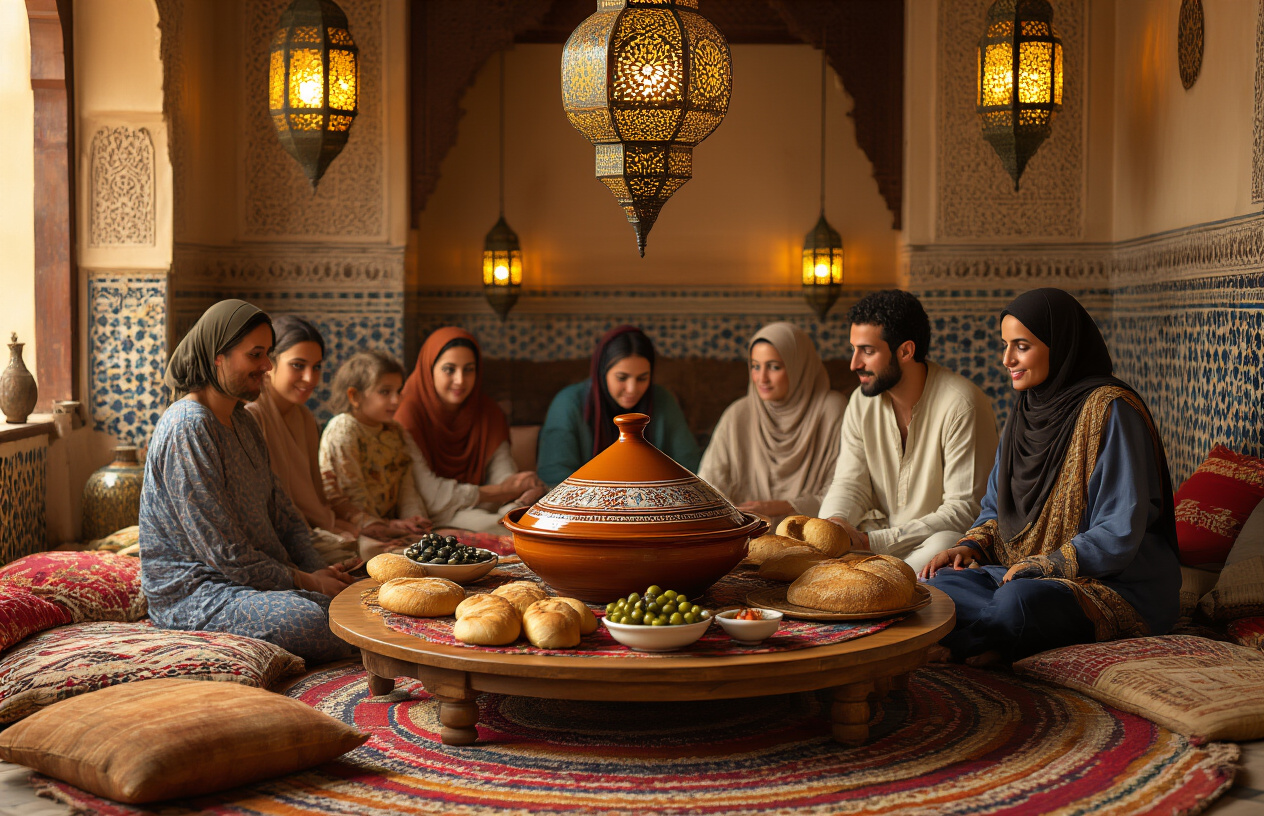
Eating at a Moroccan home means throwing your usual schedule out the window. Lunch is the main event — often served between 1 and 3 PM — and it's a proper, multi-dish spread. Dinner tends to happen late, sometimes not until 9 or 10 PM. Don't show up hungry at 6 PM expecting food anytime soon.
The Role of Mint Tea in Every Social Interaction
Mint tea isn't just a drink in Morocco — it's a whole ritual. When you arrive at someone's home, tea comes first, always. It's poured from a height to create foam, served sweet, and offered at least three times. Declining the first cup is unusual and can read as cold or standoffish. Think of accepting tea as your way of saying, I'm glad to be here.
Why Refusing a Second Helping Can Cause Offense
Moroccan hosts measure hospitality through generosity, and that means piling food on your plate repeatedly. Saying "no thanks" too quickly signals that something was wrong with the meal. The polite move? Accept at least one or two extra servings before firmly, warmly declining. Placing your hand over your plate while smiling works perfectly as a gentle, respectful signal that you're genuinely full.
Navigating Moroccan Markets and Food Stalls Like a Local
How to Identify the Freshest Ingredients at Any Souk
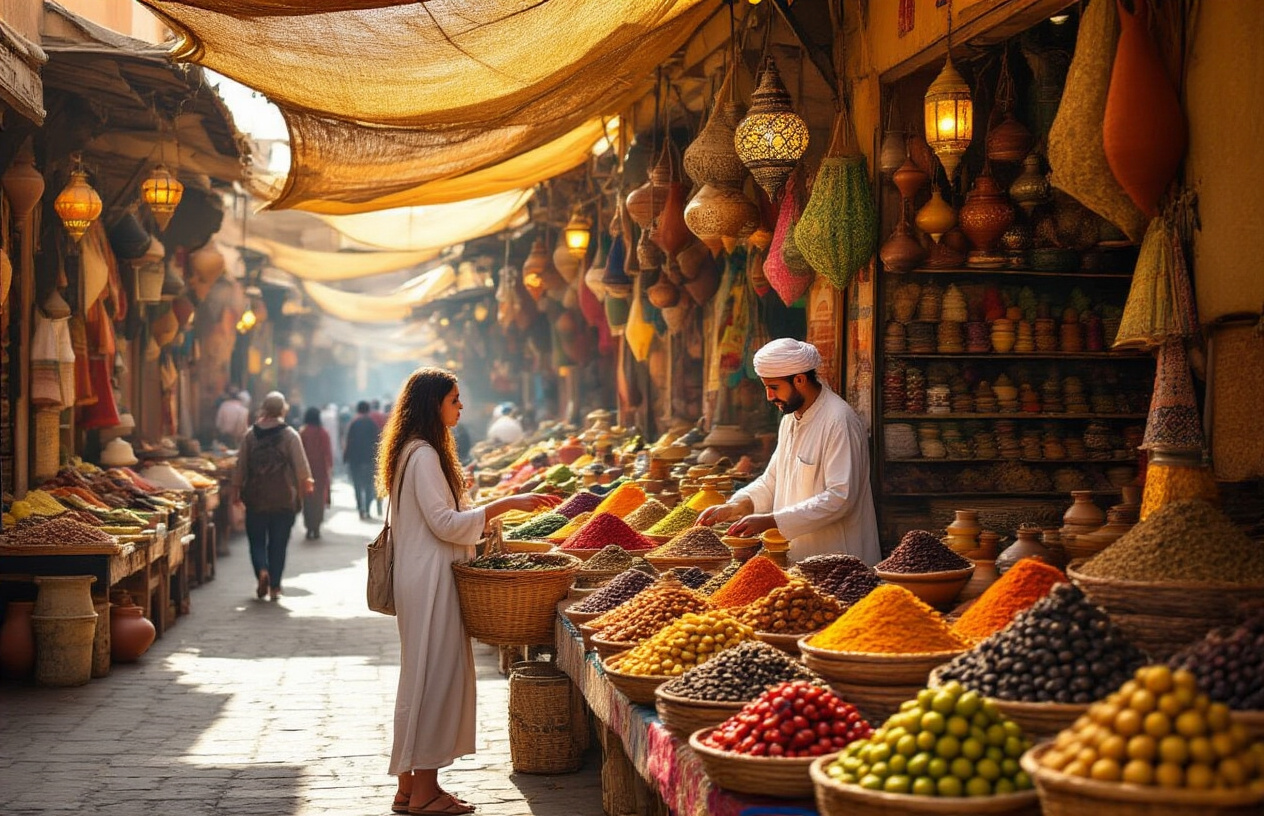
Smell everything. Seriously. Fresh Moroccan spices, herbs, and produce have an intensity that faded or older stock simply can't fake. Look for olives in brine that still look plump, vegetables with no soft spots, and fish with clear eyes and a clean ocean smell — not ammonia.
Smart Ways to Avoid Tourist Traps in Busy Medinas
Wander one street past the main drag. Prices drop fast the moment you leave tourist-heavy corridors. If a vendor speaks five languages and greets you before you've stopped walking, keep moving.
Knowing Which Street Vendors Are Worth the Wait
Long queues of locals — especially older Moroccan women — are your best endorsement. Popular Moroccan street food like msemen, brochettes, and harira soup always tastes better at the busy spot with the worn-down plastic stools.
Bargaining for Food Without Being Rude or Disrespectful
Food bargaining is lighter than souvenir haggling. A smile and a polite counter-offer work better than aggressive negotiating. Never walk away dramatically over a few dirhams — it reads as disrespectful.
The Best Times of Day to Visit Food Markets for Quality Picks
| Time | What You'll Find |
|---|---|
| Early morning (7–9am) | Peak freshness, full selection |
| Late afternoon (4–6pm) | Discounted prices, end-of-day deals |
| Midday | Crowds, picked-over produce |
Flavor Combinations That Will Completely Surprise Your Palate
The Unexpected Use of Sweet Ingredients in Savory Dishes
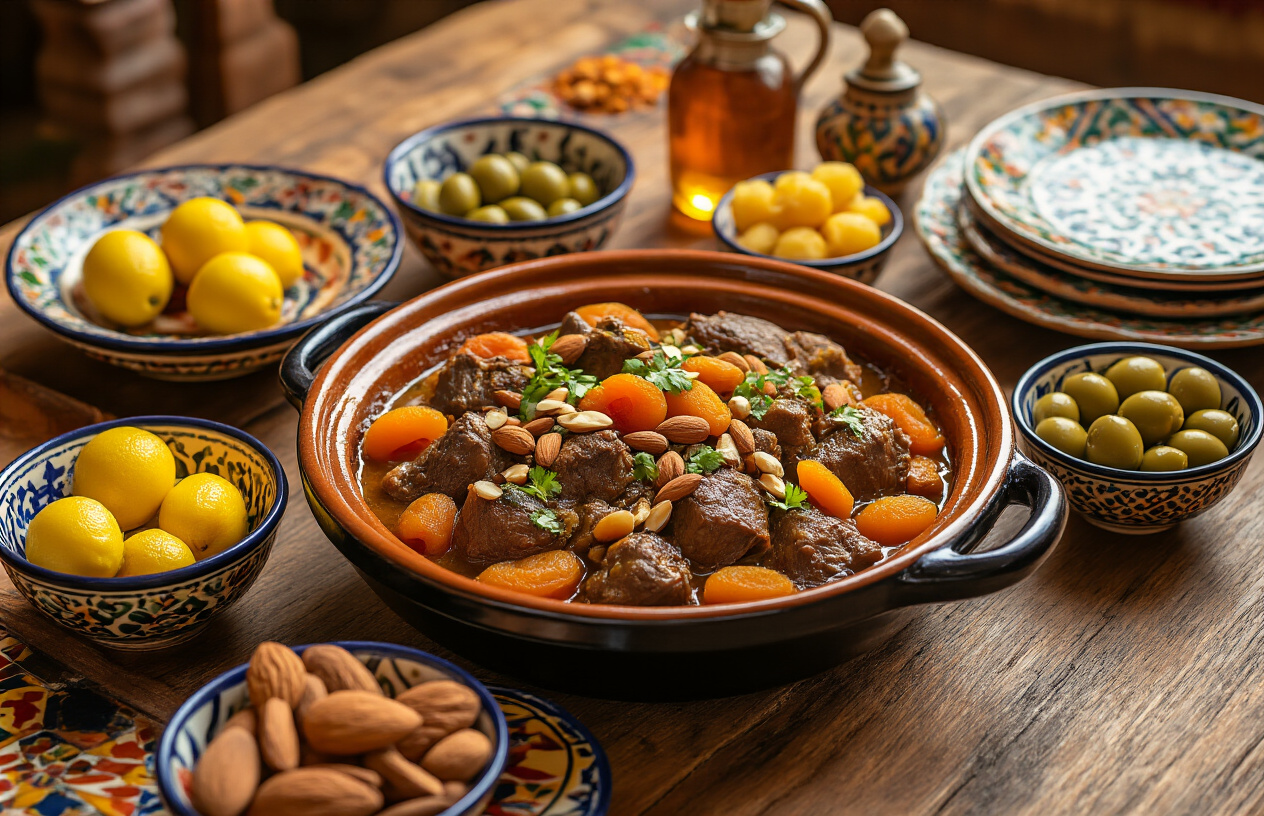
Authentic Moroccan flavors thrive on contrast. Chicken tagine arrives at the table dotted with plump raisins and honey-glazed almonds. Lamb gets slow-cooked alongside prunes and caramelized onions. This sweet-savory pairing isn't accidental — it traces back to Andalusian and Berber culinary traditions that treat sugar as a seasoning, not just a dessert ingredient. First-timers are often caught off guard, but one bite usually converts the skeptics.
Spices That Define Moroccan Cuisine and How to Recognize Them
| Spice/Blend | Flavor Profile | Commonly Found In |
|---|---|---|
| Ras el Hanout | Warm, complex, floral | Tagines, couscous |
| Cumin | Earthy, slightly smoky | Grilled meats, soups |
| Saffron | Delicate, honey-like | Chicken dishes, bastilla |
| Cinnamon | Sweet, woody | Lamb, pastries |
| Paprika | Mild, slightly sweet | Kefta, marinades |
Learning these spices helps you read traditional Moroccan cuisine like a map — each dish tells you exactly where it's from.
Why Preserved Lemons and Olives Change Everything
Preserved lemons bring a mellow, almost fermented citrus punch that fresh lemons simply can't replicate. Paired with briny olives, they cut through rich, fatty dishes beautifully. These two ingredients show up constantly in Morocco travel food experiences — and once your palate adjusts, food without them starts feeling flat.
Practical Tips for Eating Safely and Confidently in Morocco
What to Drink and What to Avoid to Stay Healthy
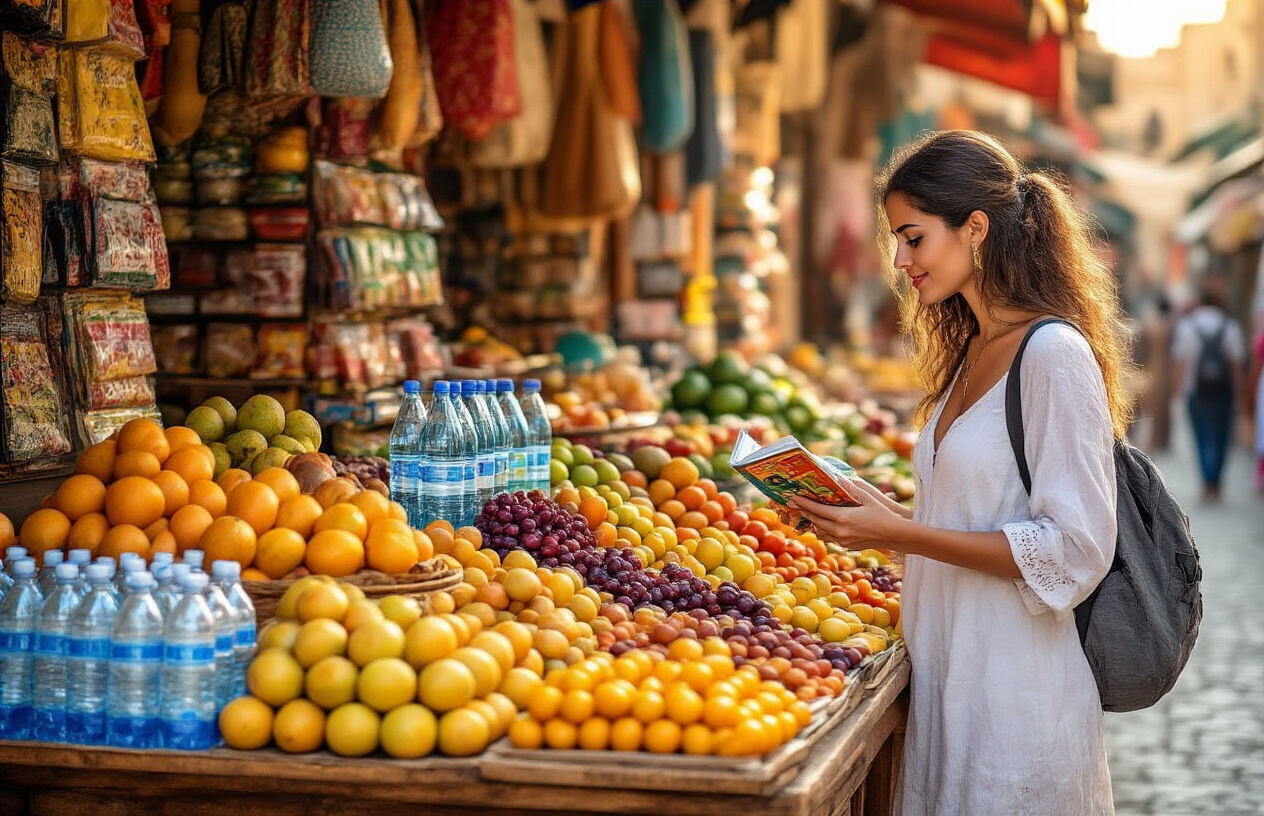
Tap water in Morocco is technically treated, but your stomach won't thank you for trusting it. Stick to bottled water, and check the seal is intact before drinking. Mint tea is everywhere and completely safe — embrace it. Fresh-squeezed orange juice from market stalls is a Morocco travel food tip worth following, but watch that it's made to order, not pre-squeezed and sitting out.
Avoid ice in drinks unless you're at an upscale restaurant that specifies purified water.
How to Communicate Dietary Restrictions Without Confusion
Learning a few key phrases in Darija or French goes a long way. Vegetarians should know that "no meat" sometimes means "no visible chunks of meat" — broths and seasonings may still contain animal products. Be specific and patient.
| Restriction | Useful Phrase (French) |
|---|---|
| No meat | Sans viande |
| No pork | Sans porc |
| No gluten | Sans gluten |
| Vegetarian | Végétarien(ne) |
Understanding Which Foods Are Seasonal or Regionally Specific
Traditional Moroccan cuisine shifts beautifully with the seasons. Argan oil products are more authentic in the Souss region. Pastilla with pigeon is a Fes specialty. Fresh figs and pomegranates peak in autumn — that's the best time to explore Moroccan market food at its ripest.
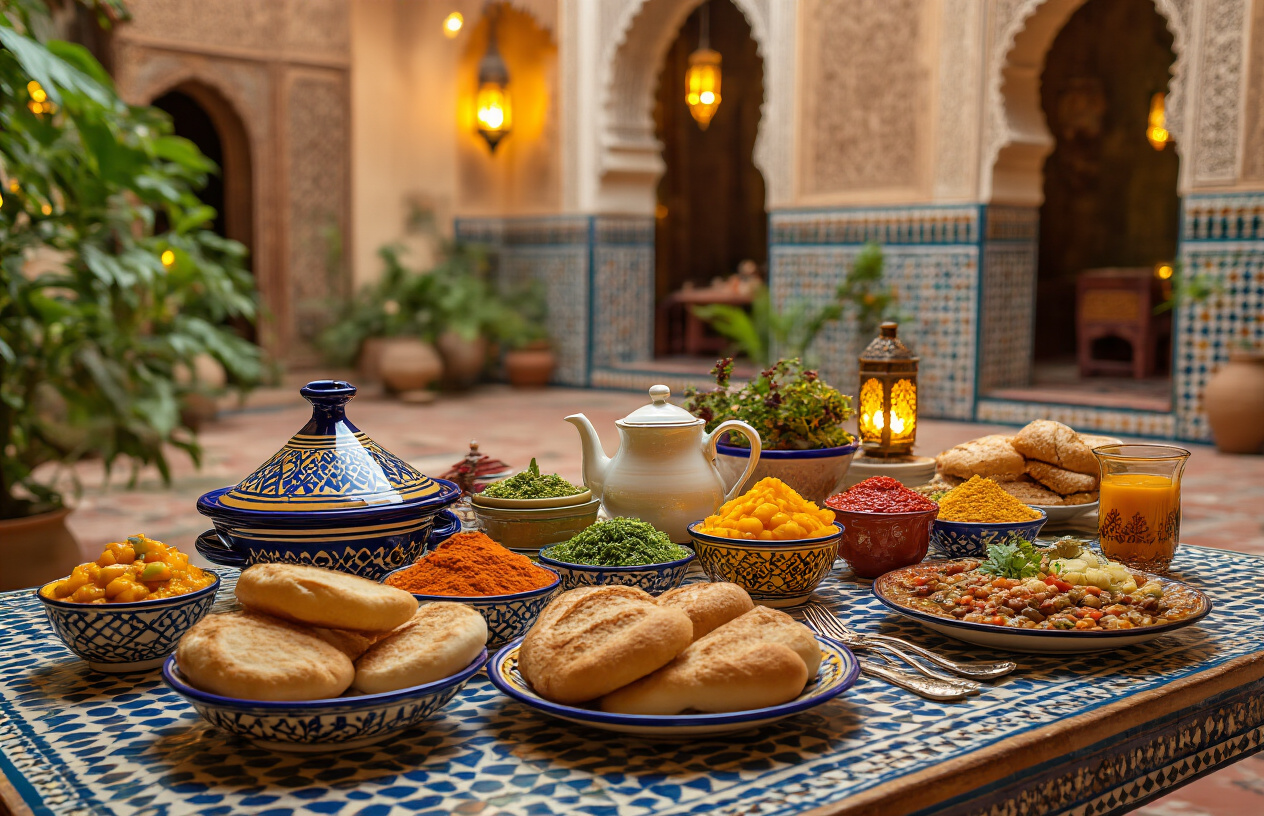
Moroccan food culture runs much deeper than the dishes themselves. From knowing how to act at a local's dinner table to finding the best bites tucked inside a busy souk, the experience is layered, personal, and honestly unforgettable. The flavors will catch you off guard in the best way possible, and once you get past the tourist-facing menus, you'll find a whole world of food that most visitors completely miss.
Go in with an open mind, a willingness to eat with your hands, and zero hesitation about trying something you can't pronounce. Talk to locals, follow the crowds at the food stalls, and say yes when someone invites you to share a meal in their home. That's where the real Morocco lives — not on a restaurant menu, but around a shared table with warm bread and a pot of mint tea.
Post a Comment