
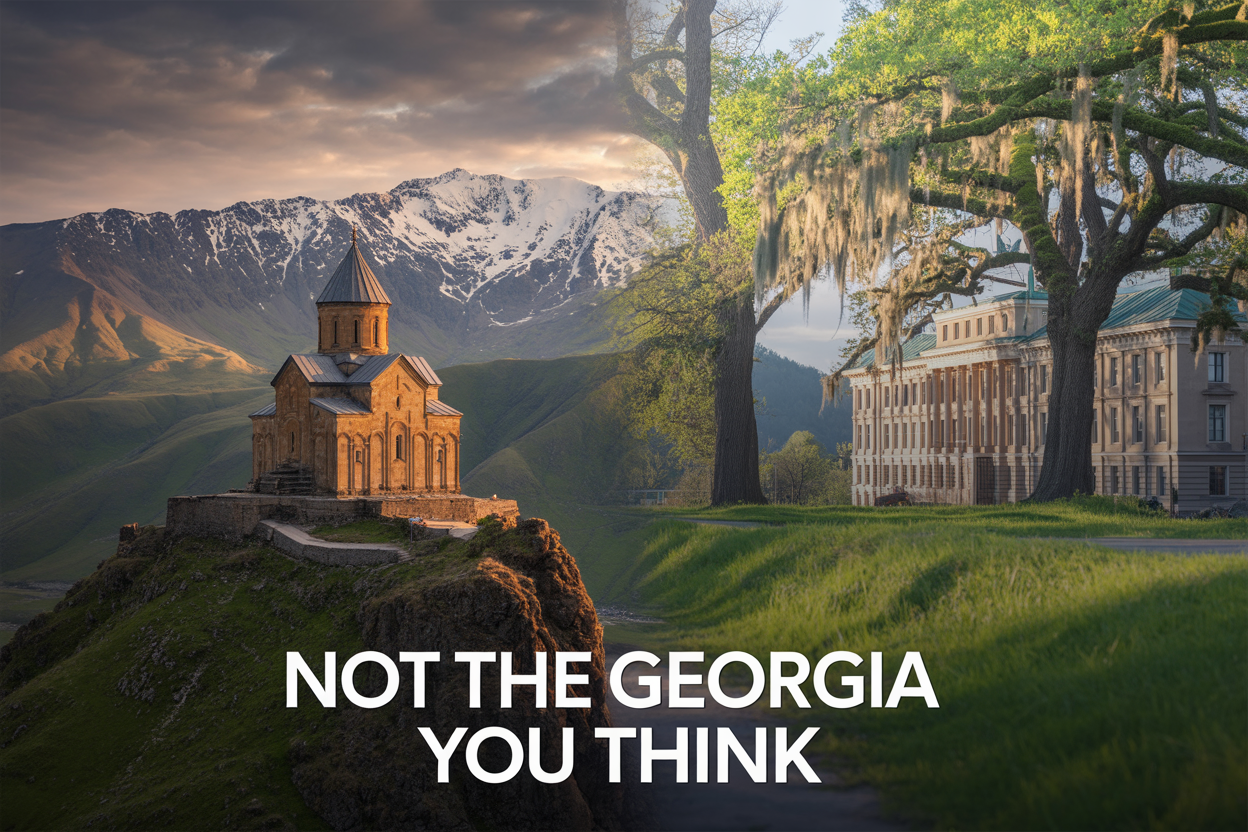
Why Georgia Is Not the Country You Think It Is
If you searched "Georgia" and ended up confused about whether you're reading about peaches and college football or a ancient nation tucked between the Caucasus Mountains and the Black Sea, you're not alone. The Georgia country vs US state mix-up trips up travelers, history buffs, and curious readers every single day.
This guide is for anyone who wants to finally get the full picture — whether you've stumbled across Georgia the country on a travel blog, spotted it on a map, or just realized you've been mentally placing it in the American South this whole time.
Here's what we'll dig into:
-
The dual identity problem — how two completely different places share one name and why that matters when you're trying to learn about either one
-
Georgia the country's ancient history — this is a civilization that predates most of what you learned in school, sitting quietly in the Caucasus region with thousands of years of stories behind it
-
The biggest myths about both Georgias — some of what you think you know is flat-out wrong, and clearing that up makes both places a lot more interesting
By the end, Georgia the country won't just be a pin on a map — it'll be one of those Eastern Europe hidden gems you'll actually want to know more about.
The Surprising Dual Identity of Georgia
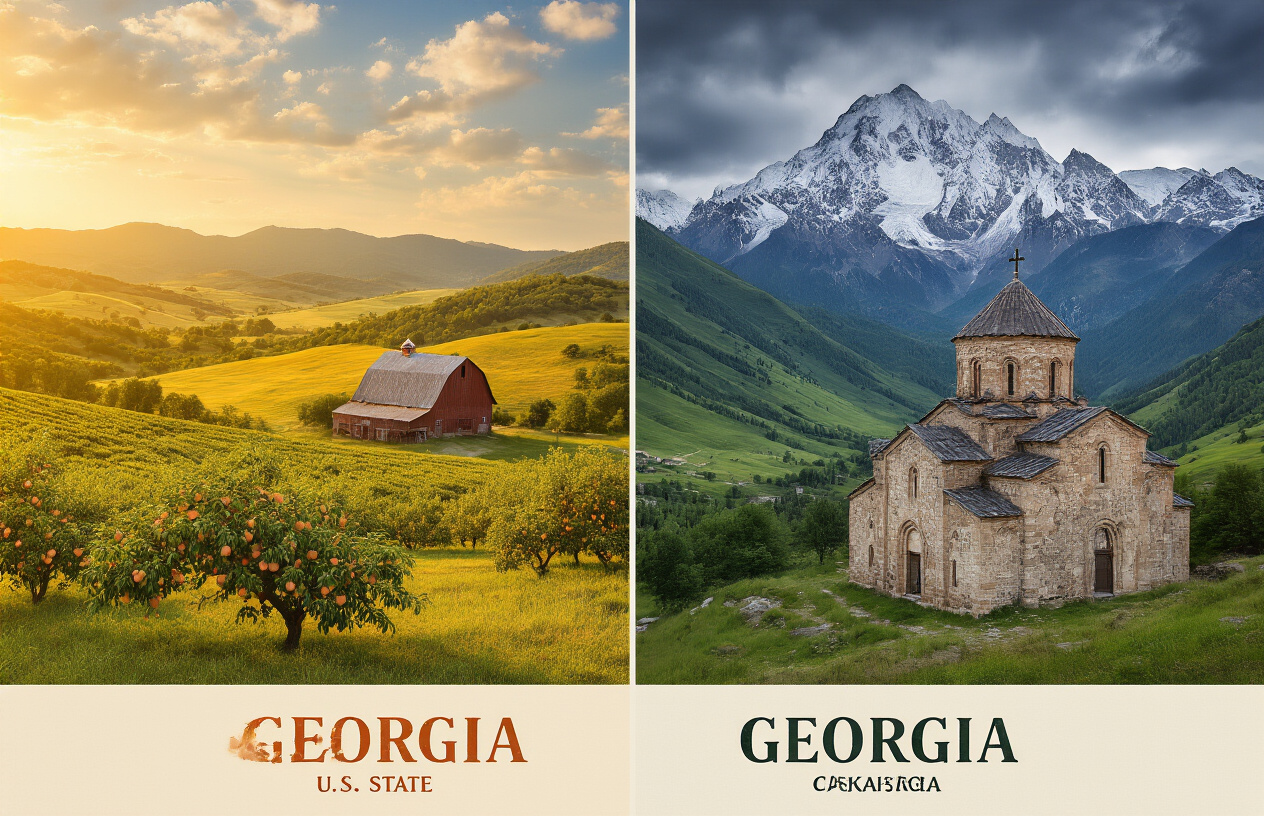
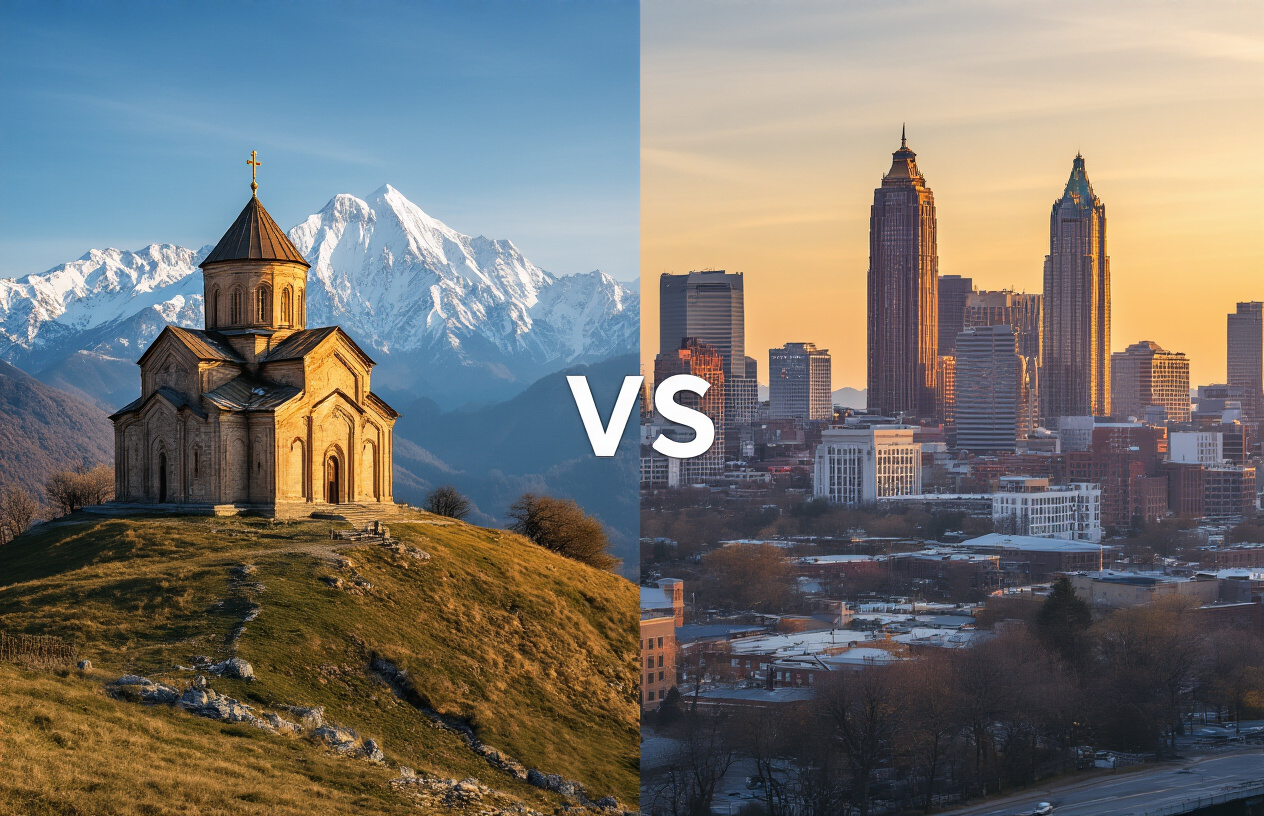
Georgia the U.S. State vs. Georgia the Country
These two places couldn't be more different, yet they share the same name and constantly get mixed up.
| Feature | Georgia (U.S. State) | Georgia (Country) |
|---|---|---|
| Location | Southeastern USA | South Caucasus region |
| Capital | Atlanta | Tbilisi |
| Population | ~11 million | ~3.7 million |
| Language | English | Georgian (unique script) |
| Known For | Peaches, MLK, Delta hub | Ancient wine, Caucasus mountains |
Why Most People Confuse the Two
The confusion is almost automatic. Type "Georgia" into a search engine, and American results dominate. The U.S. state carries massive cultural weight — Atlanta, the Georgia Bulldogs, Ray Charles. Georgia the country, tucked between Russia, Turkey, and Armenia, simply doesn't get the same airtime in Western media, making it one of Europe's most underrated hidden gems.
The Origins of Both Names
The U.S. state was named after King George II of Britain in 1732. The country's name has murkier roots — likely derived from the Persian "Gurj," though Georgians call their homeland Sakartvelo. The two names converged purely by coincidence, creating a geographic identity puzzle that still trips people up today.
Georgia the Country's Rich and Ancient History
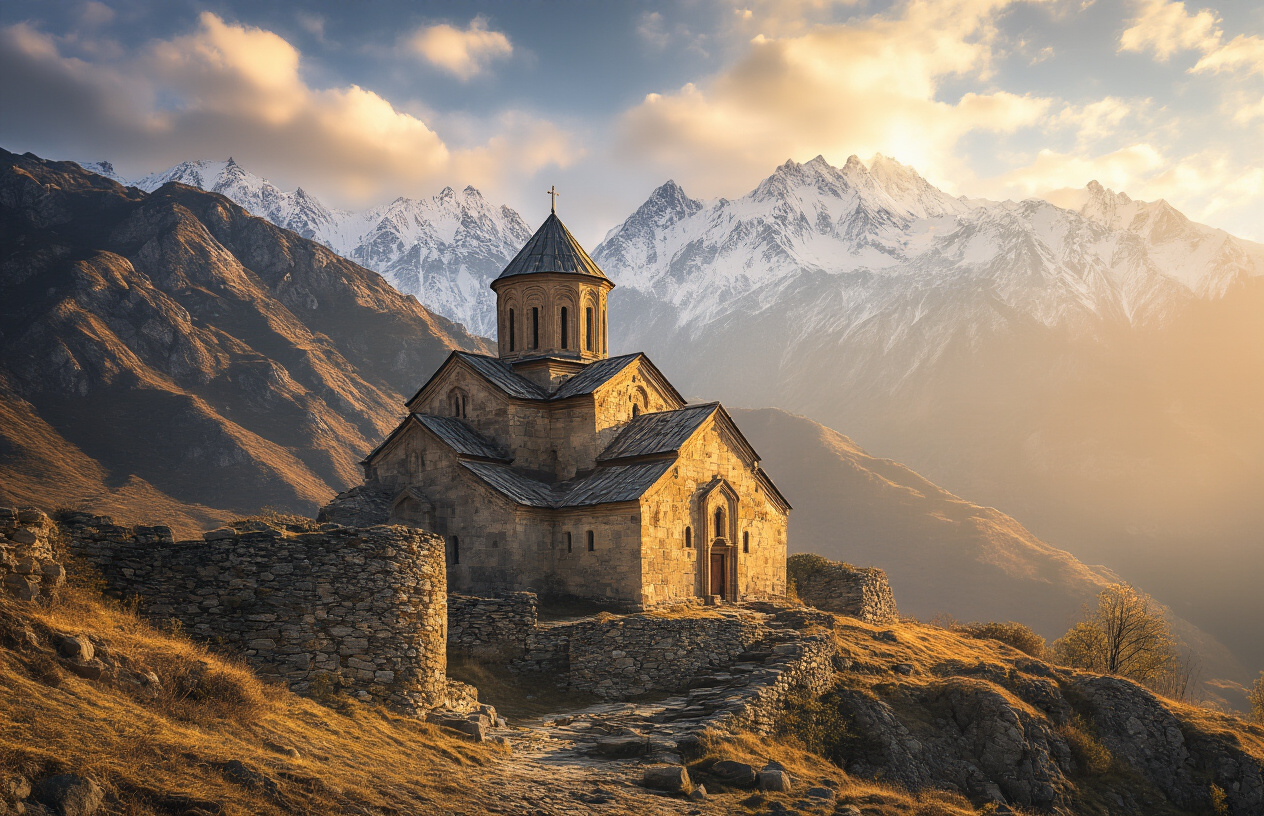
One of the World's Oldest Civilizations
Georgia, nestled in the Caucasus region, is one of humanity's oldest continuously inhabited territories. Archaeological discoveries at Dmanisi revealed Homo erectus fossils dating back 1.8 million years — the oldest human remains found outside Africa. This alone makes Georgia the country facts far more fascinating than most people realize.
A Crossroads of Empires and Cultures
Georgia's location between Europe and Asia made it a battleground and trading hub for thousands of years. Romans, Persians, Mongols, Ottomans, and Russians all left their mark here. Rather than losing its identity through these encounters, Georgia absorbed influences while fiercely protecting its own culture — a remarkable story of resilience.
The Birthplace of Wine Over 8,000 Years Ago
Forget France. Georgia holds the world's oldest winemaking tradition, with evidence of grape cultivation and wine production dating back 8,000 years. Ancient clay vessels called qvevri, still used today, represent an unbroken tradition recognized by UNESCO.
Georgia's Unique Alphabet and Language
The Georgian language stands alone — it belongs to no other language family on Earth. Its script, developed around the 5th century AD, is one of only 14 unique alphabets in the world, giving Georgia an unmistakably distinct cultural identity.
Georgia the U.S. State Has More Depth Than You Expect
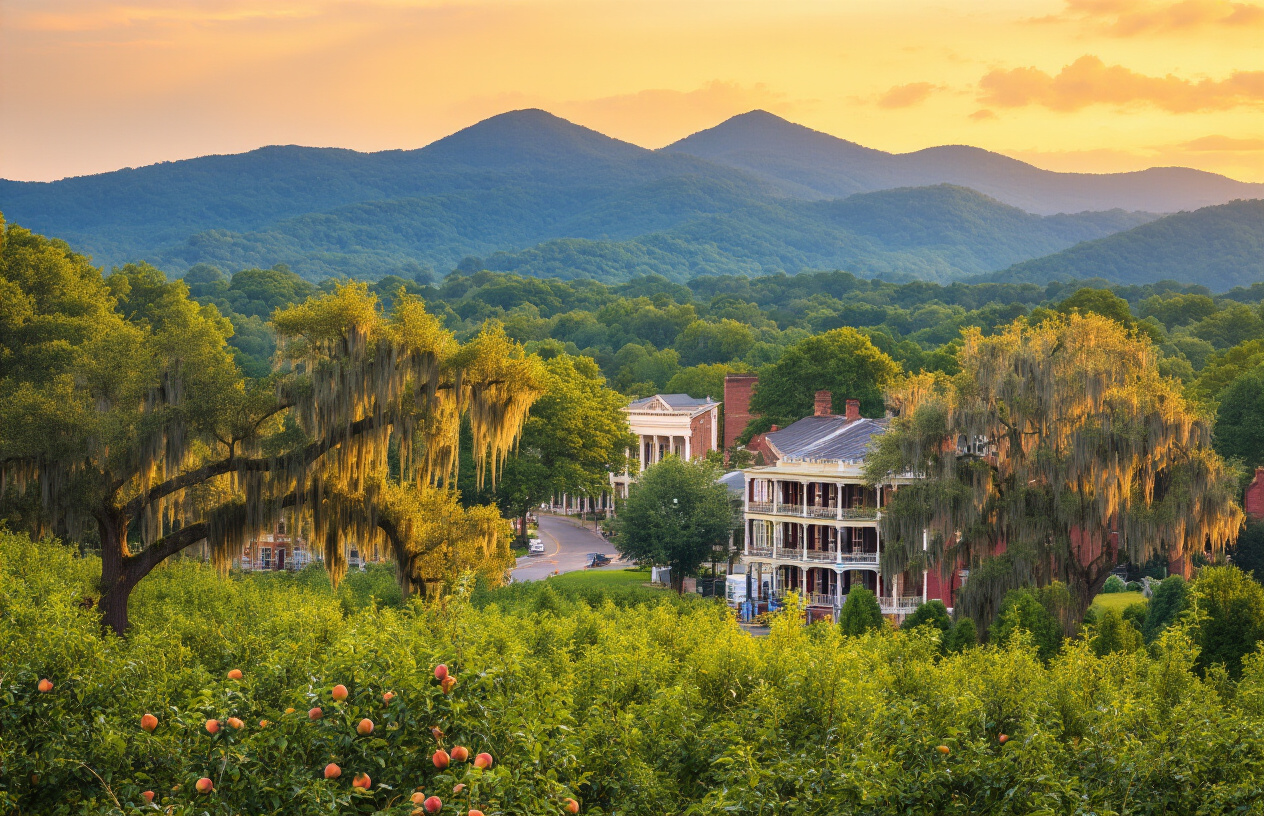
Beyond Peaches and Sweet Tea
Georgia's reputation for peaches and sweet tea barely scratches the surface. The state's coastline along the Atlantic offers barrier islands like Cumberland and Jekyll — raw, untouched escapes that most outsiders never discover. Savannah's cobblestone squares rank among America's most architecturally stunning cities, drawing comparisons to European capitals.
Atlanta as a Global Business and Cultural Hub
Atlanta punches well above its weight on the world stage. Home to the busiest airport on the planet (Hartsfield-Jackson), it hosts the headquarters of Coca-Cola, Delta Air Lines, CNN, and Home Depot. The city's music scene birthed OutKast, Lil Jon, and Usher, shaping hip-hop and R&B for decades. Atlanta is genuinely a city that moves culture, not just follows it.
The Civil Rights Movement's Deep Roots in Georgia
No conversation about Georgia the U.S. state is complete without acknowledging its central role in American civil rights history. Atlanta was Martin Luther King Jr.'s birthplace, and the Martin Luther King Jr. National Historic Site draws visitors from around the world. Albany, Georgia became a critical battleground during the Albany Movement of the early 1960s, testing and ultimately sharpening civil rights strategies that shaped the entire national movement.
Georgia the Country's Stunning Geography Will Blow Your Mind
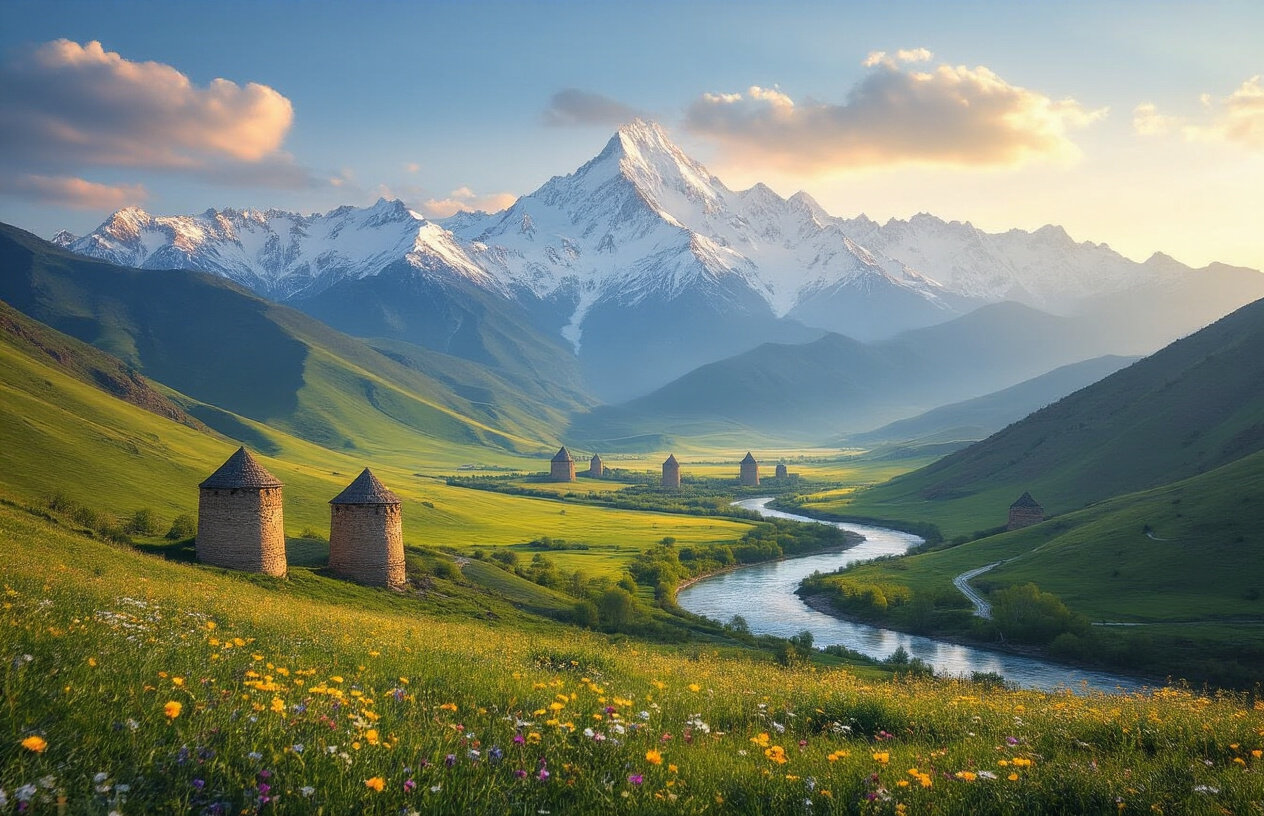
The Majestic Caucasus Mountains
The Georgian Caucasus isn't just a mountain range — it's a jaw-dropping wall of peaks that rivals the Alps. Mount Shkhara tops out at 5,193 meters, making it one of Europe's highest summits. Tiny villages like Ushguli sit at over 2,100 meters, permanently dusted in snow for half the year. The Georgia Caucasus region offers world-class trekking, skiing, and scenery that most travelers haven't even heard of yet.
Black Sea Coastline and Subtropical Climate
Batumi, Georgia's coastal city, sits on the Black Sea with a climate so mild it supports palm trees and tea plantations. It's a genuinely unexpected contrast — snow-capped peaks just hours from a warm, humid shoreline.
Hidden Valleys and Ancient Cave Cities
Vardzia is a 12th-century cave monastery carved directly into volcanic rock, housing hundreds of rooms across multiple levels. The Alazani Valley in Kakheti produces world-class wine using 8,000-year-old winemaking traditions. These aren't reconstructions — they're living history.
Why Georgia Is a Rising Travel Destination
| Feature | Why It Stands Out |
|---|---|
| Visa-free access | 98+ nationalities enter freely |
| Cost of travel | Significantly cheaper than Western Europe |
| Crowd levels | Still largely undiscovered |
| Landscape variety | Mountains, coast, desert, and forest |
Georgia the country facts speak for themselves — this Eastern Europe hidden gem won't stay secret much longer.
The Cultural Richness That Sets Georgia the Country Apart
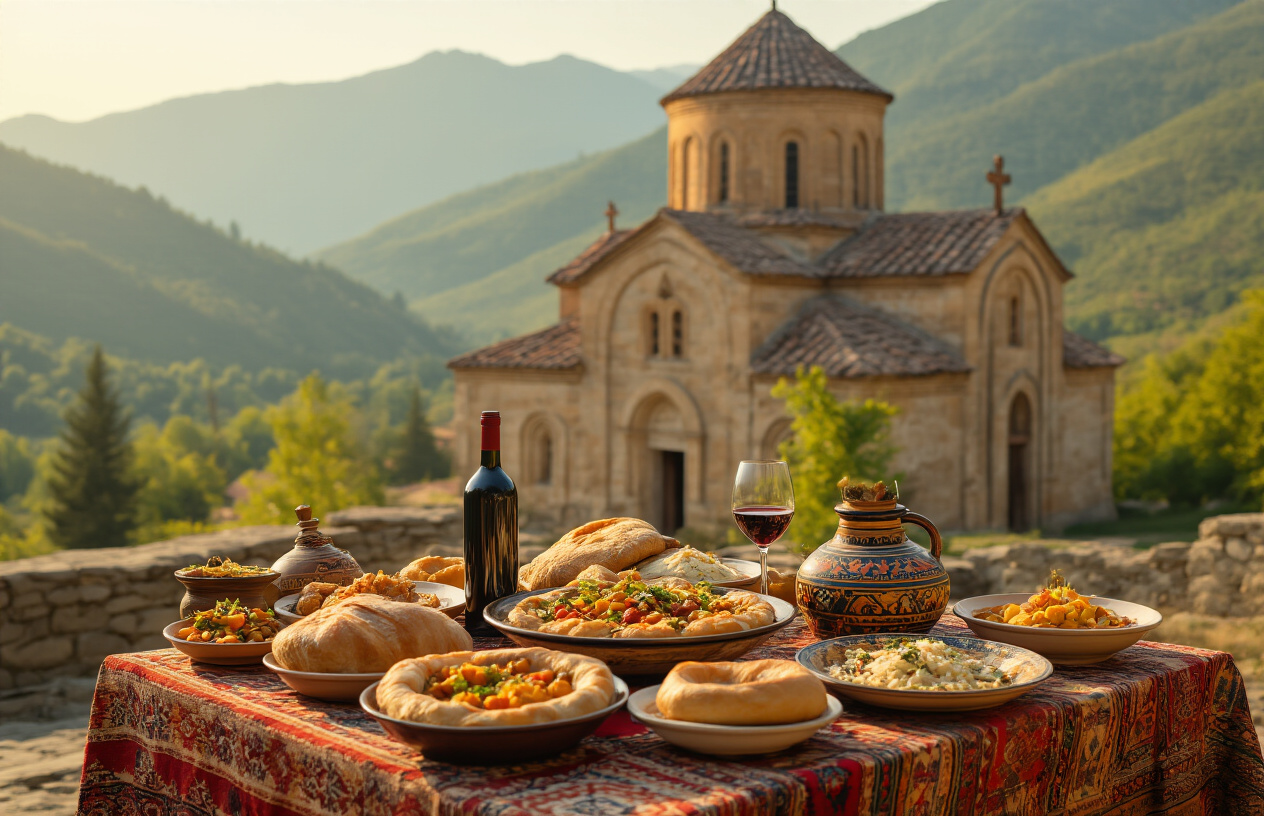
Georgian Polyphonic Music Recognized by UNESCO
Georgia country culture runs incredibly deep, and nowhere is that clearer than in its music. Georgian polyphonic singing—where multiple independent vocal lines weave together—is one of humanity's oldest musical traditions. UNESCO added it to its Intangible Cultural Heritage list, recognizing something Georgians have known for centuries: this isn't just music, it's a living piece of history you can hear at weddings, funerals, and village gatherings alike.
A Cuisine That Deserves World Attention
Georgian food is criminally underrated on the world stage. Khinkali (doughy, soup-filled dumplings), khachapuri (cheese-stuffed bread that comes in wild regional variations), and slow-cooked walnut-based dishes reflect a cuisine shaped by trade routes, mountain climates, and serious culinary pride. The flavors sit somewhere between Mediterranean and Middle Eastern, yet taste completely unique.
Deep-Rooted Traditions of Hospitality
Georgians take hospitality to another level entirely. The concept of Tamada—a toastmaster who guides elaborate feasts called supras—reflects a culture where guests are treated like gifts from God. This isn't performative politeness; it's a deeply held value passed down through generations. If you ever sit at a Georgian table, expect hours of food, wine, toasts, and genuine warmth.
Common Myths About Both Georgias Debunked
Georgia the Country Is Not Part of Russia
This is probably the most frustrating Georgia misconception out there. Georgia is a fully independent nation in the Caucasus region, with its own language, alphabet, government, and identity. Russia actually invaded Georgian territory in 2008. Calling Georgia "part of Russia" is not just wrong — it's deeply offensive to Georgians.
Georgia the State Is Not Just a Rural Backwater
Atlanta is a global city hosting Fortune 500 headquarters, world-class restaurants, and a film industry that rivals Hollywood. Georgia the US state produces more movies than almost anywhere else in America. Its diversity, innovation, and cultural scene consistently surprise first-time visitors.
Both Georgias Are Underrated Gems Worth Exploring
| Georgia Country | Georgia US State | |
|---|---|---|
| Hidden strength | Ancient wine culture | Thriving film & tech scene |
| Surprise factor | Medieval mountain villages | Cosmopolitan Atlanta |
| Misconception | Russian territory | Only peaches and peanuts |
Why the World Needs to Take Both More Seriously
Georgia country facts rarely make mainstream travel lists, yet the Caucasus region offers some of Europe's most dramatic landscapes and oldest traditions. Meanwhile, Georgia the US state shapes global culture daily. Both deserve far more credit than the world gives them.
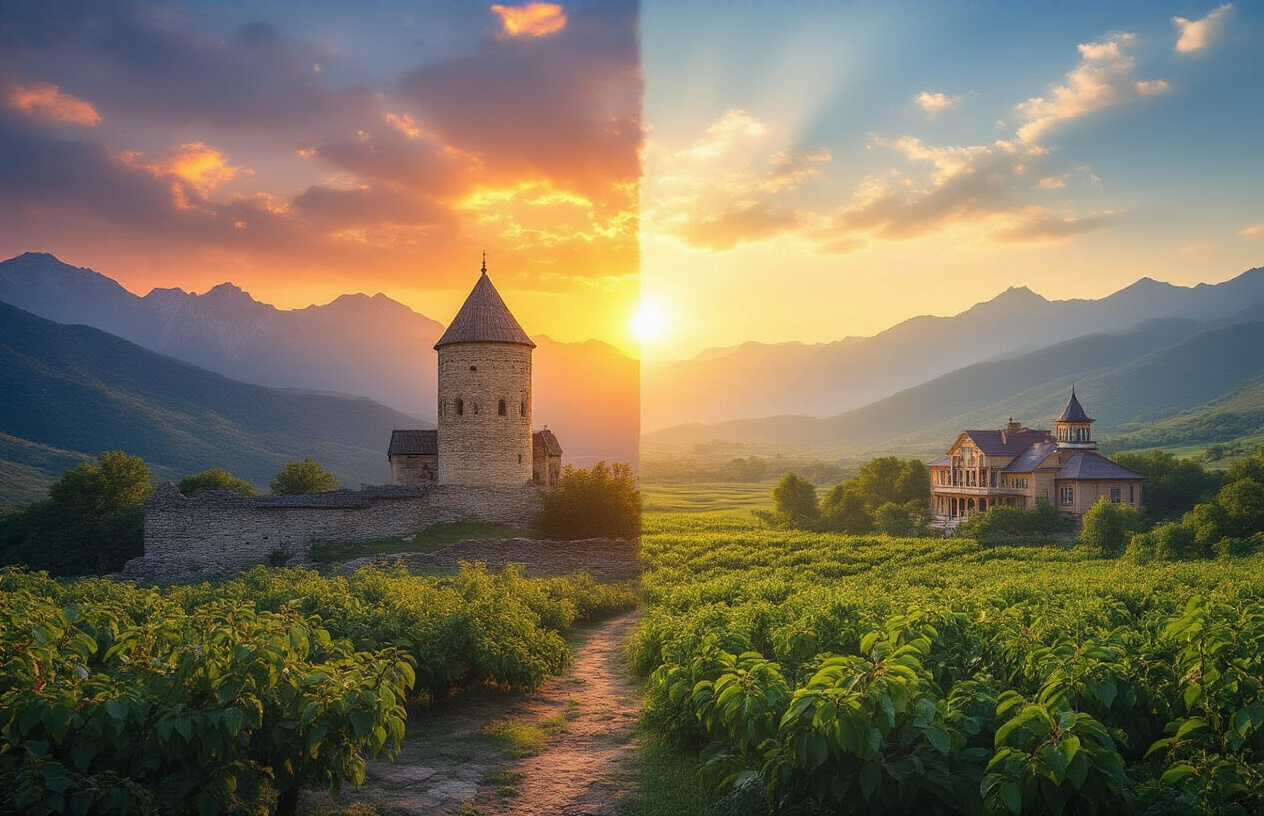
Both Georgias have a way of catching people off guard — and that's exactly what makes them so fascinating. From the ancient winemaking traditions and jaw-dropping mountain landscapes of the Caucasus country to the unexpected layers of history and culture packed into the American South's most iconic state, there's far more to both places than the surface-level version most people carry around in their heads.
So next time someone mentions Georgia, maybe pause before you assume which one they mean. Better yet, put both on your radar. One might just become your next travel destination, and the other might earn a whole new level of respect. Either way, you'll never look at the name the same way again.
Post a Comment