
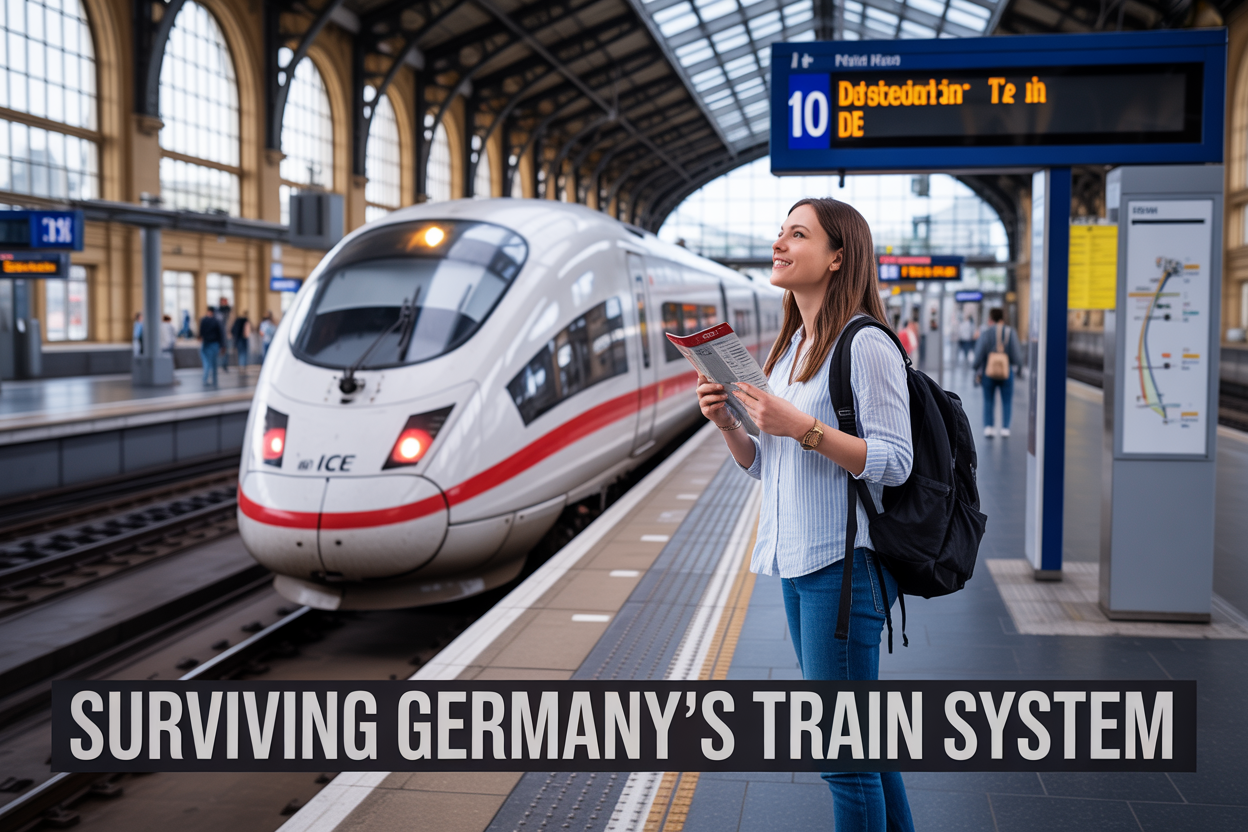
The Ultimate Guide to Surviving Germany's Train System
Germany's rail network is one of the best in the world — until your ICE train is 40 minutes late and you have no idea what to do next. If you've ever stood on a platform feeling completely lost, you're not alone.
This Germany train travel guide is for first-time visitors, expats settling in, and budget travelers who want to get around without overpaying or losing their minds. Whether you're hopping between cities or heading into the countryside, knowing how Deutsche Bahn actually works makes a massive difference.
Here's what we'll cover:
-
How the German rail network is set up — so you can pick the right train type for your trip
-
How to buy cheap train tickets in Germany — including the booking tricks locals actually use
-
What to do when DB train delays hit — because they will, and you'll want a plan
By the end, you'll know how to read a DB train schedule, grab the best deals, and stay comfortable on board from start to finish. Let's get into it.
Understanding the German Train Network
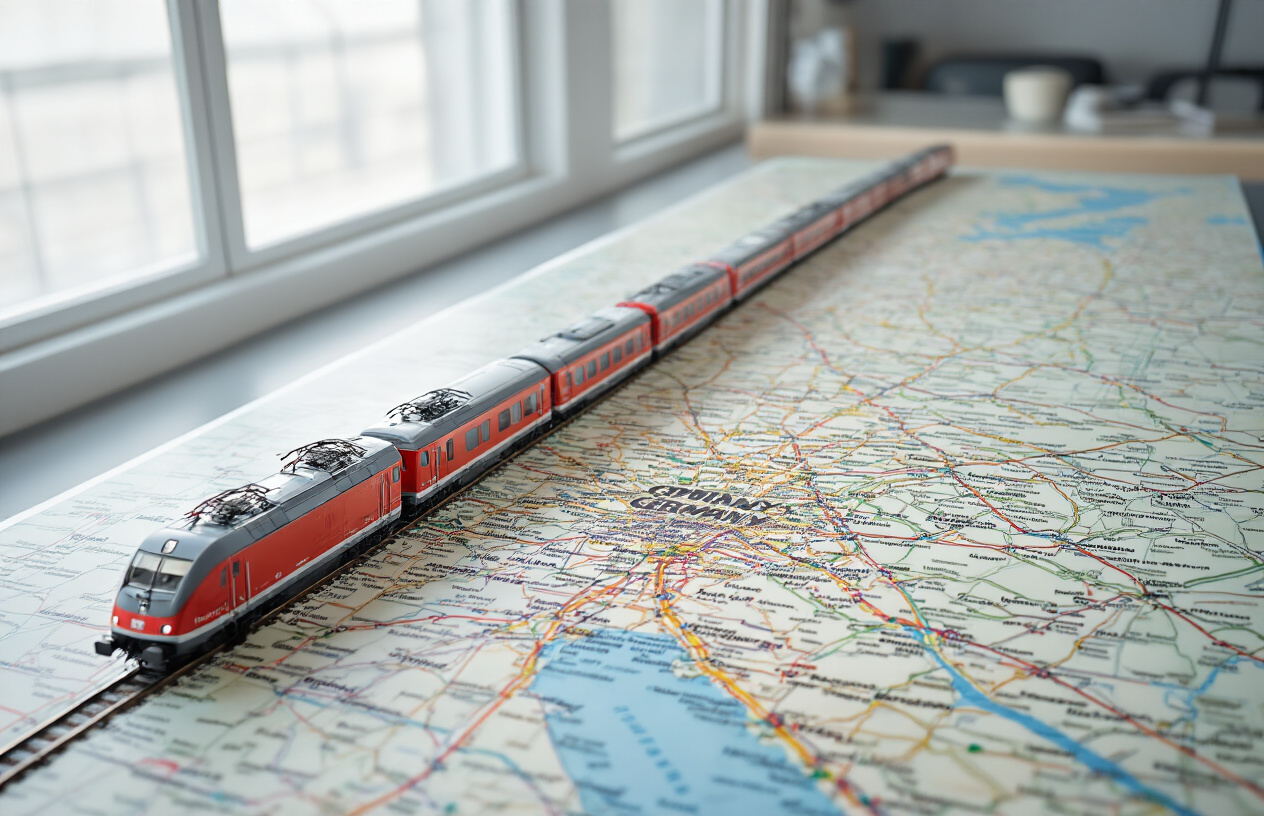
Know the Difference Between DB, S-Bahn, U-Bahn, and Regional Trains
Germany's rail network can feel like alphabet soup at first, but it clicks quickly once you know the basics.
| Train Type | Operated By | Best For |
|---|---|---|
| ICE / IC | Deutsche Bahn (DB) | Long-distance, city-to-city |
| Regional (RE/RB) | DB + regional operators | Shorter trips, rural areas |
| S-Bahn | DB / local transit | City suburbs and commuter routes |
| U-Bahn | City transit authority | Underground urban travel |
DB runs the backbone of German rail network, covering high-speed and intercity routes. Regional trains fill the gaps between smaller towns. S-Bahn and U-Bahn are your go-to for getting around within a city.
Navigate the Major Train Hubs Like a Pro
Berlin Hauptbahnhof, Munich Hbf, Frankfurt Hbf, and Hamburg Hbf are Germany's busiest stations. Each has multiple platforms across several levels — check the departure board and your platform letter carefully. Signs are clear, but big stations move fast.
Identify the Right Train Type for Your Journey
Crossing cities? Book an ICE train for speed and comfort. Exploring the countryside on a budget? Regional trains accept many discount passes and tickets. Mixing both into one trip is totally normal and often the smartest move.
Buying Tickets the Smart Way
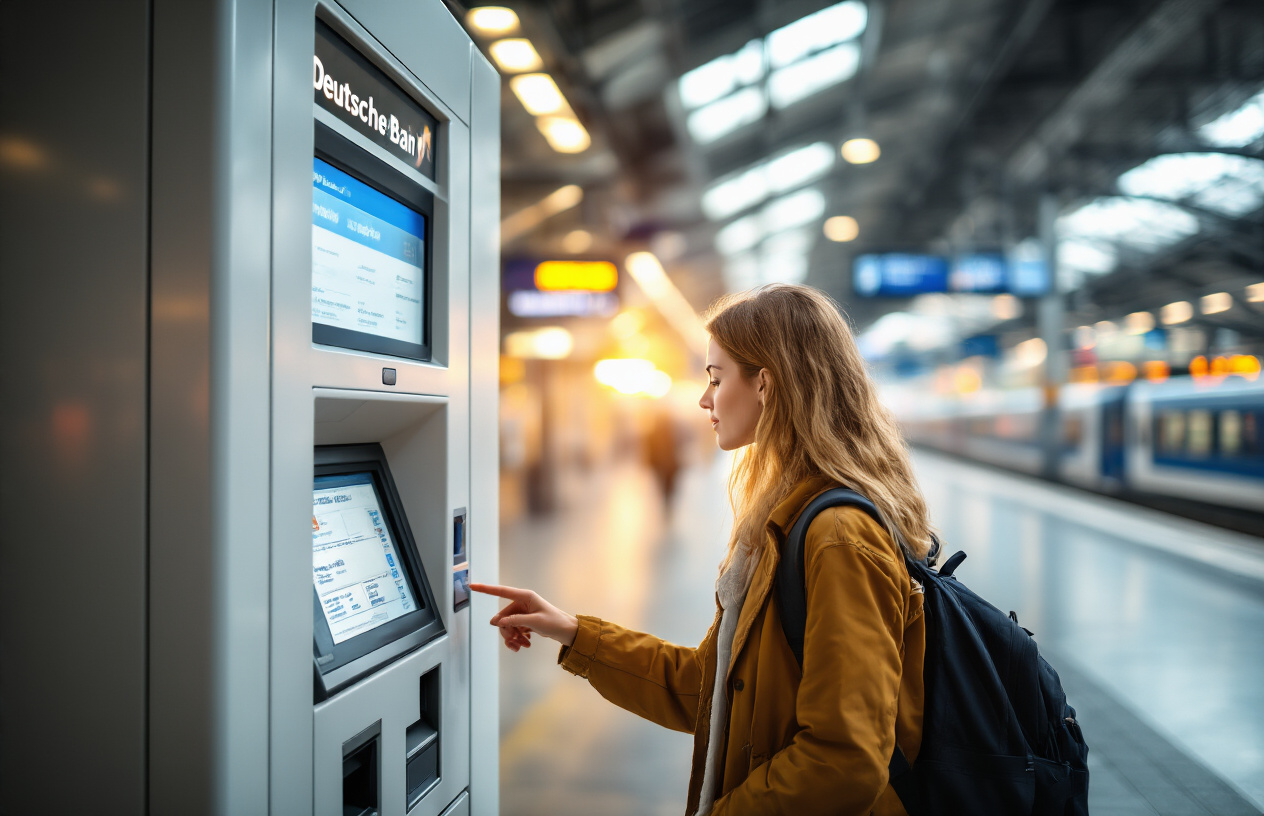
Save Money with the Right Ticket Options
Cheap train tickets Germany travelers rave about are usually Sparpreis fares — discounted prices available when you book early (sometimes up to 6 months ahead). The earlier you book, the better the deal. Also check out the Deutschlandticket (€49/month) if you're staying longer and want unlimited regional train travel nationwide.
| Ticket Type | Best For | Price Range |
|---|---|---|
| Sparpreis | Single trips, booked early | From €17.90 |
| Flexpreis | Last-minute travel | Full price |
| Deutschlandticket | Frequent regional travel | ~€49/month |
Avoid Common Ticketing Mistakes That Cost You More
Always check whether your ticket is valid on regional (RE/RB) trains only or also ICE/IC trains — mixing these up gets expensive. Validate regional tickets before boarding where required, and never assume a cheap fare covers seat reservations.
Use the DB Navigator App to Book on the Go
The DB Navigator app is your best friend for Deutsche Bahn tips. You can book tickets, check live schedules, and download tickets offline. Skip the station queue entirely.
Understand Seat Reservations and When You Actually Need One
Seat reservations aren't included in most tickets and cost around €5 extra. They're optional on ICE trains but genuinely worth it during peak hours, holidays, or long-distance routes where trains fill up fast.
Mastering Train Schedules and Connections
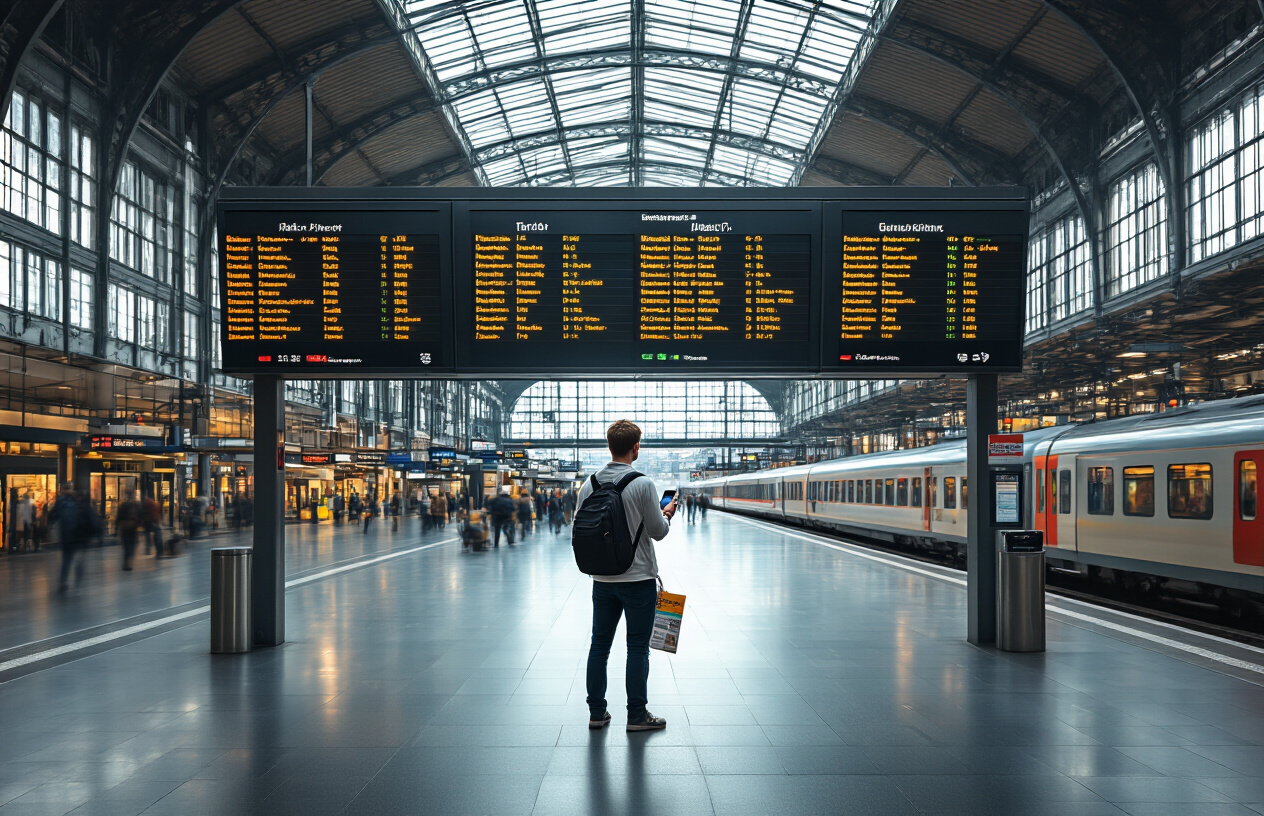
Read Departure Boards Quickly and Confidently
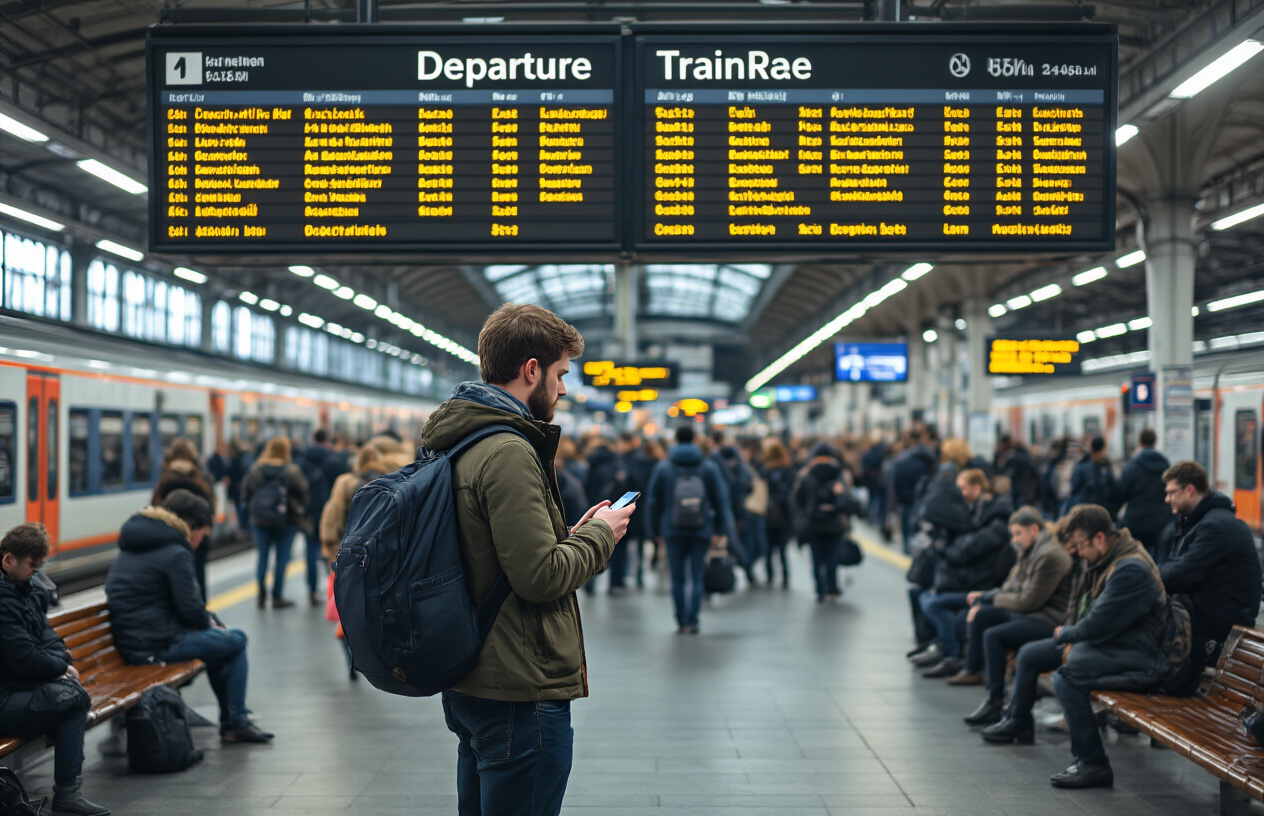
German departure boards list the train type (ICE, IC, RE, S-Bahn), destination, departure time, platform (Gleis), and current status. Scan for your train number first, then check the platform — it can change last minute. "Pünktlich" means on time; any delay shows in minutes. Get comfortable reading these fast, especially in busy stations like Frankfurt Hauptbahnhof.
Plan Realistic Connection Times to Avoid Missing Your Train
DB train schedules can be tight. Here's a rough guide for safe connection windows:
| Station Size | Recommended Minimum Transfer Time |
|---|---|
| Small regional station | 5–8 minutes |
| Medium city hub | 10–15 minutes |
| Major hub (Munich, Frankfurt) | 15–20 minutes |
If your first train is delayed, DB often holds connecting trains — but don't count on it with regional services. Always build in buffer time when booking.
Use Online Tools to Find the Fastest Routes
The DB Navigator app is your best friend for checking the DB train schedule in real time. It shows platform info, live delays, and alternative routes instantly. Google Maps works surprisingly well for basic planning too, but DB Navigator gives you the most accurate, up-to-date German rail network data on the go.
Handling Delays and Cancellations Like a Local
Know Your Passenger Rights When Trains Run Late
German train delays are frustrating, but you have real protections. Under EU law, delays over 60 minutes entitle you to 25% of your ticket price back, and over 120 minutes gets you 50%. Keep your ticket — you'll need it.
Get Compensation Easily Through the Right Channels
Skip the queue at the station. File claims directly through the DB Navigator app or the Deutsche Bahn website. The process takes about five minutes, and refunds typically land within two weeks.
Find Alternative Routes Fast When Plans Fall Apart
When your connection collapses, open DB Navigator immediately and search alternative routes. A missed connection caused by a German rail network delay automatically validates your ticket on the next available train — no need to buy a new one.
Stay Calm and Use Delay Alerts to Stay Informed
Set up real-time push notifications in DB Navigator before every trip. The app tracks your train and warns you about German train delays before you're even at the platform — saving you from nasty surprises.
Know When to Switch to Buses or Other Transport
| Situation | Best Alternative |
|---|---|
| Short regional trip | FlixBus |
| City connection | Local S-Bahn or U-Bahn |
| Major disruption | Rental car or rideshare |
Saving Money on Train Travel Across Germany
Unlock Big Discounts with the Bahncard
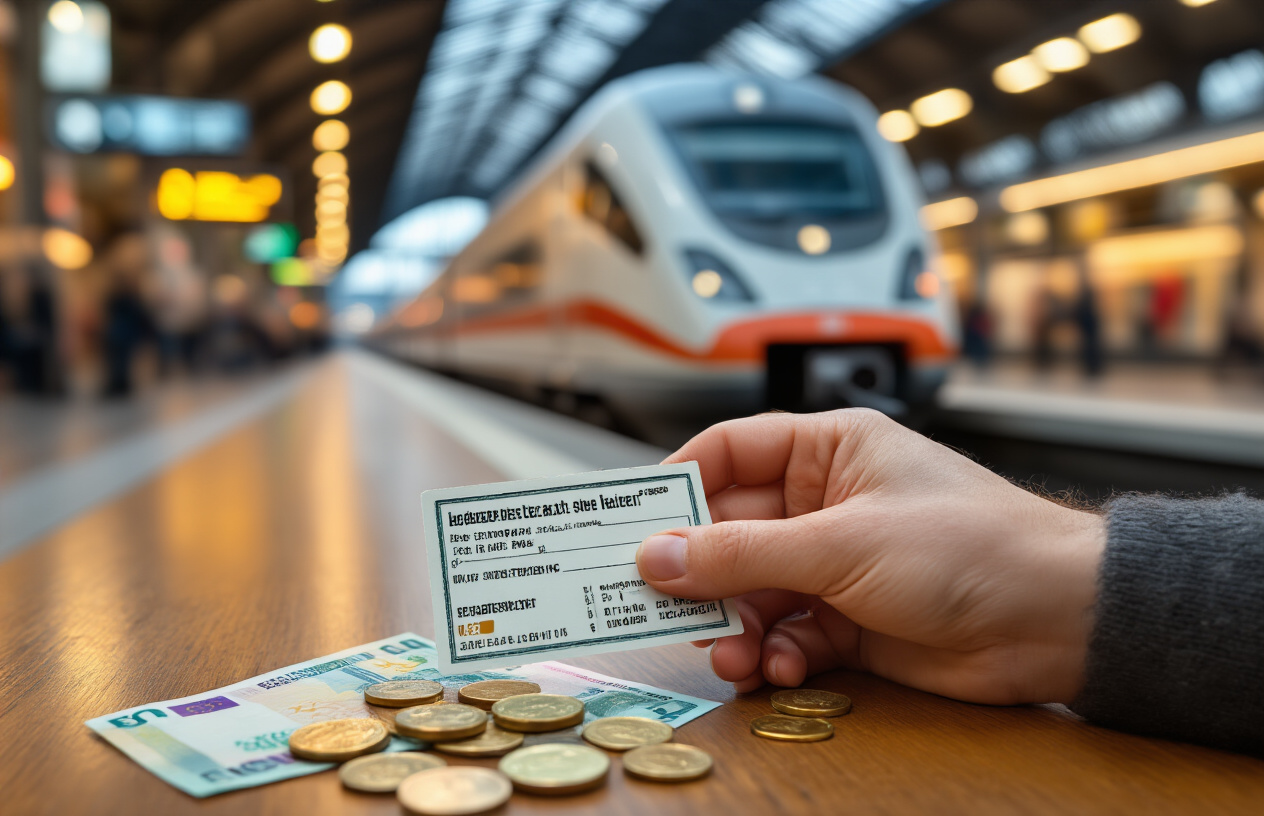
The Bahncard is one of the best-kept secrets for cheap train tickets in Germany. It's an annual card that gives you either 25% or 50% off every ticket you buy.
| Card | Annual Cost (2nd Class) | Discount |
|---|---|---|
| Bahncard 25 | ~€62.90 | 25% off all fares |
| Bahncard 50 | ~€244 | 50% off all fares |
If you're traveling more than a few times a year, the Bahncard 25 pays for itself quickly. Frequent travelers or commuters should seriously consider the Bahncard 50.
Travel Cheaper with Group and Weekend Ticket Deals
The Länder-Tickets (regional day passes) are a goldmine for groups. For around €25–€45, up to five people can travel all day within one German state on regional trains. Perfect for weekend day trips and incredibly cheap when split among friends.
Book Early to Lock In the Lowest Sparpreis Fares
Deutsche Bahn's Sparpreis tickets are the German rail network's equivalent of budget airline seats — limited, but seriously cheap. ICE train travel between cities can drop to €17.90 if you book weeks ahead. Prices climb closer to departure, so set a reminder and grab fares as soon as your plans are confirmed.
Staying Comfortable and Stress-Free on Board
Choose the Right Class for Your Comfort and Budget
| Class | Best For | Key Perks |
|---|---|---|
| 2nd Class | Budget travelers, short trips | Comfortable, affordable |
| 1st Class | Long ICE journeys, remote work | Quieter, more space, lounge access |
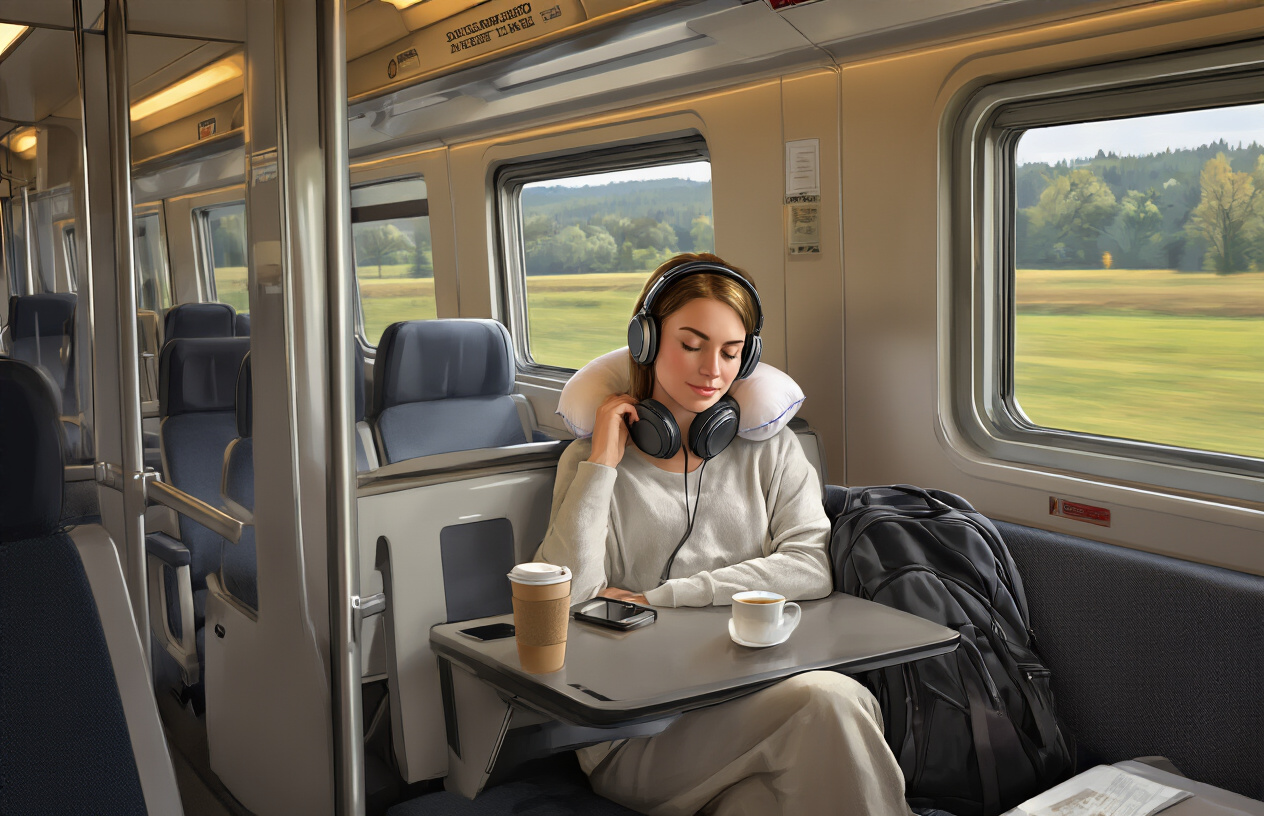
First class on ICE trains is genuinely worth it for trips over two hours — the seats are wider, the carriage is calmer, and you can actually get work done.
Find the Best Seats for Long-Distance Journeys
Always reserve a seat on ICE and IC trains, especially on weekends. When booking through the DB app, look for:
-
Window seats on the shaded side to avoid afternoon sun
-
Seats near power outlets — rows 21–26 in most ICE coaches
-
Quiet zones (Ruhebereich) if you want to skip the noise
Avoid seats near the bistro car if you're sensitive to foot traffic and smell.
Make the Most of On-Board Amenities and Wi-Fi
DB's Wi-Fi (WIFIonICE) is free but inconsistent — download offline maps and entertainment before boarding. The bistro car sells decent coffee and hot meals at reasonable prices. Bring a refillable water bottle; tap water at station restrooms is perfectly safe and free.
Germany's train system can feel like a maze at first, but once you get the hang of how it all works — buying the right tickets, reading the schedules, and knowing what to do when things go sideways — it becomes one of the best ways to get around the country. Trains here connect you to pretty much everywhere, and with a little know-how, you can travel smart without burning a hole in your pocket or losing your mind at the platform.
So grab your DB Navigator app, double-check your connection times, and don't forget to validate your ticket if needed. A little preparation goes a long way, and before you know it, you'll be hopping between cities like you've been doing it your whole life. Safe travels!
Post a Comment