

What No One Tells First-Timers About Visiting Greece
You've booked the flights, saved a hundred Instagram posts, and read every "Top 10 Things to Do in Greece" article out there. But here's the thing — most of those guides leave out the stuff that actually matters when you're standing at a ferry port at 6 a.m. with no idea which island to head to next.
This guide is for first-time travelers to Greece who want a real trip, not a filtered one. The kind where you eat incredible food that doesn't cost a fortune, move between islands without losing two days to bad timing, and actually connect with the country instead of just checking it off a list.
We'll cut through the noise on the best time to visit Greece (hint: it's probably not when you think), break down a practical Greece island hopping guide that saves you both time and money, and get honest about the hidden costs in Greece that quietly drain your budget before you even realize it. We'll also cover Greek food beyond the tourist traps, the unwritten rules of Greek culture, and the logistics that can make or break your whole trip.
No fluff. Just the Greece travel tips for first-timers that most people only learn the hard way.
The Best Time to Visit Greece That Most Travel Guides Get Wrong
Why Summer Is Not Always the Ideal Season
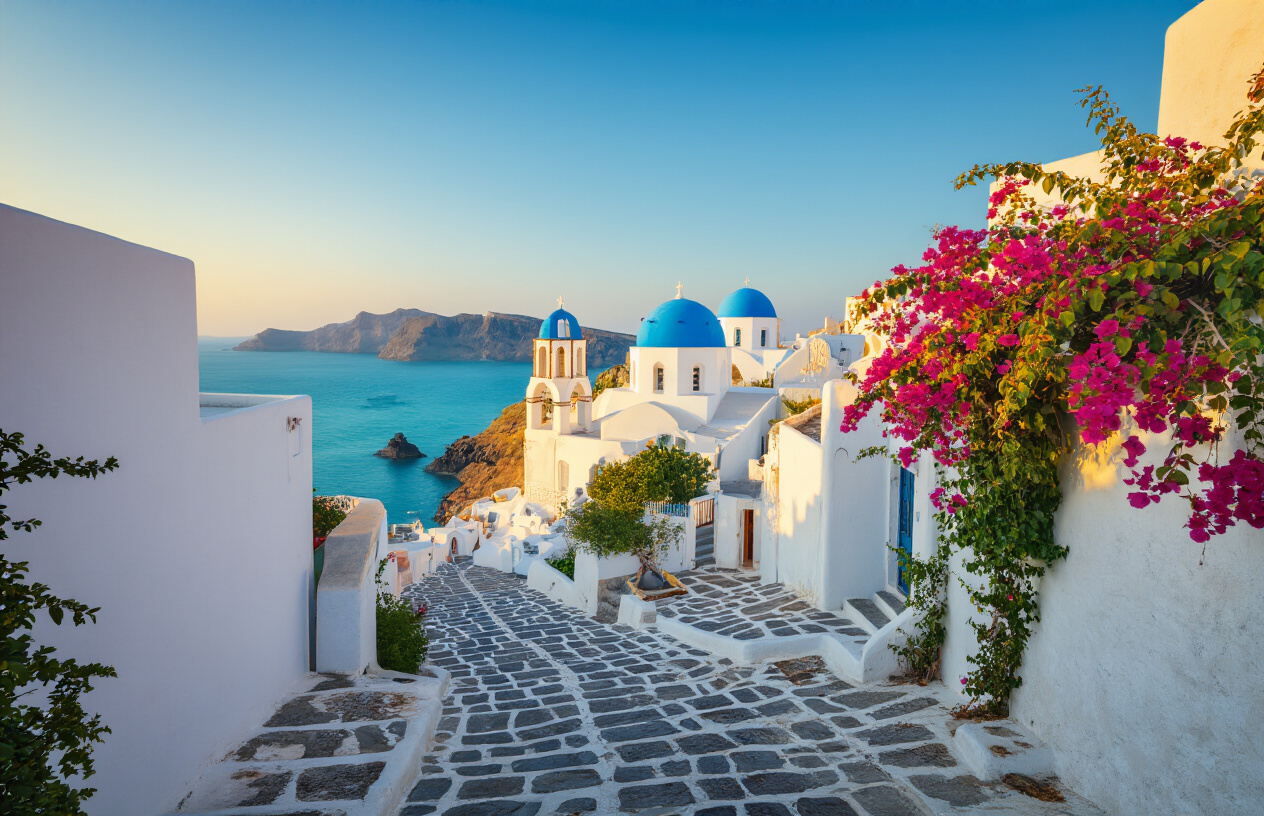
July and August in Greece sound dreamy until you're sweating through a 40°C heatwave, paying triple for a hotel room, and queuing 90 minutes to enter the Acropolis. The best time to visit Greece isn't peak summer — it's the shoulder seasons most travel guides quietly bury in fine print.
The Hidden Perks of Traveling in Spring and Fall
| Season | Avg Temp | Crowds | Prices |
|---|---|---|---|
| April–May | 18–24°C | Low | 30–40% cheaper |
| June | 26–30°C | Moderate | Mid-range |
| July–Aug | 32–40°C | Very High | Peak pricing |
| Sept–Oct | 22–28°C | Low–Moderate | 25–35% cheaper |
Spring brings wildflowers covering Crete's hillsides, open tavernas without reservation headaches, and locals who actually have time to talk to you. September and October keep the warm swimming weather while shedding the summer chaos entirely.
How to Avoid Crowds at Famous Landmarks
-
Book the first entry slot at the Acropolis (opens 8am) — tour groups rarely arrive before 10am
-
Visit Santorini's Oia sunset from Skaros Rock instead of the main viewpoint
-
Arrive at popular beaches before 9am or after 5pm
Island Hopping Secrets That Save You Time and Money
How to Choose the Right Islands for Your Trip
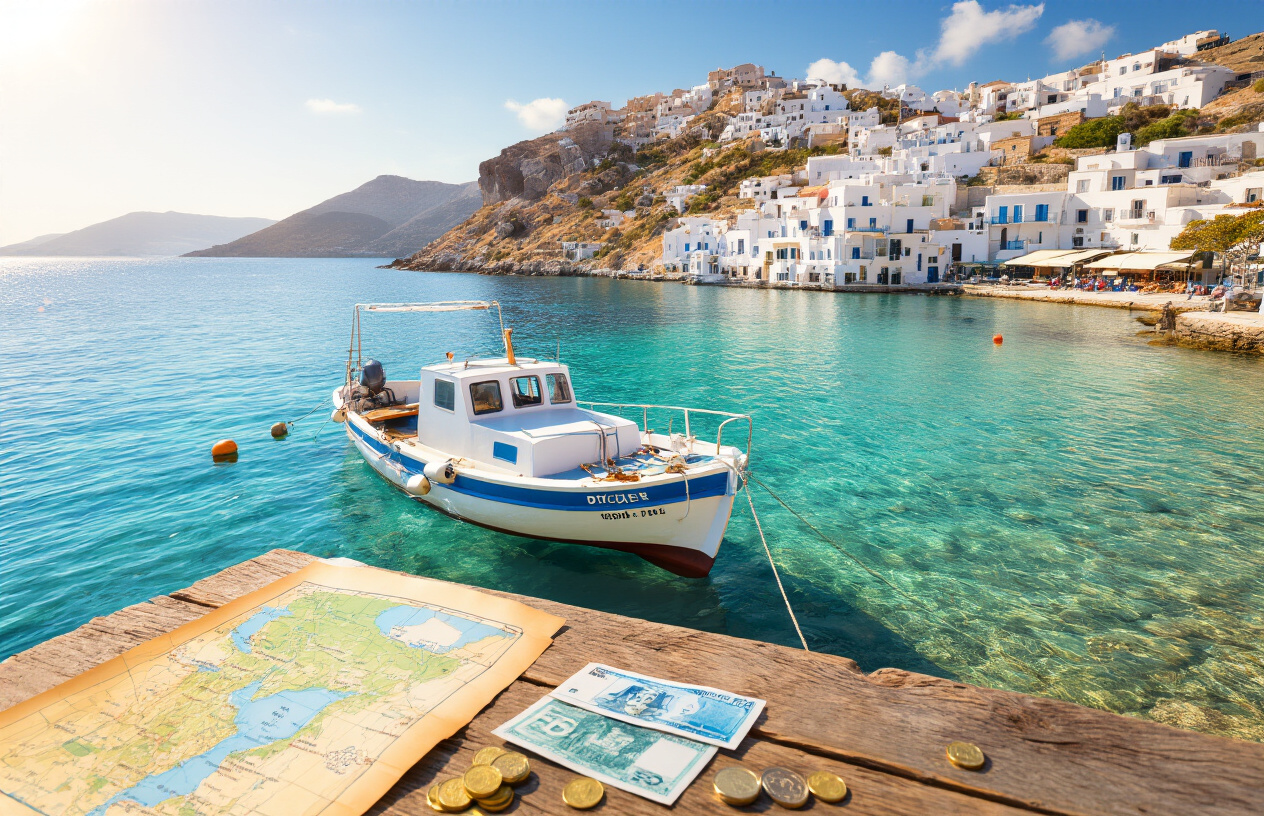
Skip the trap of cramming six islands into ten days. Pick two or three islands that complement each other. Santorini and Mykonos attract big party crowds, while Naxos, Paros, and Milos offer similar beauty with far fewer tourists and lower prices.
The Cheapest and Most Efficient Ways to Get Between Islands
| Option | Cost | Best For |
|---|---|---|
| High-speed ferry | €30–€60 | Short trips, comfort |
| Standard ferry | €15–€30 | Budget travelers |
| Budget flights | €20–€80 | Distant islands |
Slow overnight ferries are your friend — you save on accommodation and arrive refreshed.
Lesser-Known Islands Worth Adding to Your Itinerary
-
Milos – volcanic beaches, zero crowds
-
Folegandros – raw Cycladic charm, barely touched by mass tourism
-
Ikaria – famous for longevity and the most laid-back culture in Greece
-
Symi – gorgeous harbor, day-trippers leave by evening
Common Ferry Booking Mistakes to Avoid
Book ferries at least two weeks ahead in July and August — popular routes sell out fast. Always double-check which port you're departing from; Athens alone has multiple terminals. Ferrohellas and Openseas are reliable booking platforms that compare routes and prices easily.
What to Expect From Greek Food Beyond the Tourist Menus
Where Locals Actually Eat and Why It Matters
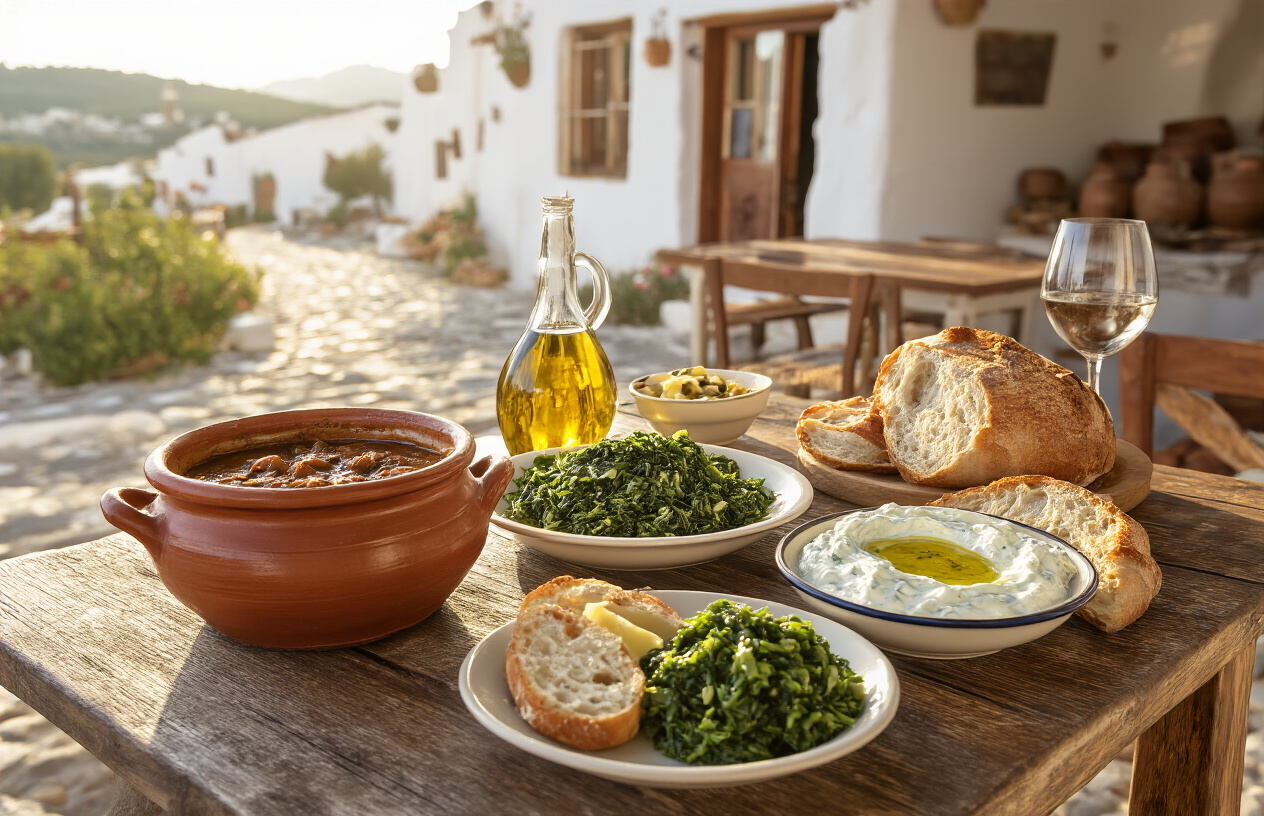
Skip the tavernas lining the main squares — those exist purely for tourists. Locals head to spots tucked down side streets, often with handwritten menus and plastic chairs. Look for places where you hear Greek being spoken and where the menu changes daily based on what's fresh. These spots are cheaper, more delicious, and give you a real taste of Greek hospitality.
Must-Try Regional Dishes You Won't Find on Every Menu
Greek food goes way beyond souvlaki and Greek salad. Each region has its own specialties worth hunting down:
| Region | Must-Try Dish |
|---|---|
| Crete | Dakos (barley rusk with tomatoes and mizithra) |
| Thessaloniki | Bougatsa (custard-filled pastry) |
| Epirus | Pita-filled pies with wild greens |
| Lesvos | Ouzo-marinated sardines |
Ask locals what they actually order — you'll discover dishes that never appear on tourist menus.
How Meal Times in Greece Differ From What You Are Used To
Greeks eat late. Lunch runs from 2–4 PM, dinner rarely starts before 9 PM. Showing up at a restaurant at 6 PM means eating alone in an empty room. Embrace the rhythm — afternoon rest, late dinner, linger over wine. That's just how life moves here.
Unwritten Rules of Greek Culture Every Visitor Should Know
How Greeks Really Feel About Bargaining and Tipping
Bargaining is generally a no-go in restaurants and shops with price tags. Markets and souvenir stalls are exceptions. Tipping isn't mandatory, but leaving 5–10% is genuinely appreciated. Rounding up the bill is the most common approach locals use.
Dress Codes That Are Strictly Enforced at Religious Sites
Monasteries and churches turn people away daily — no exceptions. Follow this simple guide:
| What to Cover | Men | Women |
|---|---|---|
| Shoulders | Yes | Yes |
| Knees | Yes | Yes |
| Head | No | Sometimes required |
Carry a light scarf in your bag. It doubles as a cover-up and saves you from missing some of Greece's most stunning sites.
Social Customs That Will Help You Connect With Locals
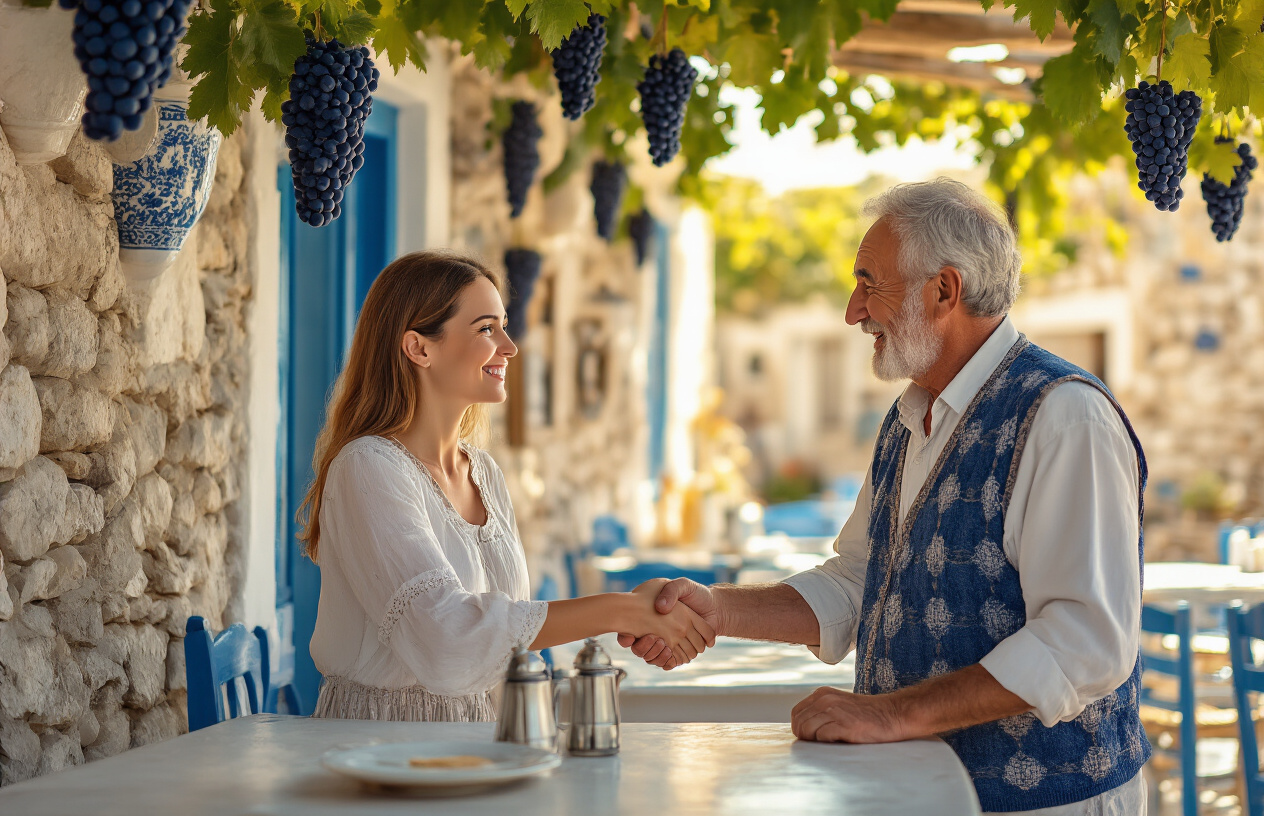
Greeks greet with warmth — expect cheek kisses from people you've just met. Sitting down for coffee means actually sitting, sometimes for hours. Never rush the experience. Accepting food or drink when offered is a sign of respect, not a social obligation you can politely dodge.
Words and Phrases That Will Earn You Instant Respect
| Phrase | Meaning |
|---|---|
| Yassas | Hello / formal greeting |
| Efharisto | Thank you |
| Parakalo | Please / You're welcome |
| Kalimera | Good morning |
Even a clumsy attempt at Greek gets smiles. Locals notice the effort every single time.
Hidden Costs That Catch First-Time Visitors Off Guard
Resort Taxes and Fees That Are Not Listed Upfront
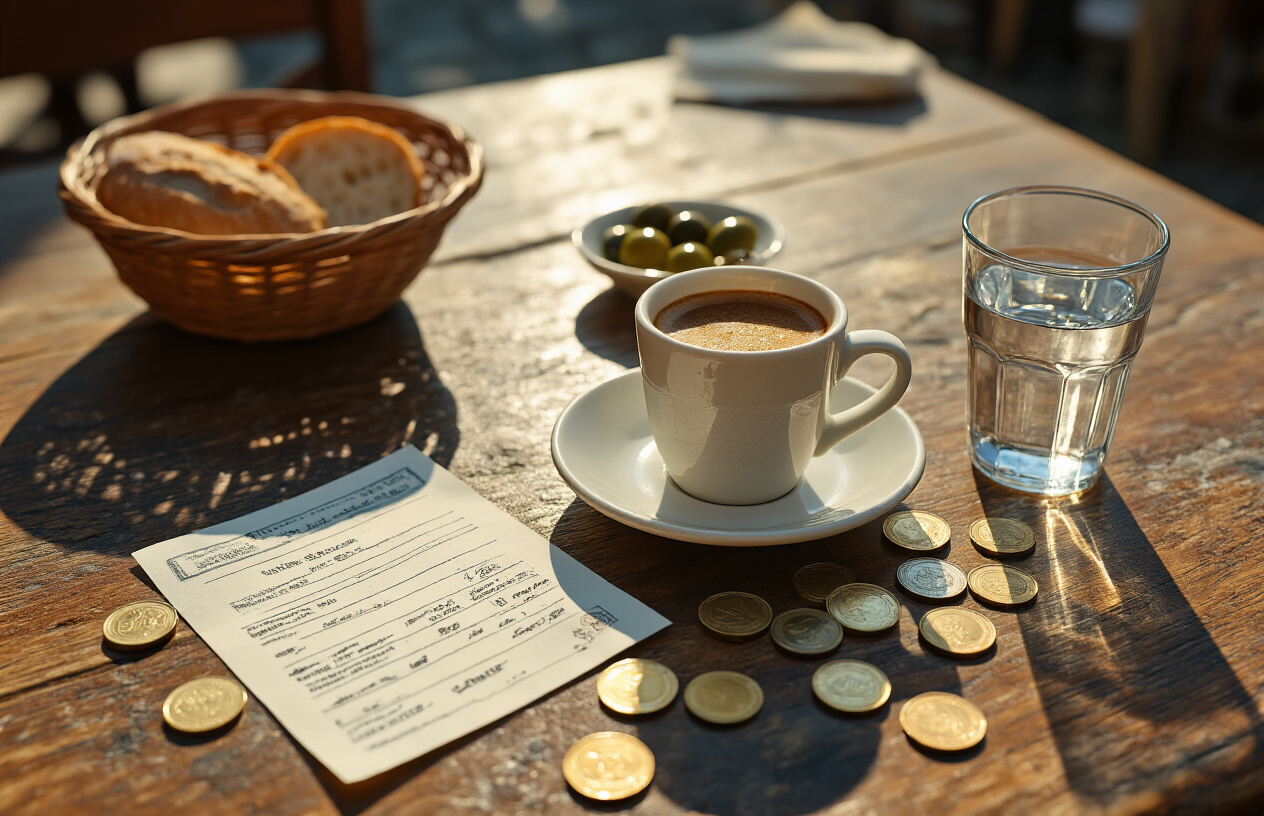
Greek hotels often charge a climate crisis levy (€0.50–€4 per night depending on star rating) that never appears in your booking price. Some Airbnbs tack on cleaning fees after you've committed. Always ask before booking what's included — city taxes, breakfast, and towel fees can quietly add €30–€50 to your stay.
Transportation Expenses That Add Up Quickly
| Transport Type | Hidden Cost |
|---|---|
| Ferry tickets | Port taxes not shown until checkout |
| Taxis in Athens | Airport surcharge + luggage fee |
| Rental cars | Mandatory full-coverage insurance |
| Island buses | Cash only, no change given |
Rental car insurance alone can double your daily rate. Book directly with local agencies rather than international platforms for better deals on hidden costs in Greece.
How to Budget Smarter Without Missing Out on Experiences
Eat where locals eat — spots without English menus save you 30–40% easily. Skip the sunset dinner at the famous caldera view restaurant and grab the same food two streets back for half the price. For Greece budget travel secrets, carry cash always — ATM fees stack up fast, and many smaller islands charge per withdrawal regardless of your bank.
Practical Logistics That Make or Break a Greek Trip
Why You Should Book Accommodations Earlier Than You Think
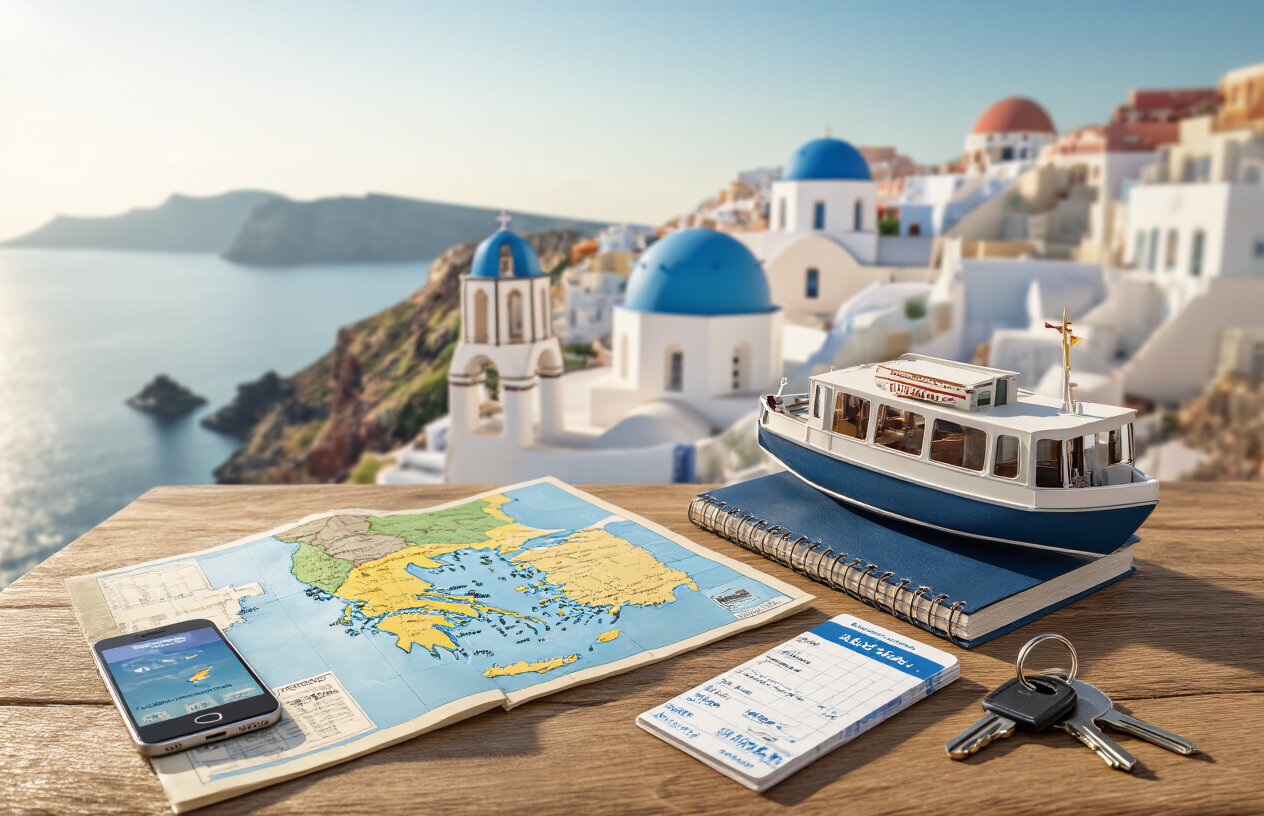
Peak season in Greece runs June through August, and popular spots like Santorini, Mykonos, and Rhodes fill up shockingly fast. Book at least 3–4 months ahead for summer travel. Shoulder seasons (April–May, September–October) offer better prices and availability, which is one of the best-kept Greece trip planning secrets.
How to Navigate Getting Around Within Islands
Each island has its own rhythm. Renting an ATV or scooter works great on smaller islands like Milos or Naxos. Larger islands like Crete genuinely need a car rental. Local buses exist but run on loose schedules — don't rely on them for time-sensitive plans.
Internet Access and Staying Connected on the Go
A local SIM card (Cosmote or Vodafone Greece) gives you the best coverage and data rates. Most cafés and hotels offer Wi-Fi, though signal drops are common in remote villages and on ferries.
Health and Safety Tips Specific to the Greek Climate
| Risk | What to Do |
|---|---|
| Intense sun | SPF 50+, hat, midday shade breaks |
| Dehydration | Carry water everywhere |
| Jellyfish stings | Check local beach alerts |
| Heat exhaustion | Schedule sightseeing for early morning |
The Greek sun is no joke — it hits harder than most visitors expect.
Greece has a way of surprising even the most prepared travelers, and that's exactly what makes it so unforgettable. From picking the right time to visit and hopping between islands without blowing your budget, to discovering real Greek food beyond the tourist traps and understanding the local customs that guidebooks skip over — a little insider knowledge goes a long way. Knowing about the hidden costs and sorting out the practical stuff before you land can be the difference between a stressful trip and the vacation you'll talk about for years.
So before you book that flight, take a step back and do your homework beyond the usual travel blogs and glossy brochures. Talk to people who've been there, dig into the lesser-known corners of the country, and go in with an open mind. Greece rewards the curious traveler who shows up ready to embrace the unexpected. The souvlaki tastes better when you find it on a side street, the sunsets hit different when you're not surrounded by crowds, and the whole experience feels more like a real adventure when you know what you're actually getting into.
Post a Comment