
How Do Hawaiians Really Feel About Tourists? The Truth
If you've ever wondered whether your presence in Hawaii is truly welcome — you're not alone, and asking that question already puts you ahead of most visitors.
This guide is for travelers who want more than a postcard version of Hawaii. If you care about the people behind the beaches, the culture beneath the luaus, and the real cost of millions of visitors landing on a small island chain every year, keep reading.
Here's what we'll get into:
-
How Hawaiians actually feel about tourists — the honest mix of appreciation and frustration that locals rarely say out loud to visitors
-
The real impact of overtourism on Native Hawaiian communities, from crowded sacred sites to rising housing costs that push locals off their own land
-
What responsible tourism in Hawaii looks like in practice — simple, specific ways to show up as someone the local community actually wants to see come back
Hawaii tourism isn't black and white. Most locals don't hate visitors — they hate feeling invisible in their own home. Understanding that difference is the first step to experiencing Hawaii in a way that's good for you and the people who live there.
Understanding the Complex Relationship Between Hawaiians and Tourism
How Tourism Became the Backbone of Hawaii's Economy
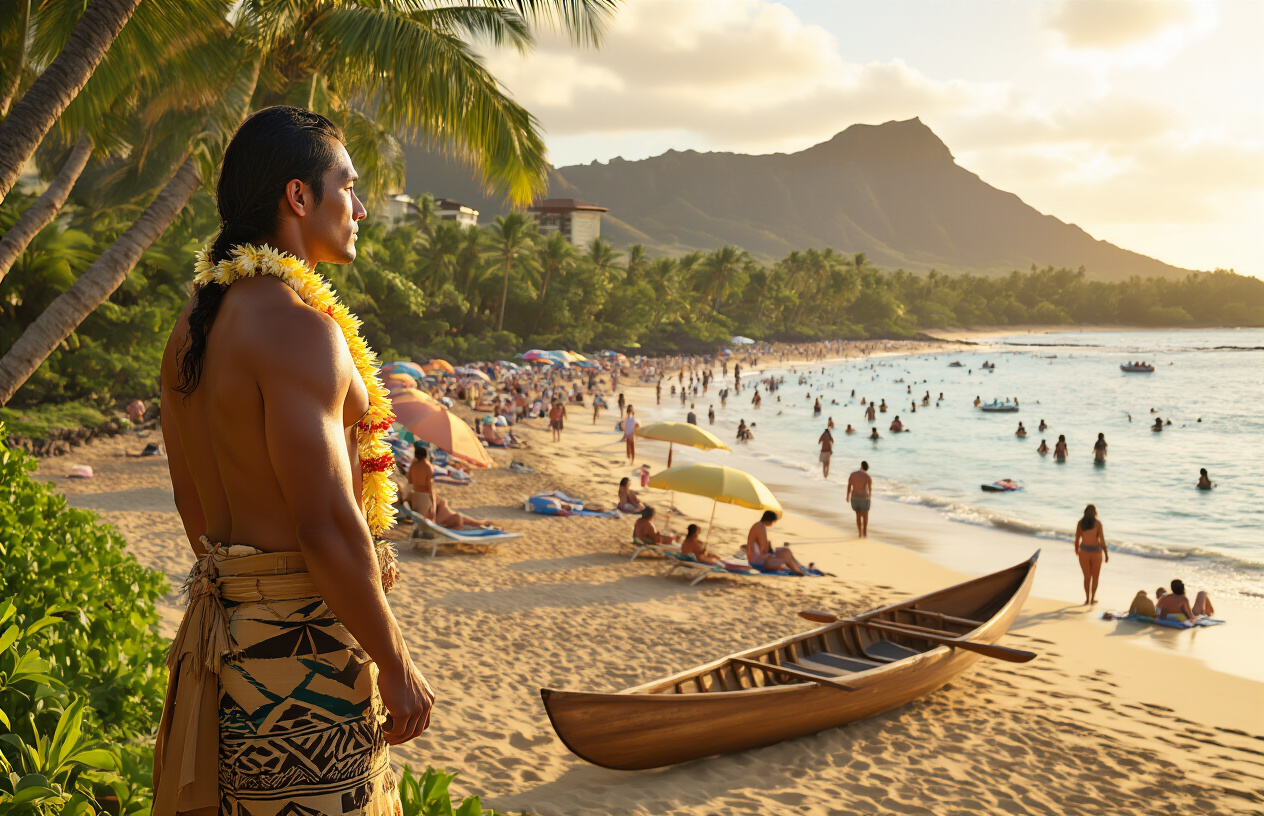
Hawaii didn't choose tourism — tourism chose Hawaii. After statehood in 1959 and the rise of commercial air travel, visitors flooded in fast. Today, tourism generates roughly $17–21 billion annually and supports nearly 20% of all jobs in the state. For many Hawaii locals, this economic reality is impossible to ignore, even when the industry creates deep tensions.
The Cultural and Historical Roots of Hawaiian Hospitality
Native Hawaiian culture holds aloha as a core value — a genuine spirit of welcome, love, and mutual respect. Traditionally, visitors were received with generosity and care. This wasn't performative; it came from a deep belief that people and land are interconnected. That cultural foundation still shapes how many locals approach visitors today.
Why the Relationship Has Shifted Over the Decades
The shift happened gradually, then all at once. As visitor numbers climbed past 10 million annually, Hawaii local community members began feeling like guests in their own home. Housing costs skyrocketed. Sacred sites became crowded Instagram backdrops. Native Hawaiian culture tourism sometimes stripped traditions down to entertainment. The aloha spirit didn't disappear — but it became harder to extend freely when overtourism in Hawaii started reshaping daily life in ways locals never signed up for.
What Locals Genuinely Appreciate About Visitors
The Economic Benefits That Support Hawaiian Families
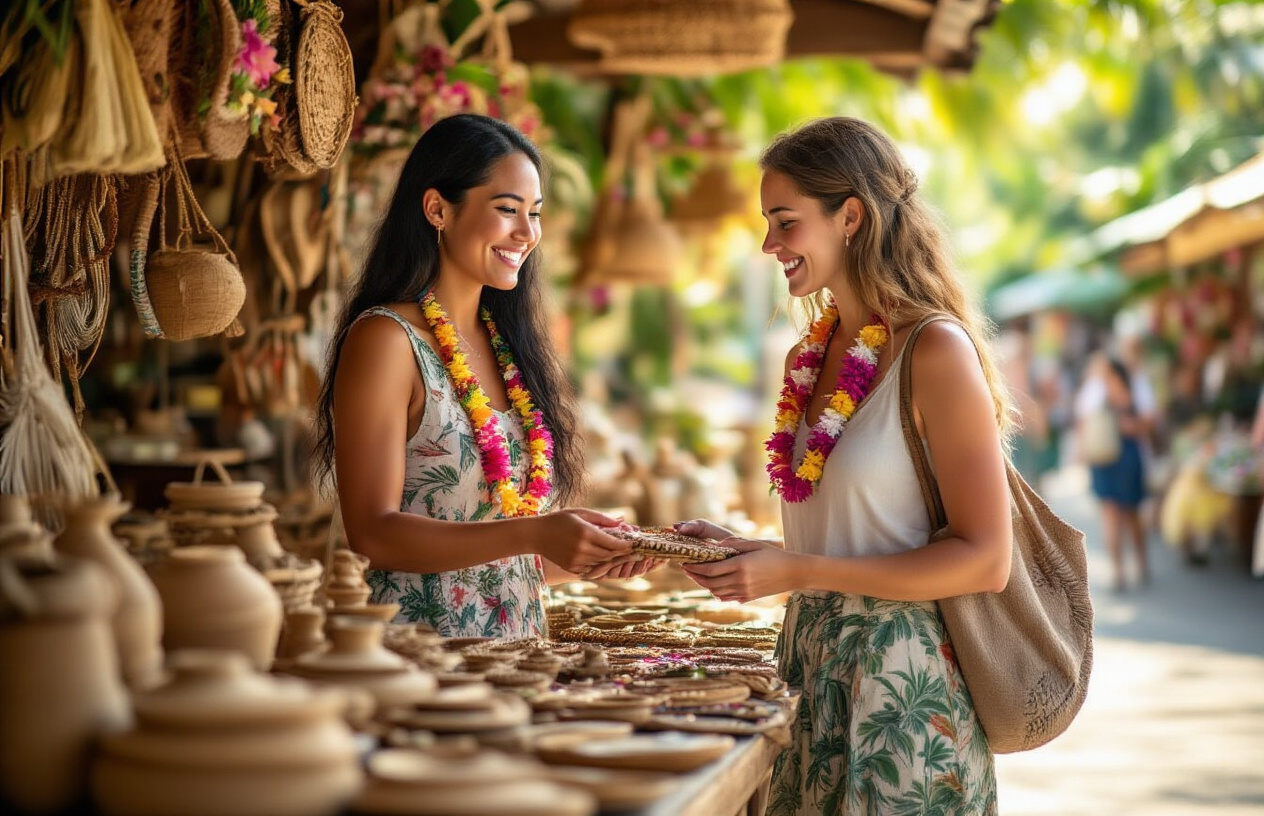
Tourism pumps roughly $17 billion annually into Hawaii's economy. For many local families, visitor spending directly translates to paychecks, whether they're working in hospitality, running fishing charters, or selling handmade crafts at farmers markets. When tourists spend money thoughtfully, real families benefit.
Tourists Who Show Respect for Hawaiian Culture and Land
Locals genuinely light up when visitors arrive curious rather than careless. A tourist who removes their shoes before entering a heiau (sacred site), learns a few Hawaiian words, or asks questions with sincere interest signals that they see Hawaii as more than a backdrop for vacation photos. That kind of respectful travel Hawaii residents notice — and remember fondly.
Visitors Who Boost Local Businesses and Communities
| Tourist Behavior | Community Impact |
|---|---|
| Eating at locally-owned restaurants | Keeps money in the community |
| Buying directly from Hawaiian artisans | Supports cultural preservation |
| Choosing local tour guides | Funds families, not corporations |
Skipping chain hotels for locally-owned accommodations makes a bigger difference than most visitors realize.
How Positive Tourist Interactions Strengthen Cultural Pride
When visitors genuinely engage with Native Hawaiian culture — attending a traditional luau, learning about ahupuaʻa land systems, or supporting Hawaiian language programs — it reminds locals that their culture holds real value worth sharing and protecting.
The Real Frustrations Hawaiians Have With Tourists
Overcrowding at Sacred and Natural Sites
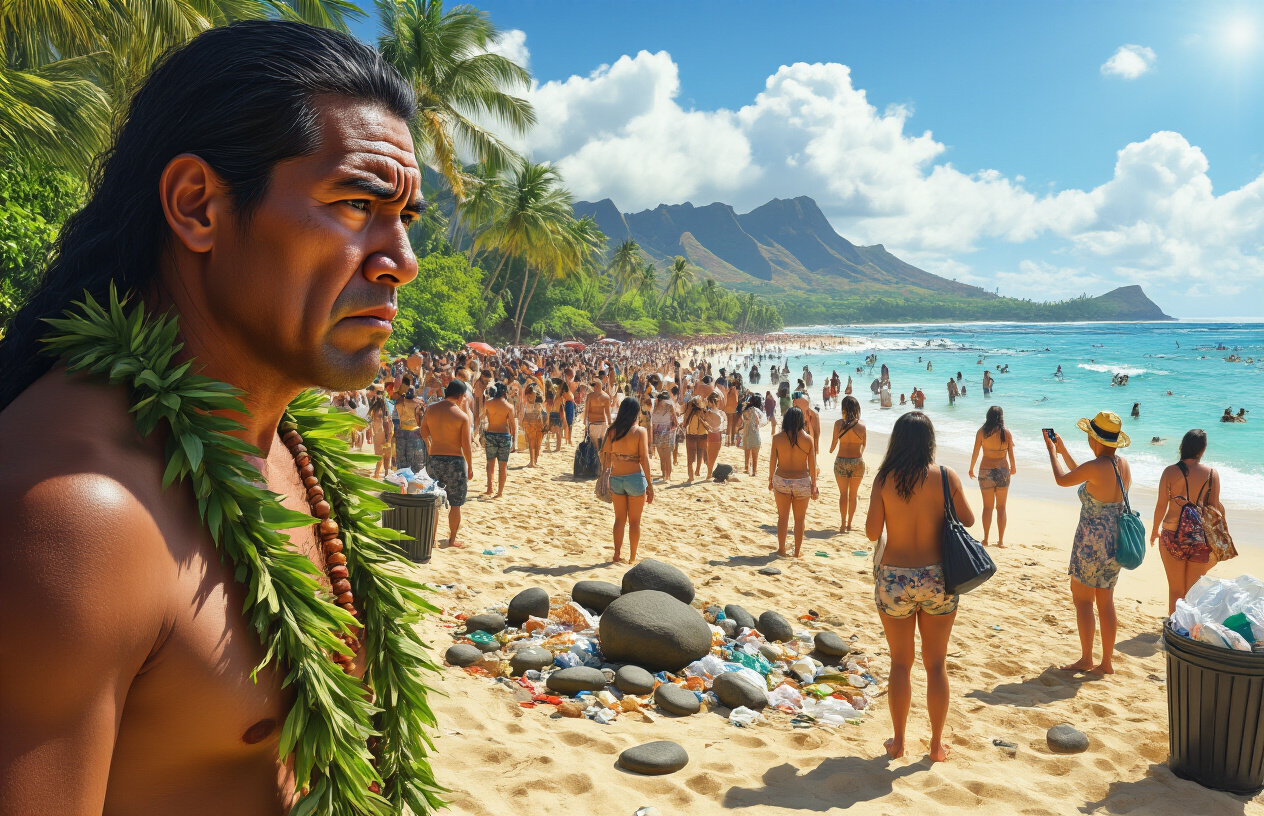
Places like Haʻenaʻena Beach, Waimea Canyon, and the Nā Pali Coast aren't just Instagram backdrops — they hold deep cultural and spiritual significance. When hundreds of visitors flood these spaces daily, locals often can't access places tied to their own heritage.
Disrespectful Behavior Toward Hawaiian Traditions and Customs
Touching heiau (sacred temples), mocking hula, or treating cultural ceremonies like photo opportunities genuinely hurts. Hawaii locals feelings toward tourists sour fast when visitors treat sacred traditions as entertainment rather than showing basic respect.
Environmental Damage Caused by Irresponsible Visitors
Trampled coral reefs, illegal trail hiking, and chemical-laden sunscreen runoff cause real, lasting damage. Responsible tourism in Hawaii means understanding that the 'āina (land) isn't just scenery — it's alive and deeply connected to Native Hawaiian identity.
The Rising Cost of Living Linked to Tourism Growth
Overtourism in Hawaii has pushed housing costs to near-impossible levels for locals. Many Native Hawaiians are priced out of neighborhoods their families have lived in for generations.
Feeling Like Outsiders in Their Own Homeland
When tourist infrastructure dominates public spaces and local voices get drowned out by industry interests, Hawaiians describe feeling invisible — guests in their own home.
The Impact of Overtourism on Native Hawaiian Communities
Loss of Affordable Housing Due to Vacation Rentals
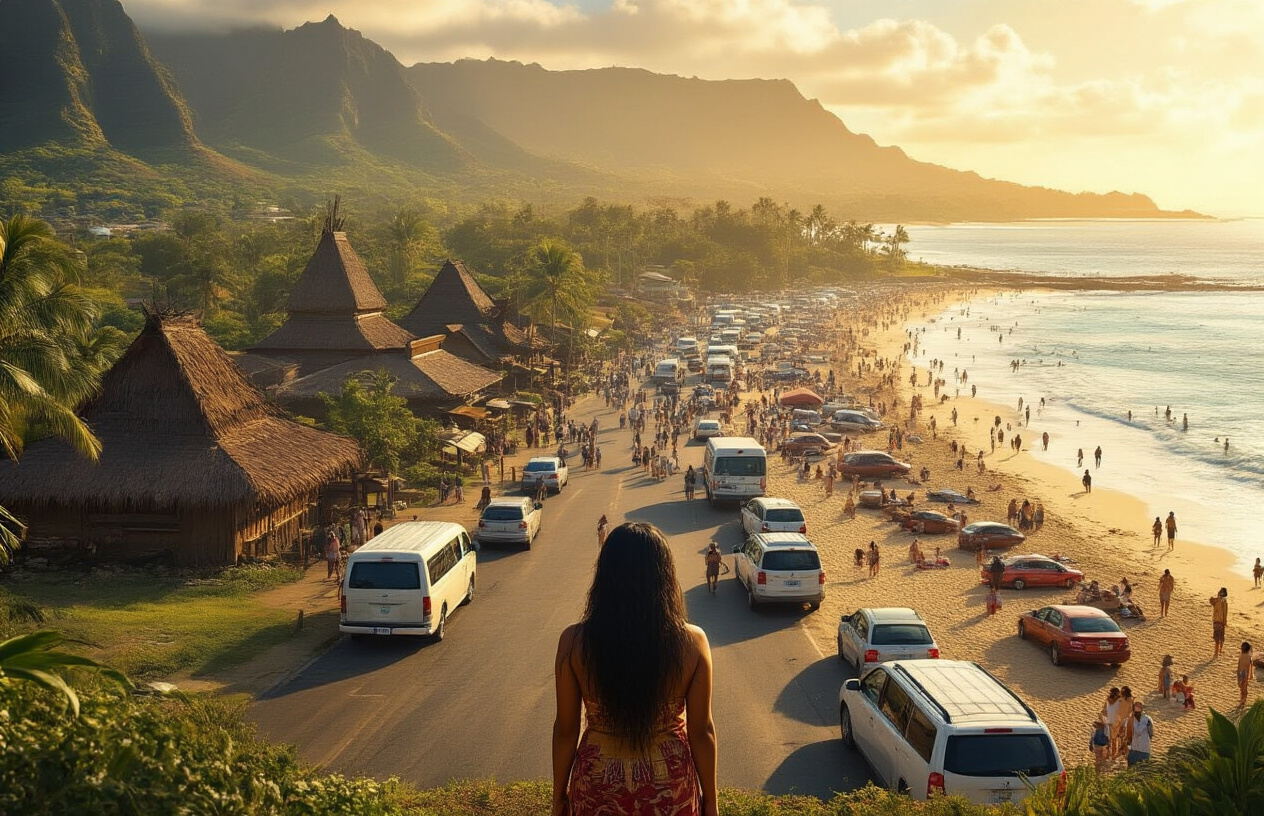
Short-term rentals like Airbnb have quietly pushed thousands of local families out of their own neighborhoods. When landlords can earn three times more from tourists than from long-term tenants, regular residents simply can't compete. On Maui, some communities have lost over 20% of their housing stock to vacation rentals, making the overtourism Hawaii impact on Native Hawaiian families genuinely devastating.
How Local Culture Gets Commercialized and Misrepresented
Native Hawaiian culture and tourism have a complicated history. Sacred traditions like hula get watered down into dinner show entertainment. Words like "aloha" get stamped on cheap souvenirs made overseas. Real cultural knowledge gets replaced by scripted performances designed to keep tourists comfortable rather than informed. This erasure stings deeply for communities that fought hard to revive their language and traditions after decades of suppression.
The Strain on Natural Resources and Public Infrastructure
Hawaii's roads, beaches, and water systems were built for roughly 1.4 million residents — not the 10 million annual visitors who now flood the islands. Popular trails erode faster than they can recover. Coral reefs suffer from sunscreen runoff and anchor damage. Local taxpayers shoulder infrastructure repair costs while visitor-driven businesses collect the profits. Sustainable travel Hawaii isn't just a buzzword — it's genuinely necessary for the islands to survive long-term.
How to Be a Tourist That Hawaiians Actually Welcome
Learn and Respect Hawaiian Cultural Protocols
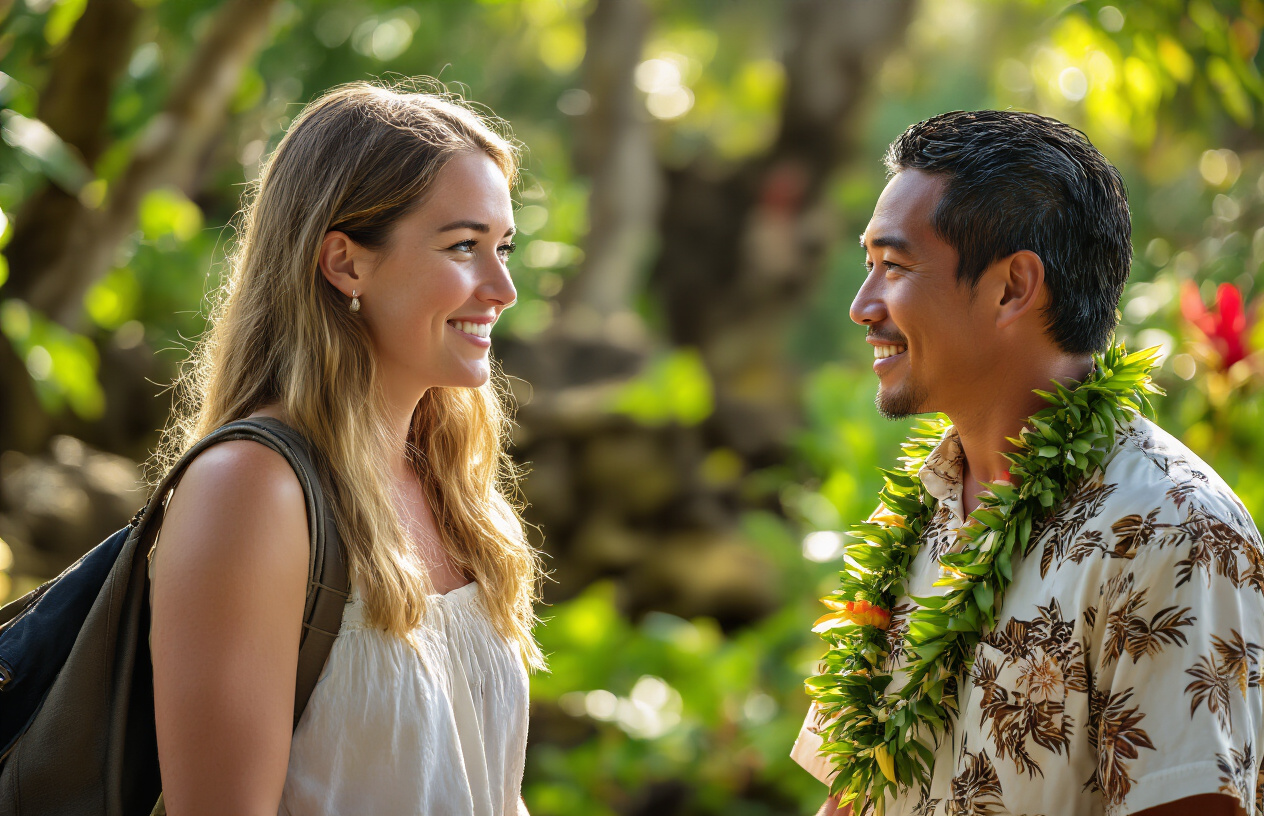
Before visiting sacred sites like Mauna Kea or Waimea Valley, take time to actually research their significance. Ask before photographing ceremonies or cultural practices. Basic things like removing shoes before entering homes and not touching sacred objects matter deeply to Native Hawaiian communities.
Support Local and Indigenous-Owned Businesses
Skip the chain restaurants and big resort gift shops. Spend your money at places like:
| Instead of This | Try This |
|---|---|
| Resort buffets | Local plate lunch spots |
| Chain souvenir shops | Native Hawaiian artisan markets |
| Corporate tour operators | Native-led cultural tours |
| Big hotel spas | Local healing practitioners |
Your dollars directly shape how Hawaii tourism locals feelings develop toward visitors over time.
Practice Responsible and Eco-Friendly Tourism
Stay on marked trails, never touch coral, and avoid sunscreens with harmful chemicals. Sustainable travel Hawaii style means leaving natural spaces exactly as you found them—or better.
Engage With the Community in Meaningful and Honest Ways
Talk to locals like people, not cultural exhibits. Ask genuine questions, listen more than you speak, and show real curiosity about their lives. Respectful travel Hawaii isn't a checklist—it's a mindset of genuine humility and openness.
What the Future of Tourism in Hawaii Could Look Like
Growing Movements for Sustainable and Regenerative Tourism
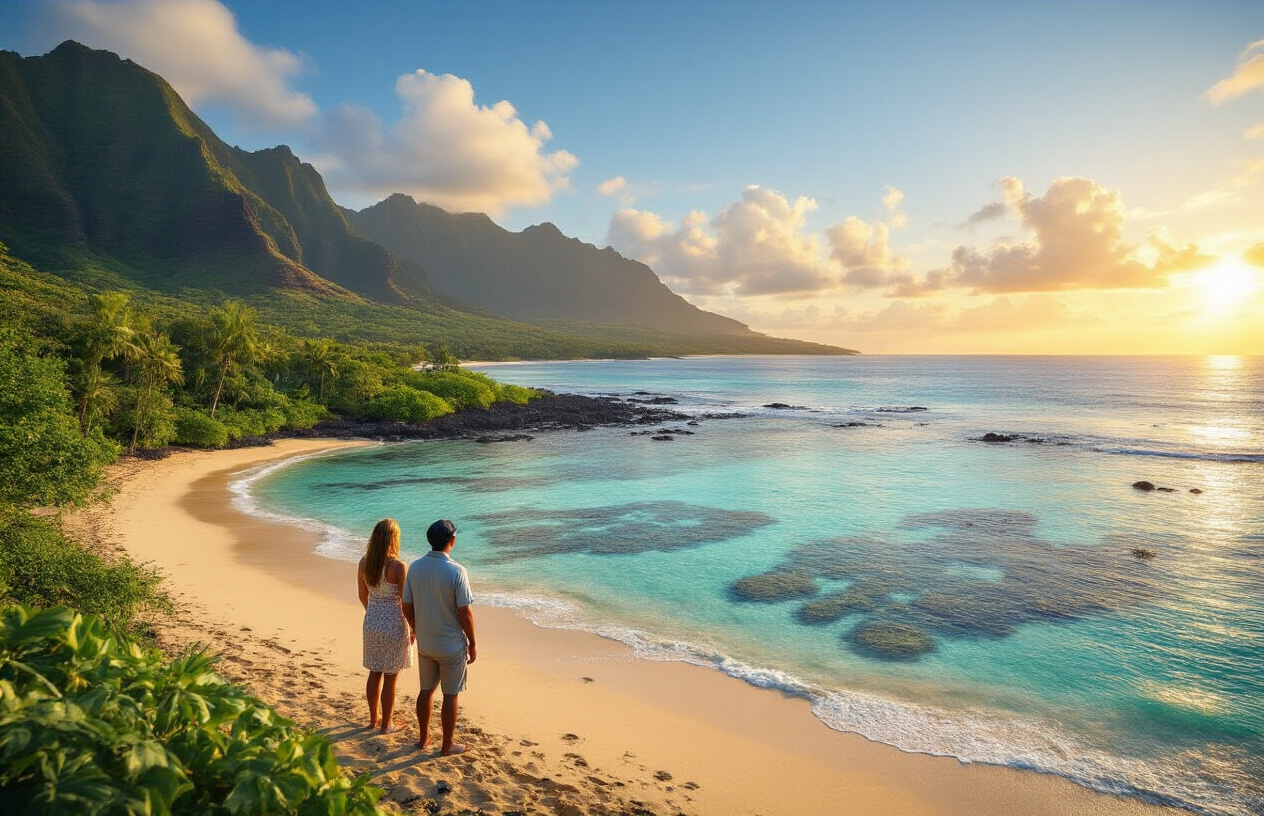
Hawaii is seeing a real shift. Communities across the islands are pushing back against the "fill every hotel room" model and demanding tourism that actually gives back. Regenerative travel — where visitors leave a place better than they found it — is gaining serious traction. Organizations like the Maui Nui Collaborative are working to redirect visitor dollars toward habitat restoration, local food systems, and cultural preservation rather than just resort profits.
Policy Changes Being Pushed by Native Hawaiian Advocates
Native Hawaiian advocates are pushing for meaningful change at the policy level, including:
| Policy Push | Goal |
|---|---|
| Visitor caps at sensitive natural sites | Reduce environmental degradation |
| Tourism taxes directed to local communities | Fund housing and infrastructure |
| Mandatory cultural education for tourists | Deepen respect for Native Hawaiian culture |
| Short-term rental restrictions | Return housing to local residents |
These aren't fringe ideas — several are already moving through state legislature discussions.
How Tourists Can Become Part of the Solution
Responsible tourism in Hawaii starts before you even book your flight. Choose locally owned accommodations, hire Native Hawaiian guides, skip overcrowded spots during peak hours, and genuinely learn about the culture you're stepping into. Sustainable travel Hawaii-style means treating the islands like a host's home, not a theme park.
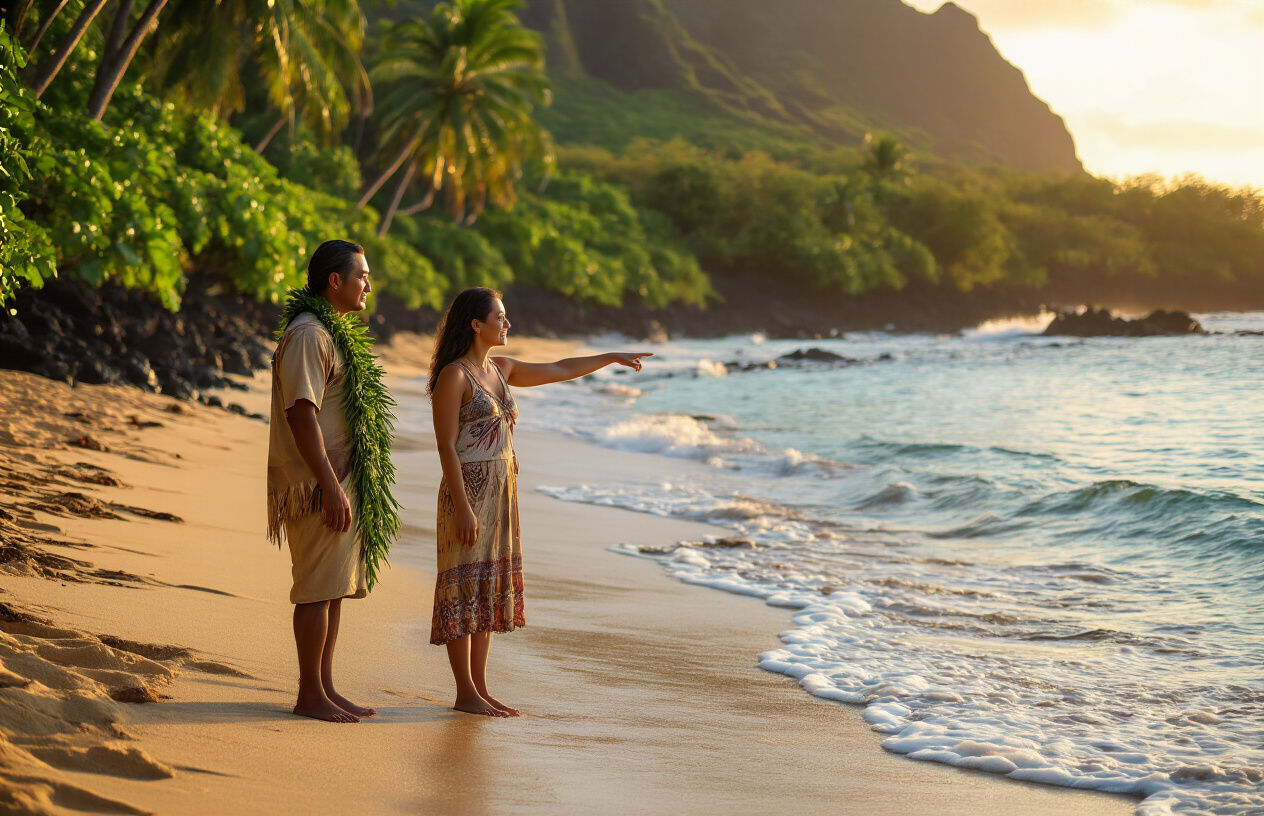
The relationship between Hawaiians and tourists is layered and real. Locals genuinely appreciate visitors who bring curiosity, respect, and an open heart to the islands. At the same time, the frustrations are valid — overcrowded beaches, disrespect for sacred spaces, and the slow erosion of Native Hawaiian culture and land are not small issues. Overtourism has left a mark on communities that deserve to be seen and heard, not just photographed.
The good news? You have the power to be the kind of traveler Hawaiians actually want to see. Learn a little about the culture before you go, support local businesses, follow the rules of the land, and treat the islands like a home — because for many people, it is. Hawaii's future depends on finding a balance where tourism and community can genuinely thrive together. That starts with every single visitor making a conscious choice to do better.
Post a Comment