
How to Haggle in Turkey Without Offending Anyone
Haggling in Turkey isn't just about saving money — it's a social ritual baked into the culture. Walk into a Grand Bazaar shop, and the seller expects you to negotiate. Leaving without trying to bargain can actually feel rude to them.
But there's a right way and a wrong way to do it.
This guide is for first-time visitors and repeat travelers who want to shop smart at Turkish markets without accidentally insulting the person selling to them. You'll learn how Turkish bazaar negotiation actually works from a cultural standpoint, the best haggling tactics that locals use every day, and the common mistakes that make sellers shut down the conversation fast.
No awkward moments. No overpaying. Just confident, respectful bargaining that gets you a fair deal — and maybe a glass of tea along the way.
Understand the Culture of Bargaining in Turkey
Why Haggling Is a Normal and Respected Tradition
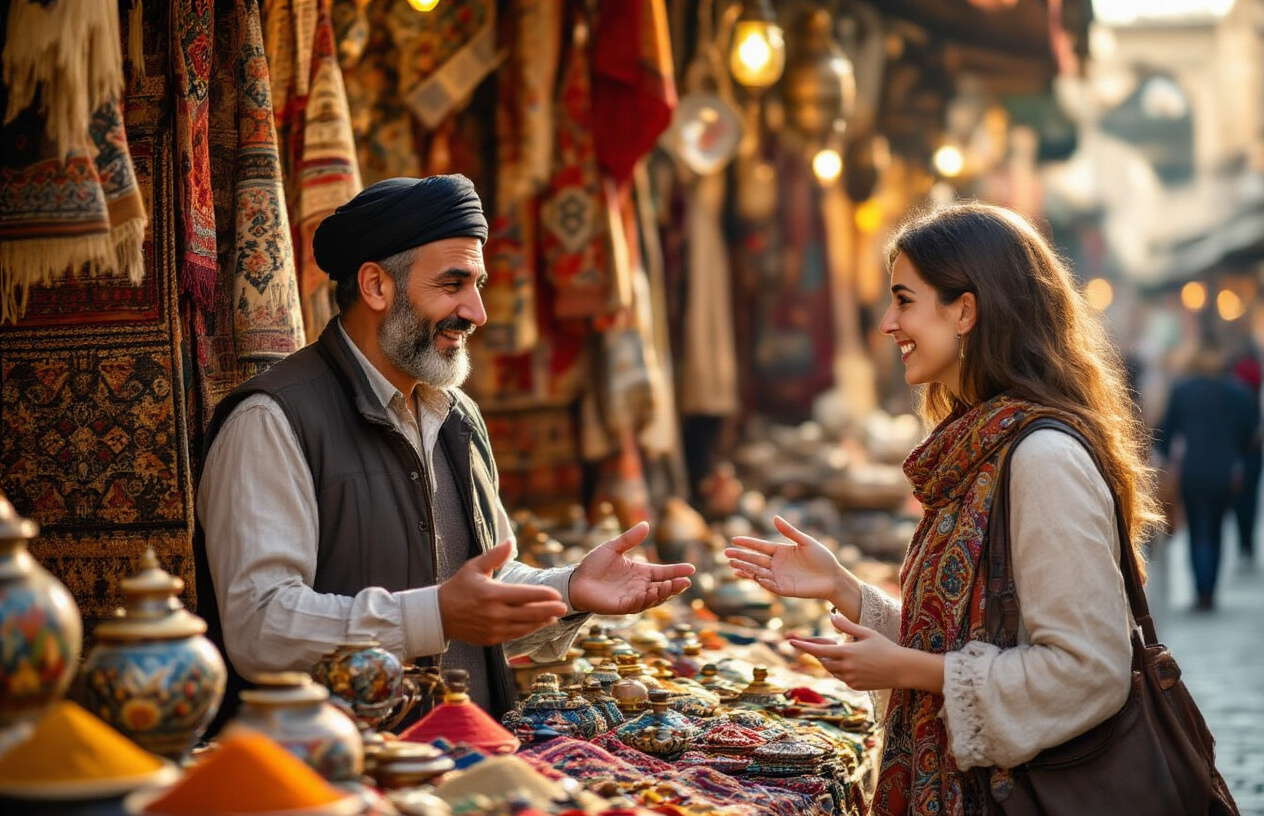
Bargaining in Turkey isn't a tourist trick — it's woven into daily life. For centuries, Turkish markets have operated on negotiation, and haggling is genuinely seen as a social exchange, not a confrontation. Skipping it can actually seem rude, like you're too good to engage. When you bargain, you're participating in something cultural, not just trying to save a few lira.
Where Haggling Is Expected and Where It Is Not
Knowing where to bargain saves you embarrassment on both ends.
| Haggling Expected | Haggling Not Appropriate |
|---|---|
| Grand Bazaar stalls | Supermarkets & grocery stores |
| Spice markets | Restaurants with printed menus |
| Street vendors | Pharmacies |
| Carpet & leather shops | Chain retail stores |
| Antique dealers | Public transport fares |
Stick to traditional markets and independent shops for Turkish bazaar negotiation — that's where sellers expect and welcome it.
How Turkish Merchants View the Negotiation Process
Turkish sellers see bargaining as relationship-building. The back-and-forth isn't adversarial — it's almost like a ritual with unspoken rules. They open high, you counter low, and you meet somewhere in the middle. Sellers genuinely enjoy a good negotiation with someone who plays the game respectfully and with good humor.
Prepare Yourself Before You Start Negotiating
Research Fair Price Ranges Before Visiting Markets
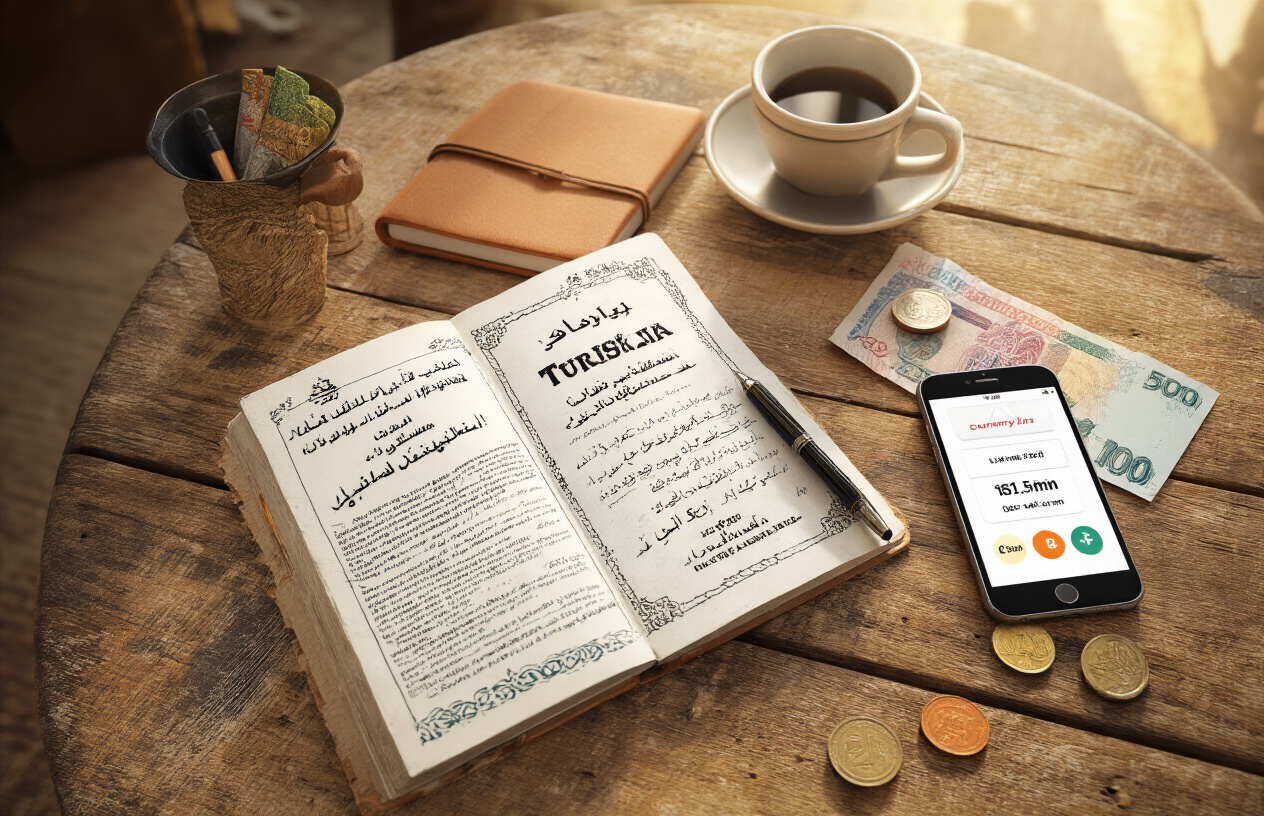
Spend 20 minutes online before hitting any Turkish bazaar. Check travel forums like TripAdvisor or Reddit's r/Turkey for recent price reports on common items — leather goods, ceramics, spices, and textiles. Knowing a fair price range gives you a solid starting point when haggling in Turkey.
Learn Key Turkish Phrases to Build Instant Rapport
A few words go a long way in Turkish market bargaining culture. Sellers genuinely light up when tourists make the effort.
| Phrase | Meaning |
|---|---|
| Ne kadar? | How much? |
| Çok pahalı | Very expensive |
| İndirim var mı? | Is there a discount? |
| Teşekkür ederim | Thank you |
Even mispronouncing these with a smile earns goodwill and better deals.
Decide on Your Maximum Budget in Advance
Before entering a shop, set a hard limit in your head. Grand Bazaar haggling works best when you already know your walk-away number. Without this anchor, emotions take over and you overspend.
Dress and Act in Ways That Earn Respect
Dress neatly and modestly. Flashy designer gear signals money, which instantly raises asking prices. Walk calmly, make eye contact, and avoid appearing rushed — sellers read body language fast.
Master the Art of Opening the Negotiation
Let the Seller Name the First Price
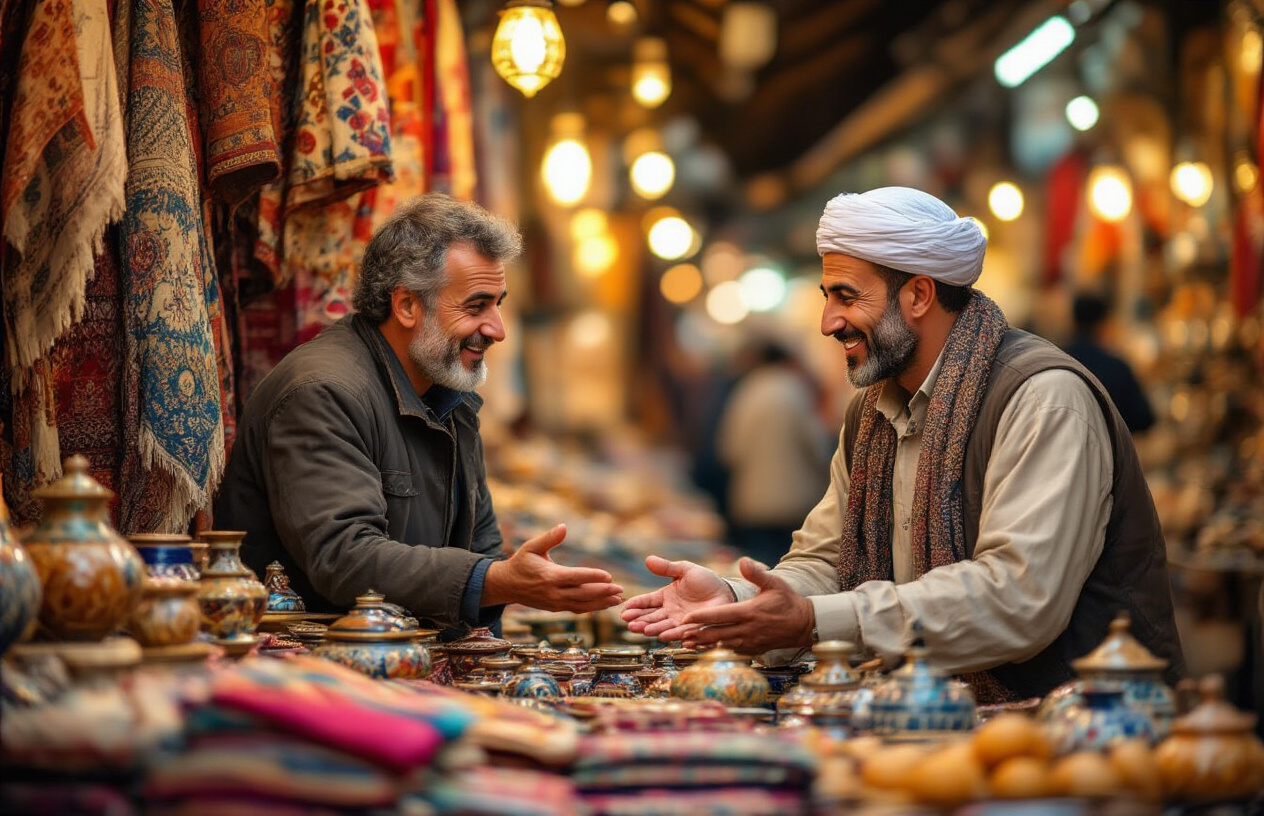
Silence is your best opening move in any Turkish bazaar negotiation. Wait for the seller to name their price first — this gives you a massive advantage. Their opening number reveals how much room exists for bargaining. Jumping in with your own price too early cuts that window short.
React Calmly to Avoid Showing Excitement
The moment you look genuinely excited about an item, your bargaining power drops. Sellers in the Grand Bazaar are experienced at reading tourists, and visible enthusiasm signals you're willing to pay almost anything. Keep your expression neutral, handle the item casually, and pause before responding. A slow nod or a quiet "hmm" works far better than enthusiastic praise.
Make a Reasonable Counteroffer Without Going Too Low
A good rule of thumb when haggling in Turkey: counter at roughly 40–60% of the asking price, depending on the item. This leaves healthy room to meet somewhere in the middle.
| Seller's Price | Your First Counter | Likely Final Price |
|---|---|---|
| 500 TL | 200–250 TL | 300–350 TL |
| 1,000 TL | 450–500 TL | 600–700 TL |
Going too low — say, 10–15% of asking — can genuinely offend the seller and shut the conversation down fast.
Use Proven Tactics That Work in Turkish Bazaars
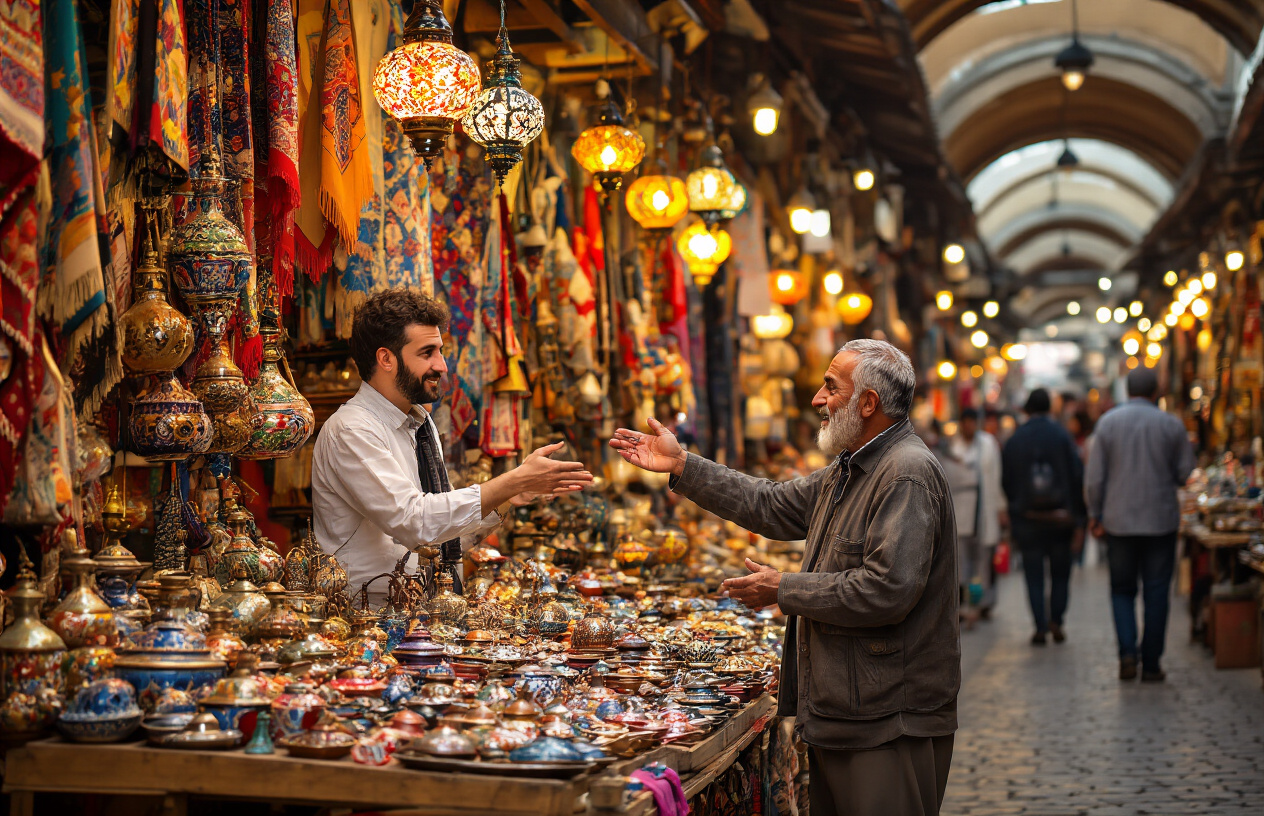
Build a Friendly Relationship Before Discussing Price
Skip straight to price talk and you'll likely pay more. Sellers in Turkish bazaars respond far better when you show genuine interest — in them, their craft, and their shop. Ask where a carpet was made or how long they've been working there. That small gesture shifts the dynamic completely.
Use the Power of Walking Away Effectively
Walking away is your strongest card in any Turkish bazaar negotiation. Do it calmly and without drama. Nine times out of ten, the seller will call you back with a better offer. If they don't, the price was already fair.
Buy Multiple Items to Unlock Better Deals
Bundling works brilliantly when haggling in Turkey. Pick two or three items and negotiate the total together. Sellers are far more flexible when they see a bigger sale coming their way.
Accept Tea Offers to Strengthen the Connection
Always say yes to tea. It signals respect and keeps the conversation relaxed. Some of the best deals happen over a small glass of çay — no pressure, just good conversation.
Stay Patient and Let the Process Unfold Naturally
Rushing kills deals. Turkish market bargaining culture is built on patience. Enjoy the back-and-forth — it's part of the experience, not an obstacle to it.
Avoid Common Mistakes That Offend Sellers
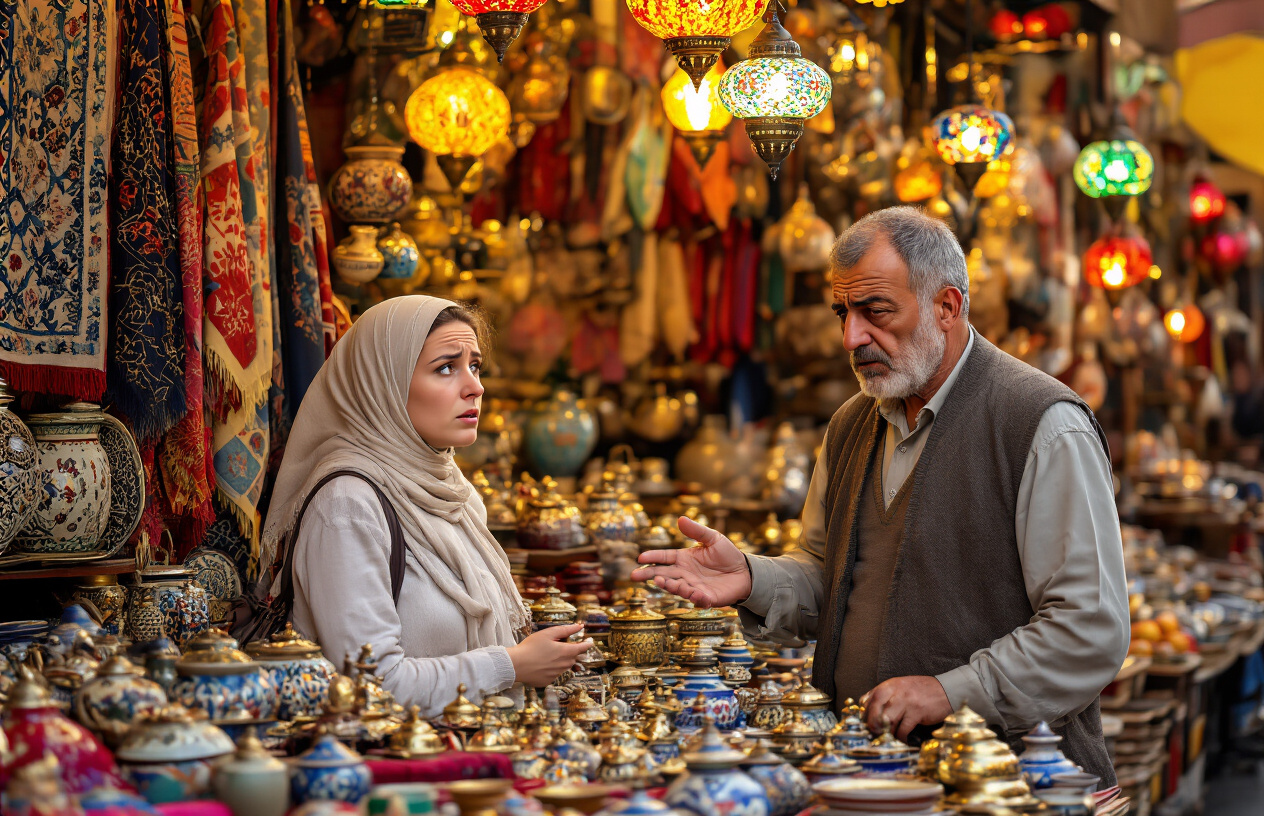
Never Laugh at or Mock the Asking Price
Sellers in Turkish bazaars take real pride in their goods. Laughing at or dismissing their opening price — even casually — reads as disrespectful and can shut down the conversation immediately. Instead, respond with a calm, genuine counter-offer. That signals you're serious without bruising anyone's ego. Bargaining etiquette in Turkey runs on mutual respect, and keeping your tone warm goes a long way.
Avoid Making Offers You Do Not Intend to Honor
This is a big one. In Turkish market bargaining culture, once a seller accepts your offer, the deal is considered done. Walking away after they say yes — especially at the Grand Bazaar — is genuinely offensive and can cause real awkwardness. Only throw out a number you'd actually be happy paying. If you're just curious about pricing, ask questions rather than making offers.
Respect the Seller's Final No Without Pushing Further
When a seller shakes their head and holds firm, that's the line. Continuing to push after a clear final no shifts the energy from friendly negotiation to pressure — and nobody enjoys that. Accept it gracefully, thank them, and move on. You'll come across as a respectful traveler, and that reputation actually helps when haggling in Turkey at other stalls nearby.
Know When You Have Secured a Great Deal
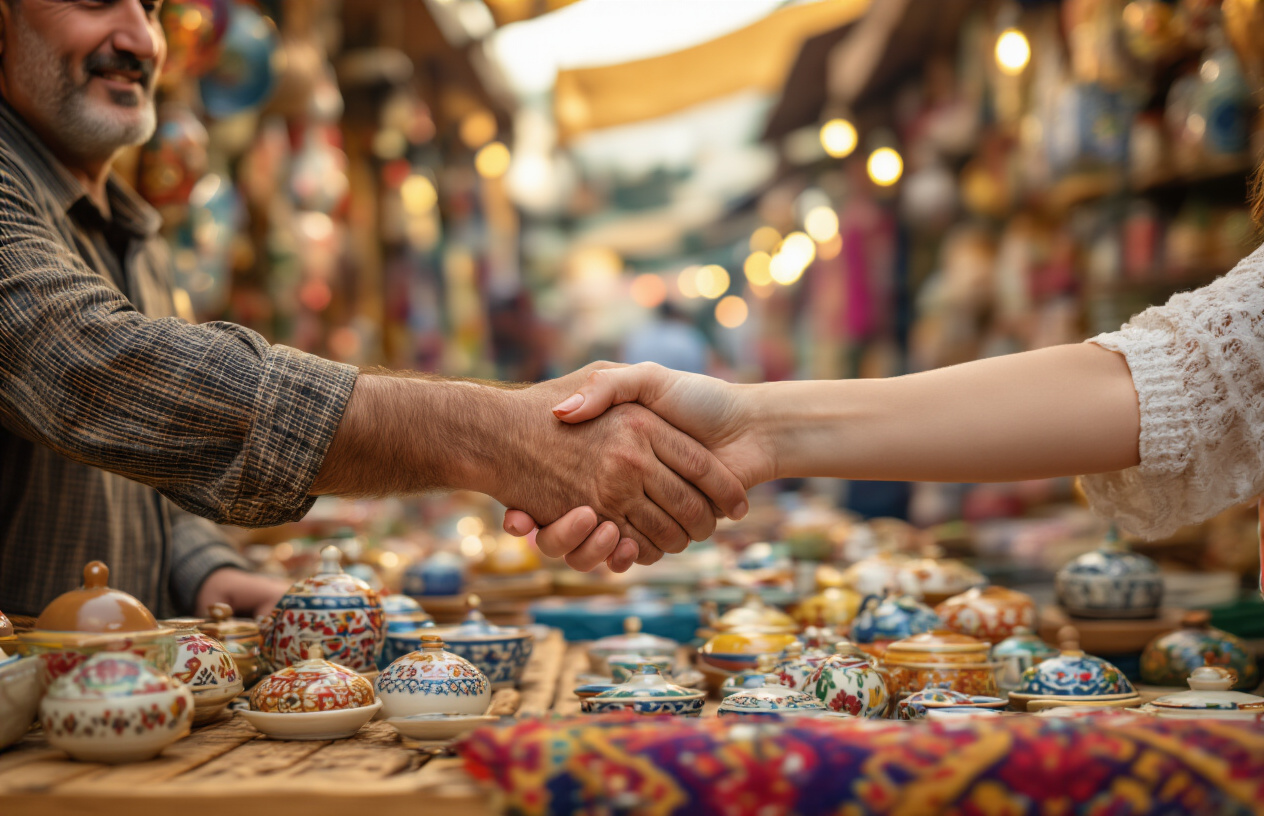
Recognize Signs That the Seller Is Genuinely Satisfied
A good deal in Turkish bazaar negotiation feels comfortable for both sides. Watch for these signals that you've landed in the right zone:
| Seller Signal | What It Means |
|---|---|
| Extends a handshake | Deal is accepted wholeheartedly |
| Offers tea or coffee | Genuine goodwill, not a sales tactic |
| Smiles without hesitation | Price works for them |
| Stops countering quickly | You're near their real floor price |
If a seller looks visibly pained or walks away quietly, you may have pushed too hard.
Seal the Deal With Gratitude and Warmth
Once you agree on a price, say teşekkür ederim (thank you) — even a small effort with Turkish goes a long way. Shake hands firmly, make eye contact, and mean it. Bargaining etiquette in Turkey is rooted in mutual respect, so leaving the stall on a warm note matters as much as the price itself.
Walk Away Feeling Confident About Your Purchase
Resist second-guessing yourself after haggling in Turkey. If the seller seemed relaxed and the conversation stayed friendly throughout, you negotiated well. The best Turkey shopping experiences aren't just about saving money — they're about connecting with the culture genuinely.
Haggling in Turkey is so much more than just trying to pay less — it's a cultural exchange built on respect, humor, and genuine human connection. When you take the time to understand the local customs, come prepared, open negotiations with warmth, and use the right tactics at the right moments, you're not just getting a better price — you're actually building a real moment with the person across the counter. And steering clear of the classic blunders? That's what separates a traveler who leaves with a smile from one who causes awkward tension in a beautiful old bazaar.
So next time you're wandering through a Turkish market and a seller catches your eye, don't shy away from the dance. Lean into it, be respectful, have a laugh, and trust yourself to know when the deal feels right. The bazaar experience is one of the most memorable parts of visiting Turkey — make the most of it.
Post a Comment