
Driving in Iceland? Read This Before You Rent a Car
Planning a self-drive trip around Iceland is one of the best decisions you'll make — but only if you go in prepared. Iceland's roads don't care about your confidence level or your Google Maps signal. They'll humble you fast.
This guide is for first-time visitors and independent travelers who want to explore Iceland on their own terms, without getting caught off guard by black ice, a surprise F-road, or a traffic law they didn't know existed.
Here's what we'll walk through: how Iceland's driving conditions are genuinely different from anywhere else you've driven, how to pick the right rental car so you're not stuck with the wrong vehicle halfway up a mountain pass, and the traffic laws that catch tourists out more than any others. By the end, you'll know exactly what to book, what to expect, and how to stay safe out there.
Understanding Iceland's Unique Driving Conditions
How Iceland's Weather Can Change Without Warning
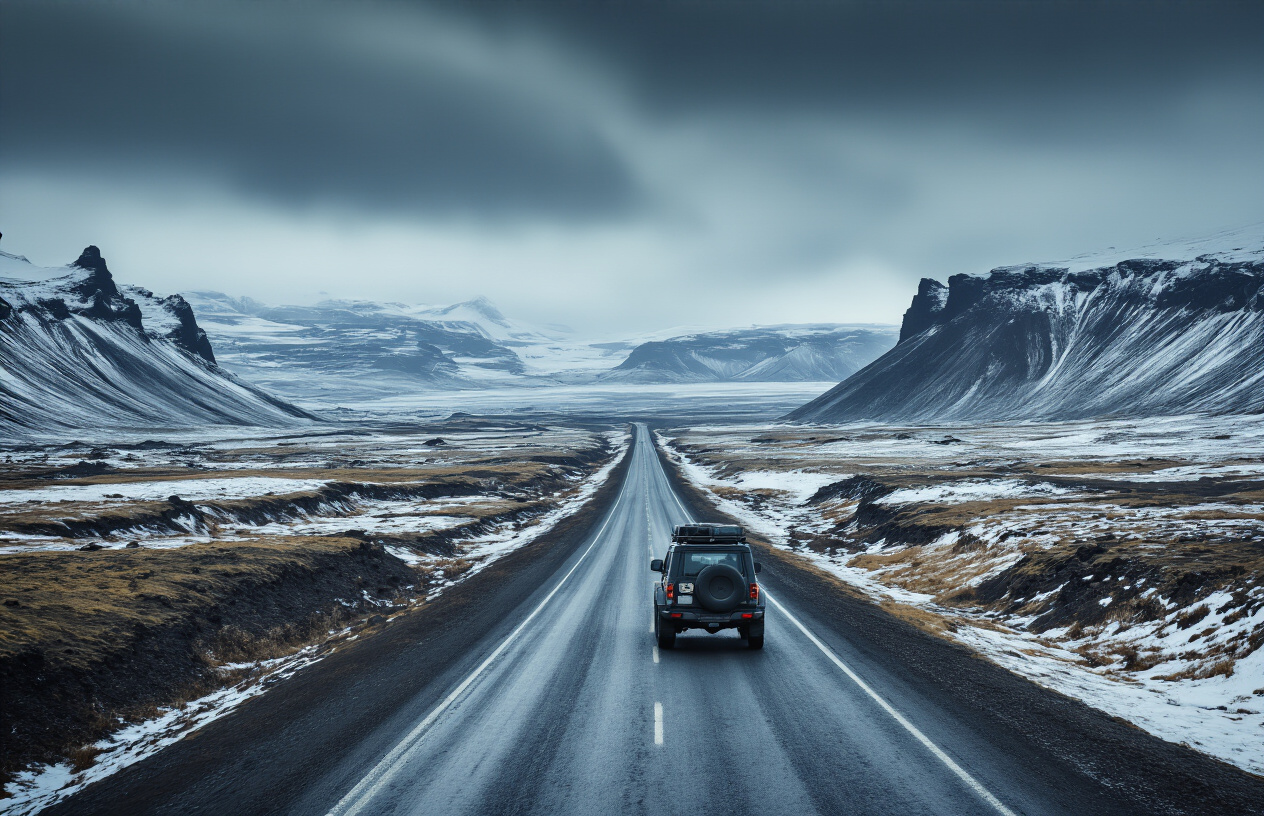
Iceland's weather is genuinely unpredictable. You can leave Reykjavik under blue skies and hit a whiteout blizzard 30 minutes later. Seasons barely matter here — snow can fall in July, and warm spells pop up in February. Always check the forecast before heading out, but never fully trust it beyond a few hours.
Navigating Highland Roads Safely
Iceland's highland F-roads are only open mid-June through September, and only 4WD vehicles are allowed. These aren't suggestions — driving a regular car on F-roads voids your rental insurance immediately. River crossings are common on these routes, and misjudging water depth has stranded countless unprepared drivers.
Dealing with Strong Winds and Blowing Snow
Wind gusts along Iceland's southern and western coasts can physically push your car sideways. When parking, open doors carefully — strong gusts have torn car doors clean off. In blowing snow conditions, visibility drops to near zero within seconds.
Reading Road Condition Alerts Before You Drive
Make road.is your best friend. Iceland's official road administration updates conditions in real time, color-coding roads by safety status:
| Color | Meaning |
|---|---|
| Green | Open and safe |
| Yellow | Caution advised |
| Red | Closed or dangerous |
Check it every morning before driving.
Choosing the Right Rental Car for Iceland
Why a 4x4 is Essential for F-Roads
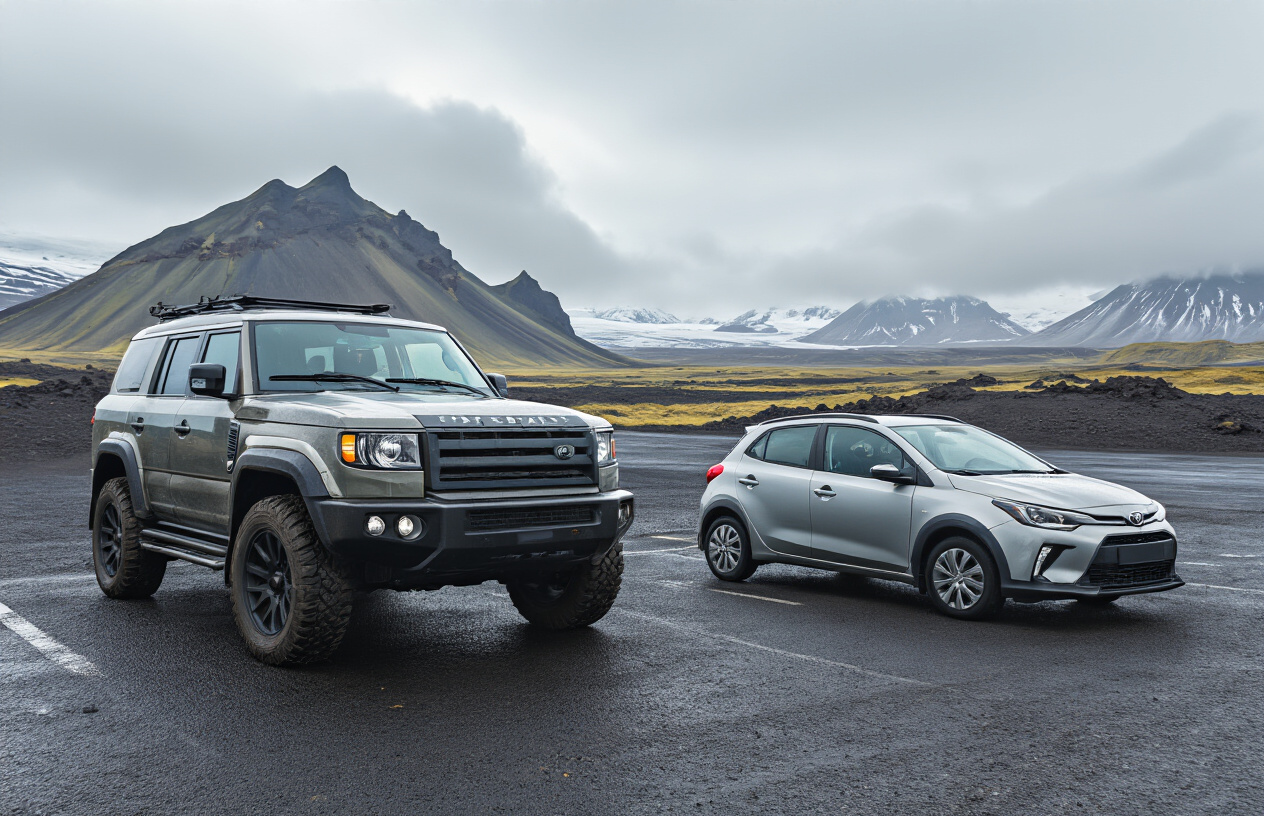
F-roads are Iceland's highland tracks, and they're only open during summer. These rough, unpaved routes cross rivers, loose gravel, and steep terrain that will destroy a regular sedan. Driving an F-road without a 4x4 voids your rental insurance instantly — leaving you on the hook for serious repair costs. If your Iceland road trip includes the Highlands, a 4x4 isn't optional.
Key Features to Look for in a Rental Vehicle
Beyond four-wheel drive, pay attention to these specifics when renting a car in Iceland:
Ground clearance — higher is better for river crossings
Automatic vs. manual — automatics are easier on challenging terrain
Heated seats and defrost — non-negotiable in colder months
GPS or offline maps — cell service disappears fast outside Reykjavik
Comparing Rental Companies for the Best Value
| Company | 4x4 Available | Gravel Protection | Cancellation Policy |
|---|---|---|---|
| Sad Cars | Yes | Add-on | Flexible |
| Blue Car Rental | Yes | Included | Moderate |
| Hertz Iceland | Yes | Add-on | Strict |
| Lagoon Car Rental | Yes | Included | Flexible |
Always read the fine print on insurance packages — gravel and sand damage are common exclusions that catch travelers off guard.
Essential Iceland Traffic Laws You Must Know
Speed Limits That Catch Tourists Off Guard
| Road Type | Speed Limit |
|---|---|
| Urban areas | 50 km/h |
| Paved rural roads | 90 km/h |
| Gravel/unpaved roads | 80 km/h |
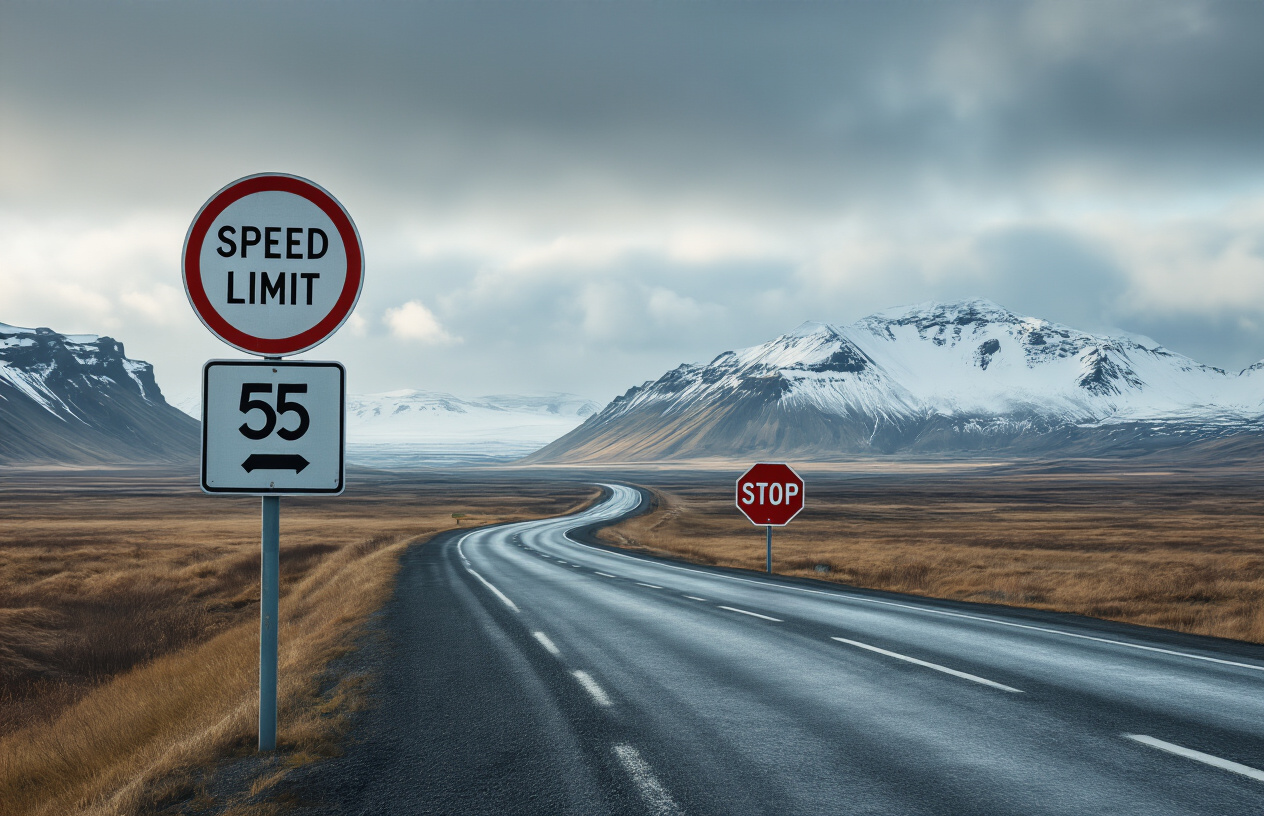
Speed cameras are everywhere, and fines are steep. Don't assume rural means relaxed enforcement.
Rules for Driving on Highland and Gravel Roads
Iceland's F-roads (highland roads) are only open during summer and require a 4WD vehicle — not just any AWD crossover. Driving a standard car on F-roads voids your rental insurance immediately.
Understanding Right of Way on Single Lane Bridges
The car closest to the bridge goes first. If you arrive simultaneously, the car on the right has priority. Pull into the designated passing bays when yielding.
Why Off-Road Driving Is Illegal and Costly
Iceland's moss and lava fields take centuries to recover from tire tracks. Off-road driving carries fines up to 500,000 ISK (~$3,500 USD) and is one of the biggest Iceland driving conditions mistakes tourists make.
Headlight and Seatbelt Requirements
Headlights are mandatory 24/7, year-round — even in full summer daylight. Seatbelts are required for every passenger. No exceptions, no warnings.
Planning Your Route the Smart Way
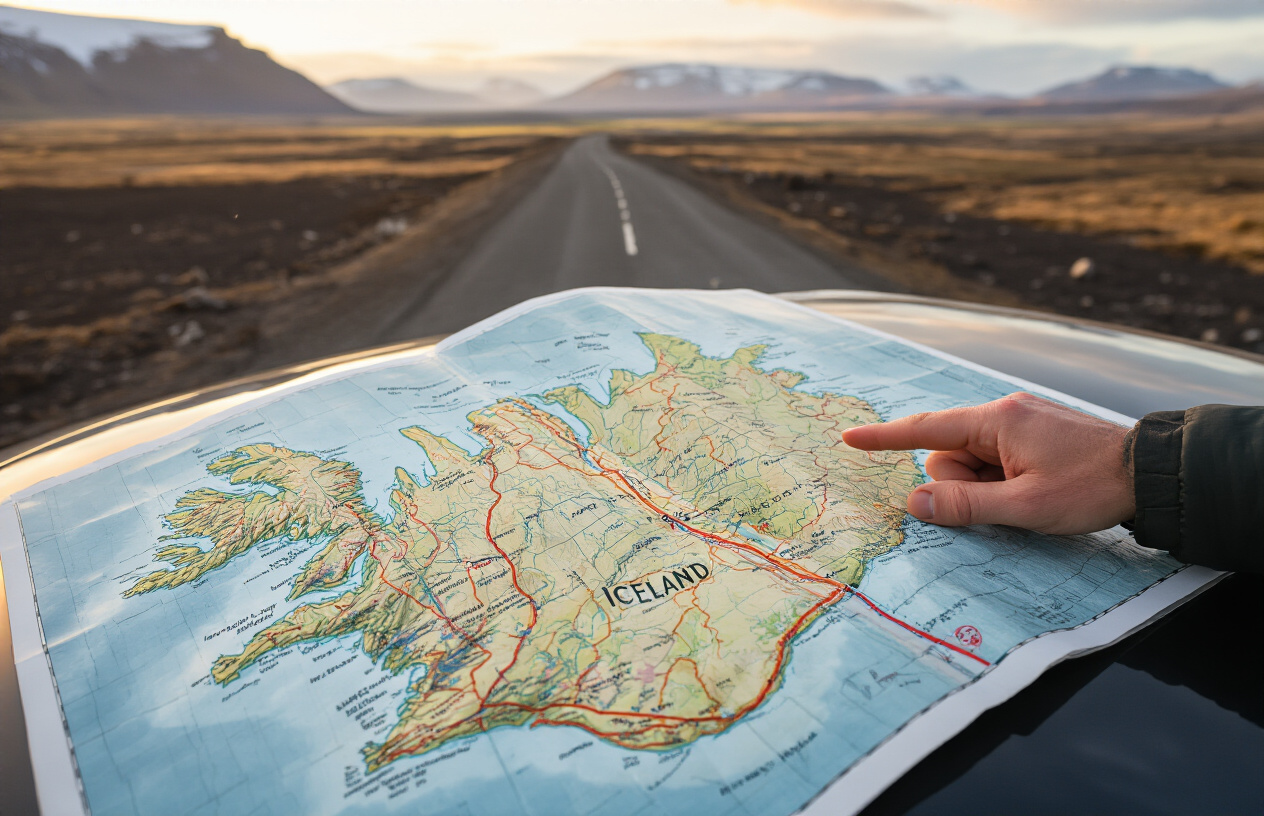
Using Safetravel.is to Check Road Status Daily
Before heading out each morning, pull up safetravel.is — it's Iceland's go-to resource for real-time road closures, weather alerts, and storm warnings. Conditions can flip from sunny to whiteout within hours, so checking daily isn't optional on an Iceland road trip.
Mapping the Ring Road Realistically
The Ring Road (Route 1) circles the entire island at roughly 1,332 km. Don't assume you can blast through large sections daily — gravel detours, single-lane bridges, and unpredictable Iceland driving conditions slow everything down. A realistic pace is 250–300 km per day, giving you time to stop, explore, and stay safe.
| Segment | Approximate Distance | Driving Time |
|---|---|---|
| Reykjavik → Vík | 186 km | 2.5–3 hrs |
| Vík → Höfn | 207 km | 3–4 hrs |
| Höfn → Egilsstaðir | 258 km | 3.5–4.5 hrs |
Identifying Gas Stations Before Heading Into Remote Areas
Remote stretches — especially in the East Fjords and Highlands — can go 100+ km without a single gas station. Before driving in Iceland's less-traveled regions, use the N1 or Orkan apps to map fuel stops ahead of time. Always top off when you hit 50%, not empty.
Staying Safe in Emergency Situations
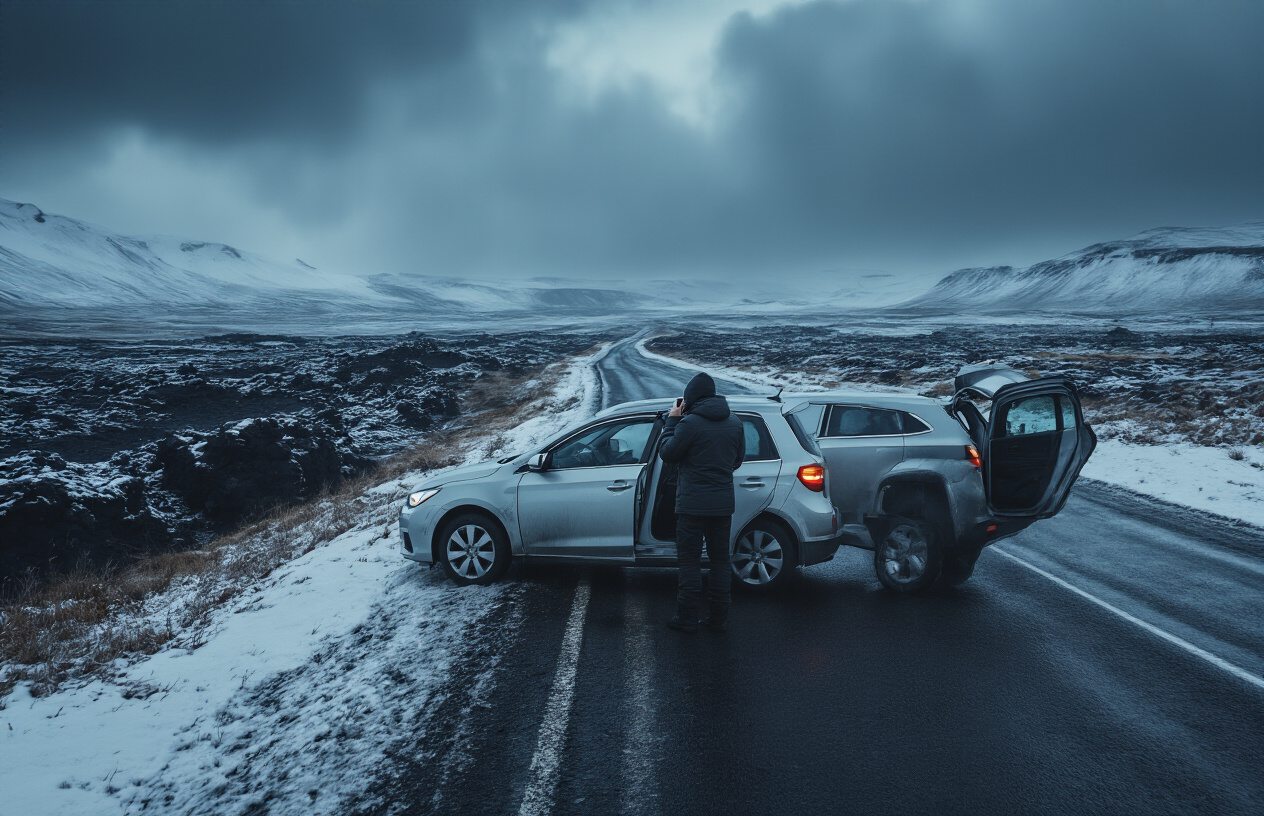
What to Do If You Get Stuck in Snow or Mud
Getting stuck in Iceland's interior is serious business. Stay calm, don't spin your wheels — that just digs you in deeper. Turn on your hazard lights, grab your traction mats if you packed them, and try gentle rocking between drive and reverse. If that fails, call for help rather than draining your battery. Safetravel.is connects you with rescue teams who know Iceland's terrain well.
How to Handle a River Crossing Safely
This is one of the most dangerous parts of driving in Iceland's highlands. Never cross a glacial river alone or without checking water levels first. Check road.is for current conditions, walk the crossing on foot first to gauge depth and current strength, and enter slowly at the shallowest point. Keep windows down so you can escape quickly if water enters. One wrong move can sweep your vehicle downstream fast.
Emergency Contacts Every Driver Should Save
| Contact | Number / Site |
|---|---|
| Emergency Services | 112 |
| Icelandic Road Administration | road.is |
| Safetravel Rescue | safetravel.is |
| Rental Car Roadside Assistance | (provided at pickup) |
Screenshot these before heading into remote areas — cell service disappears quickly once you leave the Ring Road.
Cutting Costs Without Cutting Corners
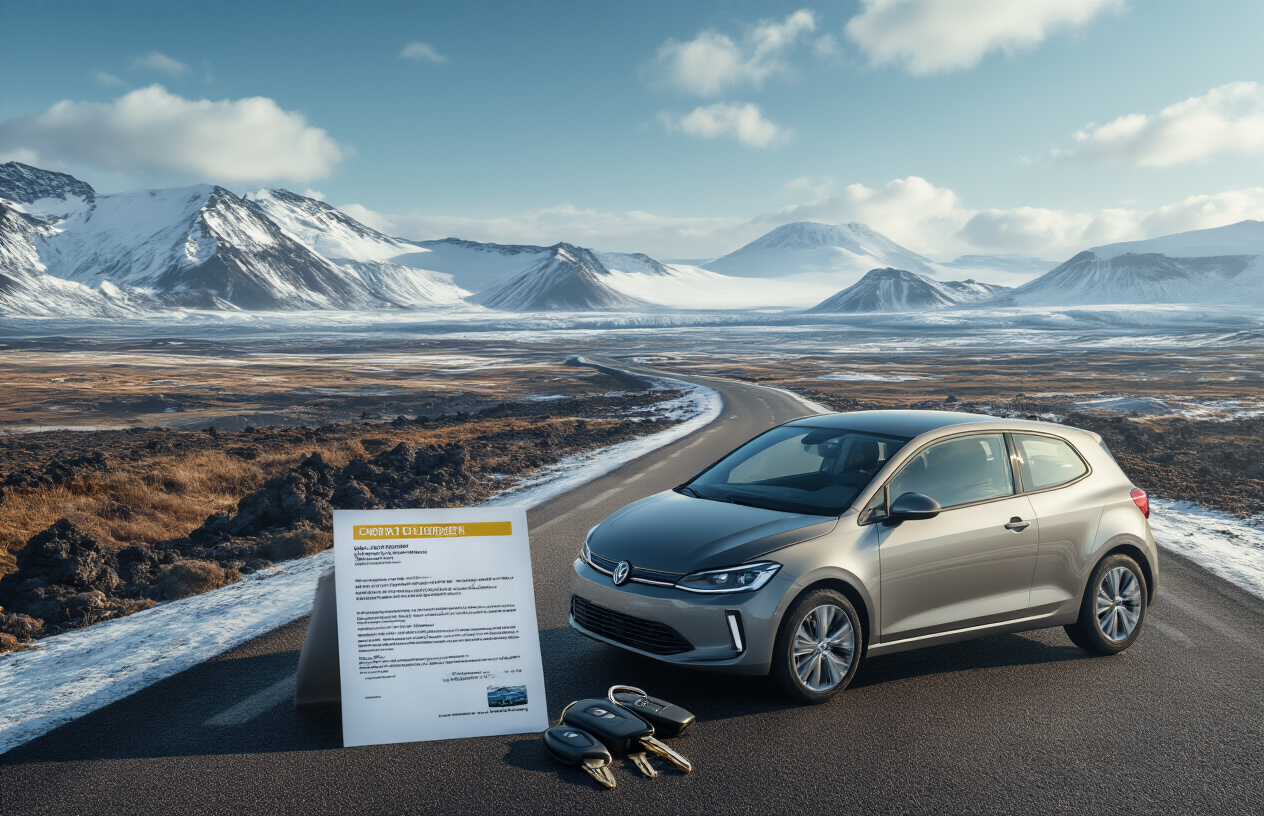
Booking Early to Lock in Better Rental Rates
Rental prices in Iceland spike fast, especially during summer. Booking 2–3 months ahead can save you 20–40% compared to last-minute rates. Use comparison sites like Rentalcars.com or book directly with local companies — local agencies often beat international chains on price.
Choosing the Right Insurance Coverage
| Coverage Type | Best For |
|---|---|
| Basic CDW | Paved roads, summer travel |
| Gravel Protection | Highland F-roads |
| Sand & Ash Coverage | Southern coast driving |
| Super CDW | Full peace of mind |
Iceland's terrain is unforgiving. Skipping gravel protection when renting a car in Iceland and then cracking a windshield on a highland road is an expensive lesson. Match your coverage to your actual route.
Avoiding Hidden Fees in Your Rental Agreement
Watch for airport surcharges, one-way drop fees, young driver fees, and GPS add-ons. Ask specifically about fuel policies — "full-to-full" is always better than prepaid fuel options.
Saving on Fuel With Smart Route Planning
Iceland road trip tips always include fuel strategy — and for good reason. Gas stations are sparse outside Reykjavik. Download the Gasvaktin app to find the cheapest pumps, and fill up before heading into rural areas.
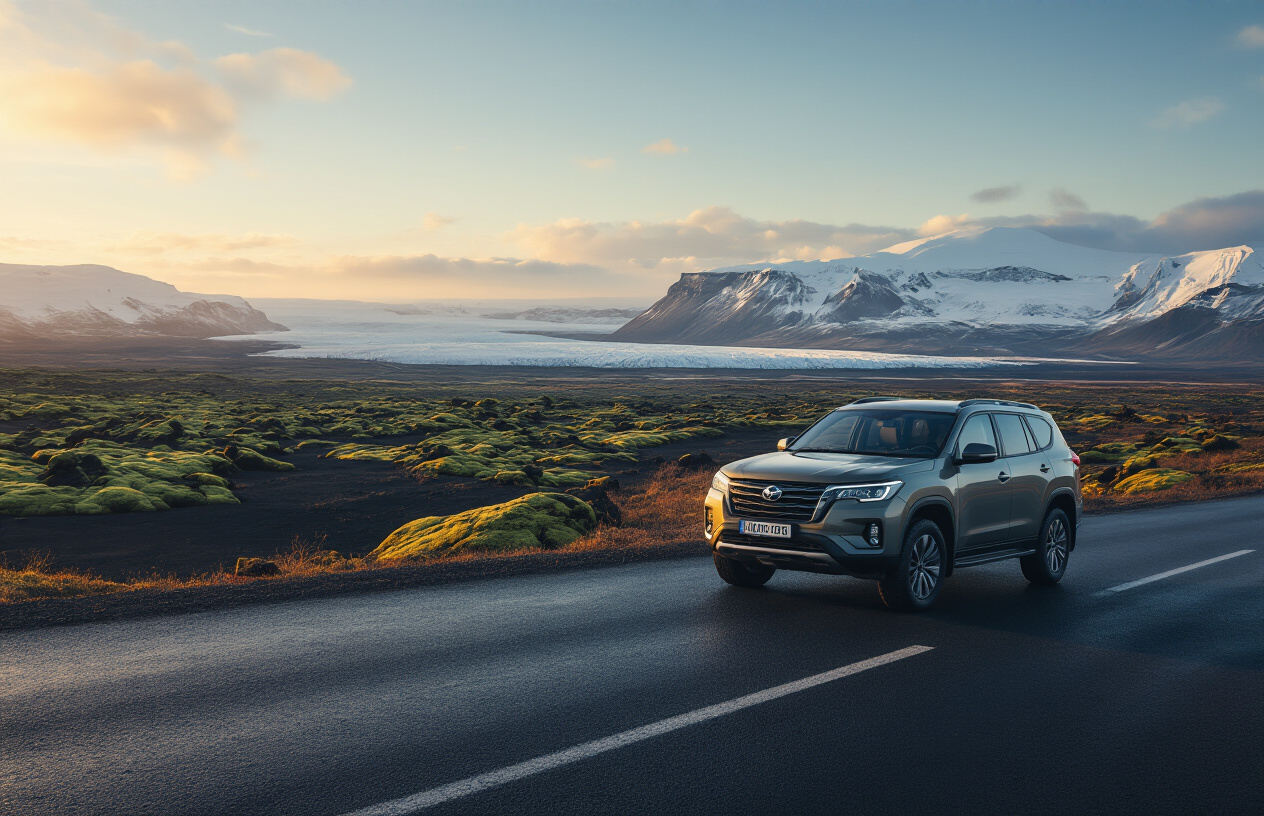
Iceland's roads are unlike anything most drivers have experienced before. From unpredictable weather and river crossings to strict traffic laws and terrain that can change within minutes, driving here demands real preparation. Picking the right vehicle, knowing the rules, planning your route carefully, and understanding what to do when things go sideways can genuinely be the difference between an unforgettable adventure and a stressful nightmare.
The good news is that none of this has to be overwhelming. A little research before you grab those car keys goes a long way. Stick to the speed limits, respect the F-roads, keep an eye on the weather forecasts, and make sure your rental is actually built for the conditions you'll be driving in. Iceland is jaw-droppingly beautiful, and the freedom of exploring it by car is hard to beat — just make sure you're doing it smart.
Post a Comment