
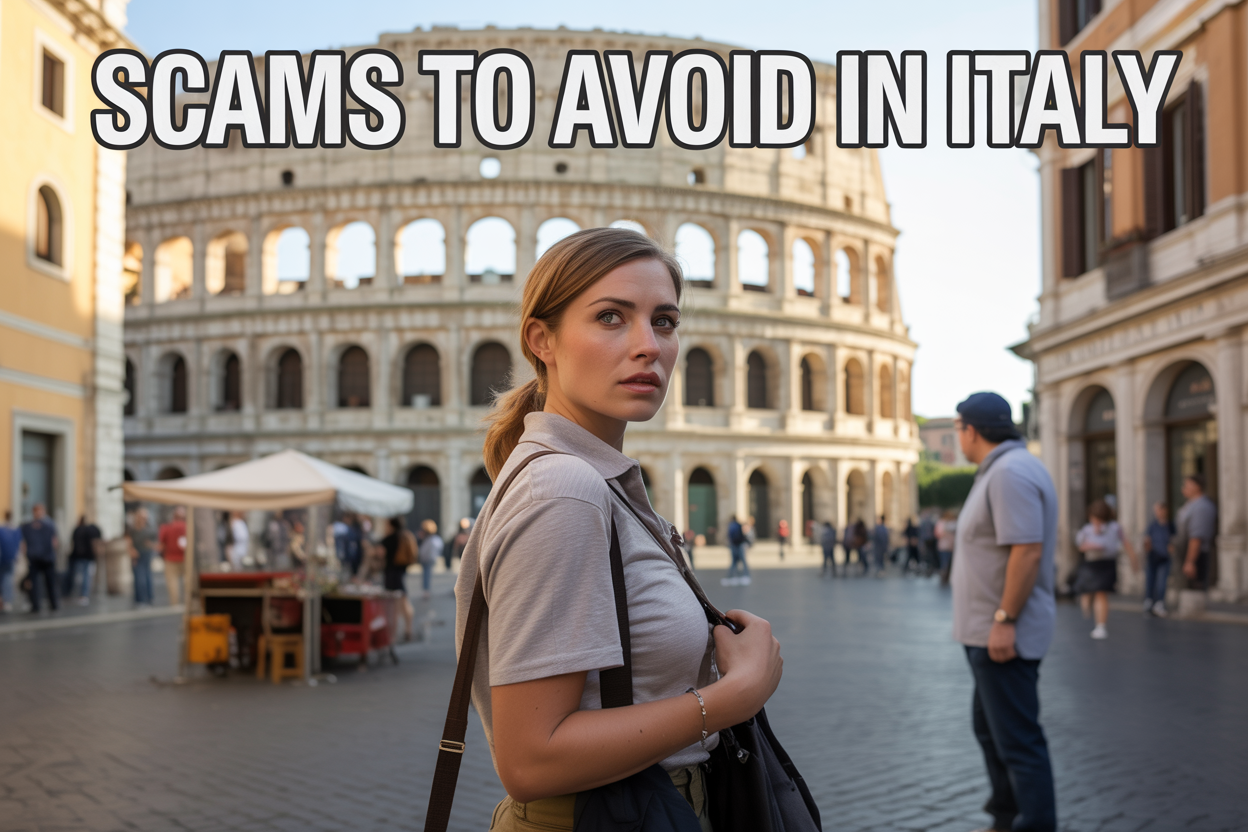
7 Scams to Avoid on Your First Italy Trip
Italy is one of the most beautiful countries in the world — and also one of the easiest places to get caught off guard if you're traveling there for the first time. Crowded piazzas, busy train stations, and tourist hotspots like Rome and Florence are exactly where scammers do their best work.
This guide is for first-time visitors to Italy who want to explore without losing money to tricks that are completely avoidable once you know what to look for.
We'll walk you through 7 of the most common Italy travel scams happening right now, including how restaurant overcharging in Italy quietly drains your wallet, why that "friendly local" tying something around your wrist is never actually friendly, and what to do if someone flashes a badge and calls themselves a police officer.
Knowing these Italy trip safety tips before you land could save you real money — and a lot of frustration on a trip you've probably been planning for a long time.
The Fake Petition Scam
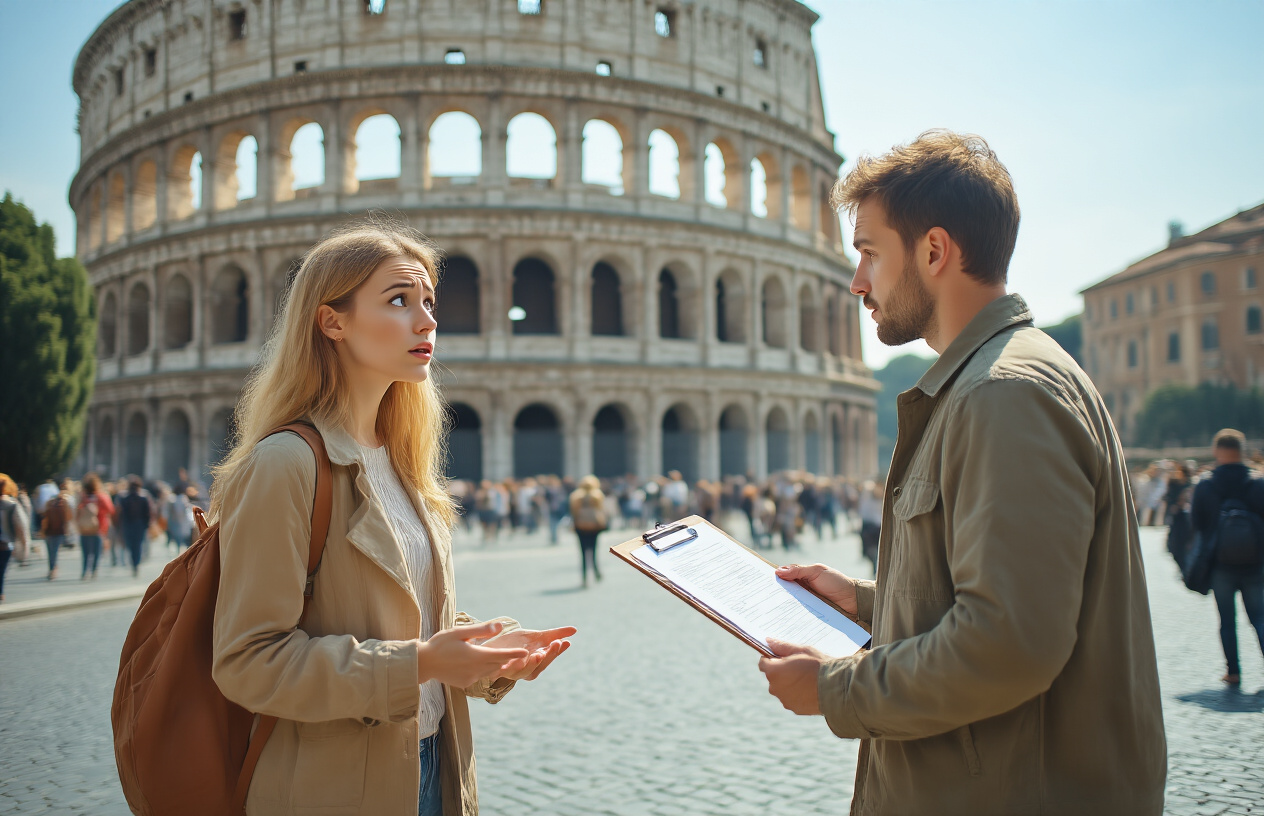
How Con Artists Use Clipboards to Distract You
Someone approaches you holding a clipboard, speaking urgently about a cause — deaf children, homeless refugees, local charities. They push the clipboard toward you, asking for a signature. While your attention shifts to the paper, an accomplice nearby picks your pocket or the person themselves demands a cash "donation" after you've signed. This is one of the most common Italy travel scams, and it works because it exploits your kindness.
Why Tourist Areas Are Prime Targets for This Trick
High-traffic spots like the Colosseum, Trevi Fountain, and Vatican City are hotbeds for this trick. Crowds create cover, and tourists are distracted by their surroundings. First-time visitors are especially vulnerable because they're focused on sightseeing rather than their surroundings.
Simple Steps to Firmly Decline Without Confrontation
Keep walking — eye contact invites engagement
Say "No grazie" and keep moving without breaking stride
Never take the clipboard, even briefly
Keep your bag in front of you in crowded areas
Trust your gut — if someone feels pushy, walk away fast
Knowing these Italy trip safety tips before you arrive makes all the difference.
The Friendship Bracelet Trap

How Strangers Force Bracelets on Your Wrist
This one is sneaky because it feels friendly at first. Someone approaches you near a major landmark — the Colosseum, the Trevi Fountain, Spanish Steps — smiles warmly, and starts weaving a bracelet around your wrist before you even realize what's happening. By the time it's tied on, they're demanding payment, sometimes aggressively. Their friends may appear nearby to add pressure. Refusing to pay feels awkward, even confrontational, which is exactly what they're counting on.
This is one of the most widely reported Italy travel scams, especially in Rome and Florence.
Why Saying No Early Saves You Money and Stress
The moment someone approaches you holding string or bracelets, your best move is a firm, calm "No, thank you" while keeping both hands in your pockets. Don't make eye contact for too long, and keep walking. Once a bracelet is on your wrist, the social pressure skyrockets.
A quick "no" at the start costs you nothing. Waiting until it's already tied costs you anywhere from €5 to €20 — plus the stress of a tense standoff.
Knowing this scam exists before your trip is honestly half the battle.
Overcharging at Restaurants and Cafes
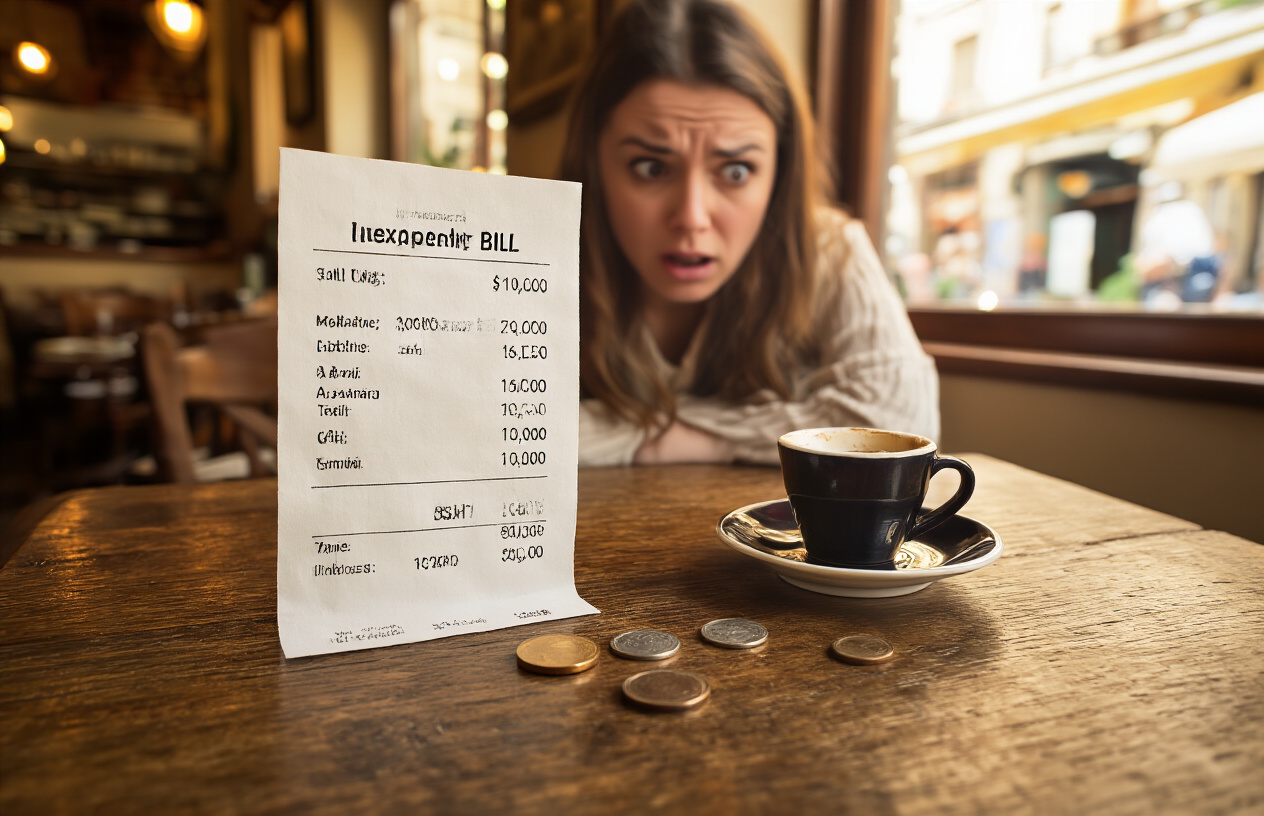
How to Spot a Menu Without Prices Listed
If a restaurant near a major tourist attraction hands you a menu with no prices, walk away. This is one of the most common restaurant overcharging Italy tricks — you order freely, then get hit with an inflated bill. Always check for prices before sitting down.
Why Sitting Down Can Cost You Unexpected Cover Charges
Many Italian restaurants charge a coperto (cover charge) per person just for table service — sometimes €2–€5 each. This is legal and somewhat traditional, but some touristy spots stack on extra charges for bread or table setup. Check the menu footer for this fee before you commit to a seat.
How to Always Request an Itemized Bill Before Paying
When the bill arrives, ask for a conto dettagliato (itemized receipt). Compare every line item against what you actually ordered. Sneaky additions like "service charges" or extra bread charges appear more often in high-traffic tourist areas.
Best Ways to Research Honest Local Eateries in Advance
| Tool | Why It Helps |
|---|---|
| Google Maps Reviews | Real customer feedback with photos |
| TripAdvisor | Filter by locals' picks |
| Instagram geotags | Spot authentic neighborhood spots |
| Local food blogs | Curated, trustworthy recommendations |
Avoid restaurants with aggressive street hosts — good places never need to drag you in.
The Taxi Overcharge Scheme
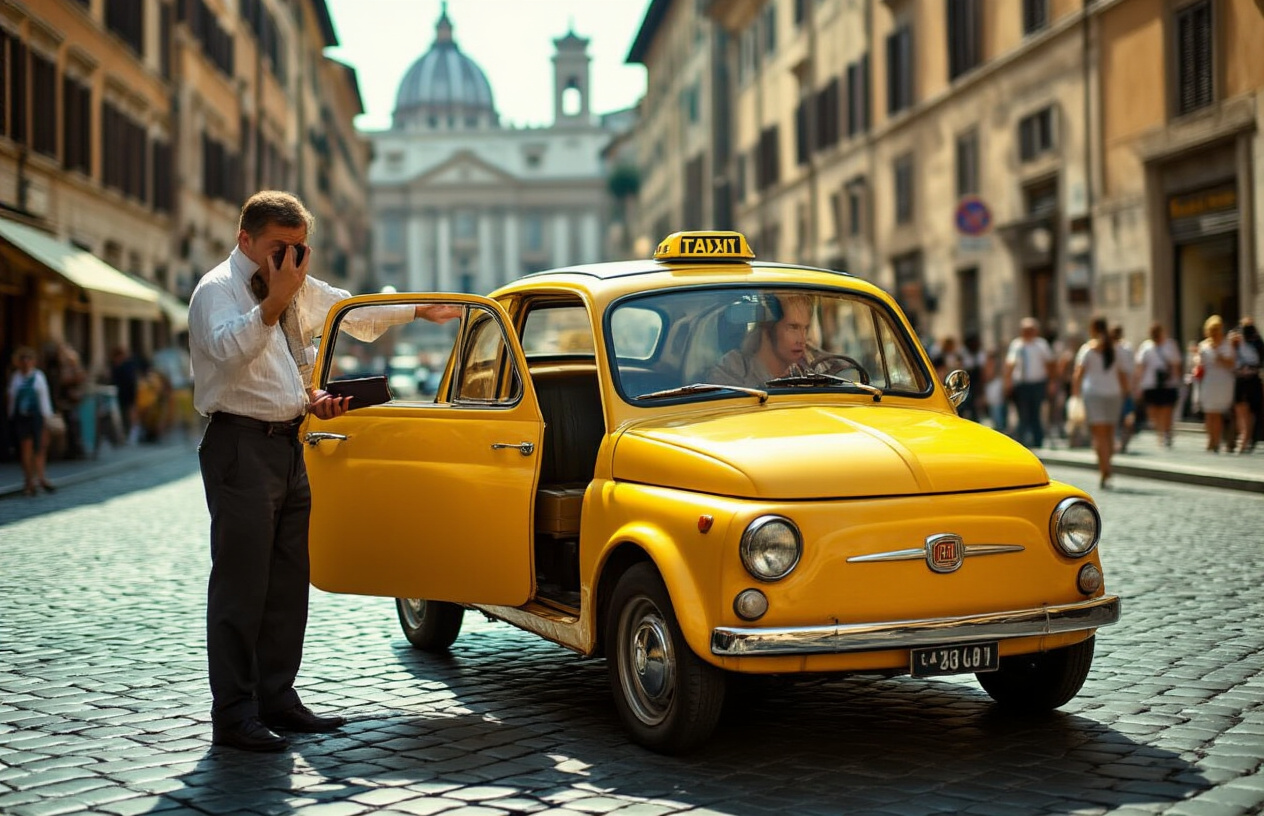
Why Unlicensed Taxis Prey on Confused Arrivals
Airports and train stations are prime hunting grounds for unlicensed taxi drivers in Italy. You've just landed, you're jet-lagged, and someone confidently offers you a ride — it feels like a solution. These drivers know exactly how disoriented first-time travelers are, and they exploit that confusion with inflated flat rates or rigged meters.
How to Identify Official Taxis and Agree on Fares First
Official taxis in Rome are white with a "TAXI" sign on the roof and a meter inside. Always check for the driver's license displayed on the dashboard. Rome has a fixed fare from Fiumicino Airport to the city center — currently €50 — so if someone quotes you more, walk away.
| Feature | Official Taxi | Unlicensed Cab |
|---|---|---|
| Color (Rome) | White | Any color |
| Working meter | Yes | Often missing |
| Fixed airport fare | Yes | No |
Why Using Ride Share Apps Gives You More Protection
Apps like Uber or FreeNow show your fare upfront, track your route, and keep a digital record of your trip. That transparency makes overcharging nearly impossible. For Italy trip safety tips, downloading a ride-share app before you land is one of the smartest moves you can make.
The Fake Police Officer Hustle
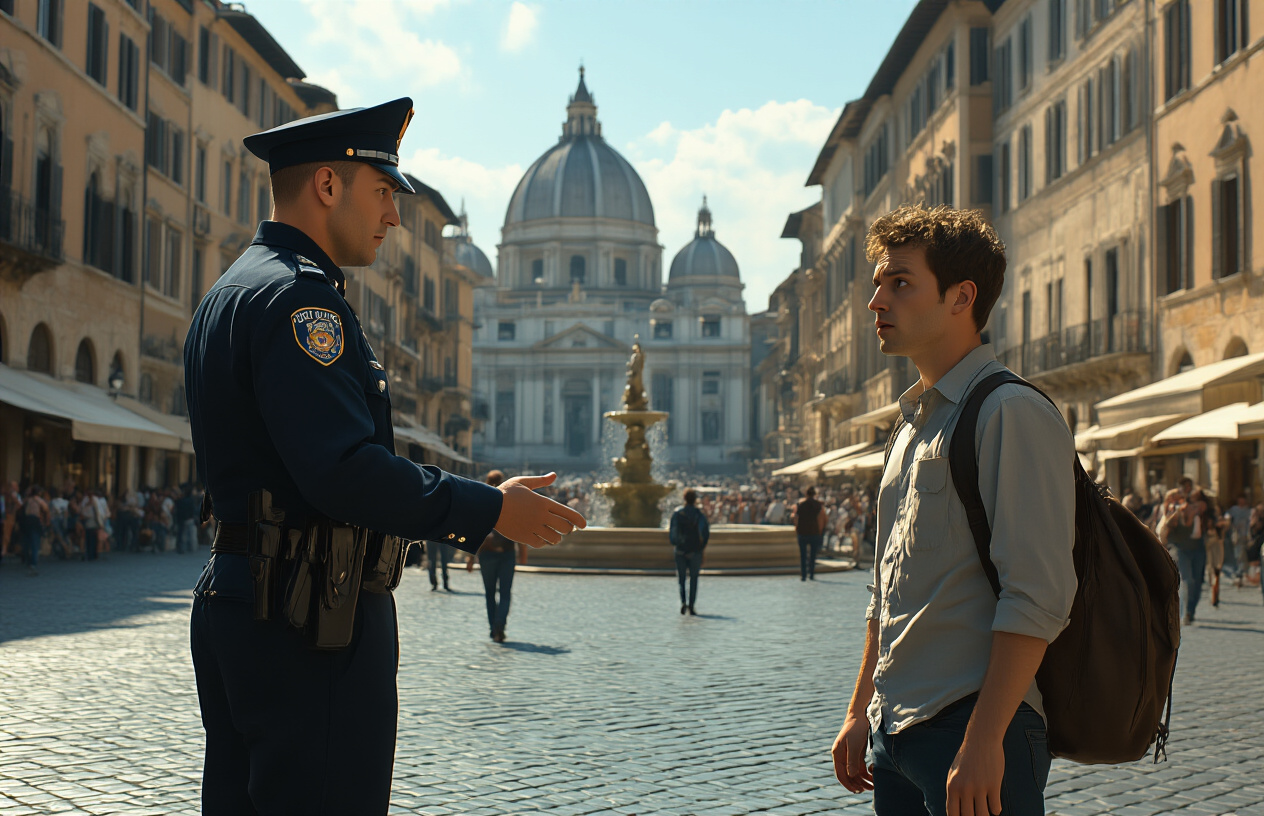
How Scammers Pose as Officers to Demand Wallet Checks
This fake police scam Italy tourists fall for usually starts with someone "finding" drugs near you or accusing you of carrying counterfeit money. Two people — often in plain clothes — flash what looks like a badge and insist on checking your wallet for fake bills. The moment your wallet is out, cash disappears fast, either swapped or lifted entirely. It's slick, confident, and over in seconds.
Why Real Italian Police Never Ask to See Your Cash
Actual Italian police — Polizia di Stato or Carabinieri — have no legal reason to inspect your wallet on the street. They don't perform random cash checks on tourists, period. If someone is pressing you to hand over your money for "verification," that's the scam talking, not the law.
How to Safely Verify an Officer's Identity on the Spot
| Action | What to Do |
|---|---|
| Ask for ID | Request their official badge and identification card |
| Don't hand over your wallet | Offer to walk to the nearest police station instead |
| Call for help | Dial 112 (Italy's emergency number) to confirm |
| Stay calm | Scammers rely on panic — slow down and think |
Real officers won't flinch at any of these requests. Scammers will.
The Counterfeit Goods Temptation
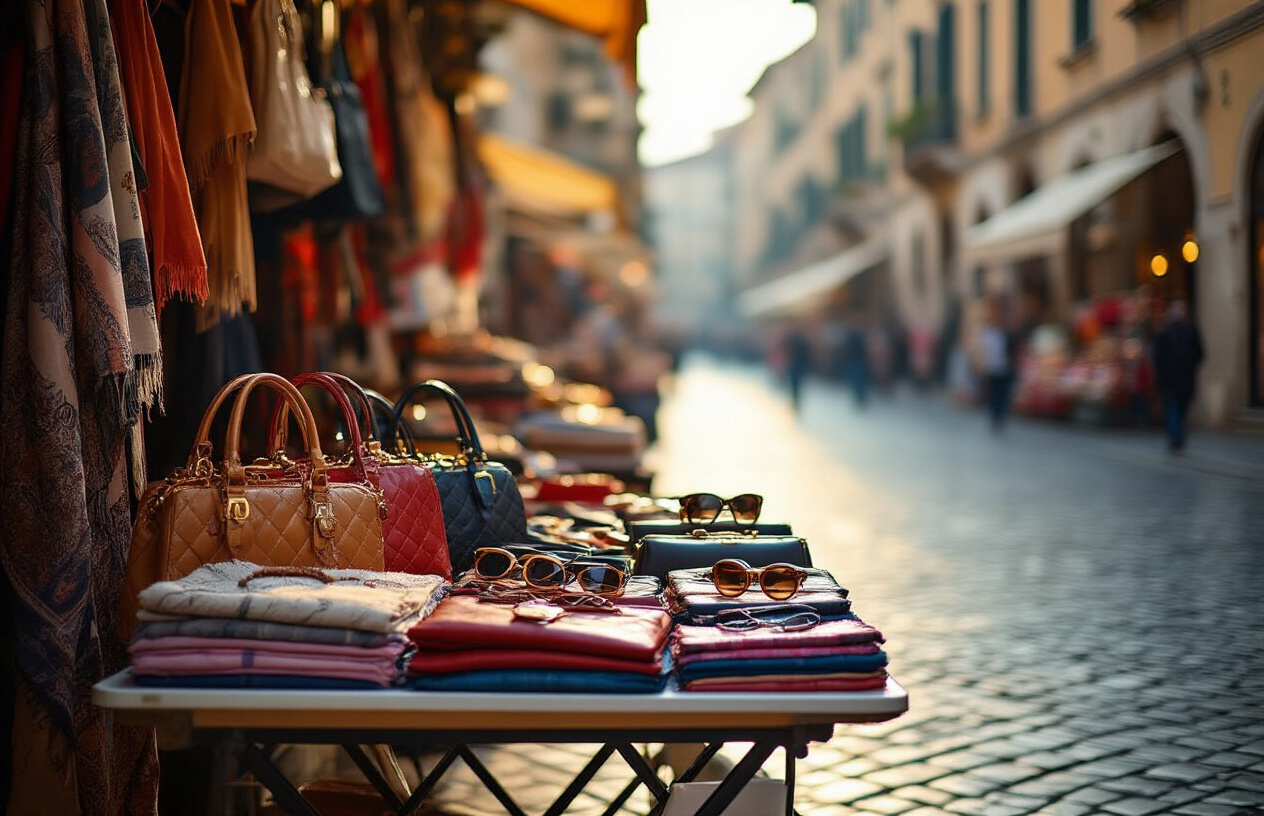
Why Buying Fake Designer Items Puts You at Legal Risk
Street vendors across Rome, Florence, and Venice openly hawk fake Gucci bags, Rolex watches, and Louis Vuitton scarves. What many tourists don't realize is that buying counterfeit goods in Italy is illegal for the purchaser, not just the seller. Fines can reach €10,000, and customs officers back home may confiscate your haul at the border. It's simply not worth it.
How to Spot Suspiciously Low Prices on Luxury Goods
If a "designer" bag costs €30, it's fake — full stop. Use this quick reference:
| Red Flag | What It Means |
|---|---|
| Vendor approaches you first | High-pressure sale, likely counterfeit |
| No receipt offered | Untraceable, illegal transaction |
| Price drops dramatically | Desperation to sell knockoffs |
| Sold from a blanket or cart | No legitimate retail setup |
Where to Shop Safely for Authentic Italian Souvenirs
Skip the fakes and grab something genuinely Italian instead. These spots are safe bets:
-
Leather markets in Florence (look for the artigianato quality mark)
-
Official museum gift shops for art prints and ceramics
-
Local alimentari stores for olive oil, wine, and pasta
-
Established pharmacies for authentic Italian skincare brands
The Gelato and Water Markup Scam
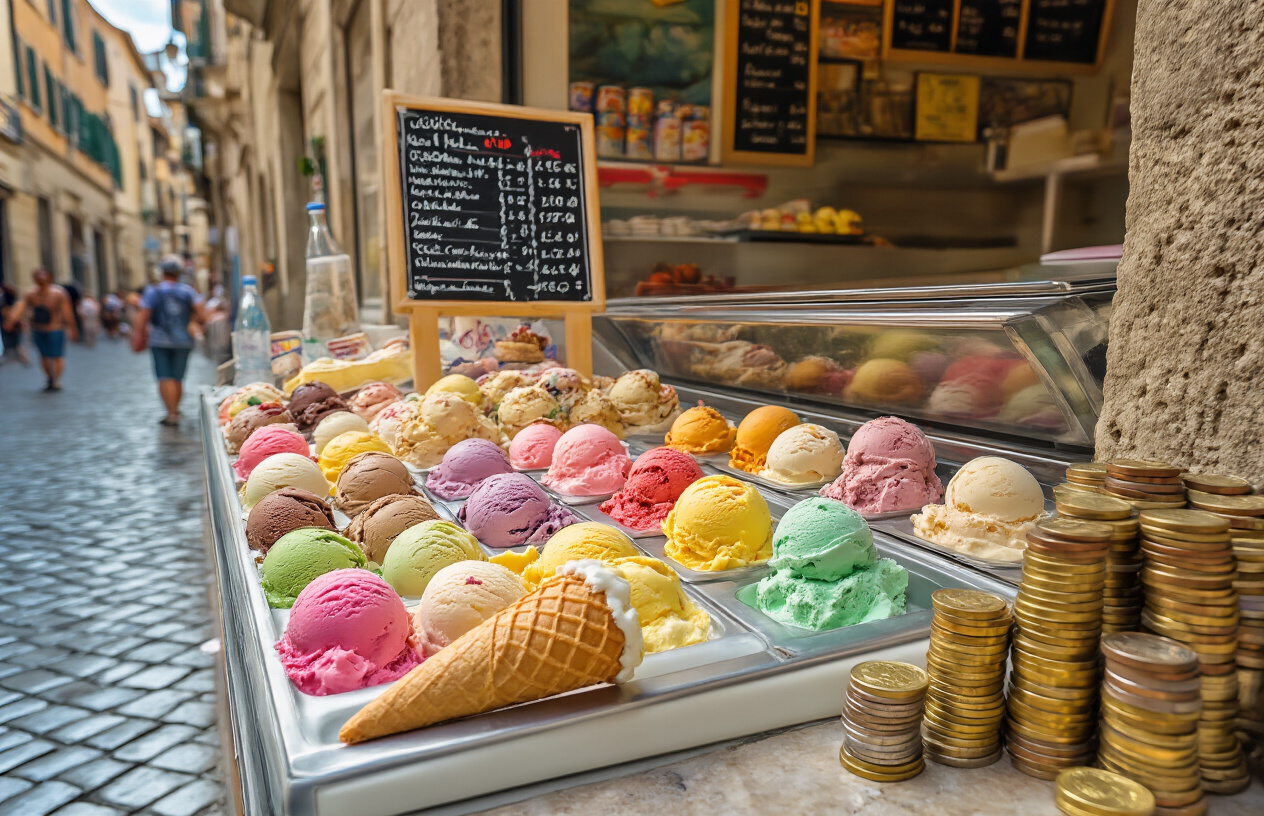
How Tourist Spots Inflate Prices on Basic Food Items
Standing near the Trevi Fountain or the Colosseum comes with a hidden tax. A bottle of water that costs €0.50 at a local supermarket can jump to €4–5 at a tourist-facing kiosk. Gelato near major landmarks often runs €5–8 per scoop, nearly triple what locals pay.
Why Walking One Block Away Can Slash Your Costs
One block off the main tourist drag and prices drop dramatically. Seriously — just one block. A short walk away from crowded piazzas typically cuts food and drink costs by 40–60%.
| Item | Tourist Zone Price | One Block Away |
|---|---|---|
| Water (500ml) | €4–5 | €0.50–1 |
| Gelato (1 scoop) | €5–8 | €2–3 |
| Espresso | €3–5 | €1–1.50 |
How to Find Authentic Gelaterias Locals Actually Trust
Look for gelato stored in covered metal containers (called pozzetti), not piled high in colorful mounds. Bright, fluorescent gelato screams artificial. Authentic shops usually have shorter flavor menus and handwritten signs.
Smart Budgeting Tips to Avoid Overpaying on Every Corner
Carry a reusable water bottle and refill at Rome's free nasoni fountains
Download Google Maps offline to spot nearby local cafes
Always check prices posted outside before sitting down

Italy is one of the most breathtaking places you'll ever visit, and a little awareness goes a long way in keeping your trip stress-free. From fake petitions and friendship bracelets to dodgy taxi rides and overpriced gelato, these scams are easy to fall for — especially when you're caught up in the excitement of exploring a new place. The good news? Now that you know what to watch out for, you're already one step ahead.
Stay alert, trust your gut, and don't be afraid to say no or walk away if something feels off. Keep your belongings close, always agree on prices before sitting down or getting in a cab, and stick to official-looking spots when you need help. A little street smarts mixed with a whole lot of curiosity is the perfect recipe for an Italy trip you'll never forget — for all the right reasons.
Post a Comment