
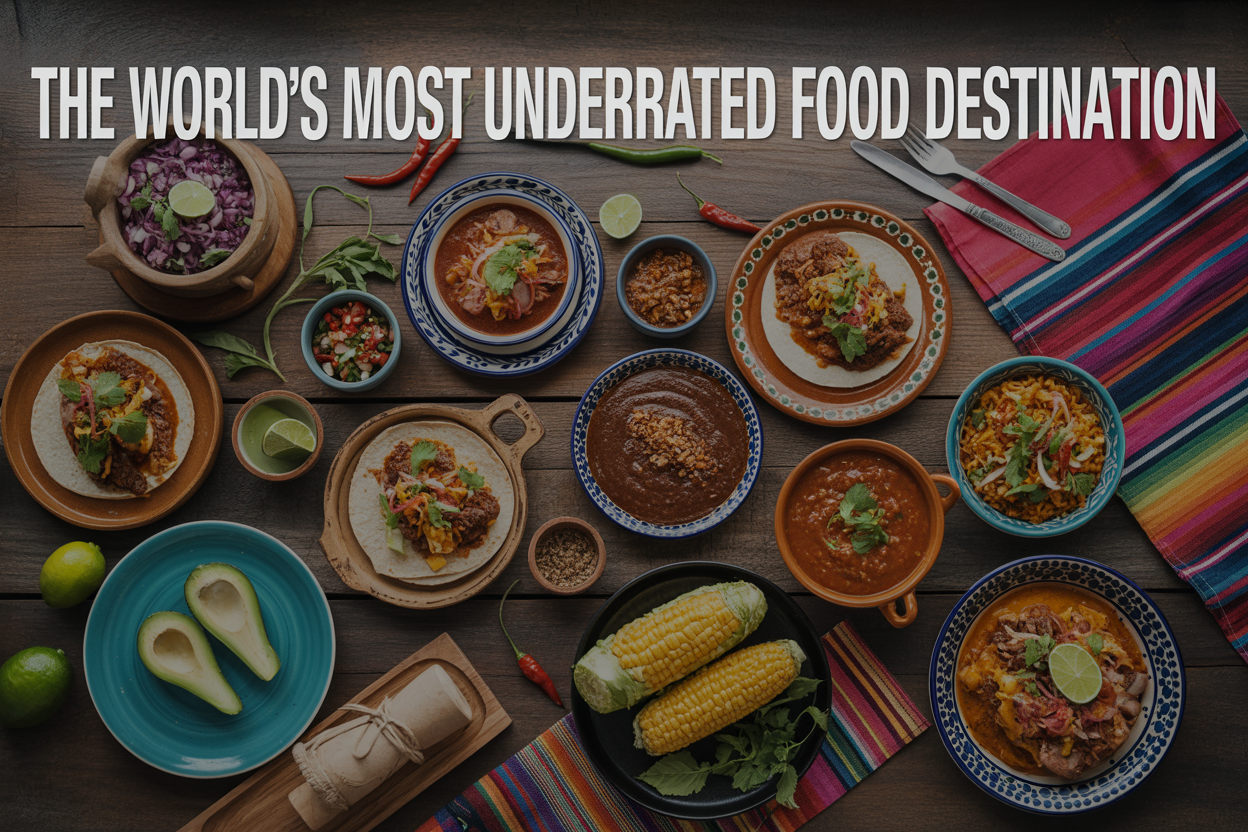
Why Mexico Is the World's Most Underrated Food Destination
If you love food, Mexico should already be at the top of your travel list. And if it's not, this guide will change that.
Most people associate Mexican cuisine travel with tacos and guacamole. That's like saying Italy is just pasta. The real food scene in Mexico goes so much deeper — and most travelers never get to experience it.
This guide is for food lovers, budget travelers, and anyone who wants more than a tourist menu. If you're serious about tracking down authentic Mexican food, eating well without spending much, and actually understanding what makes Mexico one of the best food destinations in the world, keep reading.
Here's what we're getting into:
-
How wildly diverse regional Mexican cuisine really is — from the smoky moles of Oaxaca to the fresh seafood of Baja California
-
The street food culture that puts most countries to shame, and why Mexican street food is a full meal experience, not just a snack
-
Why food tourism in Mexico is one of the most affordable ways to eat incredibly well, without compromising on flavor or quality
Traditional Mexican dishes have been shaped by thousands of years of history, and that story is still unfolding. By the end of this, you'll see exactly why Mexico deserves the top spot on every serious food traveler's list.
The Unmatched Diversity of Mexican Cuisine
How Each Region Offers a Completely Unique Culinary Identity
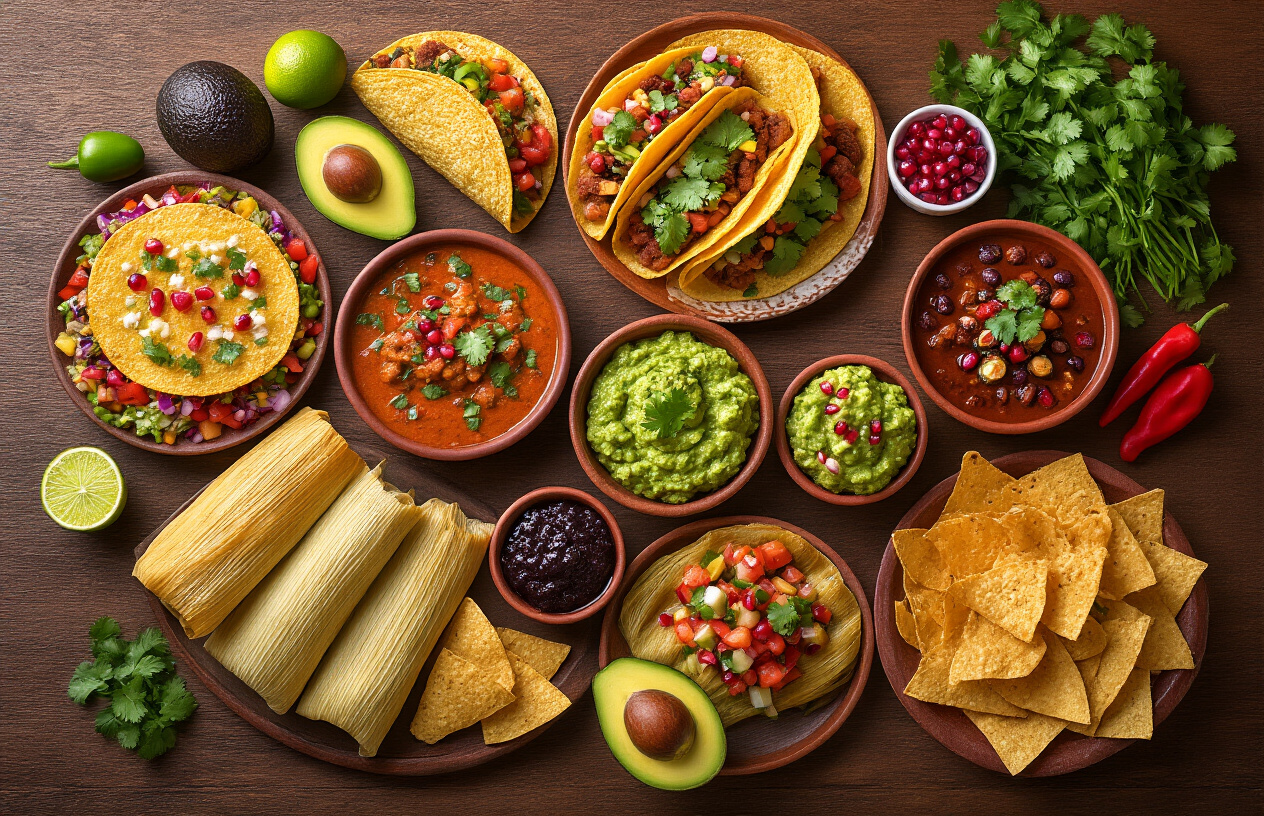
Regional Mexican cuisine is staggeringly diverse. Oaxaca delivers smoky mole negro and tlayudas. The Yucatán serves slow-cooked cochinita pibil steeped in achiote and bitter orange. Veracruz leans into Spanish and Afro-Caribbean influences with seafood dishes unlike anything found inland. Baja California has developed a thriving food scene blending Pacific coastline freshness with bold Mexican flavors. Traveling through Mexico for food is genuinely like visiting multiple countries at once.
Why Street Food Culture Rivals Any Fine Dining Experience
Mexican street food isn't a compromise — it's the real experience. A taco al pastor carved from a spinning trompo, a warm tlayuda assembled in seconds, elotes slathered in crema and chili powder — these moments hit harder than most restaurant meals anywhere in the world. Street vendors carry generational recipes and local pride in every bite, making Mexican street food one of the most authentic culinary experiences on earth.
The Ancient Ingredients That Still Define Modern Mexican Cooking
Corn, chiles, cacao, and squash have anchored Mexican cooking for thousands of years. These aren't just ingredients — they're cultural cornerstones. Nixtamalized corn still forms tortillas daily across the country. Hundreds of chile varieties shape flavor regionally. Authentic Mexican food carries that living history in every dish.
Mexico's Rich Food History That Most Travelers Overlook
How Indigenous Civilizations Shaped the Foundation of Mexican Flavors
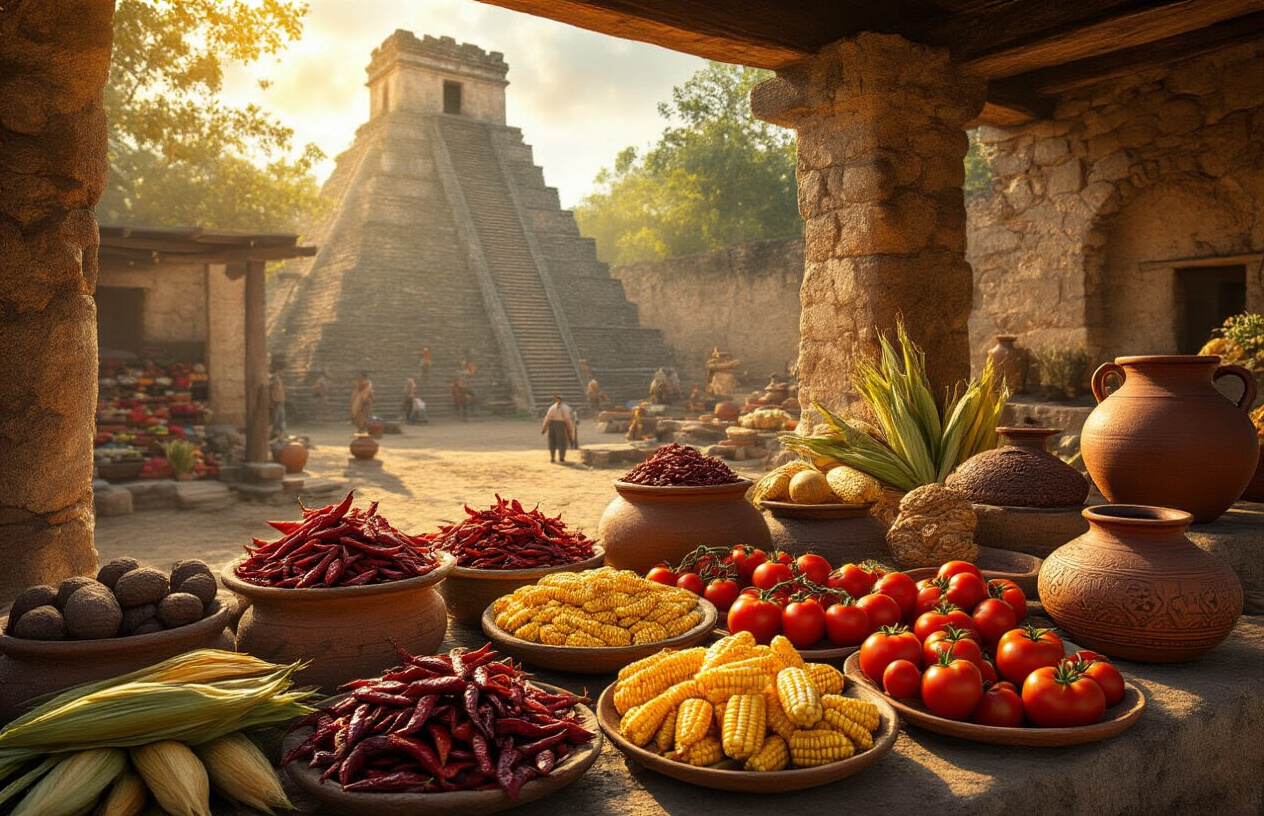
Long before Spanish ships arrived, the Aztecs, Maya, and Zapotecs had already built something remarkable — a food culture rooted in corn, beans, chiles, cacao, and squash. These "Three Sisters" crops weren't just survival food; they shaped entire cosmologies, ceremonies, and daily rhythms.
The Surprising Ways Spanish Colonization Created New Culinary Traditions
When Spanish colonizers arrived in the 16th century, they brought pork, dairy, wheat, and new spices. Instead of replacing Indigenous ingredients, these elements merged with them. Mole, arguably Mexico's most complex sauce, was born from this collision — blending native chiles with Old World almonds and chocolate.
Why Mexican Cuisine Earned Its UNESCO Intangible Cultural Heritage Status
In 2010, traditional Mexican cuisine became only the second culinary tradition globally to receive UNESCO recognition. The honor wasn't just about flavor — it acknowledged the farming knowledge, ancestral techniques, and community rituals that keep authentic Mexican food alive across generations.
The Forgotten Food Rituals That Connect Communities to Their Roots
In Oaxacan villages, women still grind corn on stone metates passed down for centuries. Day of the Dead offerings include specific regional dishes prepared as spiritual communication. These aren't tourist performances — they're living traditions that make food tourism in Mexico genuinely unlike anywhere else on earth.
Iconic Mexican Dishes You Cannot Find Authentically Anywhere Else
Why Mole Is One of the Most Complex Sauces in the World
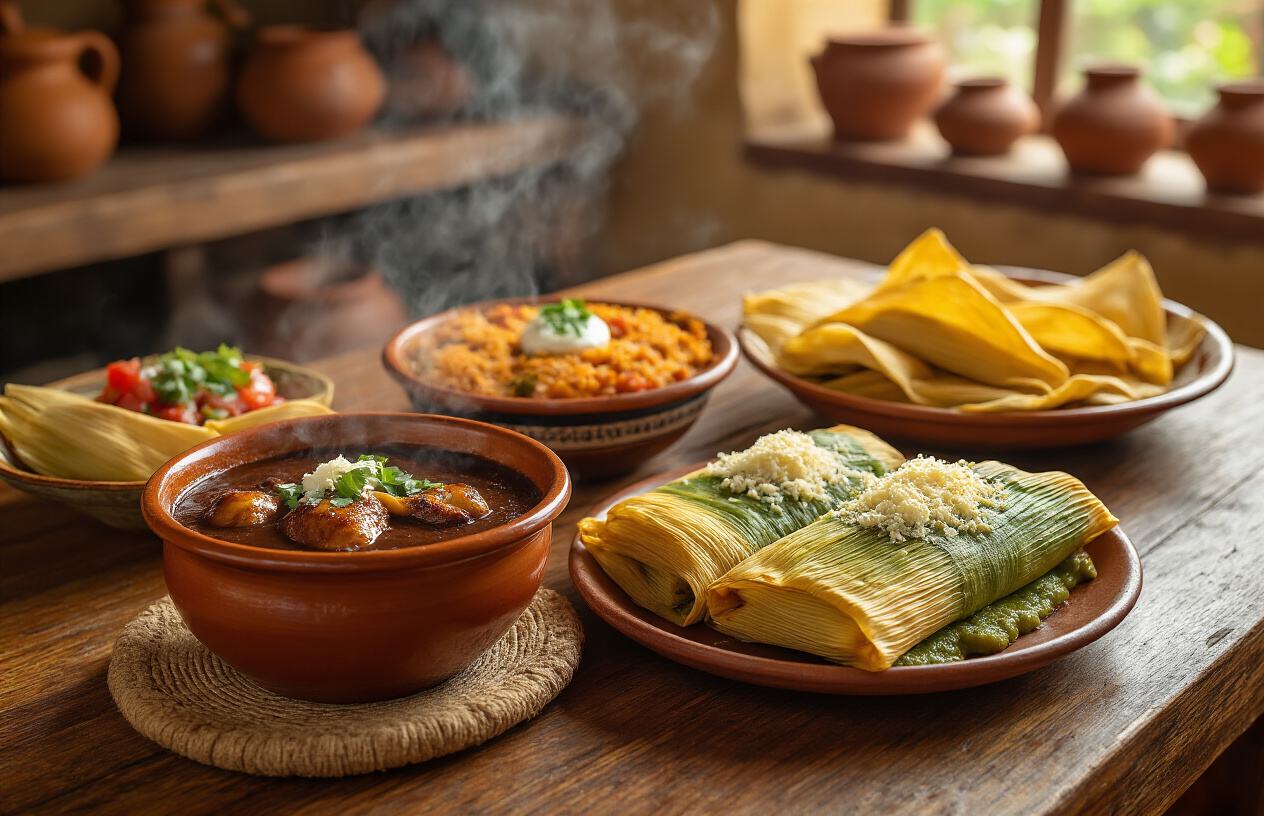
Mole isn't just a sauce — it's a labor of love that can take days to prepare. Oaxacan negro mole alone contains over 30 ingredients, including dried chilies, chocolate, nuts, seeds, and charred vegetables layered into something truly extraordinary. No restaurant outside Mexico consistently gets this right, making authentic mole a genuine reason to book a flight.
The Regional Taco Varieties That Go Far Beyond Tourist Menus
Most people outside Mexico know ground beef tacos. Real regional Mexican cuisine tells a completely different story:
| Region | Signature Taco |
|---|---|
| Mexico City | Tacos de canasta (basket tacos) |
| Yucatán | Cochinita pibil |
| Oaxaca | Tasajo beef tacos |
| Baja California | Beer-battered fish tacos |
| Monterrey | Cabrito tacos |
Mexican street food at this level simply cannot be replicated elsewhere with the same freshness and soul.
Hidden Delicacies That Adventurous Eaters Must Try
Beyond tacos, traditional Mexican dishes like chapulines (toasted grasshoppers seasoned with lime and chili), huitlacoche (corn fungus with deep earthy flavor), and escamoles (ant larvae sautéed in butter) reward curious eaters with flavors unlike anything else on earth.
The Affordability That Makes Mexico a Dream Destination for Food Lovers
How World-Class Meals Cost a Fraction of What You Pay Elsewhere
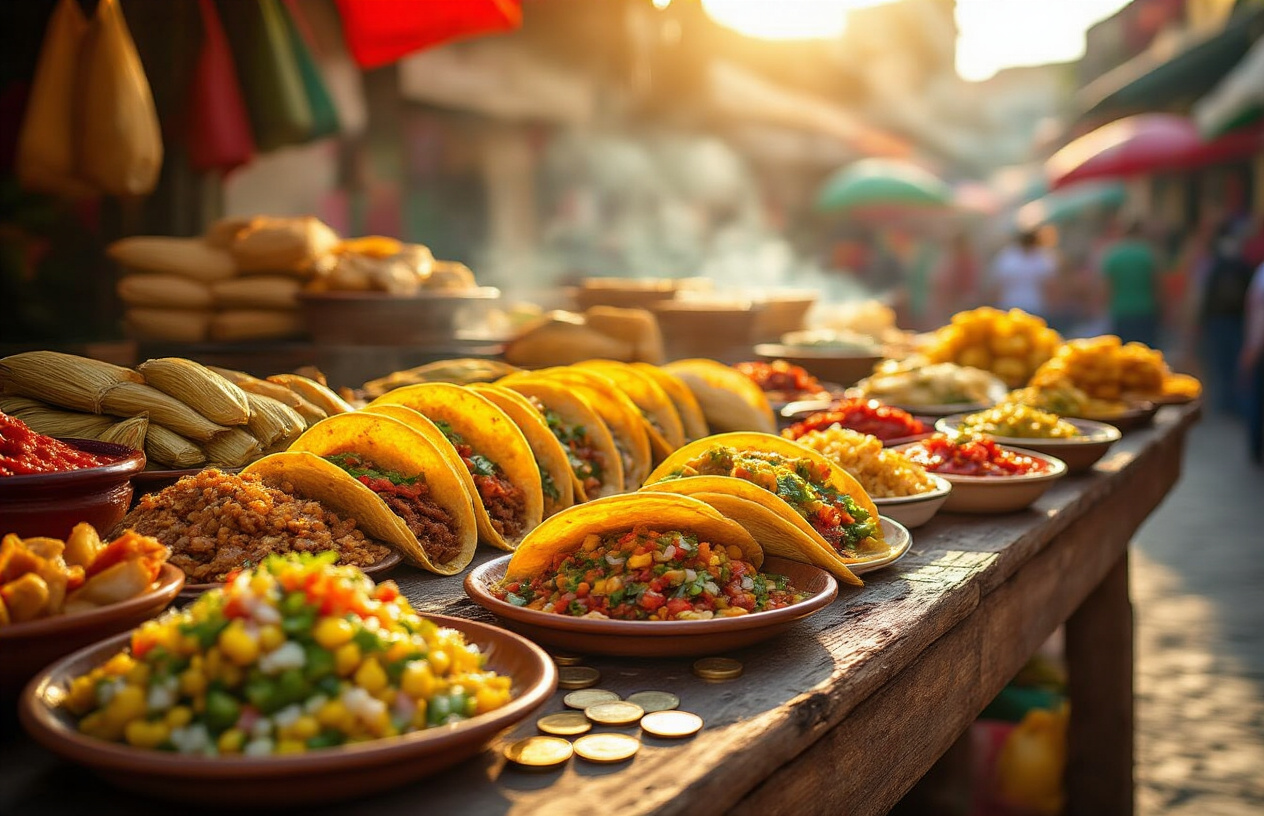
Eating exceptionally well in Mexico doesn't require a big budget. A slow-braised lamb barbacoa taco in Mexico City might cost you $0.50. A full comida corrida—soup, rice, main dish, and agua fresca—rarely exceeds $5. Compare that to equivalent experiences in Tokyo, Paris, or New York, and Mexico looks like an absolute steal for food tourism.
Why Markets and Food Stalls Deliver the Most Authentic Experiences
Mercados are where authentic Mexican food truly lives. Markets like Oaxaca's Mercado Benito Juárez or Mexico City's Mercado de Jamaica put you shoulder-to-shoulder with locals eating mole negro, tlayudas, and fresh-pressed juices. No tourist markup, no performance—just real cooking passed down through generations.
The Best Budget-Friendly Food Cities That Maximize Every Bite
| City | Must-Try Dish | Avg. Street Meal Cost |
|---|---|---|
| Oaxaca | Tlayuda | $2–$4 |
| Mexico City | Tacos al pastor | $0.50–$1 |
| Mérida | Cochinita pibil | $2–$3 |
| Puebla | Cemita sandwich | $2–$3 |
How Food Tours Offer Incredible Value Compared to Other Destinations
Mexican street food tours typically run $30–$60, covering 8–12 tastings across neighborhoods. Similar tours in Barcelona or Bangkok often cost double for fewer stops. You're getting a history lesson, a cultural deep-dive, and a full stomach—all at once.
Why Mexico's Food Scene Continues to Evolve and Excite
How Mexican Chefs Are Redefining Fine Dining on the World Stage
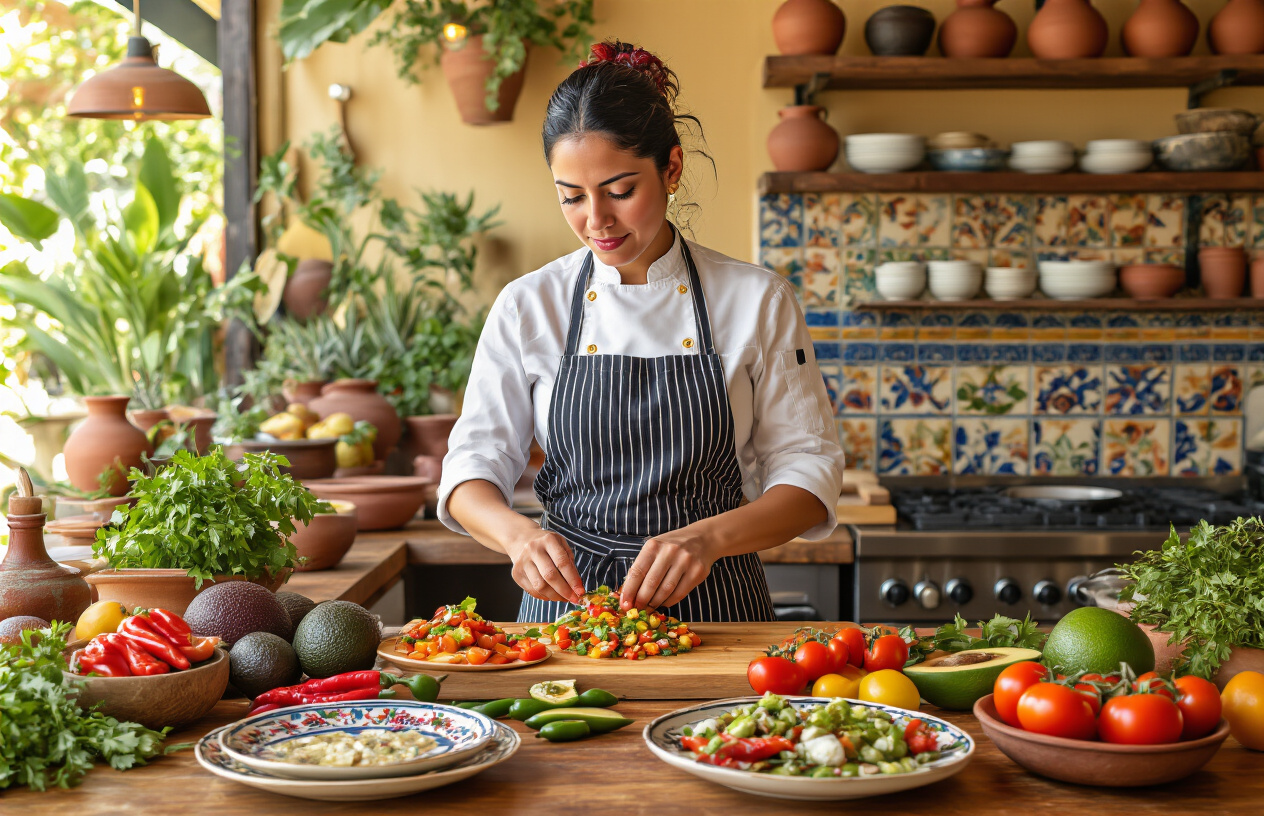
Restaurants like Pujol and Quintonil in Mexico City regularly appear on the World's 50 Best Restaurants list — and for good reason. Mexican chefs are taking ancestral techniques and ingredients like huitlacoche, epazote, and aged chili pastes and weaving them into tasting menus that rival anything coming out of Paris or Copenhagen. This is food tourism in Mexico at its most thrilling.
The Farm-to-Table Movement Strengthening Local Food Communities
Across Oaxaca, the Yucatán, and beyond, a quiet but powerful shift is happening. Chefs are partnering directly with indigenous farmers, keeping heirloom corn varieties alive and bringing forgotten ingredients back to the table. This movement isn't trendy posturing — it's a genuine effort to protect regional Mexican cuisine while building sustainable local economies.
Why Food Festivals Across Mexico Deserve a Spot on Every Traveler's Itinerary
| Festival | Location | Highlight |
|---|---|---|
| Milpa Alta Corn Festival | Mexico City | Celebrates native corn culture |
| Oaxaca Gastronomic Festival | Oaxaca | Showcases mole and mezcal pairings |
| Vallarta Nayarit Gastronómica | Puerto Vallarta | World-class chef collaborations |
These festivals give travelers direct access to authentic Mexican food traditions in the most delicious way possible.
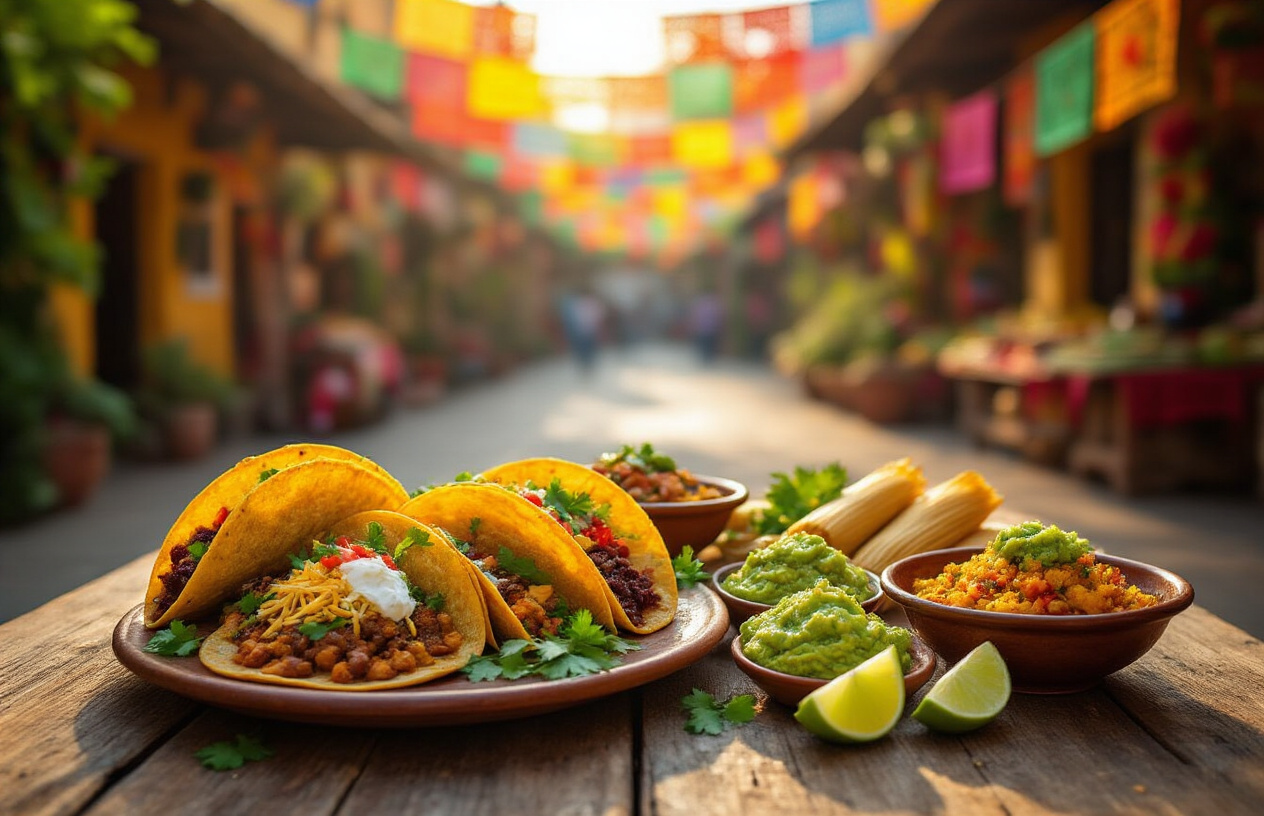
Mexico's food scene is the real deal — a jaw-dropping mix of history, flavor, and creativity that most travelers completely sleep on. From ancient culinary traditions that go back thousands of years to regional dishes you simply cannot replicate anywhere else in the world, Mexico offers a food experience that goes way beyond tacos and guacamole. Add in the incredibly affordable prices and a dining culture that feels warm and welcoming, and it becomes hard to argue against Mexico being one of the greatest places on earth to eat.
If you haven't already started planning a trip around Mexico's food, now is the time. Skip the tourist traps, explore the local markets, try the dishes that don't have English translations on the menu, and just eat your way through this country with an open mind. You will not regret a single bite.
Post a Comment