
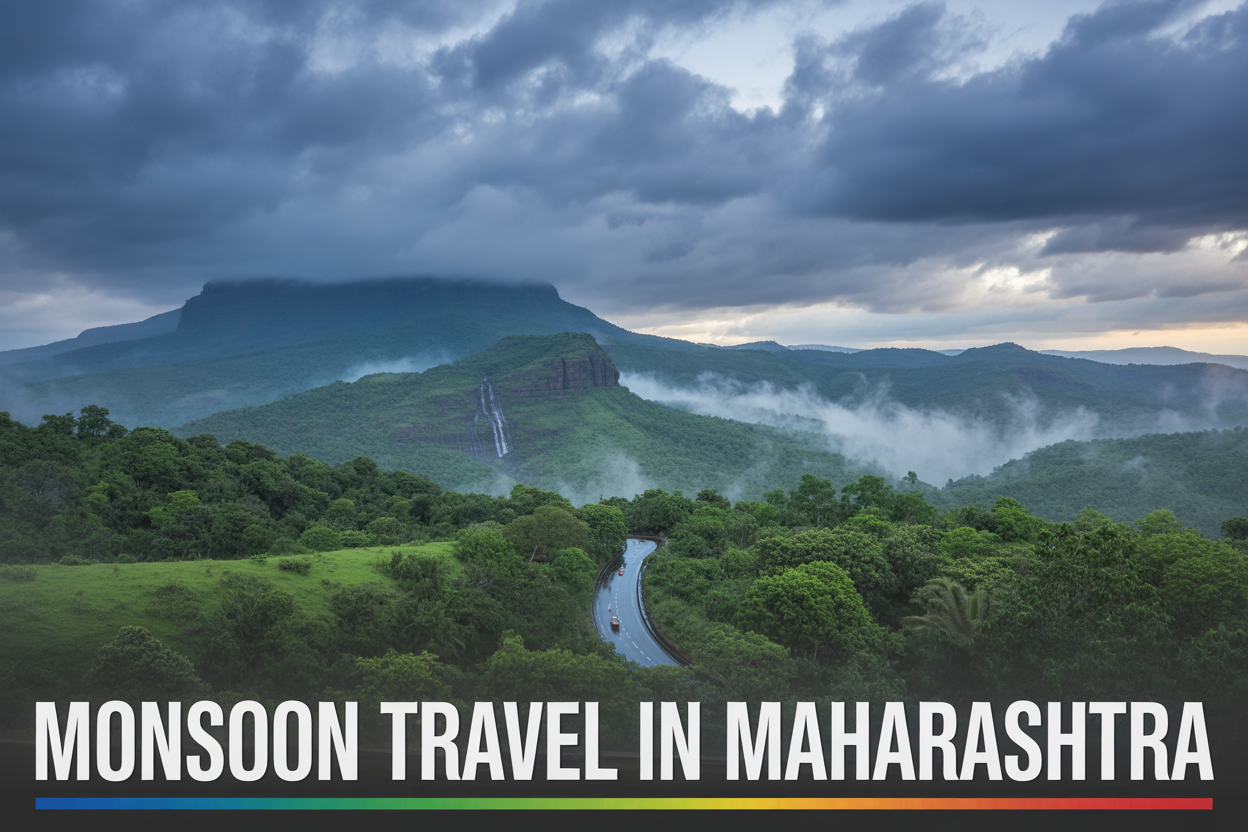
Monsoon Travel in Maharashtra: Worth It or Risk?
If you've been scrolling through photos of Maharashtra's lush green valleys and thundering waterfalls and wondering whether you should actually book that trip — you're not alone. Every year, thousands of travelers ask the same question: is monsoon travel in Maharashtra a dream experience or a disaster waiting to happen?
The honest answer? It depends entirely on how you plan it.
This guide is for solo travelers, couples, and weekend warriors who want to explore Maharashtra's rainy season tourism without getting stuck on a flooded highway or missing out on the good stuff. Whether you're eyeing a monsoon road trip through the Sahyadris or hunting for the best Maharashtra waterfalls in monsoon season, you need real information — not just pretty Instagram content.
Here's what we'll cover:
-
What Maharashtra actually looks like during the rains — because the reality is both more beautiful and more unpredictable than most travel blogs admit
-
The top Maharashtra monsoon destinations that genuinely come alive between June and September, plus the spots worth skipping
-
The real risks and how to navigate them — from road conditions to safe monsoon travel tips that will actually make a difference on the ground
No fluff, no vague advice. Just a straight-up Maharashtra travel guide for the rainy season so you can decide with full confidence.
What Monsoon Season Really Looks Like in Maharashtra
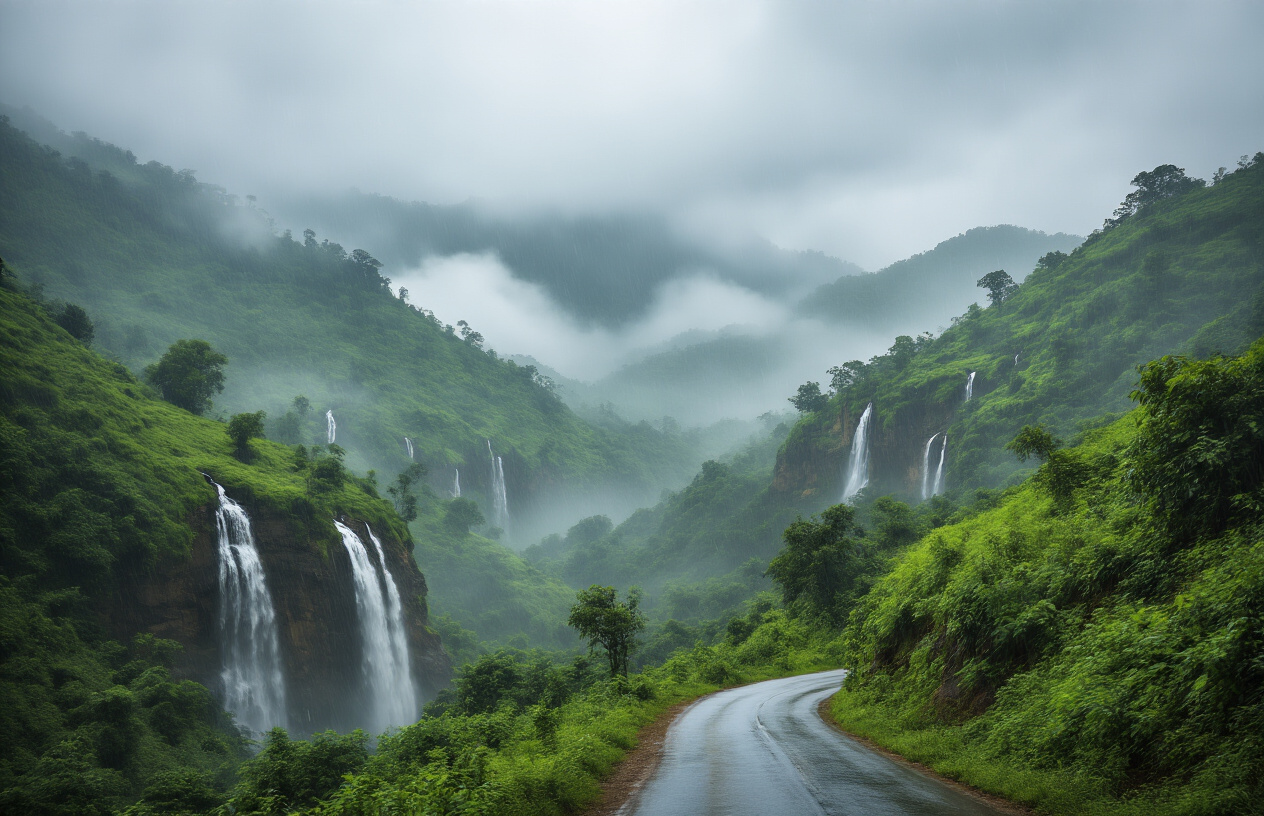
When the Rains Arrive and How Long They Last
Maharashtra's monsoon typically rolls in around June 10–15, starting along the Konkan coast before pushing inland. The season runs through September, with October occasionally bringing lingering showers in coastal areas. That's roughly four months of rain-soaked landscapes, swollen rivers, and dramatic skies.
Regional Variation Across the Western Ghats, Coast, and Interior
Maharashtra isn't one weather zone — it's three distinct experiences during monsoon travel:
| Region | Rainfall Level | Character |
|---|---|---|
| Western Ghats | Extremely heavy (3000–5000mm) | Waterfalls, thick forest, mist |
| Konkan Coast | Heavy (2500–3500mm) | Warm, humid, sea-facing drama |
| Vidarbha & Marathwada | Moderate (700–1000mm) | Manageable, less crowded |
The Ghats take the biggest hit and offer the most spectacular scenery. The interior stays comparatively drier.
How Weather Conditions Shift Month to Month
-
June: Monsoon establishes itself; heavy, unpredictable bursts; travel disruptions common
-
July: Peak rainfall; waterfalls at full force; some routes flood or close
-
August: Still intense but slightly more predictable; good window for Maharashtra monsoon destinations
-
September: Rain eases; landscapes stay lush; arguably the best month for monsoon road trips in Maharashtra
Top Destinations That Come Alive During Monsoon
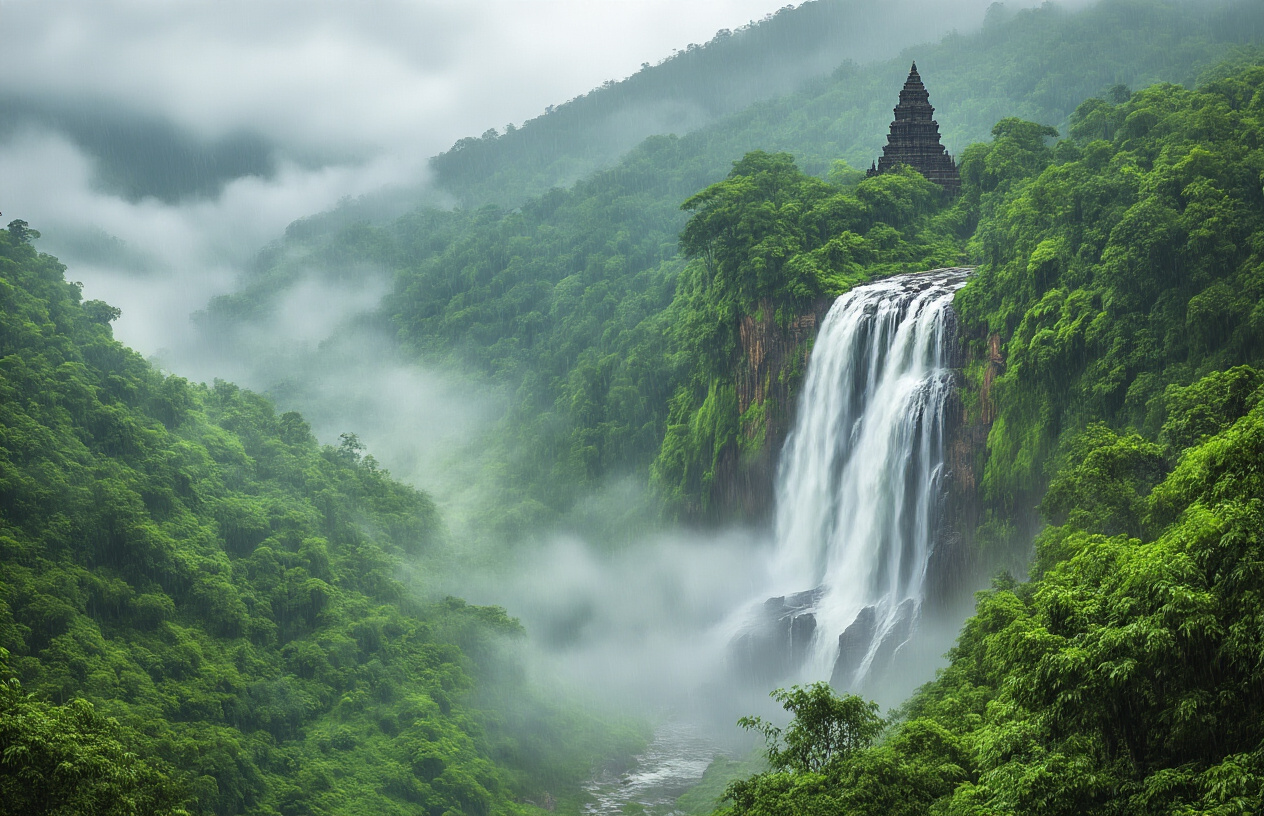
Waterfalls Worth Chasing After the First Rains
Maharashtra's waterfalls are genuinely breathtaking during monsoon. Dudhsagar near the Goa border turns into a roaring white giant, while Lingmala Falls in Mahabaleshwar draws crowds for good reason. Closer to Mumbai, Pandavkhadak and Bhivpuri waterfalls are weekend favorites.
Hill Stations That Transform Into Green Paradise
The best places to visit in Maharashtra during monsoon are its hill stations. Mahabaleshwar gets lush beyond imagination, Lonavala wakes up with misty valleys and cascading Bhushi Dam, and Matheran — a car-free hill station — feels like walking through a living painting.
Forts and Heritage Sites With Dramatic Monsoon Backdrops
Monsoon trekking in Maharashtra hits differently when you're climbing fog-wrapped forts. Rajmachi, Lohagad, and Harishchandragad look almost otherworldly with low clouds rolling through. Pratapgad near Mahabaleshwar pairs stunning history with dramatic skies.
Wildlife Sanctuaries Offering Unique Monsoon Experiences
| Sanctuary | What Makes It Special in Monsoon |
|---|---|
| Bhimashankar | Lush forest trails, Shekru sightings |
| Radhanagari | Dense greenery, bison activity |
| Navegaon | Quiet, fewer tourists, rich birdlife |
Vegetation peaks during Maharashtra rainy season tourism, making wildlife spotting surprisingly rewarding.
Real Risks Every Traveler Must Know Before Going
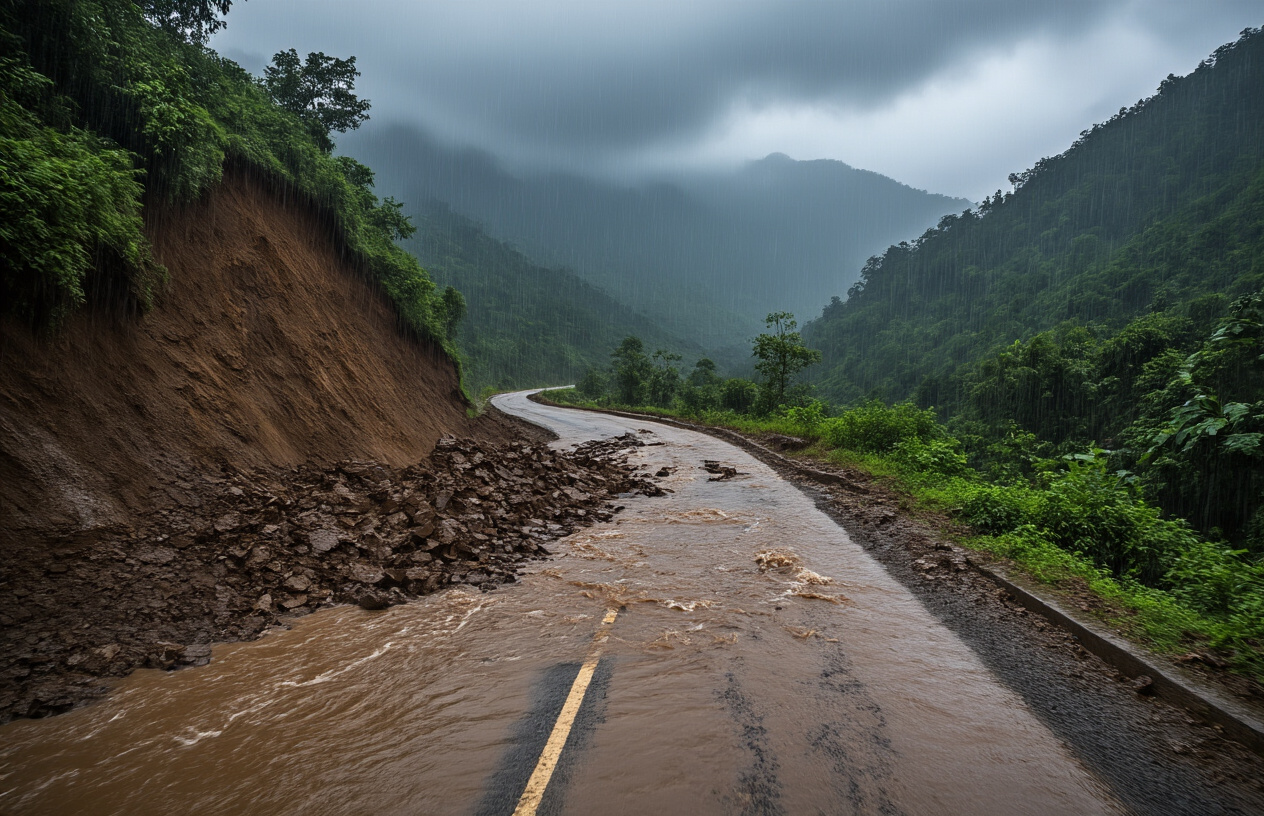
Landslides and Road Closures in Hilly Terrain
Maharashtra's Western Ghats — covering Sahyadri ranges near Mahabaleshwar, Lonavala, and Igatpuri — become genuinely dangerous during heavy rainfall. Saturated hillsides trigger sudden landslides that can block highways for hours or days. NH-48 and the Mumbai-Pune Expressway see frequent closures between June and September.
Flash Floods in Low-Lying and Coastal Areas
Coastal districts like Ratnagiri and Raigad experience rapid water level rises with little warning. River crossings near popular monsoon trekking Maharashtra routes can turn deadly within minutes of upstream rainfall, even if local skies appear clear.
Health Risks Including Waterborne Illness and Mosquito-Borne Diseases
Stagnant water creates breeding grounds for mosquitoes, making dengue and malaria genuine concerns during Maharashtra rainy season tourism. Contaminated water sources spike cases of typhoid, leptospirosis, and gastroenteritis. Carry water purification tablets and avoid street food near flooding.
Disrupted Transport and Limited Emergency Access
| Risk Factor | Impact |
|---|---|
| Flooded roads | Delayed or cancelled bus/train services |
| Landslide debris | Blocked emergency vehicle access |
| Poor mobile connectivity | Difficult SOS communication in remote areas |
Remote trekking zones near Kalsubai or Harishchandragad can leave travelers stranded with no reliable emergency response for extended periods.
How to Plan a Safe and Smart Monsoon Trip
Best Time Windows Within the Monsoon Season to Travel
Maharashtra's monsoon runs June through September, but not all weeks are equal. Early June brings unpredictable heavy bursts — great for waterfalls, rough for roads. Late July through August hits the sweet spot: waterfalls are roaring, greenery is peak, and rainfall follows patterns rather than surprises. Avoid the first two weeks of June and any travel during red/orange weather alerts issued by IMD.
| Month | Travel Suitability | Highlights |
|---|---|---|
| June | Moderate | Season begins, roads slippery |
| July | Good | Waterfalls peak, lush landscapes |
| August | Best | Stable rains, scenic trekking |
| September | Very Good | Crowds thin, roads improve |
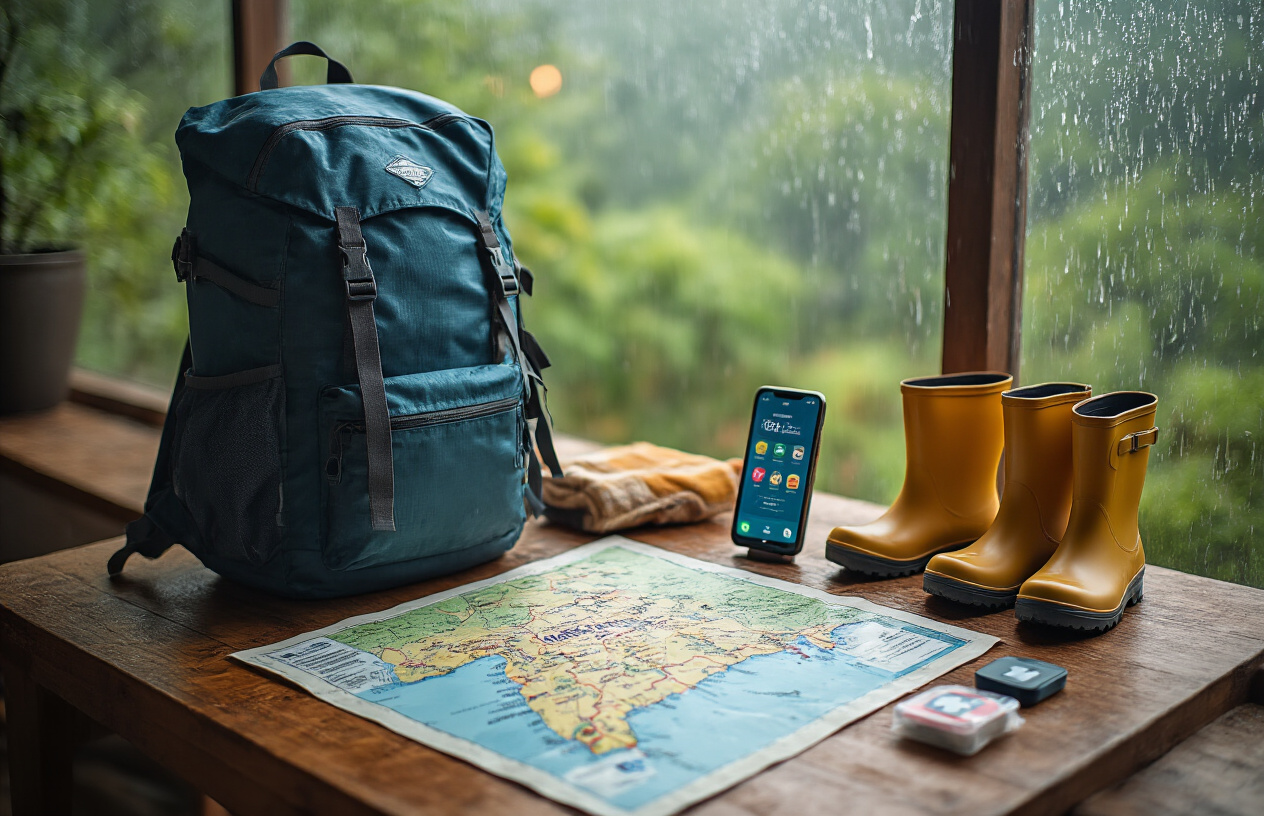
Essential Packing List for Wet Weather Conditions
Pack light but smart for monsoon travel in Maharashtra:
-
Waterproof backpack cover and dry bags
-
Quick-dry clothing (avoid denim completely)
-
Sturdy rubber-soled trekking sandals or waterproof shoes
-
Compact umbrella plus a rain poncho
-
Insect repellent and antifungal powder
-
Portable power bank in a ziplock bag
Choosing the Right Accommodation and Booking in Advance
Popular monsoon spots like Mahabaleshwar, Lonavala, and Bhandardara fill up fast on weekends. Book at least 2–3 weeks ahead during July–August. Choose stays with covered parking and check cancellation policies — weather can shift plans overnight.
Activities and Experiences That Make Monsoon Travel Rewarding
Trekking Trails That Peak in Beauty During the Rains
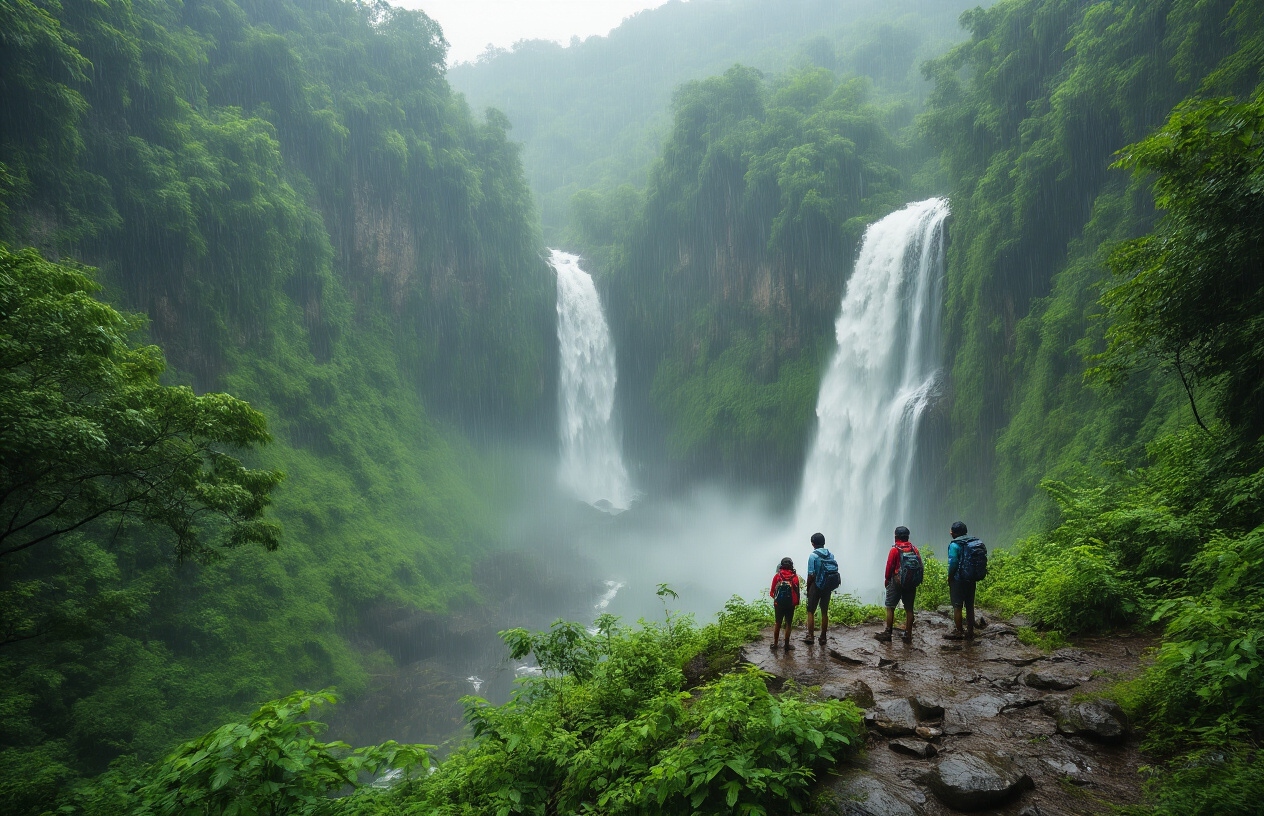
Monsoon trekking in Maharashtra hits differently. Trails like Harishchandragad, Rajmachi, and Kalsubai transform into green corridors with cascading waterfalls at every turn. The Western Ghats glow emerald, and misty ridgelines make every viewpoint feel cinematic. Stick to well-marked routes and avoid solo treks on slippery paths.
Scenic Train Journeys Through Lush Monsoon Landscapes
The Konkan Railway between Mumbai and Goa ranks among India's most breathtaking rail routes during the rainy season. Tunnels, bridges over swollen rivers, and rolling green hills flash past your window every few minutes. The Matheran toy train is another crowd favorite — slow, charming, and surrounded by forest.
Local Festivals and Cultural Events Unique to the Season
Nag Panchami, Hartalika Teej, and Pola (the bullock festival) all fall during the monsoon window. Villages come alive with color, rituals, and local food you simply won't find on any menu.
Farm Stays and Rural Experiences That Thrive in Monsoon
Maharashtra's rural heartland — Konkan especially — offers farm stays where you can plant rice, pick mangoes, and eat fresh seafood cooked on wood fires. These experiences are quieter, cheaper, and genuinely memorable compared to crowded hill stations.
Honest Verdict on Who Should and Should Not Visit
Ideal Traveler Profiles Who Will Enjoy Monsoon Maharashtra
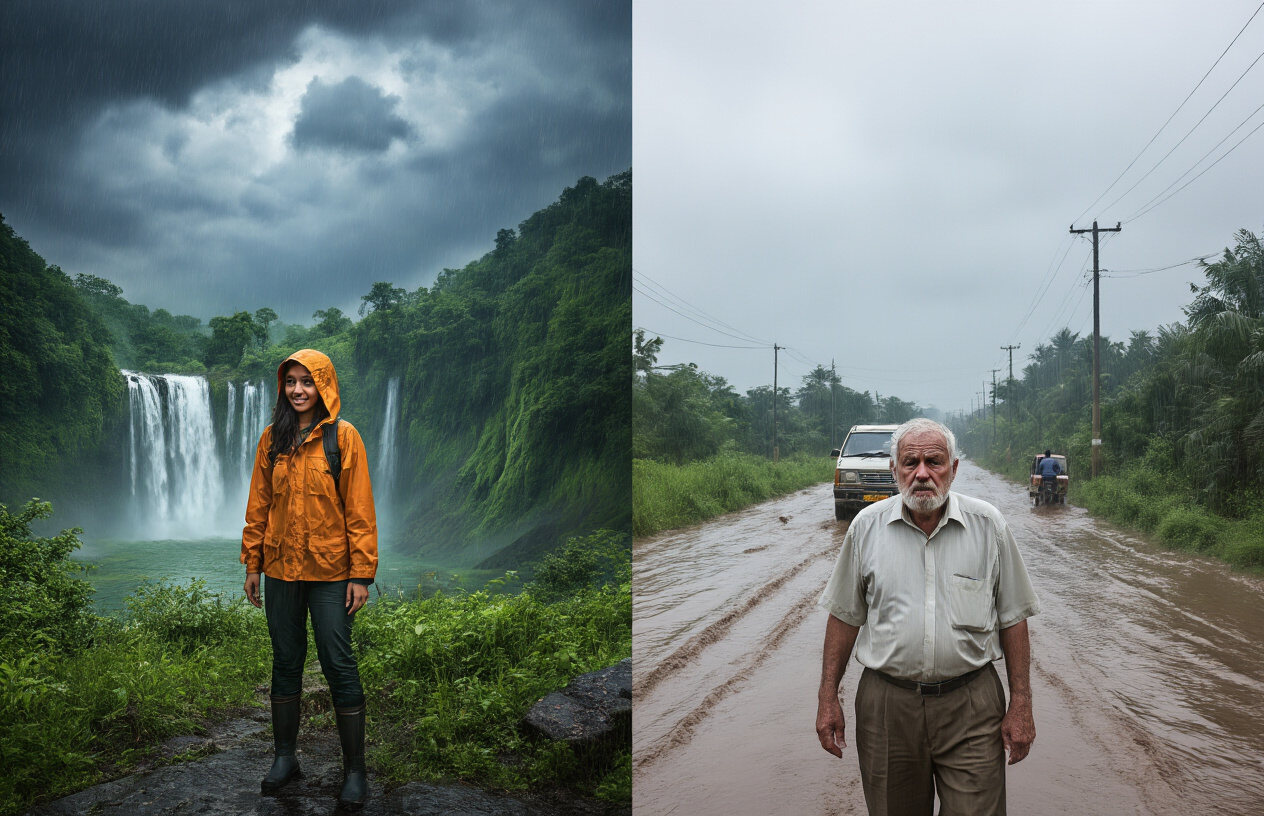
Monsoon Maharashtra is a dream for certain types of travelers:
-
Adventure seekers who love trekking to Maharashtra waterfalls during monsoon and don't mind getting soaked
-
Nature photographers chasing misty forts, dramatic skies, and roaring cascades
-
Budget travelers looking to stretch every rupee during off-season deals
-
Couples and solo explorers who prefer quiet trails over crowded tourist spots
Situations Where Postponing Makes More Sense
Skip the monsoon trip if any of these apply to you:
| Situation | Why It's a Problem |
|---|---|
| Traveling with young children or elderly | Slippery terrain and health risks increase significantly |
| First-time visitors to Maharashtra | Missing key sights due to closures can be disappointing |
| Relying on road trips through rural routes | Landslides and waterlogging can strand you unexpectedly |
| Low tolerance for humidity and disrupted plans | Monsoon travel Maharashtra demands flexibility |
Budget Advantages and Off-Season Deals Worth Considering
This is where Maharashtra rainy season tourism genuinely wins. Hotels drop rates by 30–50%, popular Maharashtra monsoon destinations see fewer crowds, and local tour operators offer attractive packages. Weekend getaways from Pune or Mumbai become surprisingly affordable, making this the smartest time to travel if your schedule allows flexibility.
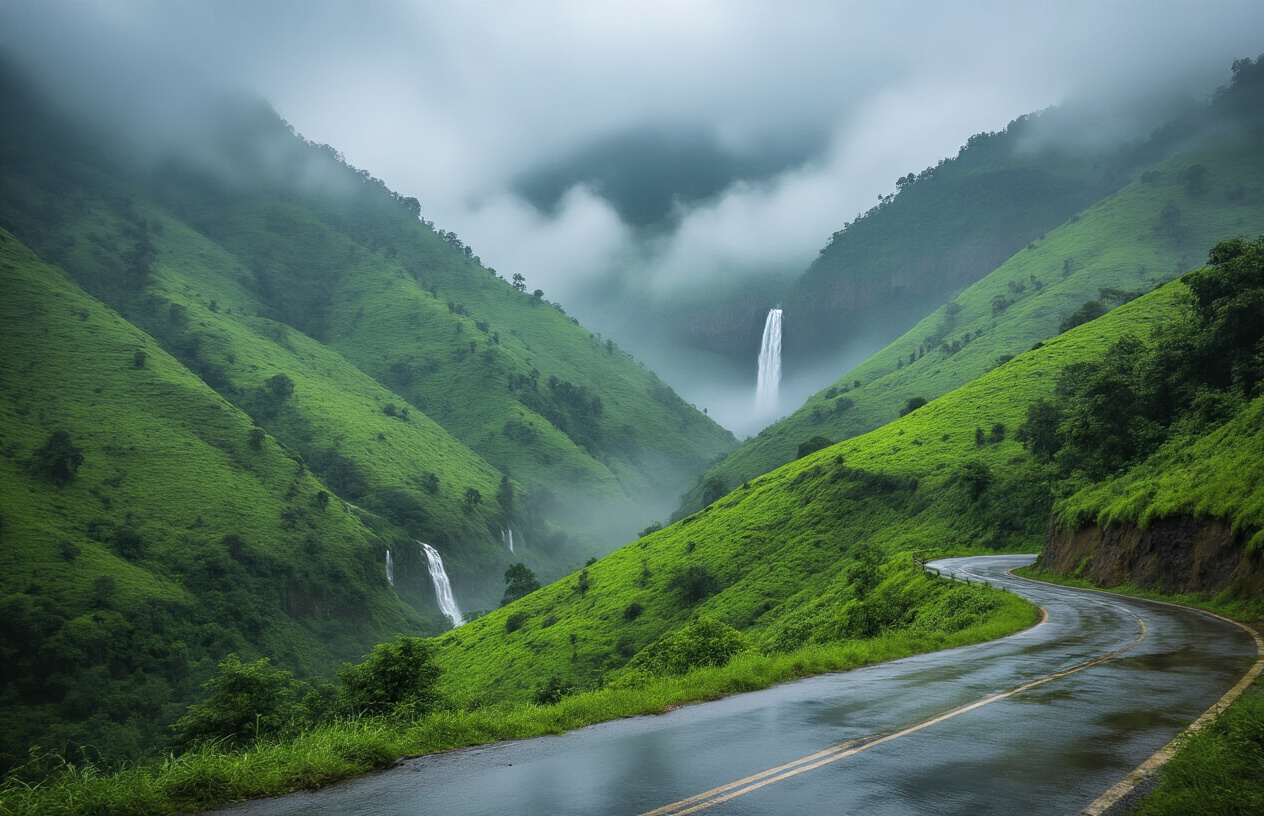
Monsoon travel in Maharashtra is genuinely one of those experiences that can go either way — absolutely magical or a total headache, depending on how prepared you are. The state transforms into something breathtaking during the rains, with waterfalls roaring, valleys turning impossibly green, and hill stations feeling like they belong in a movie. But that beauty comes with real challenges like landslides, flooded roads, and unpredictable weather that can flip your plans upside down in hours.
The bottom line is simple — if you do your homework, pack smart, keep an eye on weather alerts, and stay flexible with your itinerary, monsoon Maharashtra can be one of the most rewarding trips you ever take. If you prefer comfort, predictability, and clear skies, it is probably worth waiting for a different season. Know what kind of traveler you are, plan accordingly, and you will know exactly what to do next.
Post a Comment