
How Do New Zealanders Really Feel About Tourists?
If you're planning a trip to New Zealand or just curious about what locals actually think when visitors show up, you're in the right place. Kiwi views on tourism are more layered than a simple "welcome" or "go home" — and understanding that complexity can make your trip way better.
This guide is for travelers heading to New Zealand who want to go beyond the tourist trail and genuinely connect with the people who live there. It's also useful for anyone researching New Zealanders' attitudes toward tourists and what shapes those opinions.
Here's what we'll get into:
-
How locals actually feel day-to-day — the general attitude toward tourists in New Zealand, including where the warmth ends and the frustration begins
-
The environmental and economic tension — why New Zealand's environmental tourism concerns and the money tourists bring create a real push-and-pull for communities
-
What happened after COVID-19 — how the pandemic shifted New Zealand tourism opinions in ways that still affect how visitors are received today
By the end, you'll also have some solid, practical travel etiquette tips to help you show up as the kind of visitor Kiwis are genuinely happy to see.
The General Attitude of New Zealanders Toward Tourists
Why Most Kiwis Welcome Visitors With Open Arms
New Zealanders genuinely like meeting people from around the world. There's real curiosity about other cultures, and most Kiwis take pride in showing off their stunning country. The general New Zealanders' attitude toward tourists is warm, helpful, and relaxed — very much in line with the laid-back national character.
The Cultural Value of Hospitality in New Zealand
Māori culture places deep importance on manaakitanga — the practice of caring for guests with generosity and respect. This value runs through everyday Kiwi life, shaping how locals feel about tourists in New Zealand across the whole country.
How Tourism Shapes Everyday Life for Locals
Tourism touches nearly everything — from local cafés staying open year-round to roading infrastructure investments. While most Kiwis appreciate the energy visitors bring, crowded spots during peak season can test patience.
The Difference Between Urban and Rural Attitudes
| Setting | Typical Attitude |
|---|---|
| Cities (Auckland, Wellington) | More accustomed to tourists, occasionally indifferent |
| Small towns | Genuinely excited, highly welcoming |
| Rural/remote areas | Appreciative but protective of their environment |
Rural communities often go out of their way to help lost travellers, while city locals tend to treat tourism as background noise.
The Economic Impact That Shapes Local Opinions
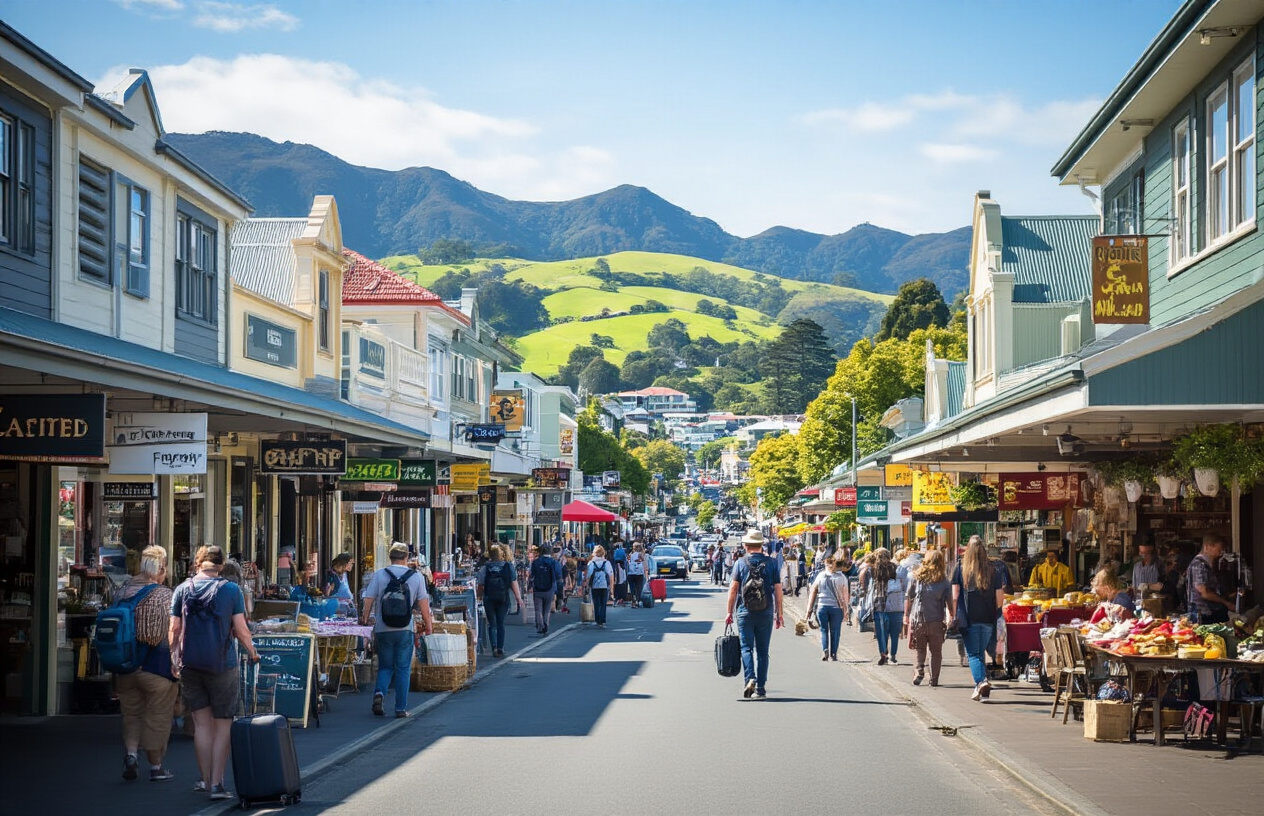
How Tourism Revenue Benefits New Zealand Communities
Tourism pumps serious money into New Zealand's economy. Before COVID-19 hit, international visitors contributed around NZ$17 billion annually, funding everything from local infrastructure to conservation projects. Smaller towns like Queenstown and Rotorua essentially run on visitor spending, with that money flowing directly into schools, roads, and public services.
The Jobs and Opportunities Created by the Visitor Economy
The jobs picture is significant. Tourism once supported roughly 1 in 8 New Zealand jobs, spanning hospitality, transport, adventure tourism, and retail. For Māori communities especially, tourism creates meaningful opportunities to share culture while generating sustainable income — a genuinely positive outcome that many locals recognize and appreciate.
When Tourist Dollars Cause Tension Among Residents
Money doesn't fix everything, though. Rapid tourism growth created real headaches for everyday Kiwis:
| Issue | Impact on Locals |
|---|---|
| Housing costs | Rental properties converted to Airbnbs, pushing rents up |
| Overcrowding | Popular spots like Milford Sound became difficult for locals to enjoy |
| Infrastructure strain | Small towns struggled to manage waste and traffic |
| Wage quality | Many tourism jobs remained seasonal and low-paid |
This is where New Zealanders' attitudes toward tourists get complicated — most people appreciate the economic value, but not when it squeezes their own quality of life.
The Environmental Concerns Driving Mixed Feelings
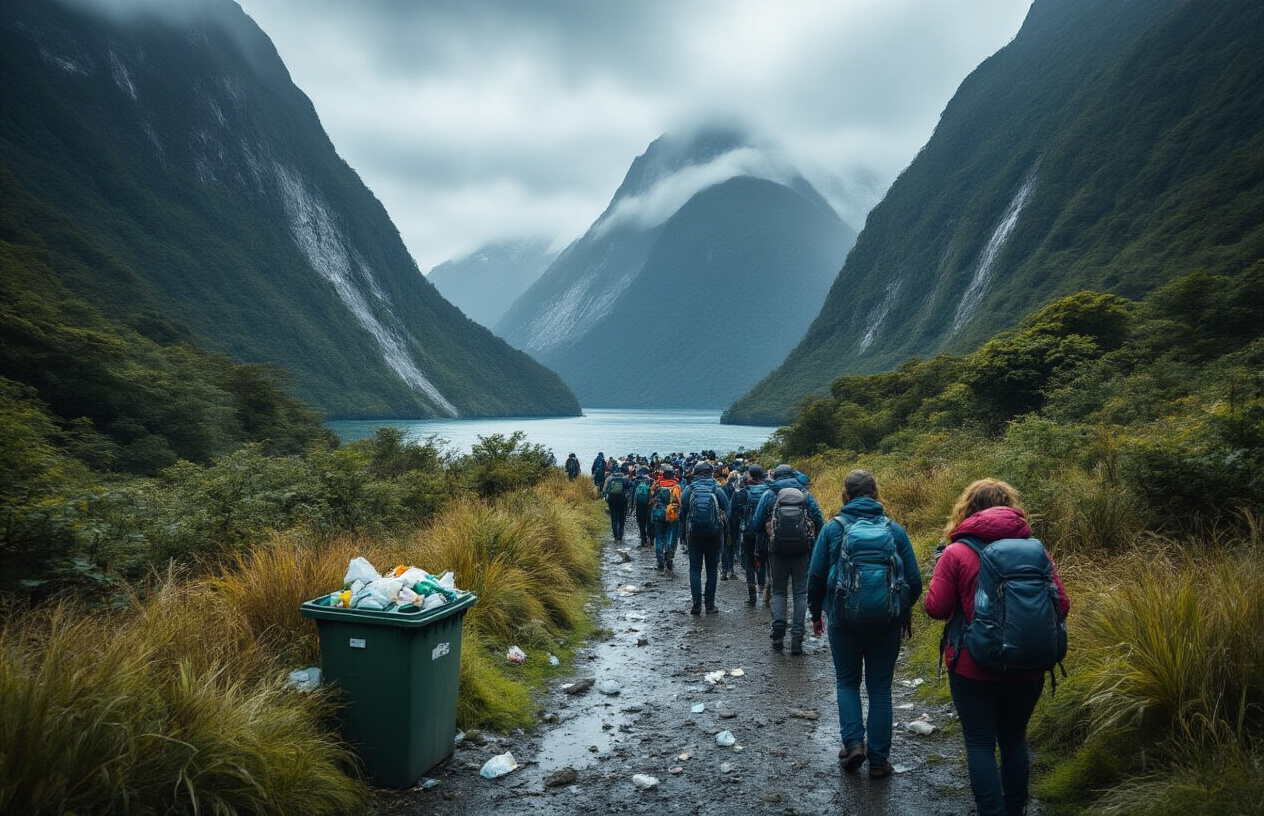
How Overtourism Is Damaging New Zealand's Natural Landscapes
New Zealand's tourist impact is real and visible. Beloved spots like Milford Sound, Queenstown, and the Tongariro Alpine Crossing face severe trail erosion, overcrowding, and waste buildup. Freedom campers parking near pristine rivers without proper sanitation have left lasting damage on ecosystems locals genuinely treasure.
The Frustration Locals Feel About Irresponsible Tourist Behavior
Kiwi views on tourism sour quickly when visitors leave rubbish at beaches, ignore conservation signs, or light campfires during fire bans. These aren't minor annoyances — they're actions that destroy habitats protecting rare native species like kākāpō and tuatara. Many locals feel like they're watching someone trash their living room.
Conservation Efforts That Bring Locals and Tourists Together
New Zealand environmental tourism concerns have actually sparked some genuine collaboration. Programs like the Department of Conservation's volunteer days actively welcome tourists alongside locals to plant native trees and control pests. These shared experiences shift the dynamic from "us vs. them" to genuine partnership.
The Push for Sustainable Tourism Practices
New Zealand's Tiaki Promise encourages visitors to travel responsibly — protecting nature, respecting culture, and minimizing waste. Tourists who actively engage with these practices earn real respect from locals and help preserve what makes New Zealand extraordinary.
Cultural Respect and Its Role in Shaping Perceptions
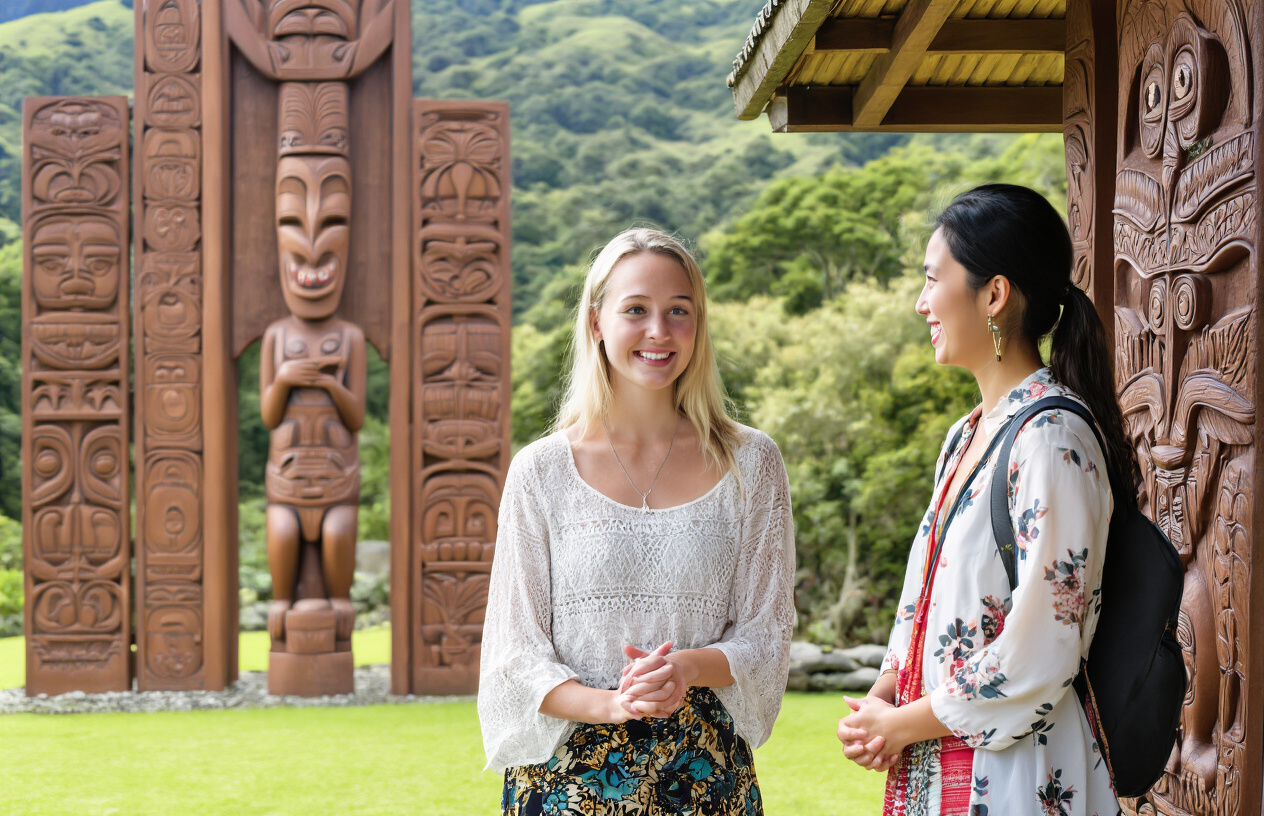
How Māori Culture Is Viewed in the Context of Tourism
Māori culture sits at the heart of New Zealand's identity, and locals take its representation seriously. Many Kiwis feel proud when tourists genuinely engage with Te Ao Māori — the Māori worldview — through authentic experiences like cultural performances, guided tours led by iwi (tribal) members, or visiting marae. What bothers locals is when tourists treat sacred customs as photo opportunities or reduce a rich living culture to a souvenir shop novelty.
The Behaviors That Impress and Irritate Locals Most
| Impressive Behaviors | Irritating Behaviors |
|---|---|
| Asking before photographing people | Ignoring "no entry" signs at sacred sites |
| Attempting to pronounce place names correctly | Littering in natural spaces |
| Greeting with "Kia ora" | Speaking loudly in quiet, rural areas |
| Respecting wildlife boundaries | Comparing everything to back home |
Why Learning Basic Kiwi Customs Goes a Long Way
Cultural respect in New Zealand travel doesn't require a crash course — small gestures make a big difference. Saying "Kia ora," removing shoes when entering a home, and showing genuine curiosity about local life signals that you're a guest worth welcoming. Kiwis are naturally warm, and meeting that energy halfway shapes how locals feel about tourists more than almost anything else.
How COVID-19 Changed New Zealanders' Views on Tourism
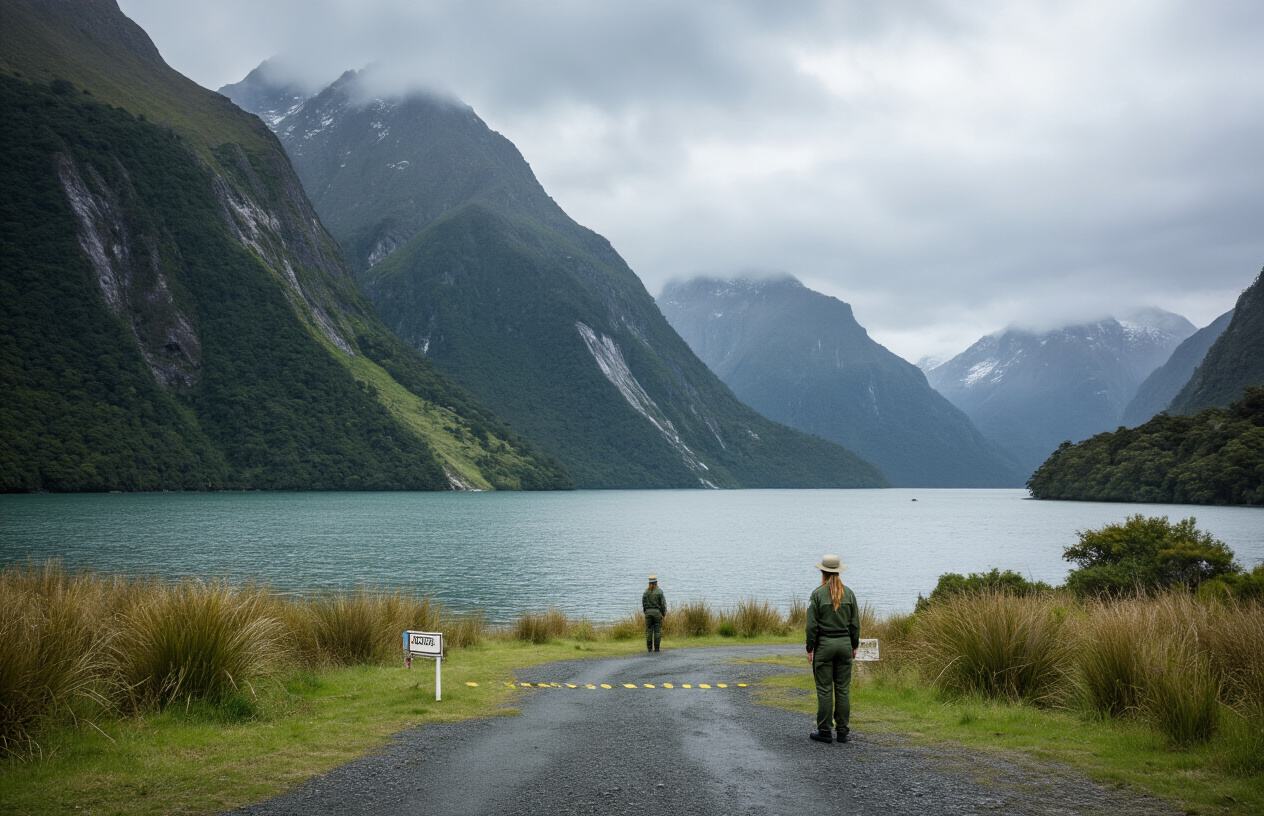
The Relief and Struggles During the Border Closure Period
When New Zealand sealed its borders in 2020, many Kiwis quietly exhaled. Overcrowded hiking trails emptied, coastal towns breathed again, and locals rediscovered places they'd been avoiding for years. But the silence came at a cost — hospitality businesses collapsed, regional economies stalled, and communities built entirely around tourism faced genuine hardship.
The Complicated Feelings When Tourists Returned
The COVID-19 effect on New Zealand tourism created a push-pull dynamic that still lingers. Locals missed the income but not always the crowds. When visitors returned, some Kiwis felt genuine warmth — others felt reluctant. That tension sits just beneath the surface in many tourist-heavy areas today.
New Expectations Locals Have for Visitors Post-Pandemic
Kiwi views on tourism shifted permanently. Locals now expect visitors to:
| Expectation | Why It Matters |
|---|---|
| Respect conservation rules | Trails took years to recover |
| Spend locally and intentionally | Communities remember the economic gap |
| Move beyond overcrowded hotspots | Spread the benefit more fairly |
The Lessons New Zealand Learned About Balancing Tourism
The pandemic proved New Zealand was over-reliant on mass tourism. Since then, the focus has shifted toward quality over quantity — fewer visitors who genuinely care about the place, rather than sheer numbers chasing the same Instagram shots.
Practical Tips for Tourists to Win Over New Zealanders
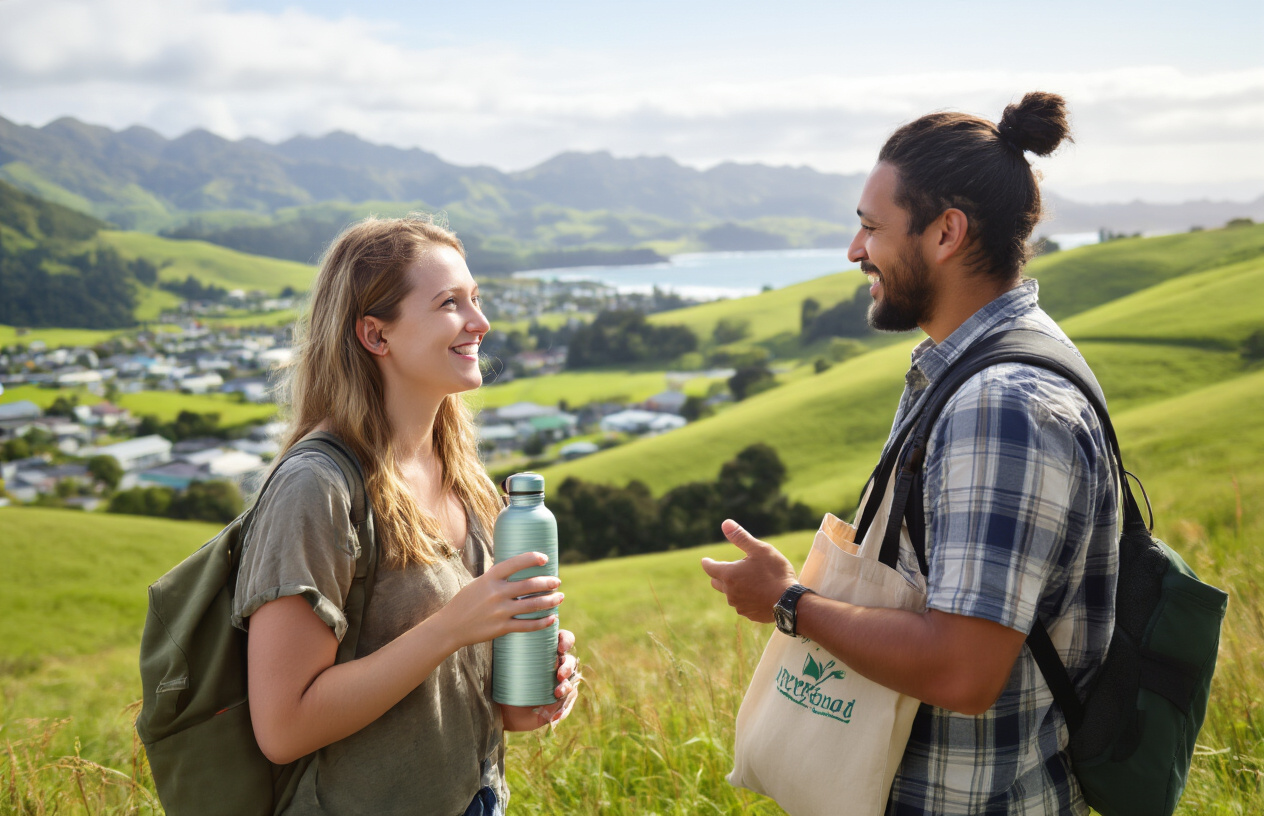
Simple Gestures That Earn Instant Respect From Locals
New Zealand travel etiquette doesn't require grand gestures. Kiwis warm up quickly to tourists who show basic courtesy — greet people with a genuine smile, learn to pronounce Māori place names correctly, and always clean up after yourself at beaches, trails, and campgrounds. Saying "kia ora" goes a long way. Locals notice when visitors make even a small effort.
The Places and Behaviors That Tourists Should Avoid
| Avoid This | Do This Instead |
|---|---|
| Ignoring "no entry" signs at sacred Māori sites | Research cultural protocols beforehand |
| Leaving rubbish on the Milford Track | Carry a pack-in, pack-out mindset |
| Hogging narrow roads in campervans | Pull over and let locals pass |
| Dismissing local conservation rules | Follow DOC guidelines without question |
How Engaging With Local Communities Creates Genuine Connections
The tourists New Zealanders genuinely enjoy meeting are the ones who slow down. Visit a local farmers' market, eat at a family-run restaurant, or join a community-organized guided walk. Ask questions and actually listen to the answers. Spending money at small, locally owned businesses signals that you care about more than just a photo opportunity — and Kiwis absolutely pick up on that difference.
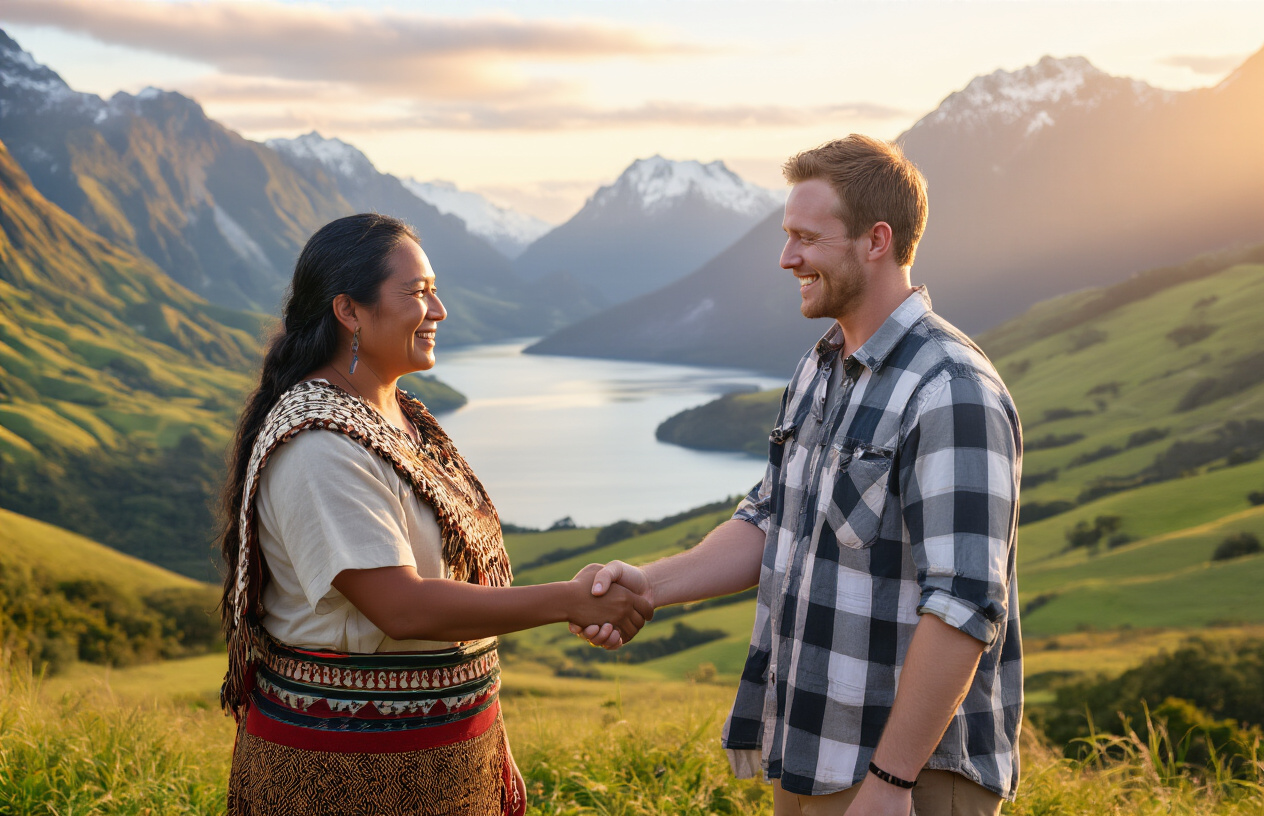
New Zealanders, by and large, are warm and welcoming people, but their feelings about tourists are shaped by a mix of factors — money, the environment, cultural respect, and the lasting effects of the pandemic. Locals appreciate the economic boost that visitors bring, but not at the cost of overcrowded trails, damaged landscapes, or a lack of respect for Māori culture and traditions. COVID-19 gave many Kiwis a taste of what life looked like without mass tourism, and that experience shifted perspectives in ways that still linger today.
The good news is that being a tourist New Zealanders actually enjoy having around is not complicated. Tread lightly, spend locally, learn a little about the culture before you arrive, and treat the land the way locals do — with genuine care. Do that, and you will not just be tolerated as a visitor; you will be welcomed like one of their own.
Post a Comment