
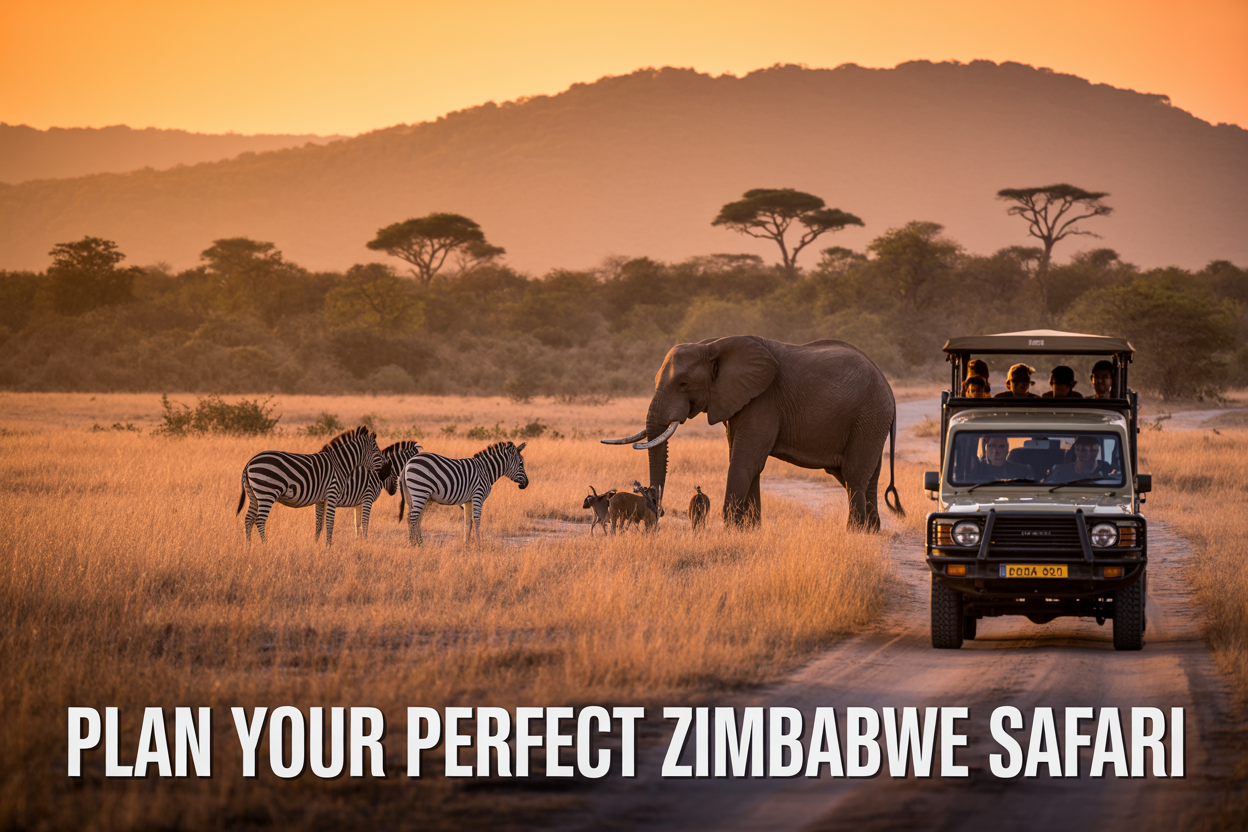
How to Plan the Perfect Zimbabwe Safari Trip
Planning a Zimbabwe safari trip can feel overwhelming — especially when you're staring at a dozen browser tabs, trying to figure out where to go, what to pack, and how much it'll actually cost.
This guide is for first-time safari travelers and seasoned adventure seekers who want to experience Zimbabwe's incredible wildlife without the guesswork. You'll get straight-to-the-point advice on picking the best time to visit Zimbabwe, choosing the right Zimbabwe safari destinations for your travel style, and building a realistic budget — whether you're after an affordable Zimbabwe safari or a luxury safari Zimbabwe experience.
No fluff. Just everything you need to start planning with confidence.
Choose the Best Time to Visit Zimbabwe
Understanding the Dry Season Advantages for Wildlife Viewing
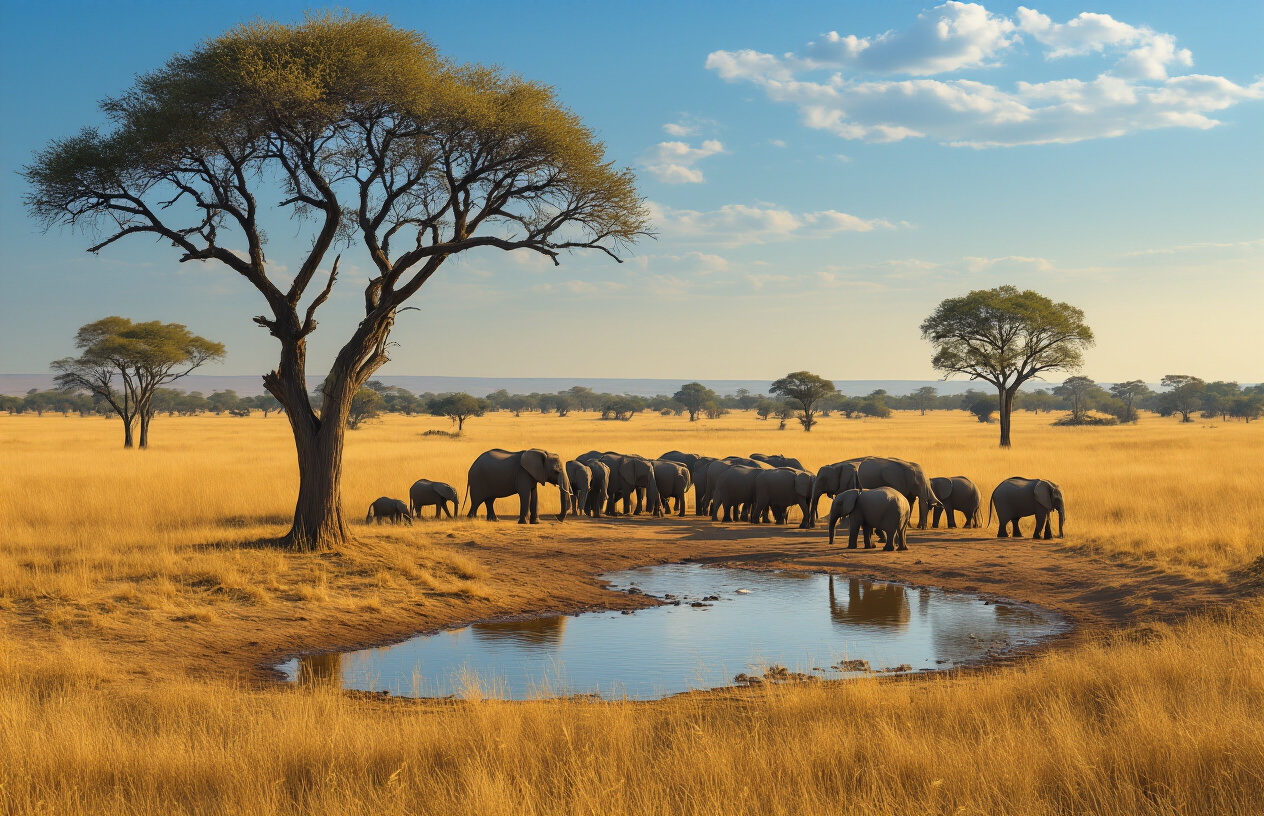
The dry season (May–October) is prime time for your Zimbabwe wildlife safari. With vegetation thinning out and water sources shrinking, animals cluster around rivers and waterholes, making sightings almost effortless. Hwange National Park and Mana Pools shine brightest during these months, offering jaw-dropping elephant concentrations.
| Factor | Dry Season (May–Oct) | Green Season (Nov–Apr) |
|---|---|---|
| Wildlife Visibility | Excellent | Moderate |
| Crowds | Higher | Lower |
| Costs | Peak rates | Discounted rates |
| Weather | Dry, cooler nights | Hot, tropical rains |
Navigating the Green Season for Fewer Crowds and Lower Costs
An affordable Zimbabwe safari is absolutely achievable in the green season. Lodges drop prices significantly, and popular spots feel refreshingly uncrowded. Baby animals appear across the savanna, and birdwatching reaches peak excitement with migratory species arriving. Rain showers are typically short afternoon bursts, leaving mornings perfectly clear for game drives.
Planning Around Zimbabwe's Key Wildlife Events and Migrations
Timing your best time to visit Zimbabwe around specific wildlife moments pays off hugely:
-
August–October: Massive elephant gatherings at Hwange's waterholes
-
November–December: Zebra and wildebeest calving season begins
-
April–June: Excellent fishing and canoeing at Mana Pools as water recedes
Select the Right Safari Destinations
Explore the Iconic Hwange National Park
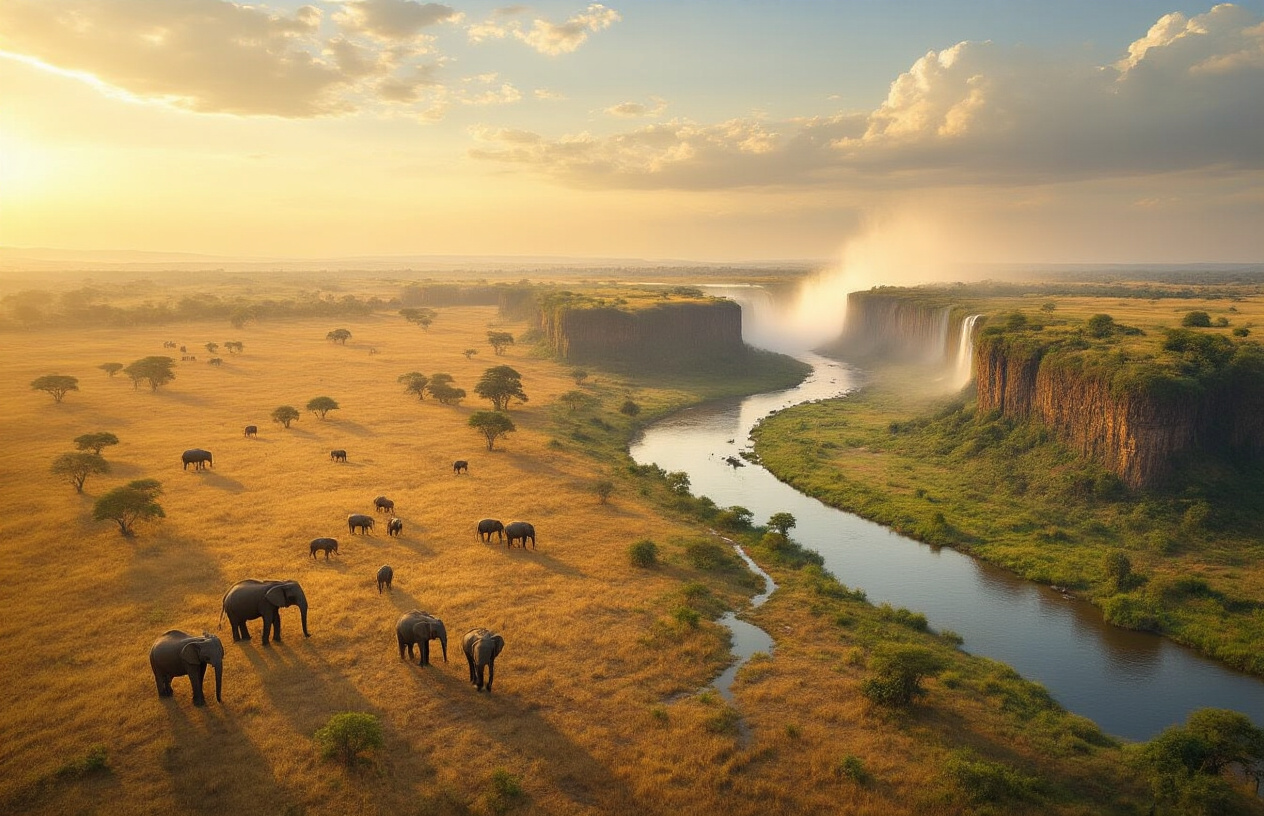
Hwange is Zimbabwe's largest national park and an absolute must-visit on any Zimbabwe wildlife safari. Home to over 40,000 elephants plus lions, wild dogs, and massive buffalo herds, the wildlife density here is jaw-dropping. Peak dry season (August–October) offers the best game viewing around waterholes.
Discover the Untouched Beauty of Mana Pools
Mana Pools sits along the Zambezi River and offers something rare — walking safaris where you can track wildlife on foot. This UNESCO World Heritage Site attracts serious safari lovers who want raw, authentic bush experiences away from crowds. Canoe safaris here are genuinely unforgettable.
Experience the Majestic Victoria Falls Region
Victoria Falls isn't just a spectacular waterfall — it's a full safari destination. Combine game drives in Zambezi National Park with white-water rafting, bungee jumping, and sunset river cruises. It pairs perfectly with Hwange for a well-rounded Zimbabwe safari trip.
Uncover the Hidden Gem of Gonarezhou National Park
Gonarezhou remains one of Africa's least-visited wilderness areas, making it ideal for travelers craving solitude. Part of the Greater Limpopo Transfrontier Park, it shelters rare nyala antelope and massive elephant populations against a dramatic landscape of red sandstone cliffs.
Pick the Perfect Safari Style for Your Needs
Enjoy the Thrill of Game Drives for Maximum Wildlife Sightings
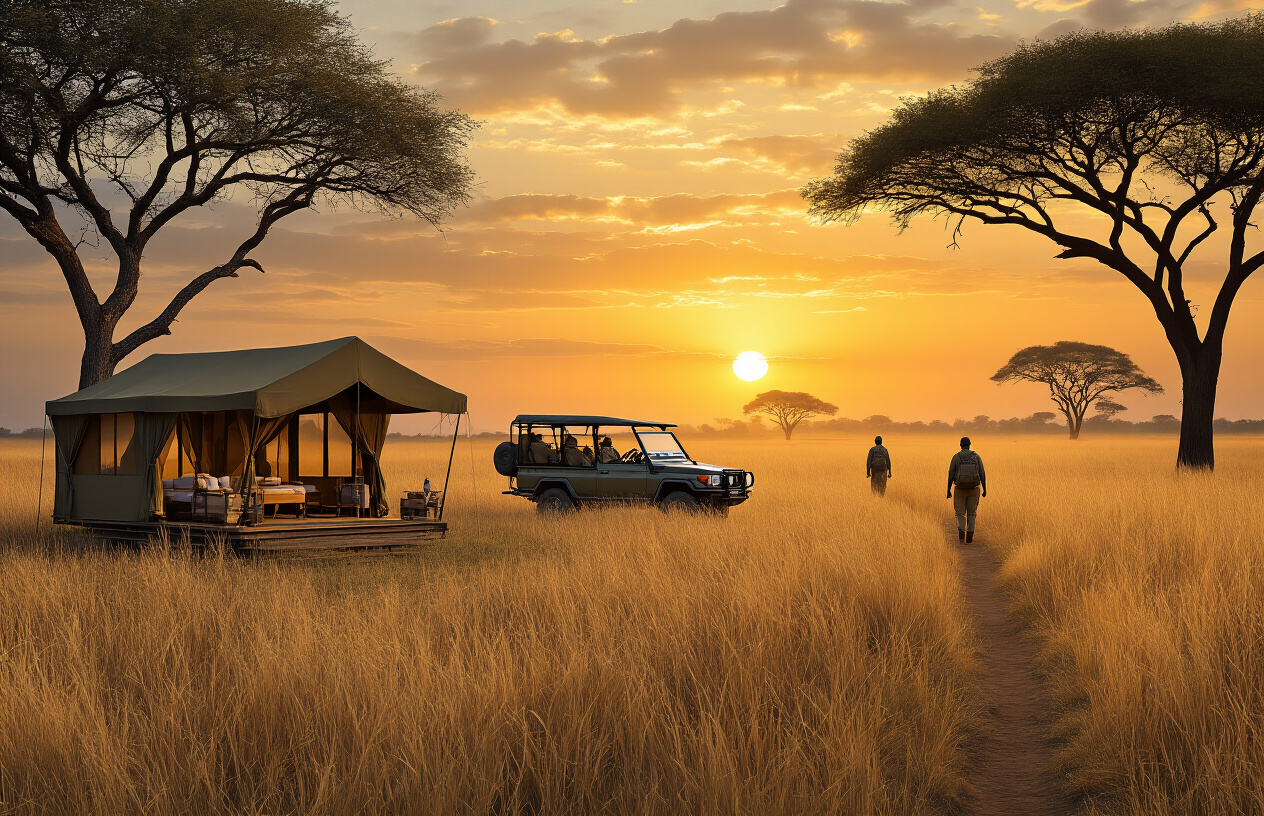
Game drives remain the backbone of any Zimbabwe wildlife safari. Whether you choose an open 4x4 at dawn or a night drive under a canopy of stars, you'll cover serious ground and spot everything from elephant herds to elusive leopards. Hwange National Park is especially rewarding, with guides who know exactly where the action is.
Get Up Close with Nature on a Walking Safari
Walking safaris set Zimbabwe apart from most African destinations. Areas like Mana Pools are legendary for guided walks alongside elephants and buffalo — an experience that feels raw, real, and completely unforgettable. You read animal tracks, learn bush skills, and feel genuinely connected to the landscape. It's slower than a game drive, but far more immersive.
Experience Exclusive Luxury at Private Safari Lodges
Luxury safari Zimbabwe options have grown dramatically, with private concessions offering small guest numbers, personalized guiding, and stunning design. Compare the main styles below:
| Safari Style | Best For | Key Benefit |
|---|---|---|
| Game Drive | First-time visitors | Wide coverage, high sightings |
| Walking Safari | Adventure seekers | Deep immersion in nature |
| Private Lodge | Honeymooners, luxury travelers | Exclusivity, tailored experiences |
Mixing two styles across your Zimbabwe safari trip gives you the best of everything.
Set a Realistic Budget for Your Trip
Understand the True Cost of Safari Packages
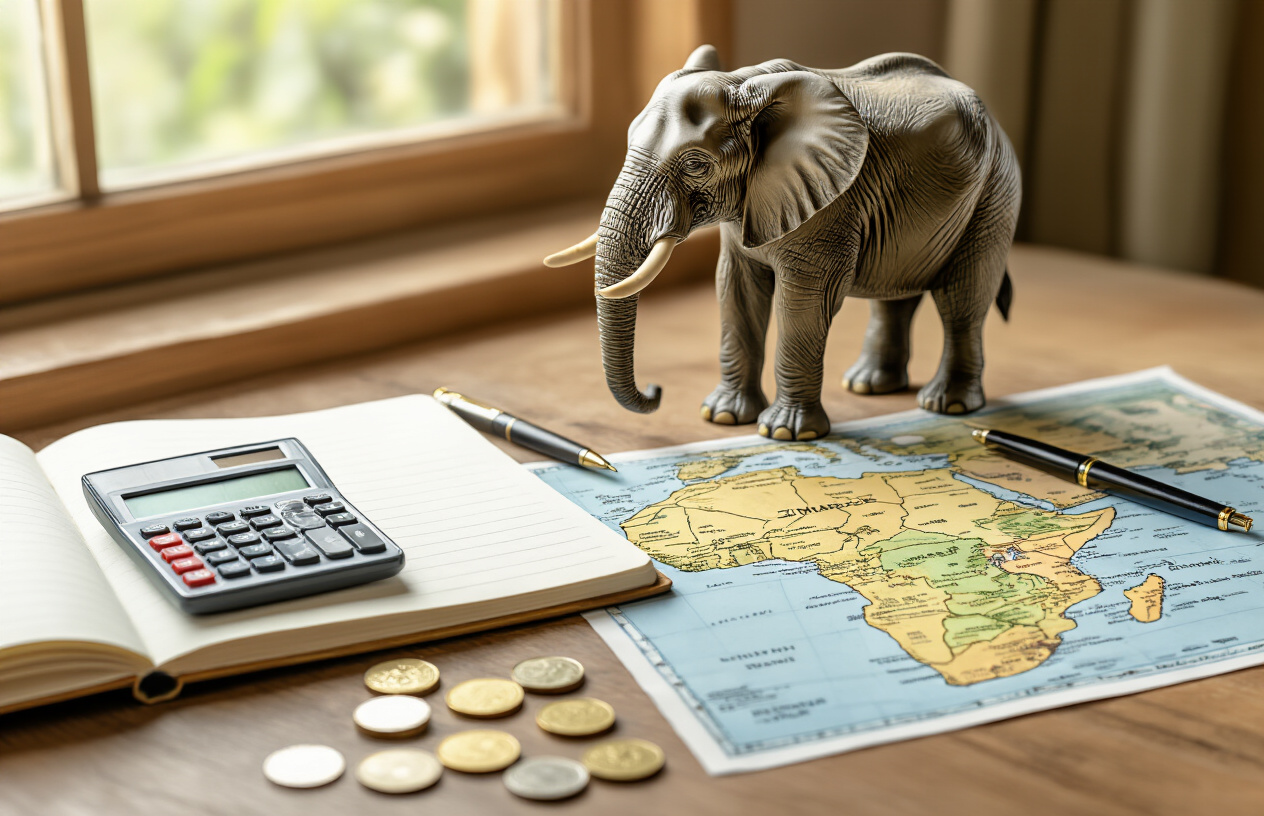
An affordable Zimbabwe safari typically runs $300–$500 per person per night at mid-range camps, while premium experiences push $1,000+. Packages usually bundle accommodation, meals, and game drives, so compare what's actually included before assuming one deal beats another.
Balance Budget Camps Versus Luxury Lodges
| Option | Daily Cost (Per Person) | Best For |
|---|---|---|
| Budget camping | $80–$150 | Backpackers, self-drive |
| Mid-range lodge | $300–$500 | Comfort seekers |
| Luxury safari Zimbabwe | $800–$2,000+ | Honeymoons, splurge trips |
Mixing lodge tiers — a couple of luxury nights with solid mid-range stays — gives you the wow factor without draining your account.
Factor in Hidden Costs Like Park Fees and Transfers
Park fees in Hwange or Mana Pools run $20–$50 per person daily. Add airport transfers, internal flights between parks, gratuities (budget $10–$15 per guide per day), and travel insurance. These extras can add $500–$800 to your overall trip.
Save Money With Smart Booking Strategies
Book your Zimbabwe safari trip 9–12 months ahead for early-bird discounts. Traveling during the shoulder season (November or March) cuts rates noticeably without sacrificing wildlife sightings.
Handle Visas, Health, and Safety Requirements
Secure the Right Visa for a Hassle-Free Entry
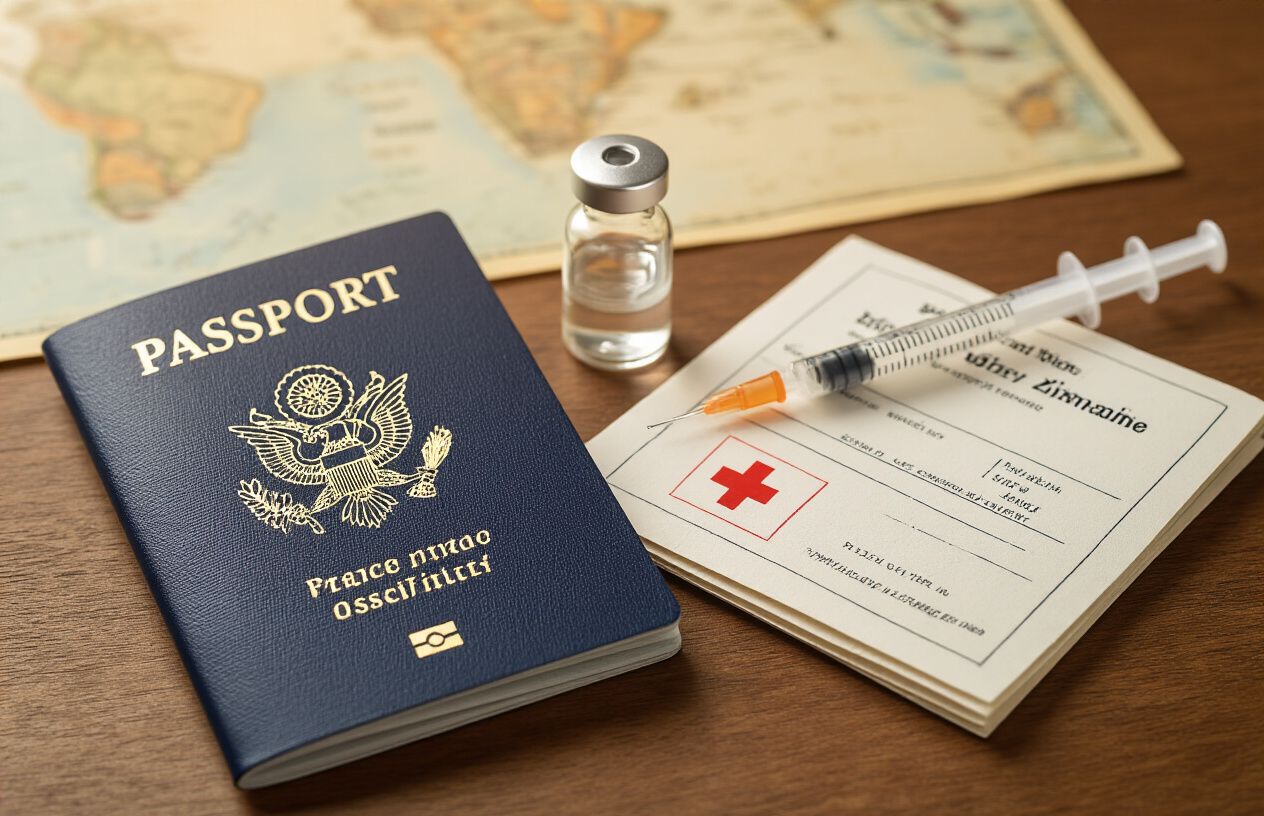
Zimbabwe visa requirements vary by nationality. Many visitors qualify for a visa on arrival, while others need to apply in advance. The KAZA UniVisa ($50) is a great option if you're combining Zimbabwe and Zambia — it covers both countries and is perfect for Victoria Falls day trips.
| Visa Type | Cost | Best For |
|---|---|---|
| Single Entry | $30 | One-country visits |
| KAZA UniVisa | $50 | Zimbabwe + Zambia combo |
| eVisa | $30–$75 | Pre-trip convenience |
Always carry a printed copy of your visa and passport with extra pages.
Protect Your Health With Essential Vaccinations and Medications
Before your Zimbabwe safari trip, visit a travel health clinic at least six weeks ahead. Key health essentials include:
-
Malaria prophylaxis — non-negotiable for most safari areas
-
Yellow fever vaccination — required if arriving from endemic countries
-
Hepatitis A & B, typhoid — strongly recommended
-
Carry a basic medical kit with rehydration salts and insect repellent (DEET-based)
Stay Safe With Expert Local Guides and Park Rangers
Booking through reputable operators means your Zimbabwe safari guide is trained and park-certified. Guides know animal behavior intimately — they keep you at safe distances without killing the experience. Always follow their instructions, stay inside vehicles during game drives, and never wander camp alone at night.
Pack Smartly for an Unforgettable Safari
Choose the Right Clothing for Comfort and Camouflage
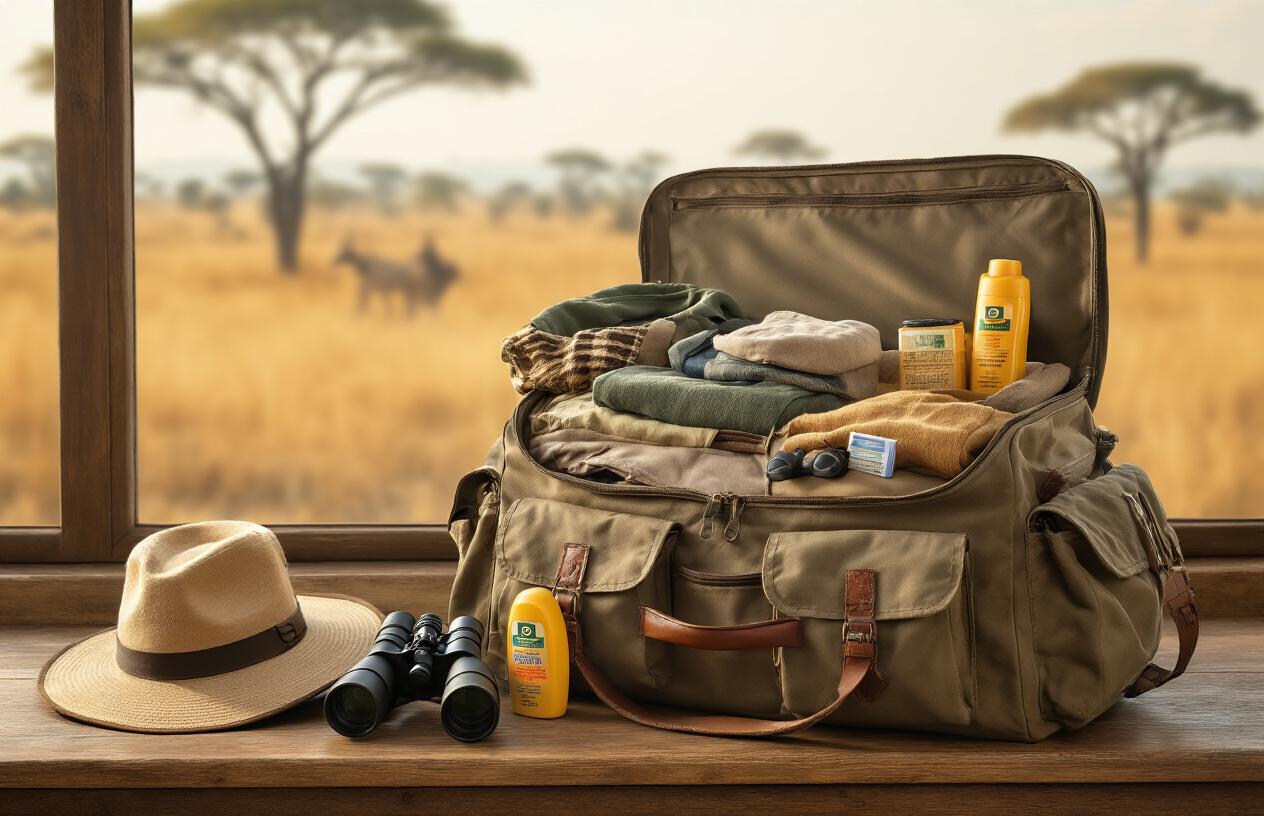
Your Zimbabwe safari packing list should prioritize neutral-toned, lightweight clothing. Think khaki, olive, and beige — colors that blend into the bush without startling wildlife. Pack breathable, long-sleeved shirts and pants to protect against sun and insects. Mornings can be surprisingly cool, so a light fleece or jacket is a must.
| Item | Why You Need It |
|---|---|
| Neutral-toned shirts | Blends with surroundings |
| Light fleece | Chilly early morning game drives |
| Wide-brim hat | Sun protection |
| Sturdy walking shoes | Bush walks and rough terrain |
Bring Essential Gear for Wildlife Photography
A Zimbabwe wildlife safari offers incredible photography opportunities. Bring a camera with a zoom lens (300mm or longer), extra batteries, and plenty of memory cards. Dust is relentless in the bush, so carry a protective camera bag and lens cloth.
Pack Must-Have Accessories for Health and Convenience
-
DEET-based insect repellent — malaria risk is real in Zimbabwe
-
Sunscreen SPF 50+ — the African sun hits hard
-
Reusable water bottle — hydration matters on long game drives
-
Power bank — charging points are limited at remote camps
-
Small daypack — keeps essentials organized during excursions
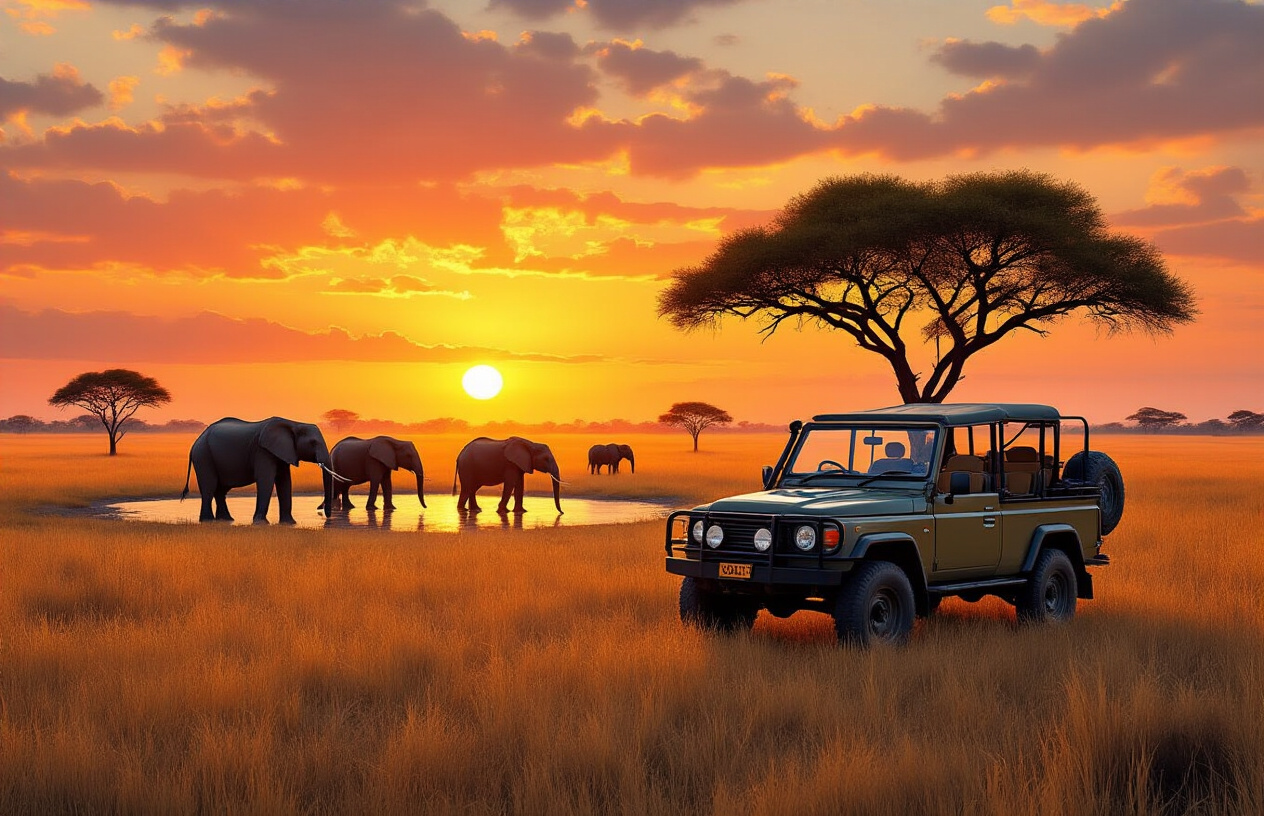
Planning a Zimbabwe safari doesn't have to feel overwhelming. By picking the right time to visit, choosing destinations that match what you want to see, and deciding on a safari style that fits your vibe, you're already halfway there. Throw in a solid budget, sorted visas, and the right health precautions, and you've got a trip that's set up for success before you even step on the plane.
Now comes the fun part — packing your bag and getting ready to experience one of Africa's most breathtaking wildlife destinations. Zimbabwe is raw, real, and absolutely unforgettable. So stop dreaming about it and start planning. Your perfect safari is closer than you think.
Post a Comment