
Planning your first Philippines trip can feel overwhelming fast. Over 7,600 islands, a dozen must-see destinations, and no shortage of opinions on where to go first — it's a lot to sort through.
This Philippines travel guide is for first-timers who want a clear, practical starting point — not a 40-tab rabbit hole. Whether you're working with a tight Philippines travel budget or just want to make sure you don't waste a single day, this guide cuts straight to what matters.
Here's what we'll cover:
-
When to go — the best time to visit the Philippines based on weather, crowds, and cost
-
Where to go — how to choose the right Philippines islands to visit for your travel style and trip length
-
How to get there and get around — from cheap flights to Philippines to sorting out inter-island travel once you land
By the end, you'll have a solid plan — not just a wishlist.
Choose the Best Time to Visit the Philippines
Understand the Dry and Wet Seasons
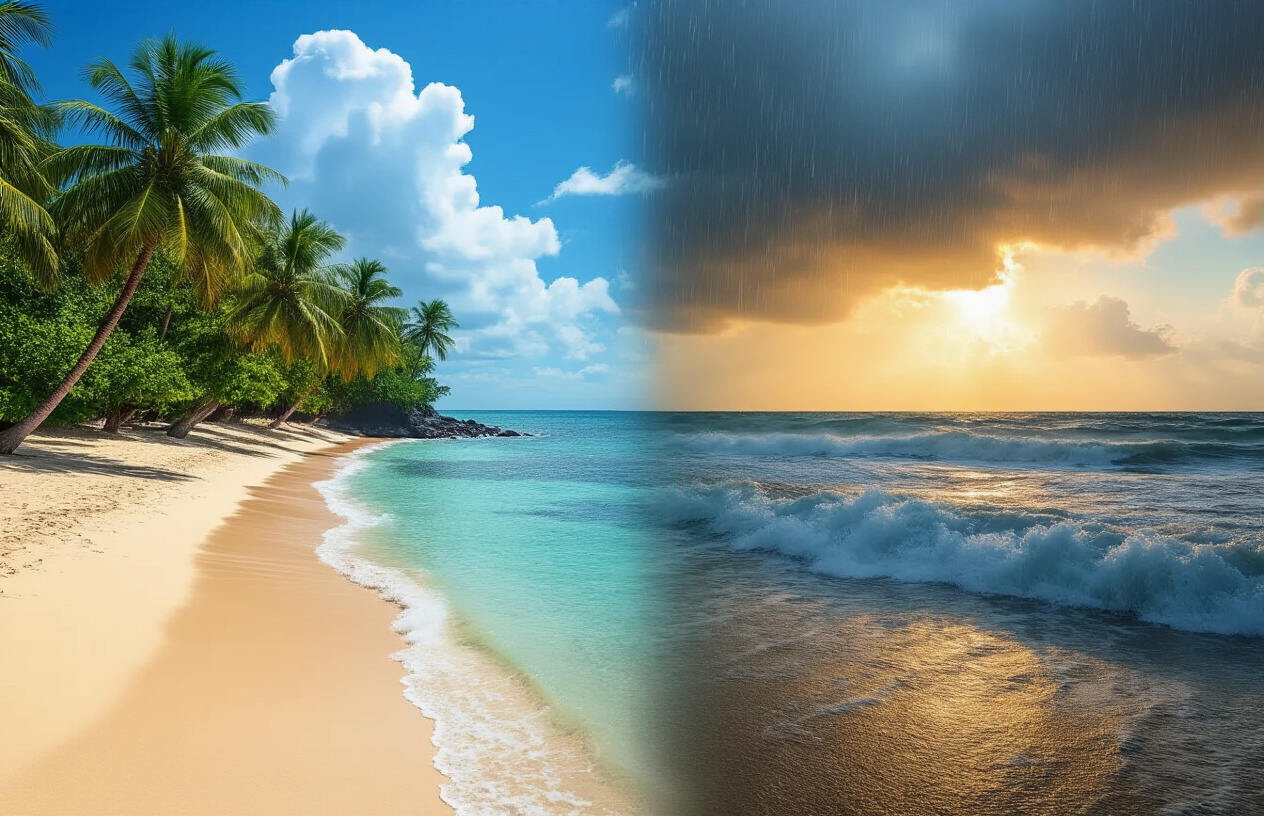
The Philippines has two main seasons — dry and wet. The dry season (November to May) brings sunshine, calm seas, and perfect beach weather. The wet season (June to October) brings heavy rains and typhoons, especially in the north. That said, the south (Mindanao, Siargao) stays relatively dry longer into the year.
| Season | Months | What to Expect |
|---|---|---|
| Dry | Nov – May | Sunny, calm seas, peak travel |
| Wet | Jun – Oct | Rain, typhoons, fewer crowds |
Discover the Best Months for Beach and Island Hopping
For your first Philippines trip, December through April is the sweet spot. The skies are clear, the water is calm, and island hopping is at its best. Palawan shines brightest from November to May, while Siargao's surf peaks between August and November.
Plan Around Filipino Festivals and Public Holidays
Timing your trip around festivals can make the experience unforgettable. Key ones to know:
-
Sinulog Festival – Cebu, January
-
Ati-Atihan – Aklan, January
-
Pahiyas Festival – Quezon, May
Book accommodation early during these periods — prices jump fast and rooms sell out weeks ahead.
Decide Which Islands and Destinations to Visit
Explore the Most Popular Destinations for First-Time Visitors
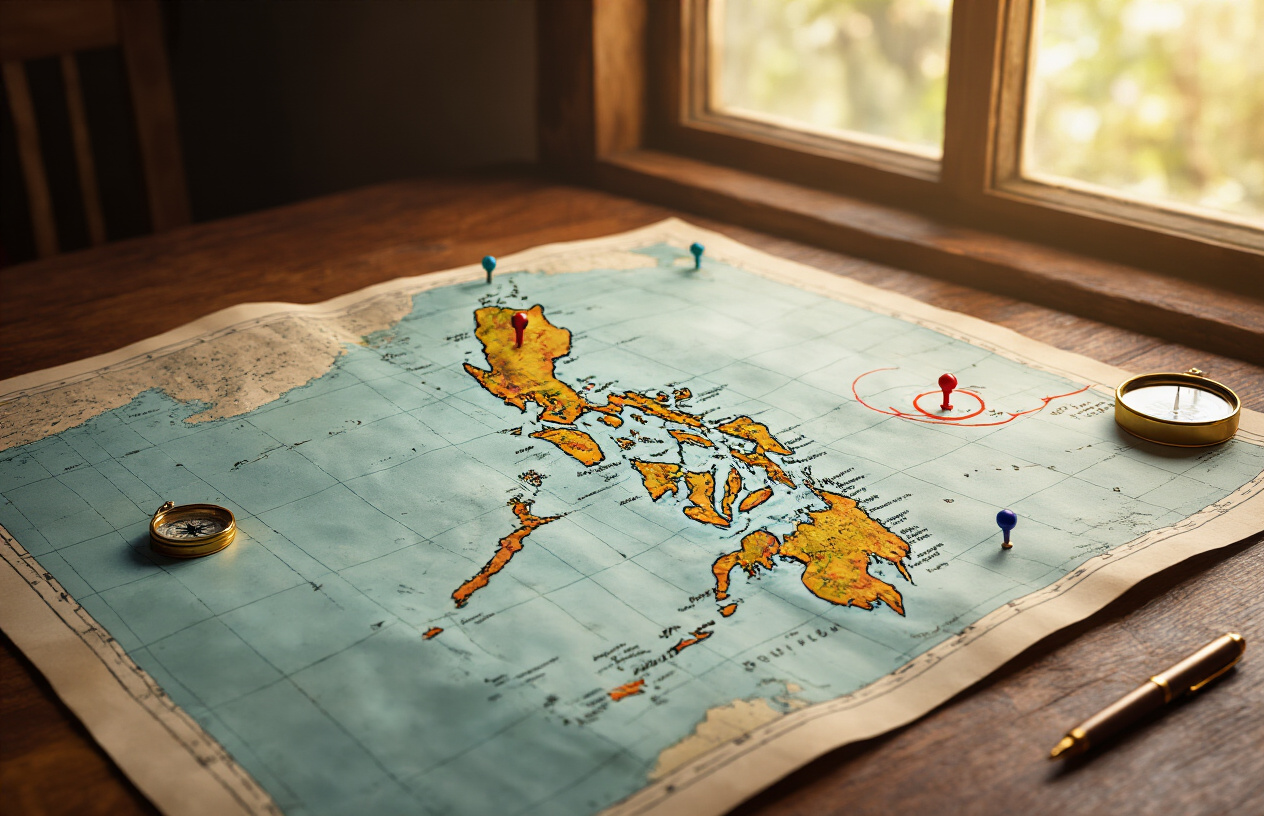
The Philippines has over 7,600 islands, but a handful steal the spotlight for good reason. Start with these crowd favorites:
| Destination | Known For |
|---|---|
| Palawan | Crystal-clear lagoons, El Nido, Coron |
| Cebu | City culture, Oslob whale sharks, Kawasan Falls |
| Boracay | White Beach, nightlife, water sports |
| Siargao | Surfing, laid-back island vibes |
| Bohol | Chocolate Hills, tarsiers, river cruises |
Find Hidden Gems Beyond the Tourist Trail
Skip the crowds and check out Batanes for dramatic landscapes, Camiguin for volcanic hot springs, or Siquijor for secluded beaches. These spots offer authentic experiences at lower prices.
Balance Your Itinerary Between Nature, Culture, and Adventure
Mix it up. Pair a beach destination like El Nido with a cultural stop in Vigan or Manila. Blend island-hopping with local food tours and hike days to avoid trip burnout.
Know How Many Destinations to Realistically Cover
Two to three islands is the sweet spot for a two-week first Philippines trip. Travel days eat into your time, so rushing through five islands means you barely scratch the surface of any.
Set a Realistic Travel Budget
Estimate Daily Costs for Accommodation, Food, and Transport
Your Philippines travel budget really depends on your travel style, but here's a practical breakdown:
| Category | Budget Traveler | Mid-Range | Comfort |
|---|---|---|---|
| Accommodation | $10–20/night | $30–60/night | $80+/night |
| Food | $8–15/day | $20–35/day | $50+/day |
| Transport | $5–10/day | $15–25/day | $40+/day |
| Daily Total | $25–45 | $65–120 | $170+ |
Island hopping tours, entrance fees, and activities can add $20–50 per day depending on your destination.
Identify Ways to Save Money Without Sacrificing Experience
-
Eat at local carinderias (small eateries) — meals cost under $2 and taste amazing
-
Book accommodation directly with guesthouses to skip platform fees
-
Travel during shoulder season (May or November) for cheaper rates
-
Use jeepneys and tricycles for short distances instead of taxis
Account for Unexpected Expenses and Emergency Funds
Always set aside at least 15–20% of your total Philippines travel budget as a buffer. Ferry cancellations, medical needs, or a spontaneous island detour can catch you off guard. Keep emergency cash accessible — not everything accepts cards, especially on smaller islands.
Sort Out Your Flights and Inter-Island Travel
Find the Best Deals on International Flights to the Philippines
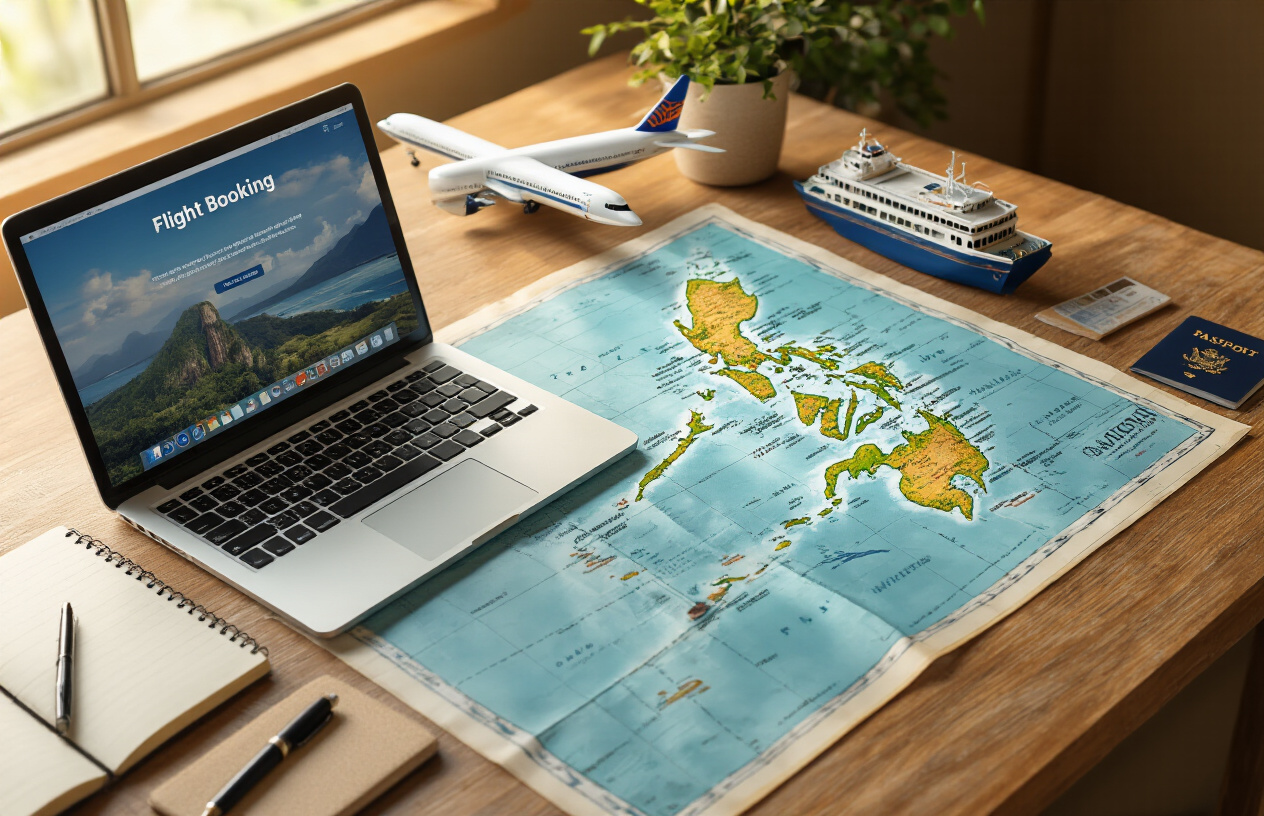
Book cheap flights to the Philippines 6–8 weeks in advance for the best prices. Manila (MNL) and Cebu (CEB) are your main international entry points. Use Google Flights or Skyscanner and set price alerts. Flying mid-week almost always saves money.
Navigate Domestic Flights Between Islands Efficiently
Inter-island travel in the Philippines is easiest by domestic flight. Cebu Pacific and AirAsia Philippines offer budget-friendly routes connecting major islands daily.
| Route | Approx. Flight Time |
|---|---|
| Manila → Palawan | 1 hour |
| Manila → Cebu | 1.5 hours |
| Cebu → Siargao | 1 hour |
Book early — domestic fares spike fast during peak season.
Use Ferries and Boats to Reach Smaller Islands
Ferries are perfect for island hopping on a tight budget. 2GO Travel and Oceanjet cover popular routes like Cebu–Bohol and Manila–Coron. For smaller islands like the Bacuit Archipelago, bangka boats (traditional outriggers) are your go-to option.
Plan Ground Transportation Within Cities and Towns
Getting around cities is straightforward. Grab (the local Uber) works great in Manila and Cebu. For shorter trips, jeepneys and tricycles are cheap and fun — just agree on the fare before hopping in.
Choose the Right Accommodation for Your Trip

Compare Budget Hostels, Guesthouses, and Mid-Range Hotels
Philippines accommodation tips don't need to be complicated. Here's a quick breakdown of what to expect:
| Type | Average Cost/Night | Best For |
|---|---|---|
| Hostels | $5–$15 | Solo backpackers |
| Guesthouses | $15–$35 | Budget-conscious couples |
| Mid-range hotels | $40–$80 | Comfort seekers |
Hostels in Palawan and Cebu are generally clean and social. Guesthouses offer more privacy without breaking the bank — perfect if you want a local feel.
Find Beachfront Resorts Worth the Splurge
Some spots genuinely deserve the upgrade. El Nido Resorts (Miniloc or Lagen Island) offer breathtaking lagoon views with all-inclusive packages. In Boracay, Shangri-La sits on a quieter stretch of beach away from the crowds. Siargao has boutique surf resorts that feel luxurious without sky-high price tags — often $80–$150 per night.
Treat a night or two at a beachfront resort as a highlight of your trip rather than the default.
Book Early to Secure the Best Options During Peak Season
Peak season (December–April) fills up fast, especially in Palawan and Boracay. Popular spots routinely sell out weeks in advance. Book accommodation at least 6–8 weeks ahead, and always check cancellation policies — flexible bookings are your best friend when travel plans shift.
Handle the Essential Travel Requirements
Check Visa Policies Based on Your Nationality
Most nationalities get visa-free entry for 30 days, with extensions available at local immigration offices. Always confirm with the Philippine Bureau of Immigration before traveling, since policies can shift.
Get the Right Travel Insurance Coverage
Don't skip this. Medical care in remote islands can be limited, and emergency evacuations are expensive. Look for a policy that covers:
| Coverage Type | Why It Matters |
|---|---|
| Medical emergencies | Hospitals in rural areas require upfront payment |
| Trip cancellation | Typhoons can disrupt plans fast |
| Lost baggage | Budget airlines have strict policies |
| Water sports/adventure | Snorkeling and diving need specific coverage |
Prepare Important Health and Safety Precautions
Check with your doctor about vaccinations like Hepatitis A, Typhoid, and Tetanus before your trip. Pack mosquito repellent with DEET — dengue is present year-round. Drink bottled water everywhere, and carry oral rehydration salts for heat exhaustion.
Pack Smart for a Tropical Island Destination
Pack light, breathable clothing, reef-safe sunscreen, and a dry bag for island hopping. A power bank is essential since electricity can be unreliable on smaller islands. Sandals, a light rain jacket, and modest clothing for temples round out your kit.
Planning your first Philippines trip might feel overwhelming at first, but breaking it down into smaller steps makes the whole process so much easier. Picking the right season to visit, choosing which islands to explore, setting a budget that actually works for you, and sorting out your flights and accommodation are really the building blocks of a smooth, stress-free adventure. Throw in handling your travel documents early, and you're already ahead of most first-time visitors.
The Philippines is one of those destinations that gets under your skin in the best way possible — the kind of place you'll be talking about long after you get home. So start planning, book that flight, and get ready to experience some of the most beautiful islands, warmest people, and most unforgettable food the world has to offer. Your dream Philippines trip is closer than you think.
Post a Comment