
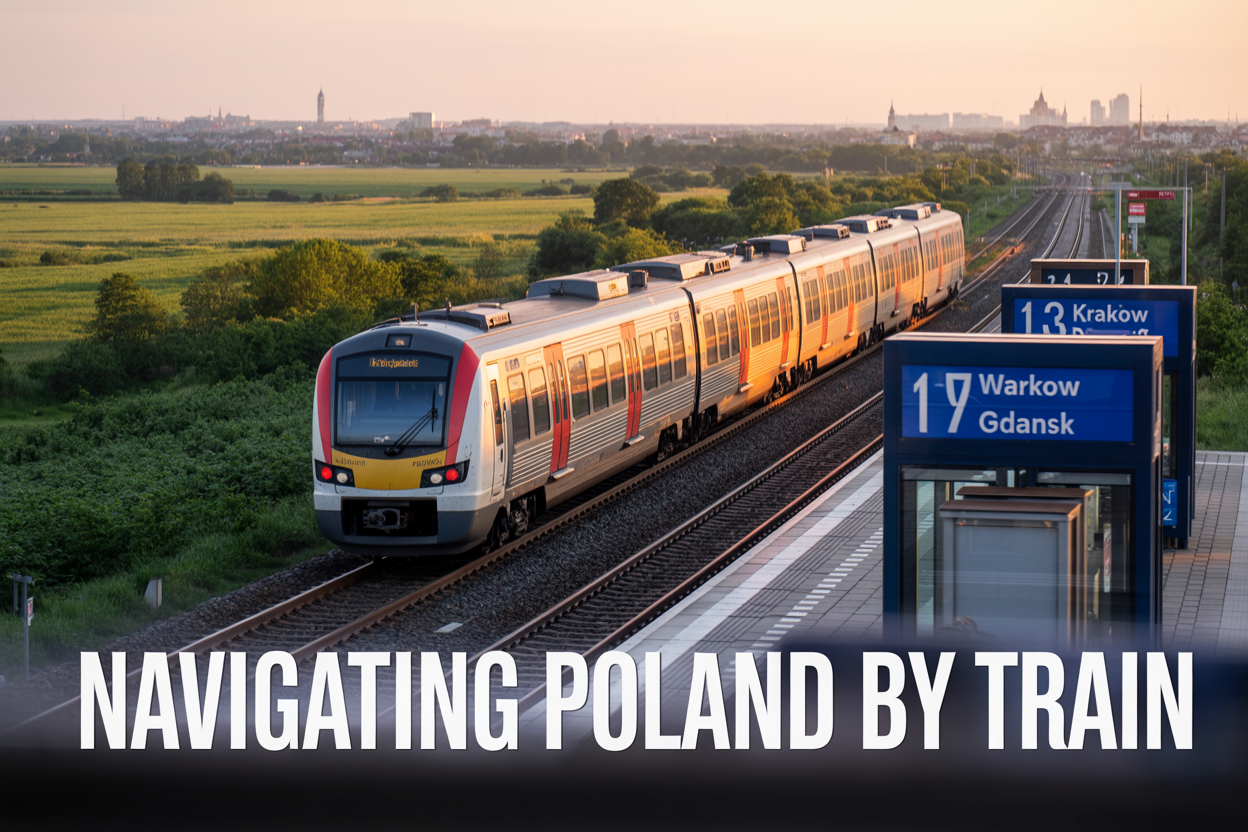
Navigating Poland by Train: A Complete Guide for Travelers
Poland train travel is one of the best-kept secrets in European rail travel. The Polish rail network covers hundreds of cities and towns, making it a fast, affordable, and stress-free way to explore the country — no rental car required.
This guide is for first-time visitors and seasoned backpackers alike who want to get around Poland without the guesswork. If you've been wondering how to buy train tickets in Poland, which PKP Intercity routes are worth taking, or how to find your way around busy Poland train stations, you're in the right place.
Here's what we'll walk you through:
-
How the Poland railway system actually works — the different train types, operators, and what to expect on the tracks
-
Buying tickets without the headache — where to book, how to save money, and what to watch out for
-
Surviving and enjoying the journey — from navigating major stations to making your ride as comfortable as possible
By the end, you'll have everything you need to travel by train in Poland like you've done it a dozen times before.
Understanding Poland's Rail Network
Overview of PKP and Regional Train Operators
Poland's rail network runs primarily through PKP Intercity, the national long-distance carrier covering major city connections. Regional travel falls under separate operators like Koleje Mazowieckie, Przewozy Regionalne (PR), and ŁKA, each managing their own ticketing systems. Knowing which operator runs your route saves a lot of confusion at the station.
Key Train Types and Speed Differences
| Train Type | Speed | Best For |
|---|---|---|
| Express InterCity (EIC) | Up to 200 km/h | Long-distance, fast travel |
| InterCity (IC) | Up to 160 km/h | City-to-city journeys |
| TLK (Twoje Linie Kolejowe) | Up to 120 km/h | Budget long-distance trips |
| Regional (REG) | Up to 100 km/h | Short hops between towns |
Most Popular Routes for Travelers
The Warsaw–Kraków corridor is Poland's busiest train route, with departures nearly every hour. Warsaw–Gdańsk, Warsaw–Wrocław, and Kraków–Wrocław round out the top choices for Poland train travel.
How the Network Connects Major Cities and Towns
Warsaw acts as the central hub, with direct PKP Intercity lines radiating outward. Smaller towns connect through regional operators, sometimes requiring a transfer at a larger station. The Polish rail network covers over 18,000 km of track, reaching even rural areas with reasonable frequency.
Buying Train Tickets the Smart Way
Online Booking Platforms and Apps to Use
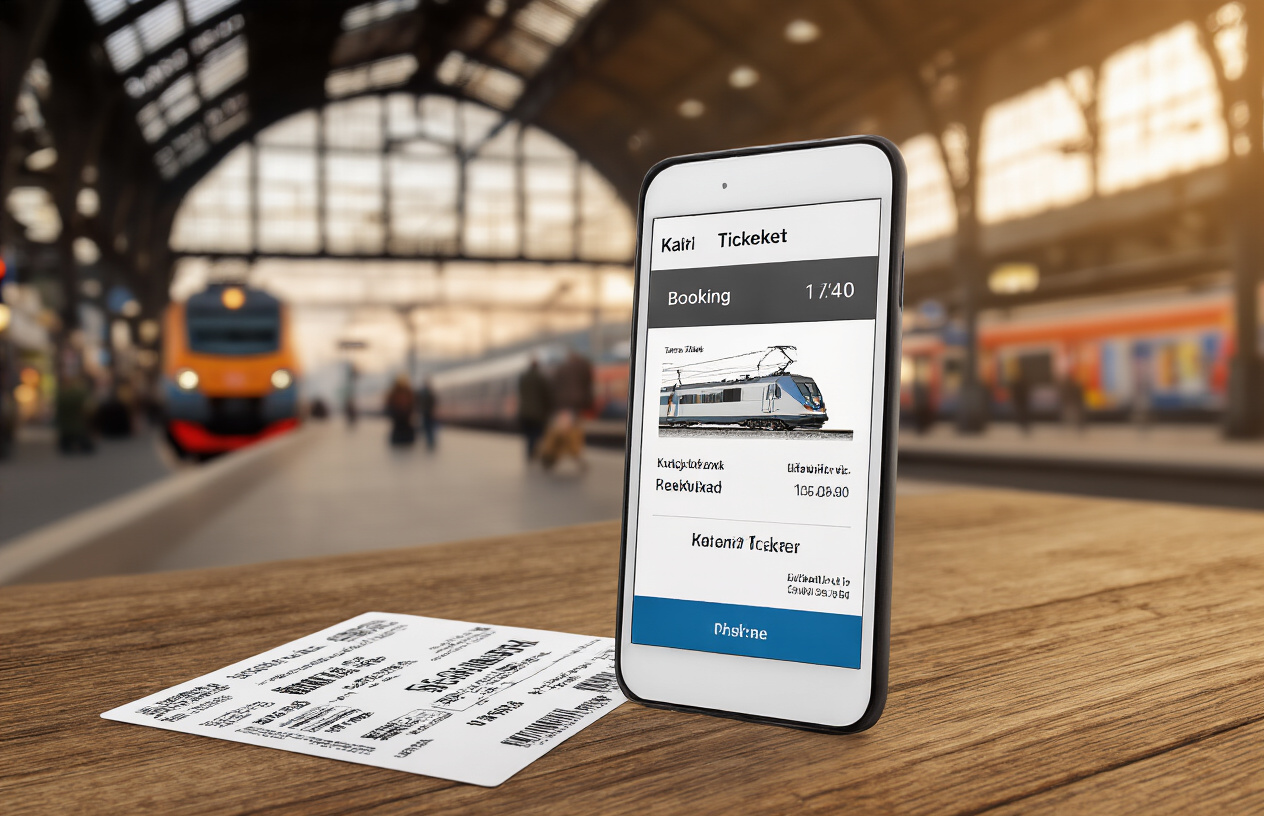
The PKP Intercity website and app are your go-to for booking train tickets in Poland. They cover intercity and express routes, let you choose seats, and send e-tickets straight to your phone. For regional trains, check the Koleo app — it handles connections across multiple operators seamlessly. Booking at least a few days ahead often unlocks cheaper "Promo" fares that sell out fast.
Purchasing Tickets at Stations vs. On Board
| Option | Cost | Best For |
|---|---|---|
| Online/App | Cheapest | Planned trips |
| Station kiosk/counter | Standard price | Same-day travel |
| On board (conductor) | Surcharge applies | Emergency only |
Buying on board is possible but costs extra, and not all conductors speak English. Self-service kiosks at major Poland train stations usually have an English option, making them a solid backup.
Discount Cards and Passes Worth Considering
-
Interrail/Eurail Pass — great if Poland is part of a broader European rail travel trip
-
PKP Intercity Discount Cards — worthwhile for frequent travelers on Polish routes
-
Student/Senior discounts — available with valid ID, cutting ticket prices significantly
Always carry your discount card physically — inspectors do check.
Navigating Major Train Stations in Poland
Warsaw Central and How to Get Around It
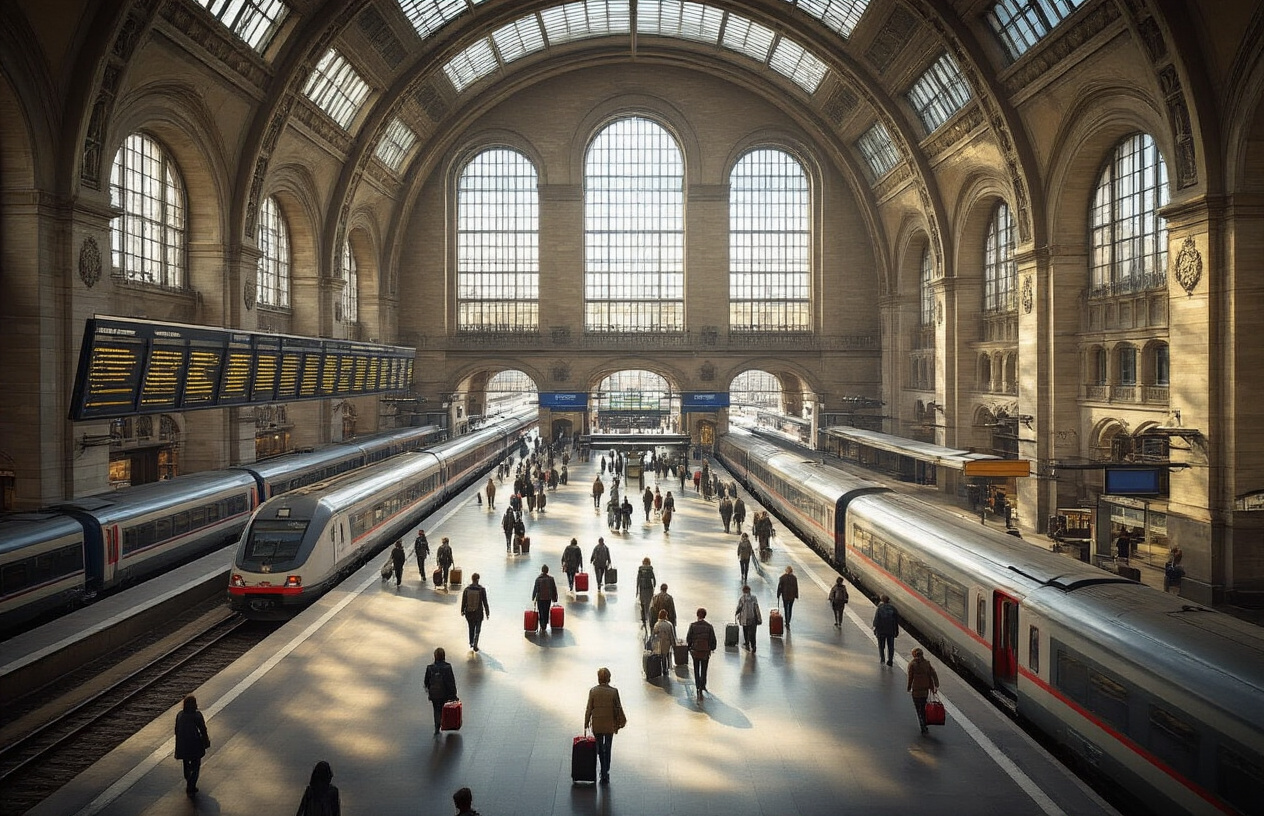
Warsaw Centralna is Poland's busiest train station and sits right in the city's heart. The underground layout can feel confusing at first — platforms are below street level, while ticket offices and shops occupy the ground floor. Follow the bright yellow PKP signs and you'll find your way quickly. The main hall has English signage throughout, making Poland train travel accessible even without Polish language skills.
Key Stations in Krakow, Gdansk, and Wroclaw
| Station | Key Feature |
|---|---|
| Krakow Główny | Inside a historic 19th-century building; Old Town walkable |
| Gdansk Główny | Beautiful red-brick Gothic architecture; city center adjacent |
| Wroclaw Główny | Grand hall with modern amenities; tram connections outside |
All three stations are well-connected to city centers and served by PKP Intercity trains.
Reading Departure Boards and Station Signage
Yellow boards show departures (odjazdy), white boards show arrivals (przyjazdy). Your train's platform (peron) and track (tor) appear closer to departure time.
Storing Luggage and Finding Essential Amenities
Most major Poland train stations offer coin-operated lockers and staffed luggage storage (przechowalnia bagażu). ATMs, cafés, and pharmacies are standard in larger stations.
Making the Most of Your Train Journey
Choosing the Right Seat Class for Your Budget
PKP Intercity offers three main classes worth knowing before you book:
| Class | Best For | Comfort Level |
|---|---|---|
| 2nd Class | Budget travelers | Comfortable, slightly busier |
| 1st Class | Extra legroom seekers | Quieter, more spacious |
| Premium (EIP) | Long-distance routes | Business-style seating |
For most routes, 2nd class is perfectly comfortable. Upgrade to 1st class on longer journeys like Warsaw to Kraków or Gdańsk if you want extra breathing room.
What to Expect Onboard in Terms of Comfort
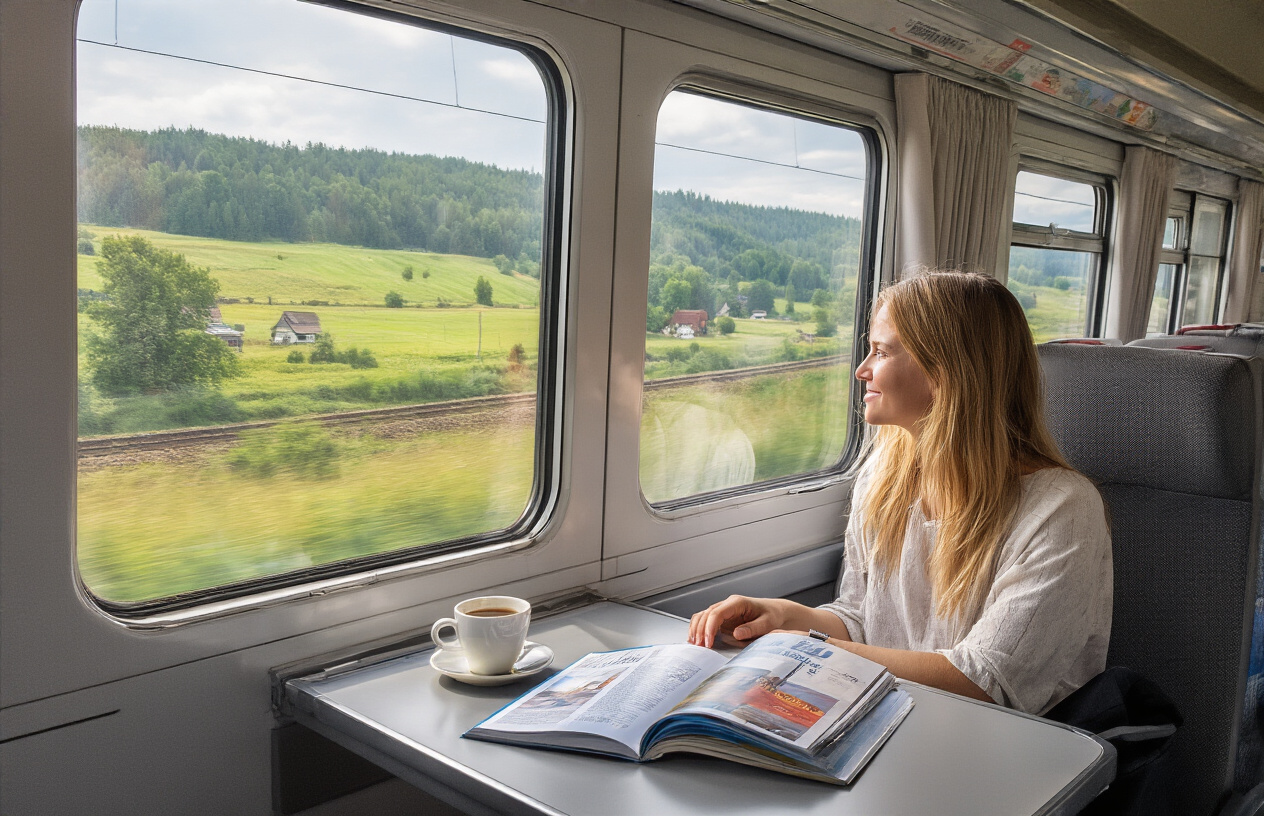
Poland train travel on Intercity express services is genuinely pleasant. Seats are clean, air-conditioned, and well-maintained. Express trains carry a bistro car where you can grab hot meals, sandwiches, and coffee at reasonable prices. Bring snacks for regional routes, as dining options get limited there.
Staying Connected with Wi-Fi and Power Outlets
On Express InterCity (EIC) and Express InterCity Premium (EIP) trains, free Wi-Fi is available throughout the journey — reliability varies but works well enough for browsing and messaging. Power outlets sit beneath most seats, so keeping your devices charged is easy. On slower regional trains, don't count on either, so download offline maps and entertainment before boarding.
Essential Tips for a Smooth Rail Experience
Arriving Early to Avoid Missed Connections
Give yourself at least 15–20 minutes before departure, especially at busy hubs like Warsaw Centralna. Polish trains board quickly, and platforms can change last minute—keep an eye on departure boards.
Handling Delays and Disruptions Like a Pro
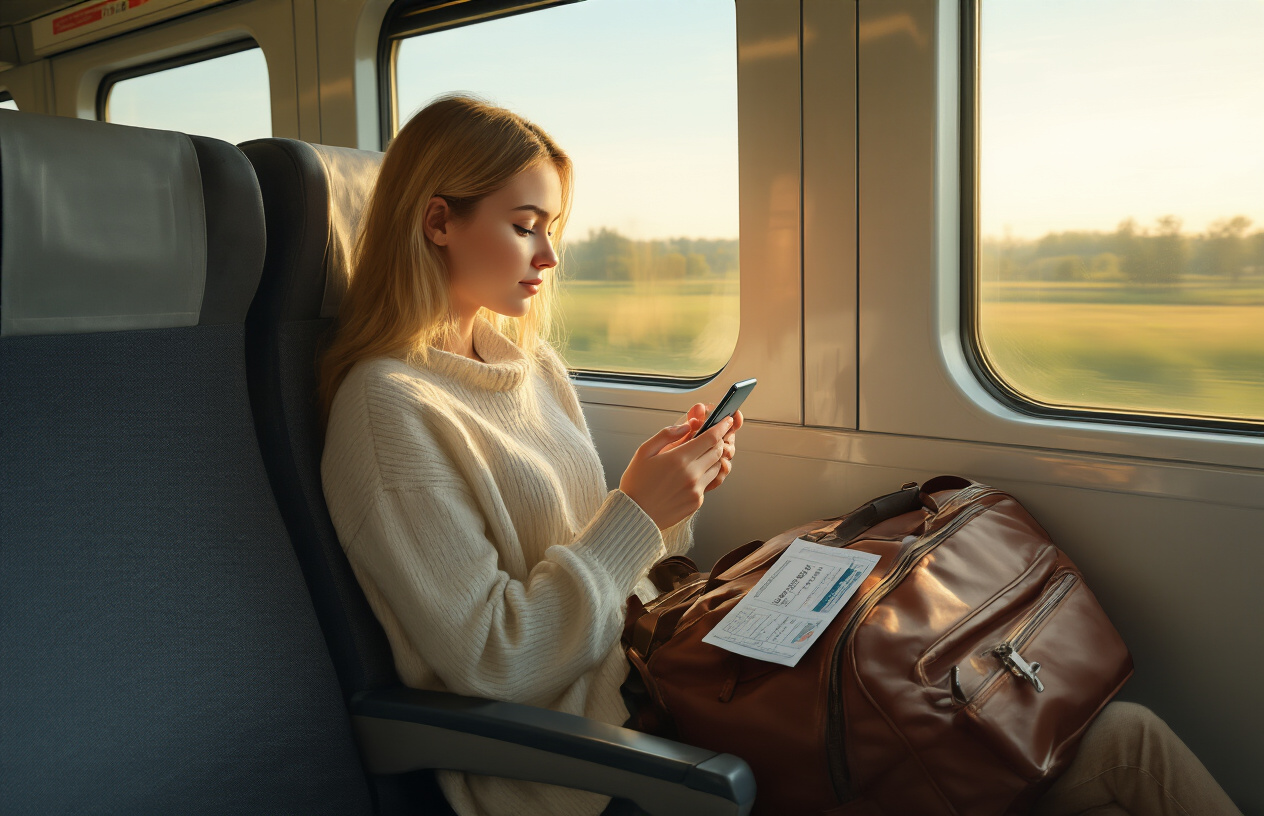
Download the PKP Intercity app before your trip. It sends real-time updates and shows alternative connections if your train runs late. Regional trains (operated by Koleje Mazowieckie or similar) tend to have more delays than intercity services, so build buffer time into your itinerary.
Language Tips for Non-Polish Speaking Travelers
Major stations have English signage, and PKP Intercity staff on express routes usually speak basic English. Key phrases worth knowing:
| Polish | English |
|---|---|
| Peron | Platform |
| Odjazdy | Departures |
| Przyjazdy | Arrivals |
| Bilet | Ticket |
Google Translate's camera mode handles Polish signs surprisingly well.
Staying Safe and Keeping Belongings Secure
Poland train travel is generally safe. Keep bags in overhead racks within your sight and use luggage locks on longer overnight routes.
Best Times of Year to Travel by Train in Poland
Summer (June–August) is peak season—book tickets early. Spring and early autumn offer fewer crowds and pleasant weather, making them the sweet spot for exploring Poland's best train routes comfortably.
Traveling Poland by train is honestly one of the best decisions you can make as a visitor. The rail network connects you to stunning cities, charming towns, and hidden gems across the country — all without the stress of driving or the expense of flying. From figuring out PKP Intercity to grabbing your tickets ahead of time, a little preparation goes a long way in making your journey smooth and enjoyable.
The key things to remember? Book your tickets early, especially for popular routes, get familiar with the major stations before you arrive, and keep a few backup plans handy just in case. Pack some snacks, download an offline map, and lean into the experience — train travel in Poland is not just a way to get from A to B, it's part of the adventure itself. So go ahead, grab that ticket, find your seat, and let the Polish countryside roll by your window.
Post a Comment