
Portugal Gets 300 Days of Sun a Year. Here's What That Actually Means for You.
If you've been searching for the best sunny countries to live in, Portugal keeps coming up — and for good reason. With around 300 days of sunshine a year, the Portugal sunny climate isn't just a fun fact to drop at dinner parties. It quietly shapes everything: how people spend their days, how healthy they feel, and why so many remote workers and expats are packing their bags and heading west.
This post is for anyone seriously thinking about moving to Portugal, planning an extended stay, or just trying to understand what makes this country such a draw. We'll break down how all that sunshine feeds Portugal's outdoor lifestyle, what the real health benefits of living in a sunny climate look like day-to-day, and why the Portugal remote work lifestyle has become a legitimate life upgrade for so many people. We'll also look at how Portugal's sun drives its tourism economy and wrap up with practical tips you can actually use.
No fluff. Just the stuff worth knowing.
Understanding Portugal's 300 Days of Sun
What the "300 Days of Sun" Statistic Really Means
Portugal's sunny climate doesn't mean 300 consecutive cloudless days. The figure reflects the average number of days per year where sunshine is the dominant weather condition — meaning partial cloud cover still counts. In Lisbon, you're looking at roughly 2,800 sunshine hours annually. In the Algarve, that number climbs past 3,000.
Which Regions Get the Most Sunshine Year-Round
Not all of Portugal basks equally. The south soaks up the most rays:
| Region | Avg. Sunshine Hours/Year | Best Season |
|---|---|---|
| Algarve | 3,000+ | Year-round |
| Lisbon | ~2,800 | Spring–Autumn |
| Porto | ~2,400 | Summer |
| Madeira | ~2,200 | Year-round |
| Azores | ~1,700 | Summer |
The Algarve is the undisputed sunshine capital, while Porto has milder, wetter winters but gorgeous summers.
How Portugal Compares to Other European Destinations
When stacking Portugal against popular European spots, the numbers speak clearly:
| Country | Avg. Sunshine Hours/Year |
|---|---|
| Portugal | 2,500–3,000 |
| Spain | 2,400–2,900 |
| Italy | 2,000–2,500 |
| France | 1,700–2,000 |
| Germany | ~1,500 |
For anyone exploring the best sunny countries to live in, Portugal consistently ranks at the top of the European list.
How the Sun Shapes Portugal's Outdoor Lifestyle
Year-Round Outdoor Dining and Cafe Culture
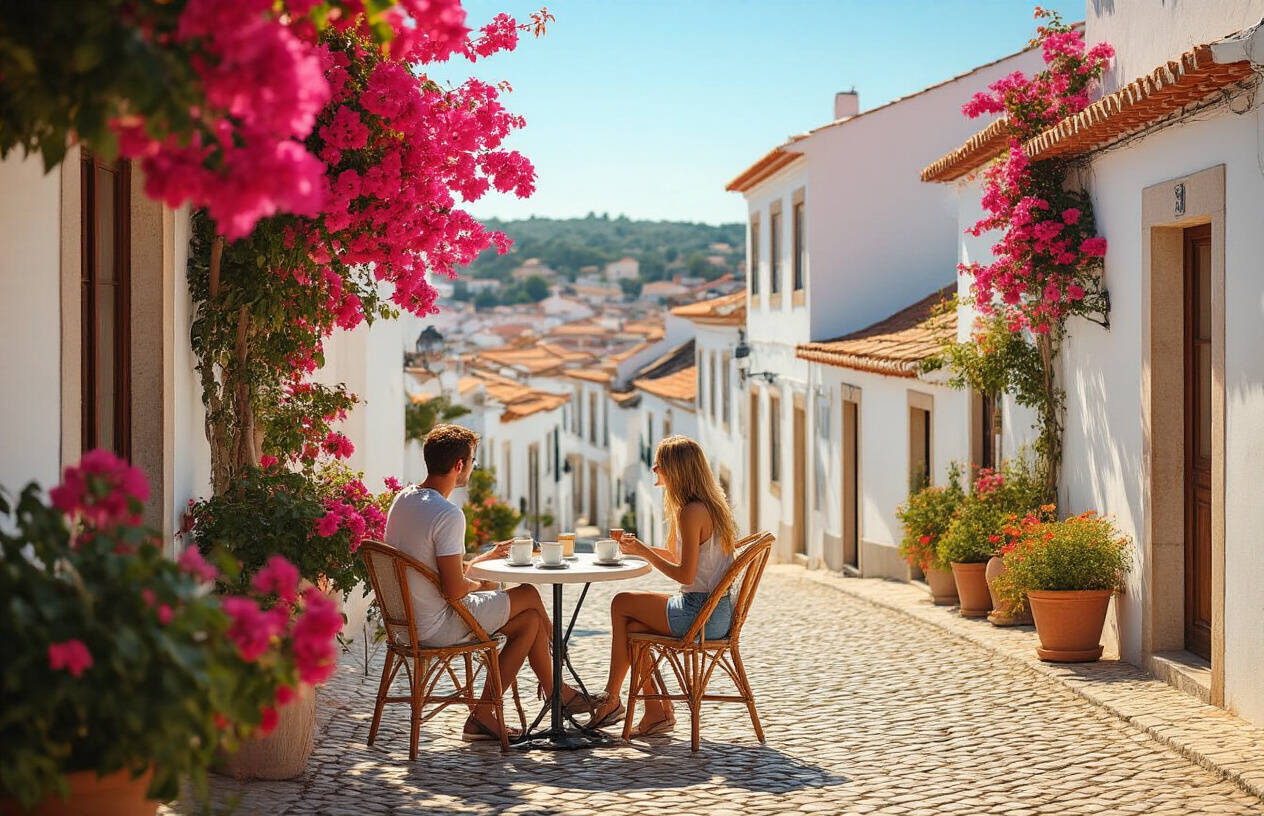
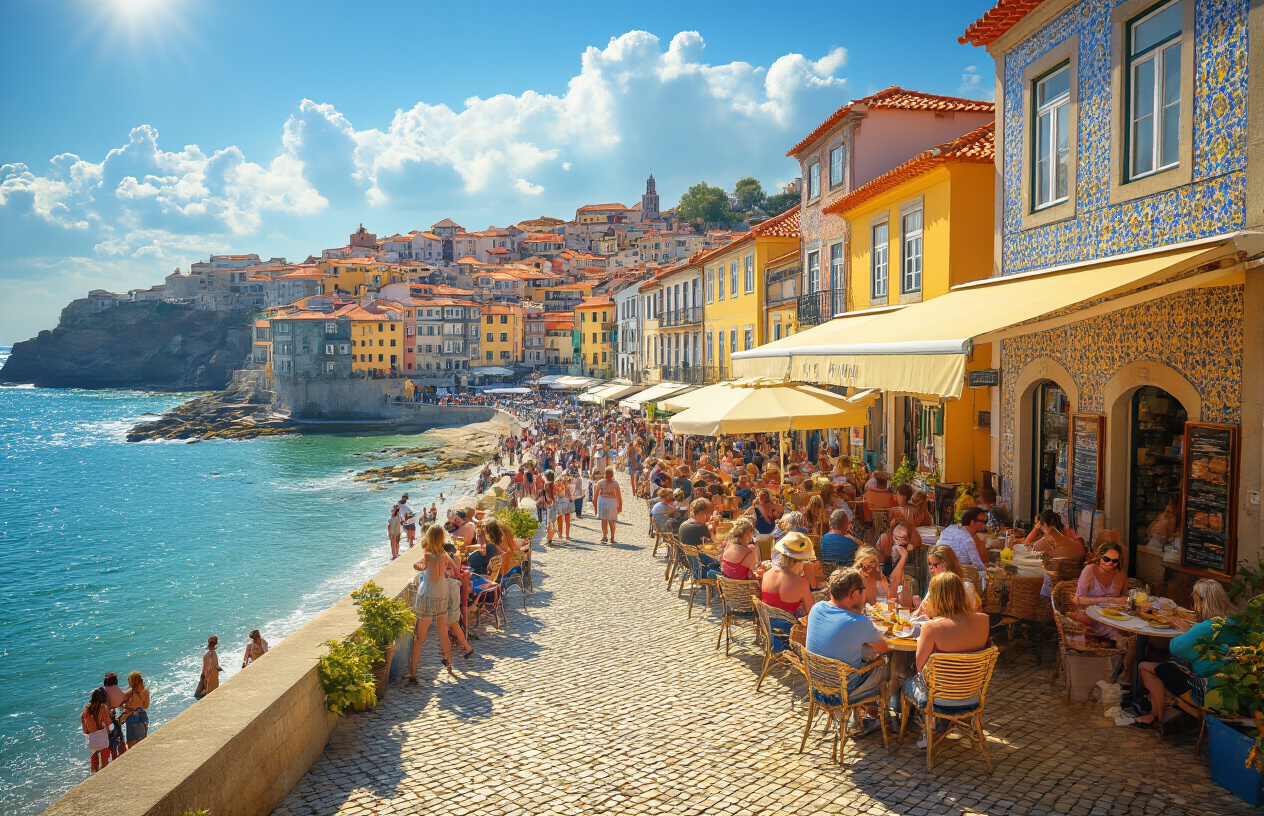
Portugal's sunny climate turns eating out into a daily ritual rather than a weekend treat. Lisbon and Porto are packed with esplanadas — open-air terraces — where locals linger over coffee and pastéis de nata in January just as comfortably as in July. The predictable warmth means restaurants invest heavily in outdoor seating, creating a vibrant street-level energy that feels alive every single day.
Thriving Beach and Water Sports Scene
With 300 days of sun and over 800km of Atlantic coastline, Portugal has built one of Europe's most exciting water sports scenes. Nazaré draws big-wave surfers from around the world, while the Algarve offers calmer conditions perfect for paddleboarding, kayaking, and sailing. The extended sunny season keeps these activities accessible well beyond summer.
Hiking and Nature Exploration Without Weather Worries
From Sintra's misty hilltops to the dramatic trails of the Douro Valley, Portugal's landscapes reward outdoor explorers. The Portugal outdoor lifestyle is built around the confidence that a planned hike rarely gets rained out. Parks like Peneda-Gerês offer stunning terrain that's genuinely walkable most of the year.
Festivals and Open-Air Events That Run All Year
Open-air concerts, food markets, and cultural festivals aren't just summer affairs here. Santos Populares fills Lisbon's streets in June, but outdoor events run straight through autumn, reflecting how deeply the sunny climate shapes everyday Portuguese life.
The Health and Wellbeing Benefits of Living in a Sunny Climate
Increased Vitamin D Levels and Physical Health Gains
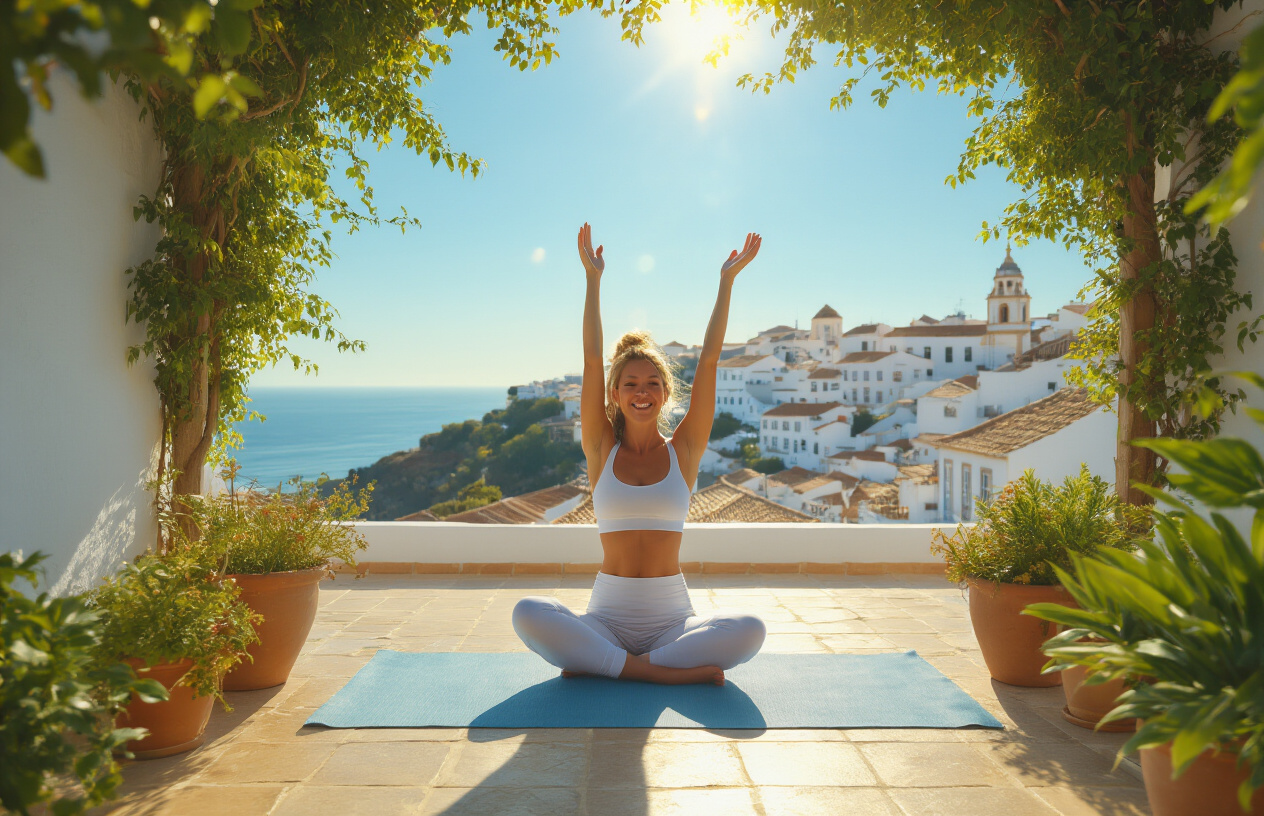
Portugal's sunny climate delivers something most northern Europeans are chronically short on — vitamin D. With around 300 days of sunshine annually, your body gets consistent, natural exposure that supports bone density, immune function, and cardiovascular health. Studies consistently link higher vitamin D levels to reduced risks of certain cancers, diabetes, and autoimmune conditions. Living in Portugal means these benefits come built into your daily routine, not from a supplement bottle.
Positive Impact on Mental Health and Mood
Sunlight directly triggers serotonin production in the brain — the chemical responsible for feelings of calm and happiness. Countries with long, dark winters see significantly higher rates of seasonal depression. Portugal's abundance of light keeps that cycle at bay year-round. Expats who've relocated from places like the UK or Germany frequently describe a noticeable lift in mood within weeks of arriving.
How Sunshine Supports a More Active Daily Routine
When the weather is reliably good, getting outside stops feeling like a decision. Morning walks, cycling, swimming, and outdoor markets become effortless parts of daily life rather than scheduled activities. This passive encouragement of movement has real long-term health payoffs — lower obesity rates, better sleep, and reduced stress. Portugal's outdoor lifestyle isn't a perk; it quietly rewires how you live.
Why Sunshine Makes Portugal a Smart Choice for Remote Workers and Expats

Boosted Productivity in a Pleasant Climate
Sunshine does something real to your mood and focus. Working from a sun-drenched café in Lisbon or a terrace in the Algarve beats staring out at grey skies any day. Natural light keeps energy levels steady, and the Portugal remote work lifestyle naturally blends deep work sessions with rewarding outdoor breaks.
Lower Cost of Living Compared to Other Sunny Countries
| Country | Avg. Monthly Cost (Single Person) |
|---|---|
| Portugal | ~€1,500–€2,000 |
| Spain | ~€1,800–€2,300 |
| Italy | ~€2,000–€2,500 |
| Australia | ~€2,800–€3,500 |
Living in Portugal as an expat gives you a sunny climate without the hefty price tag attached to other warm destinations.
Strong Expat Community Built Around the Outdoor Lifestyle
Portugal has quietly built one of Europe's most welcoming expat networks. From weekend surf groups to hiking clubs and rooftop meetups, the Portugal outdoor lifestyle is the glue that holds these communities together. Making friends here feels easy.
Portugal's Digital Nomad Visa Opens the Door
Launched in 2022, Portugal's Digital Nomad Visa lets remote workers live legally in the country if they earn at least four times Portugal's minimum wage. It's one of the most accessible routes into a best sunny countries to live in list — with real structure behind it.
How Portugal's Sun Drives Its Thriving Tourism and Economy
Year-Round Travel Demand Keeps the Economy Steady
Portugal's tourism economy doesn't hibernate in winter the way many European destinations do. The Portugal sunny climate keeps visitors coming in January almost as readily as July. Lisbon, Porto, and the Algarve consistently rank among Europe's most visited cities, and that steady footfall keeps hotels, restaurants, and local businesses financially healthy all year long. Portugal tourism economy figures reflect this — tourism contributes roughly 15% of GDP, a number that keeps climbing.
Sunshine Fuels the Wine, Agriculture, and Food Industry
The same sun that draws tourists also grows world-class produce. Portugal's 300 days of sun create ideal conditions for olive groves, cork oak forests, and vineyards producing wines like Vinho Verde and Douro reds. Alentejo's golden plains thrive under relentless summer heat, making Portugal one of Europe's top olive oil producers. This agricultural richness feeds both domestic consumption and strong export markets.
Growing Investment in Solar Energy and Sustainability
Portugal already generates a significant share of its electricity from renewables, and solar is rapidly expanding that share. The country regularly breaks records for solar energy output, attracting major green energy investments. For expats and businesses considering living in Portugal, this clean energy trajectory signals a forward-thinking, sustainable economy worth betting on.
Practical Tips for Making the Most of Portugal's Sunshine
Best Times of Year to Visit Each Region
| Region | Best Time to Visit | Highlights |
|---|---|---|
| Algarve | May–June, September | Warm but crowd-free beaches |
| Lisbon | April–June, September–October | Perfect weather, fewer tourists |
| Porto | June–August | Warmest, festival season |
| Alentejo | Spring & Autumn | Wildflowers, harvest season |
| Madeira | Year-round | Mild climate in every season |
How to Balance Sun Exposure Safely in a Hot Climate
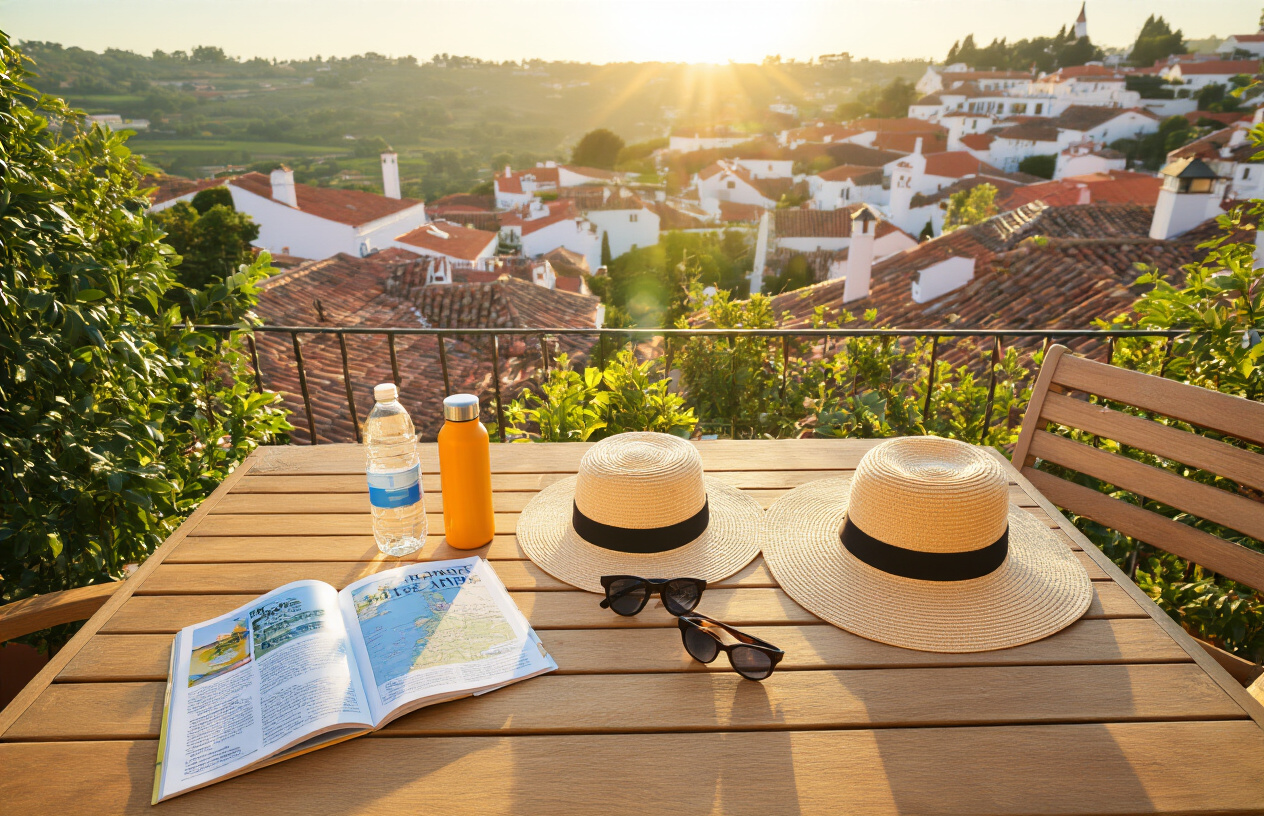
Portugal's sunny climate is genuinely wonderful, but the summer sun — especially in the Algarve and Alentejo — hits hard between noon and 3 PM. Wear SPF 30+ daily, hydrate constantly, and save outdoor adventures for the morning or late afternoon. Light, breathable clothing goes a long way. Locals structure their day around this naturally, which is exactly why the afternoon siesta culture makes so much sense.
Top Sun-Soaked Activities You Should Not Miss
-
Surfing the Atlantic swells along the Silver Coast or Ericeira
-
Wine tasting in sun-drenched Douro Valley vineyards
-
Hiking the Rota Vicentina coastal trail
-
Swimming in Algarve sea caves
-
Outdoor markets in Lisbon's Alfama district on warm evenings
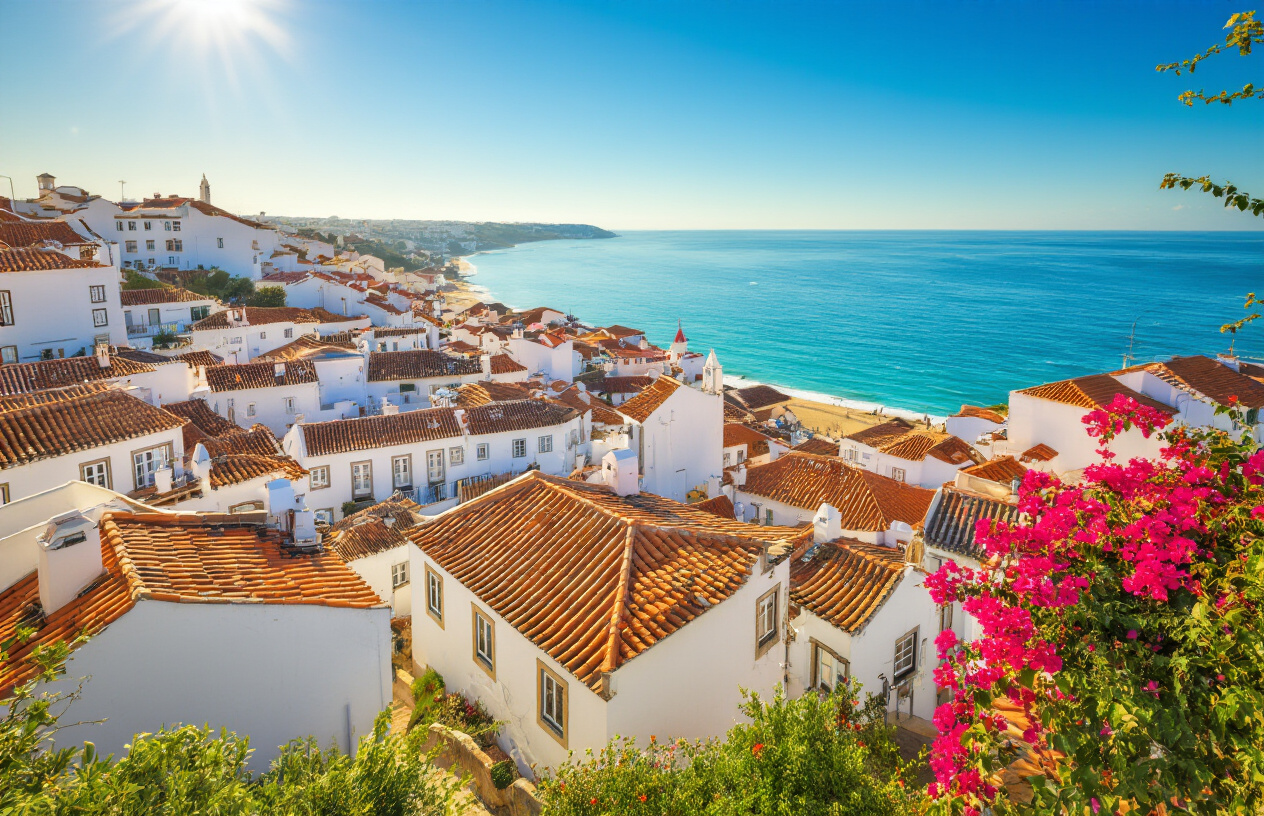
Portugal's sunshine isn't just a fun fact to drop at dinner parties — it genuinely shapes the way people live, work, and feel every single day. From the outdoor café culture and year-round beach trips to the very real mental and physical health boosts that come with consistent sunlight, the country's climate is a huge part of what makes it such a magnetic place to be. Add to that the growing appeal for remote workers and expats chasing a better quality of life, and it's easy to see why so many people are making the move.
If you've been sitting on the fence about visiting or relocating to Portugal, let the sun tip the scales. Plan your days around the light, get outside as much as possible, and soak up everything this sun-drenched country has to offer. Those 300 days aren't just good weather — they're an invitation to live a little differently.
Post a Comment