
Planning Your First Trip to Saudi Arabia? Start Here.
Saudi Arabia has gone from a nearly closed-off destination to one of the most exciting places to visit in the Middle East — and if you've been thinking about going, now is genuinely a great time to make it happen.
This Saudi Arabia travel guide is for first-timers who want to plan smart, avoid rookie mistakes, and actually enjoy the trip without second-guessing every decision. Whether you're a solo traveler, a couple, or someone who just saw a Riyadh reel on Instagram and thought "wait, can I actually go there?" — yes, you can, and it's more straightforward than you'd think.
Here's what we'll walk through together:
-
When to go — the best time to visit Saudi Arabia so you're not melting in 45°C heat
-
How to get in — Saudi Arabia visa requirements broken down in plain language
-
Where to go and what it'll cost — top Saudi Arabia tourist destinations and a realistic look at your Saudi Arabia travel budget
By the end, you'll have a clear Saudi Arabia itinerary for beginners and the confidence to book that flight.
Understand the Best Time to Visit Saudi Arabia
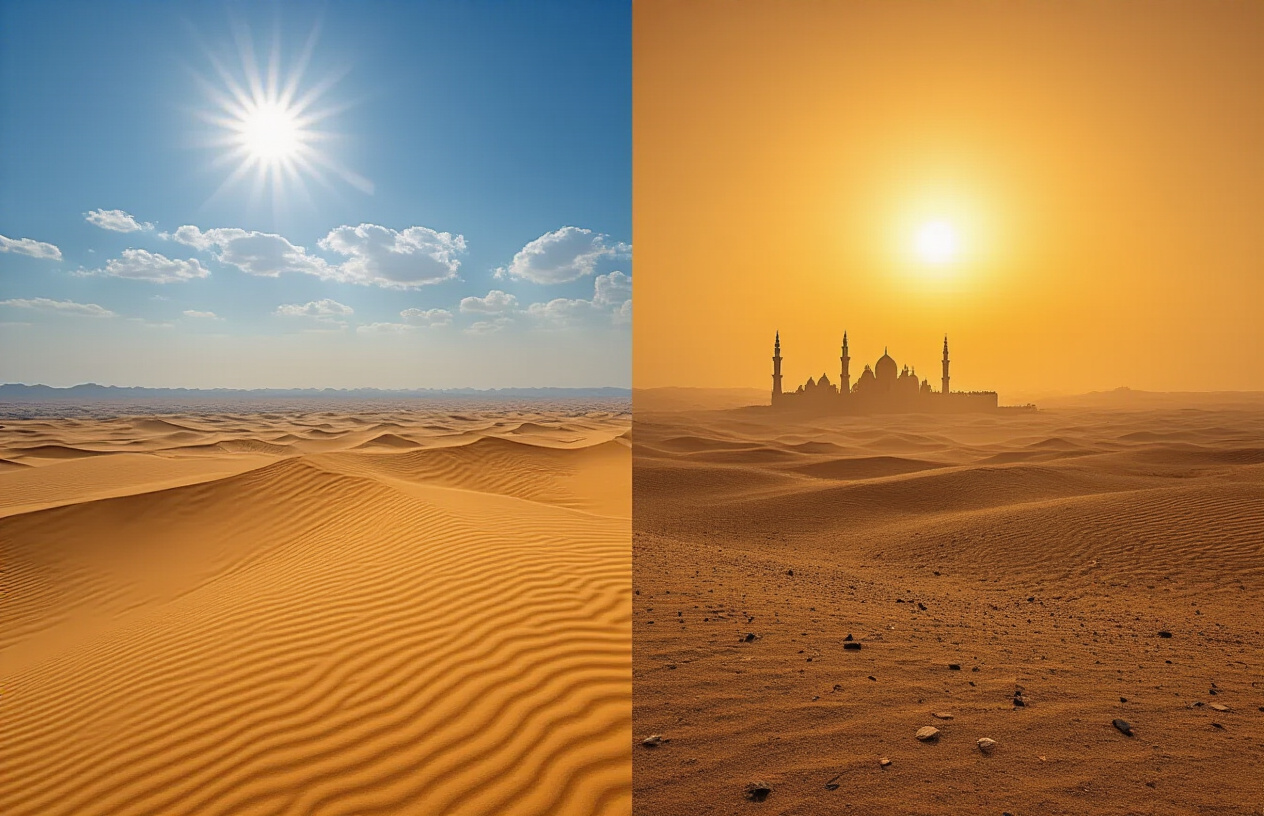
Discover the Ideal Weather Seasons for Comfortable Travel
The best time to visit Saudi Arabia is between October and April, when temperatures stay pleasant (15–30°C). Summer months (June–August) bring extreme heat, often exceeding 45°C, making outdoor sightseeing uncomfortable—especially in cities like Riyadh and Jeddah.
| Season | Months | Temperatures | Travel Experience |
|---|---|---|---|
| Winter | Nov–Feb | 10–25°C | Best for sightseeing |
| Spring | Mar–Apr | 20–32°C | Great for desert trips |
| Summer | Jun–Aug | 35–45°C+ | Avoid if possible |
| Autumn | Sep–Oct | 25–35°C | Decent with early mornings |
Plan Around Major Holidays and Religious Events
Ramadan significantly shapes daily life—restaurants close during daylight hours, and business hours shift. While experiencing Ramadan has its own charm, factor in slower services. Eid Al-Fitr and Eid Al-Adha bring nationwide celebrations but also packed attractions and higher hotel prices.
Take Advantage of Peak and Off-Peak Travel Periods
-
Peak season (Nov–Feb): Expect higher accommodation costs but ideal weather
-
Shoulder season (Mar–Apr, Oct): Good weather with fewer crowds and better deals
-
Off-peak (May–Sep): Lowest prices, but brutal heat limits exploration significantly
Navigate Saudi Arabia's Visa and Entry Requirements
Apply for the Right Visa Type for Your Trip
Saudi Arabia's tourist e-visa makes planning your first trip much simpler than it used to be. Citizens from over 50 countries can apply online through the official Visit Saudi portal in minutes. Here's a quick breakdown:
| Visa Type | Best For | Duration |
|---|---|---|
| Tourist e-Visa | Leisure travel | 90 days (1 year multiple entry) |
| Hajj/Umrah Visa | Religious pilgrimage | Trip-specific |
| Business Visa | Work-related visits | Varies |
The tourist visa costs around $130 USD and includes complimentary health insurance.
Meet Health and Vaccination Requirements Before You Fly
No mandatory vaccinations are required for most tourists, but the Saudi Ministry of Health recommends:
-
Routine vaccines – MMR, flu, COVID-19
-
Meningitis vaccine – required for Hajj/Umrah pilgrims
-
Carry any prescription medications in original packaging with a doctor's note
Understand Customs Rules to Avoid Entry Issues
Knowing Saudi Arabia's customs rules saves you from serious trouble at the border. Strictly prohibited items include:
-
Alcohol and pork products
-
Politically sensitive materials
-
Narcotics or non-prescribed medications
Declare cash amounts exceeding SAR 60,000. Respecting these rules keeps your entry smooth and stress-free.
Choose the Right Destinations for Your Itinerary
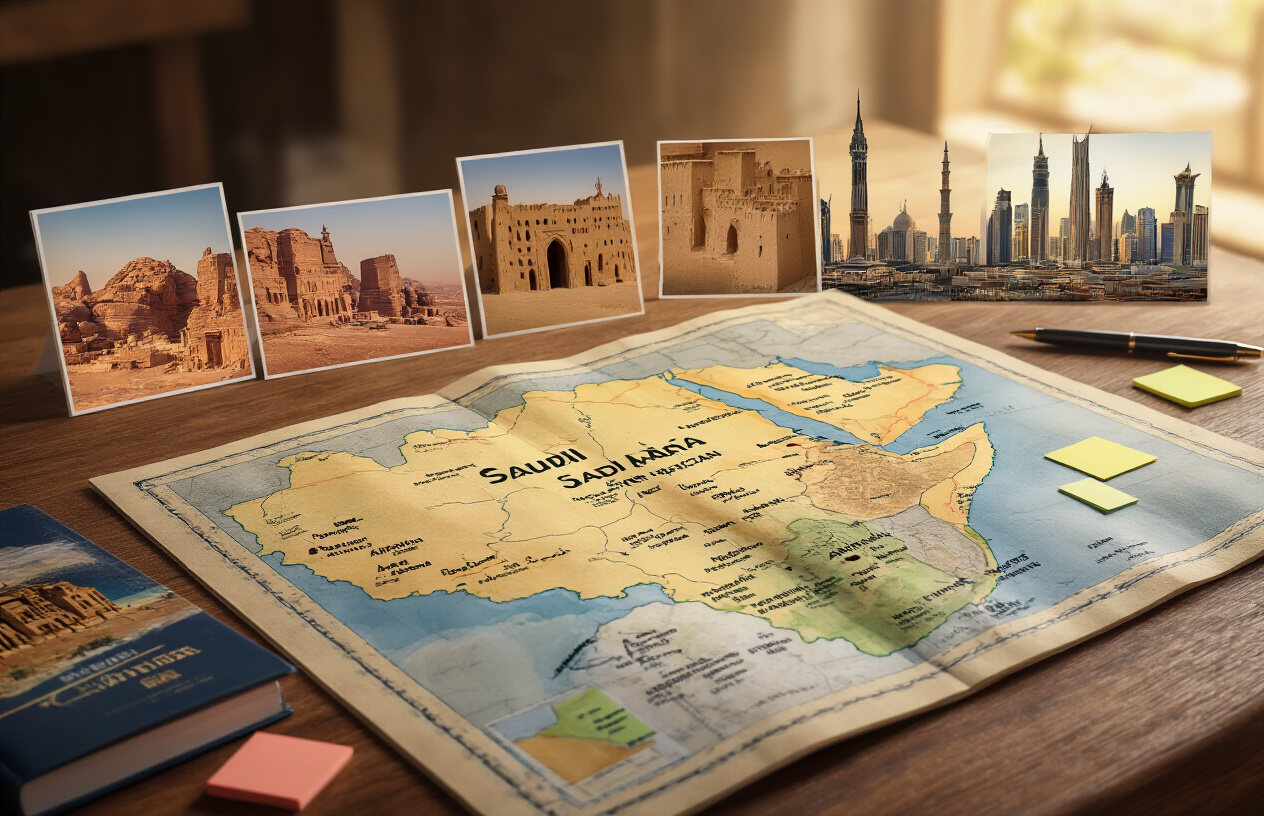
Explore the Cultural Highlights of Riyadh
Riyadh is a great starting point for any Saudi Arabia itinerary. Visit Diriyah, a UNESCO-listed mud-brick city that tells the story of Saudi Arabia's origins, or head to the National Museum for a deep dive into the country's history. The towering Kingdom Centre offers stunning city views from its sky bridge.
Uncover the Ancient Wonders of AlUla and Hegra
AlUla is arguably Saudi Arabia's most jaw-dropping destination. Hegra, the country's first UNESCO World Heritage Site, features over 100 Nabataean tombs carved directly into sandstone mountains. The landscape alone is worth the trip.
Experience the Coastal Charm of Jeddah and the Red Sea
Jeddah brings a relaxed, coastal energy that feels different from Riyadh. Wander through Al-Balad, the historic old town, browse colorful souks, and sample fresh seafood along the Corniche. Diving and snorkeling in the Red Sea here is world-class.
Visit the Spiritual Heart of Makkah and Madinah
-
Makkah and Madinah are open exclusively to Muslim travelers
-
Non-Muslims should plan alternative spiritual or heritage experiences
-
Both cities hold deep religious significance and require respectful behavior at all times
Plan Your Budget for a Smooth Trip
Estimate Accommodation Costs Across Different Comfort Levels
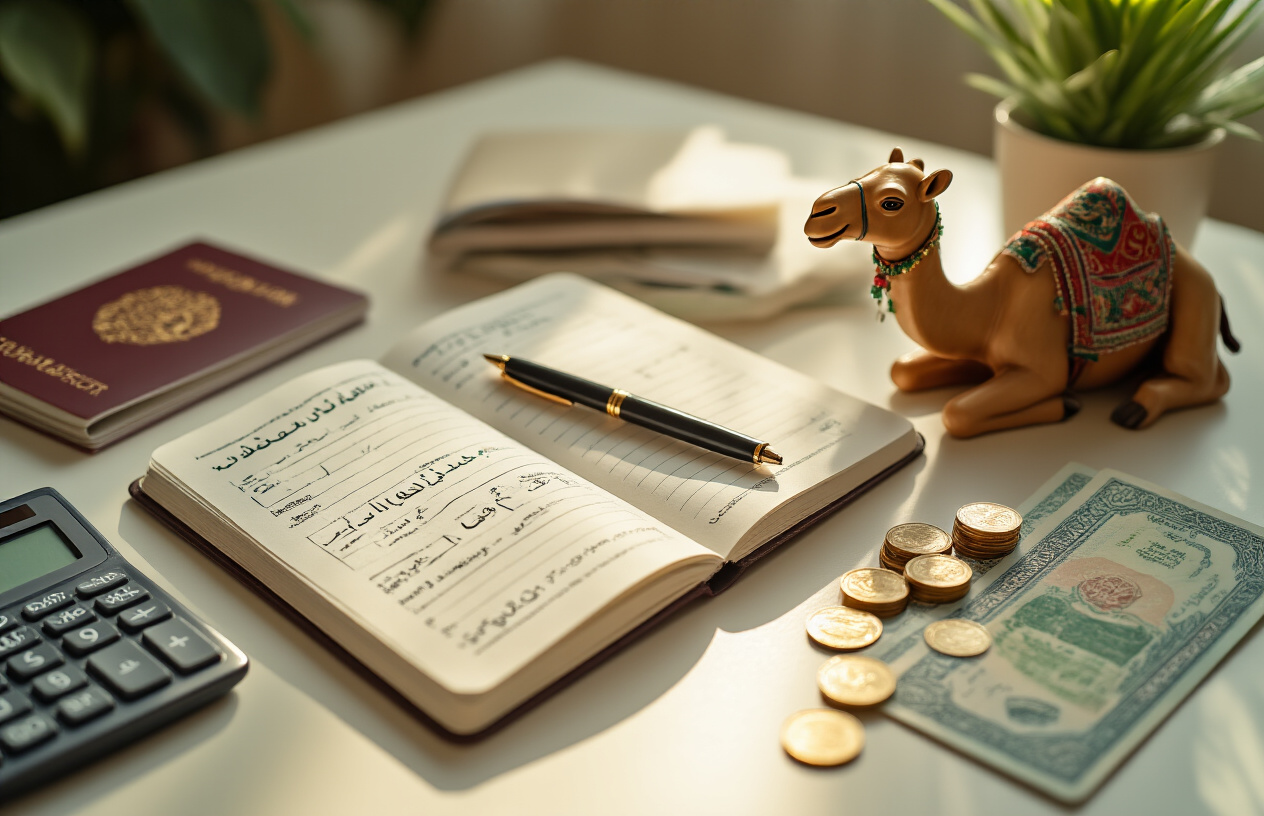
Saudi Arabia has options for every budget. Here's a quick breakdown:
| Accommodation Type | Average Cost Per Night |
|---|---|
| Budget hostels/guesthouses | $20–$50 |
| Mid-range hotels | $80–$150 |
| Luxury hotels & resorts | $200–$500+ |
Riyadh and Jeddah tend to be pricier than smaller cities. Booking in advance through platforms like Booking.com or Hotels.com often gets you better deals.
Budget Smartly for Food, Transport, and Activities
Your Saudi Arabia travel budget stretches nicely when you eat local. A meal at a casual restaurant runs $5–$10, while upscale dining can hit $50+. Ride-hailing apps like Uber and Careem are affordable and widely available — budget around $5–$15 per ride within cities.
Daily budget snapshot:
-
Meals: $15–$40
-
Local transport: $10–$25
-
Activities/entrance fees: $10–$30
Identify Free and Low-Cost Attractions to Save Money
Plenty of Saudi Arabia's best experiences cost nothing:
-
Al-Ula old town walkways are free to explore
-
Corniche promenades in Jeddah and Dammam
-
Historic Diriyah district strolling (paid tours optional)
-
Public beaches along the Red Sea coast
-
Local souks for atmosphere and people-watching
Respect Local Laws and Cultural Norms
Dress Appropriately to Show Respect and Avoid Issues
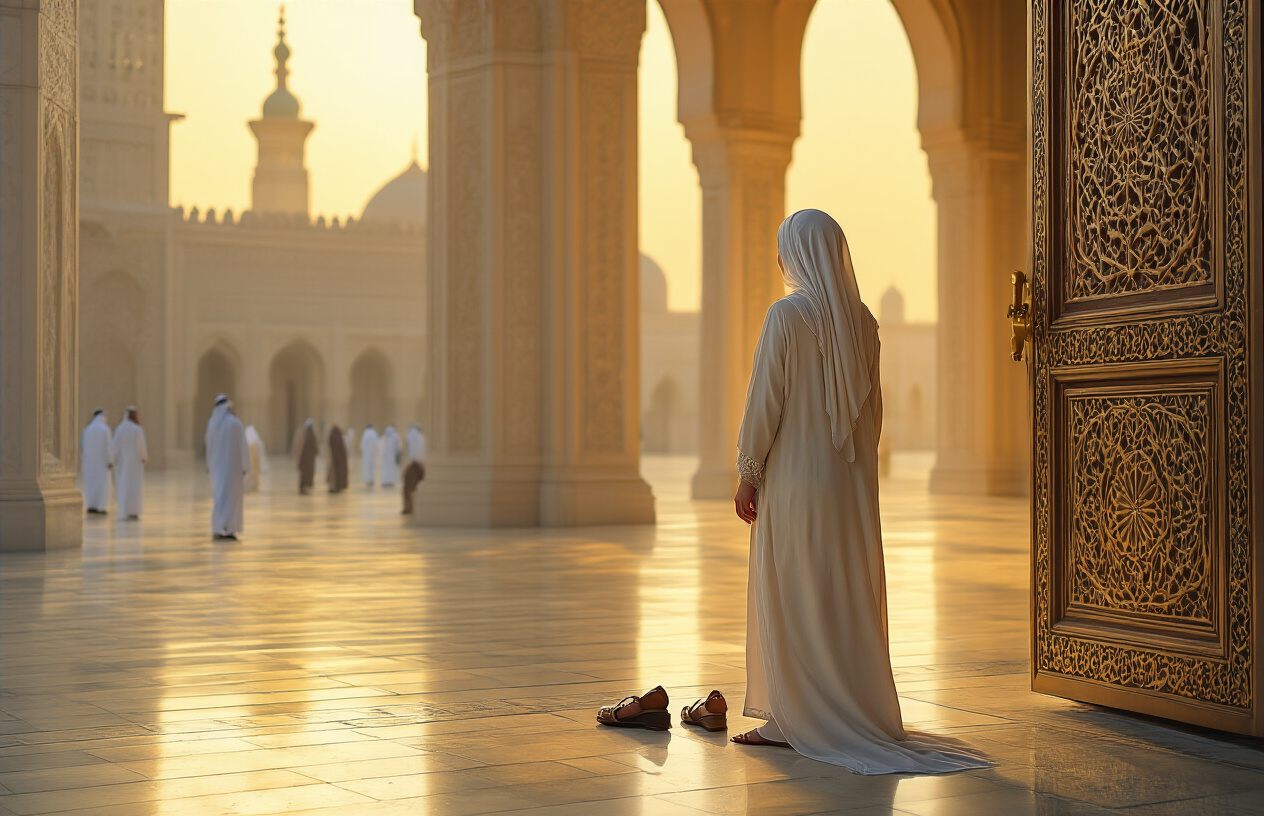
Saudi Arabia cultural norms around clothing are straightforward once you know them:
-
Women should cover shoulders, arms, and knees in public. A loose abaya is widely appreciated, though not always legally required for tourists.
-
Men should avoid shorts in religious sites and conservative areas.
-
Swimwear stays at the pool or beach — not on city streets.
Follow Rules Around Public Behavior and Social Etiquette
-
Public displays of affection are frowned upon and can attract unwanted attention.
-
Friday is a holy day — expect reduced hours at shops and restaurants.
-
Photography of government buildings, palaces, and people (especially women) without permission is a hard no.
-
Greet locals with "As-salamu alaykum" — it goes a long way.
Understand Alcohol and Food Restrictions During Your Stay
Alcohol is completely banned in Saudi Arabia — no exceptions for tourists. During Ramadan, eating, drinking, or smoking in public during daylight hours is off-limits. Pork products are also unavailable. Most restaurants are halal, and the food scene is genuinely impressive.
Learn Key Arabic Phrases to Connect with Locals
| Phrase | Meaning |
|---|---|
| Shukran | Thank you |
| Min fadlak | Please |
| La afham | I don't understand |
| Bikam hatha? | How much is this? |
A little effort with Arabic opens doors instantly.
Get Around Saudi Arabia With Ease

Choose the Best Domestic Transport Options for Your Route
Getting around Saudi Arabia is easier than most first-timers expect. Here's a quick look at your main options:
| Transport Type | Best For | Notes |
|---|---|---|
| Domestic flights | Long distances (Riyadh to Jeddah) | Affordable via Saudia, flyadeal, Flynas |
| SAPTCO buses | Budget intercity travel | Comfortable but slower |
| Train (SAR) | Riyadh–Dammam corridor | Reliable and scenic |
Book domestic flights early — prices spike during Hajj and school holidays.
Rent a Car to Explore Remote and Scenic Areas
A rental car is your best friend for reaching places like AlUla's sandstone formations, Asir's mountain villages, or the Empty Quarter's edges. Roads are well-maintained, fuel is cheap, and driving is straightforward once you're outside city centers.
-
International driving licenses are accepted
-
GPS works reliably across most regions
-
Gas stations are plentiful on major highways
Avoid driving in Riyadh or Jeddah during rush hours — traffic gets intense.
Use Ride-Hailing Apps for Convenient City Travel
Inside cities, skip the rental car entirely. Uber and Careem both operate widely across Saudi Arabia, with clear pricing and English-language interfaces. Taxis exist but are harder to flag down and less consistent on pricing. Ride-hailing is genuinely the smoothest option for day-to-day city exploring.
Planning your first trip to Saudi Arabia might feel overwhelming at first, but breaking it down into manageable steps makes the whole process much smoother. From picking the right time to visit and sorting out your visa to choosing destinations that match your travel style and setting a realistic budget, every detail you plan ahead saves you stress on the road. Knowing how to get around and understanding the local culture and laws will also help you feel confident and comfortable throughout your trip.
Saudi Arabia has so much to offer — ancient history, stunning landscapes, and a hospitality culture that genuinely makes you feel welcome. Now that you have a solid roadmap to work with, it's time to start putting your itinerary together. Book that flight, pack your bags, and get ready for an adventure that will surprise you in the best possible way.
Post a Comment