
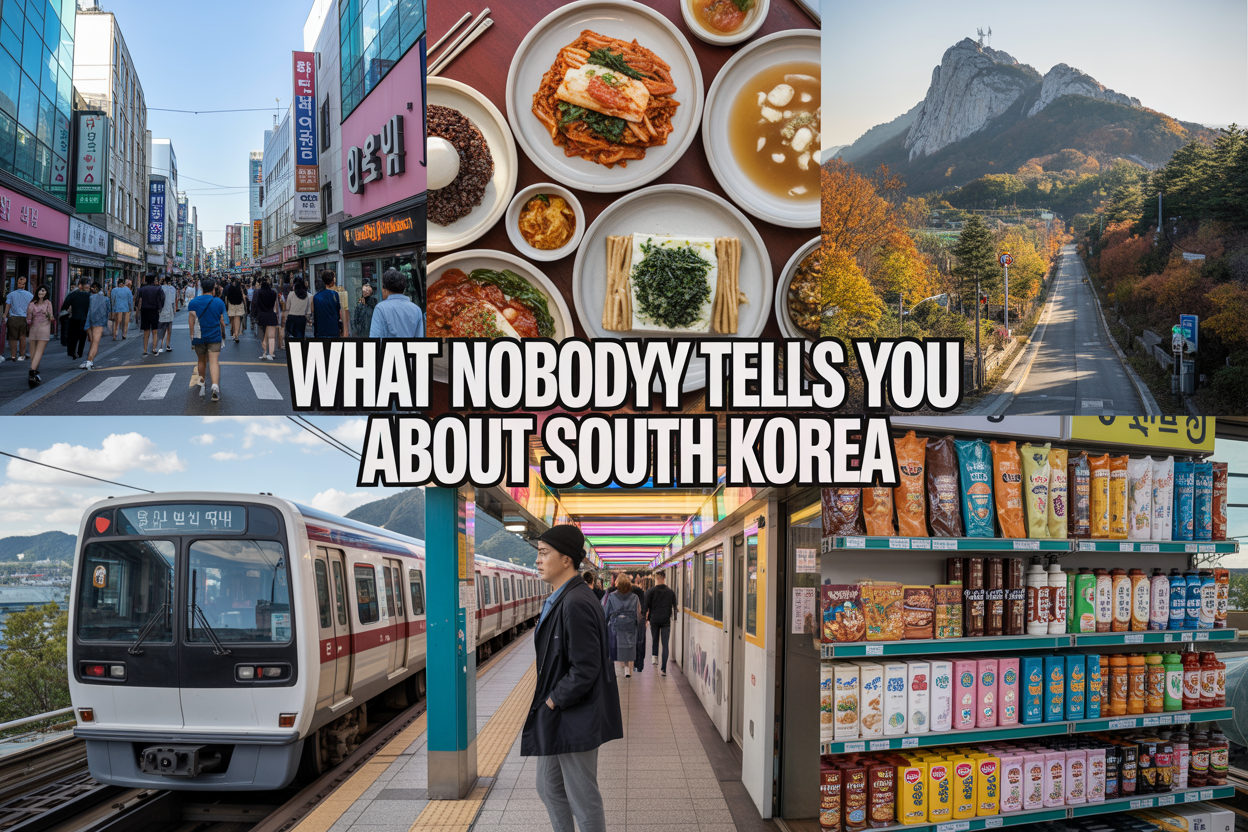
10 Things Nobody Tells You Before Visiting South Korea
Planning your first trip to South Korea? You've probably already looked up the best cafés in Seoul, saved a dozen K-drama filming locations, and maybe even downloaded a translation app. But there's a whole layer of everyday reality that most travel guides skip right over — and showing up unprepared can make your trip way more stressful than it needs to be.
This guide is for first-time visitors to South Korea who want to go beyond the highlight reel and actually understand how the country works on the ground. No fluff, just the real stuff.
We'll walk you through things like Korean dining etiquette (yes, there are actual rules, and locals notice when you break them), why South Korea's public transportation system will genuinely change how you think about getting around a city, and how seasonal timing can completely reshape your entire experience depending on when you go.
Read this before you book your flights. Your future self will thank you.
Cash Is Still King in Many Places
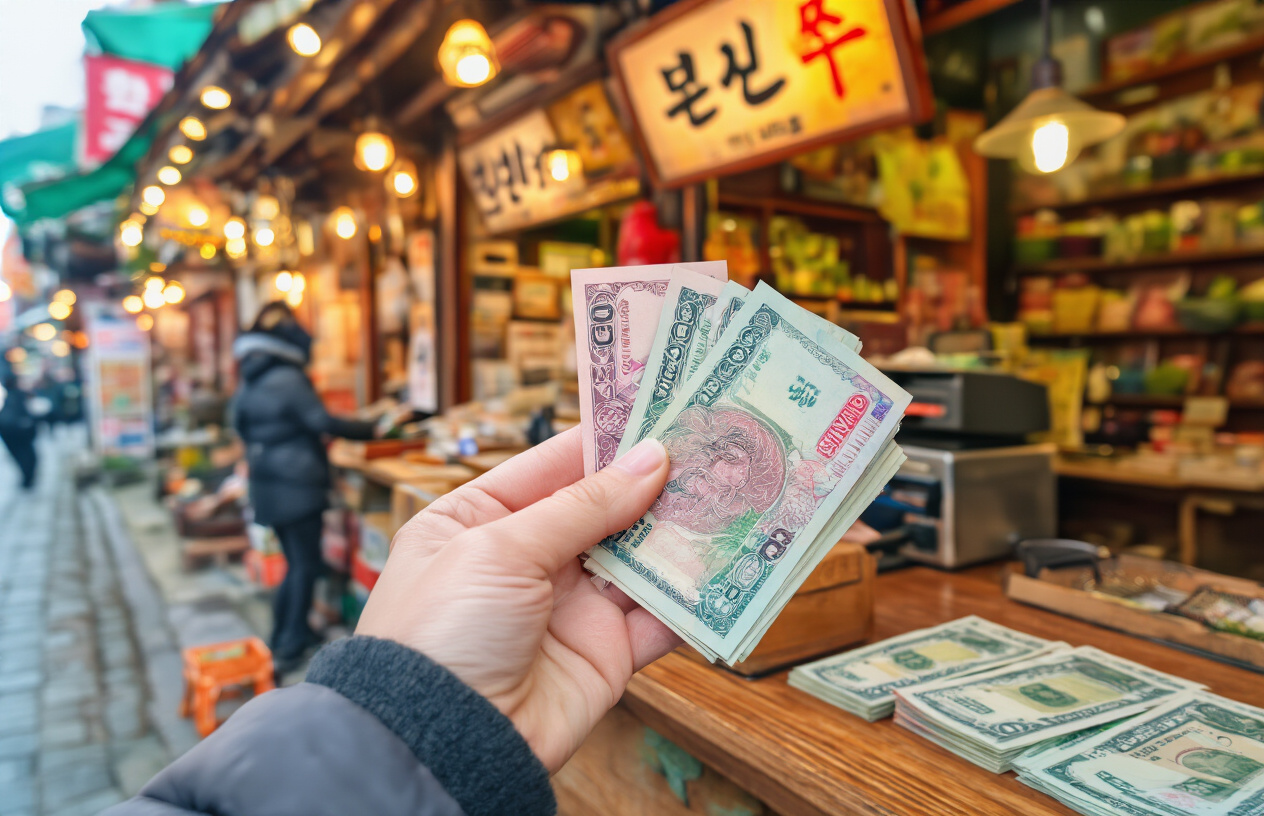
Why Some Local Markets and Street Stalls Only Accept Cash
Plenty of vendors at traditional markets like Gwangjang or Namdaemun simply don't bother with card machines — the transaction fees aren't worth it for small purchases. Street food pojangmacha stalls and some family-run restaurants operate the same way. Always keep some won on hand, especially when wandering off the tourist trail. A South Korea travel guide won't always warn you about this, but it catches first-time visitors off guard constantly.
How to Find the Best Currency Exchange Spots
Skip the airport counters — the rates are poor. Head instead to:
| Location | Exchange Quality |
|---|---|
| Myeongdong street exchangers | Excellent rates, competitive |
| Insadong area booths | Good rates, tourist-friendly |
| Bank branches | Reliable but slower |
| Airport counters | Convenient, but costly |
Tips for Using ATMs That Accept Foreign Cards
Not every ATM in South Korea works with foreign cards, which can be stressful. Your safest bets are:
-
Global ATMs inside GS25 or CU convenience stores
-
Korea Exchange Bank (KEB Hana) ATMs
-
Post office ATMs — widely available and reliably international-card friendly
Look for the "Global" label on the machine before inserting your card.
The Unwritten Rules of Korean Dining Etiquette
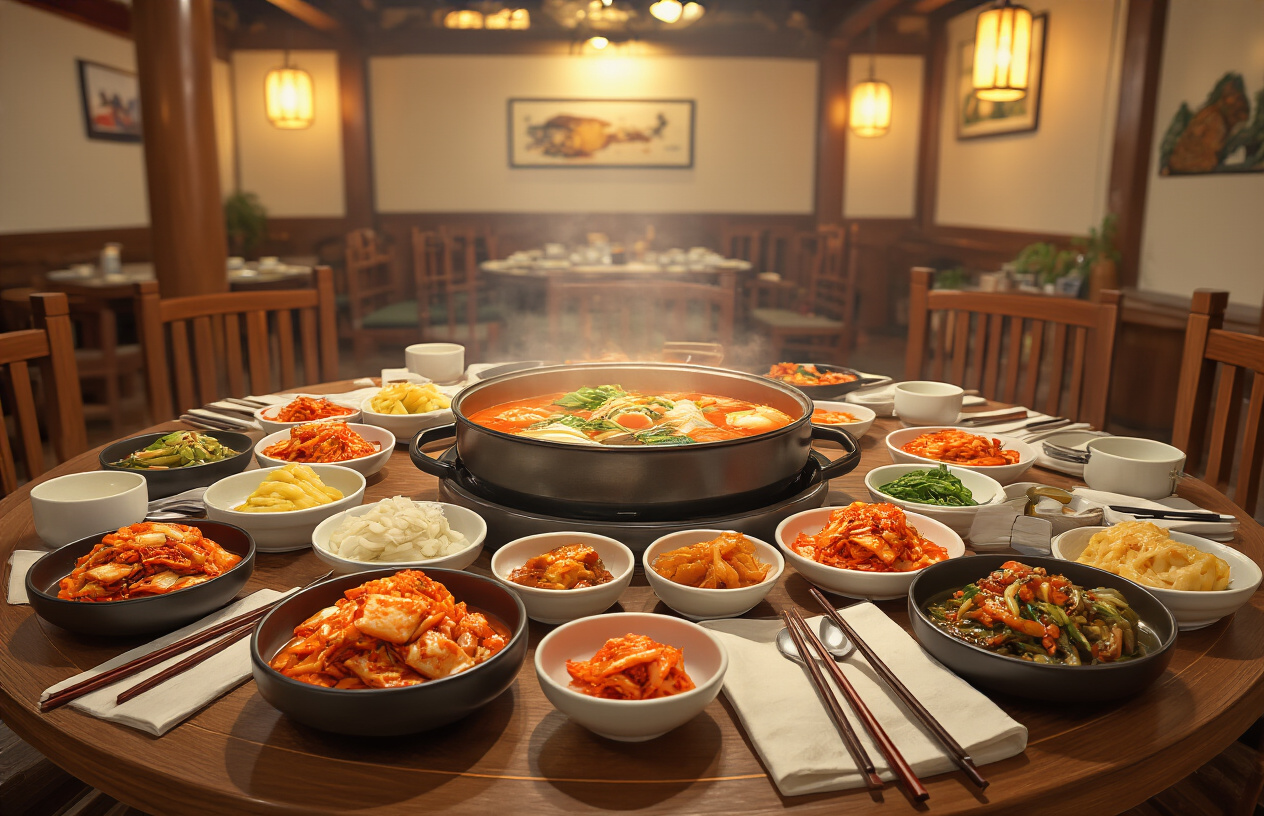
Why You Should Never Pour Your Own Drink
Pouring your own drink is considered rude in Korean culture. Always pour for others at the table first — especially elders — and let someone else refill your glass. This small gesture signals respect and togetherness, which are deeply woven into Korean dining culture.
How to Properly Use Chopsticks Without Offending Locals
Two things to avoid: sticking chopsticks upright in rice (associated with funeral rituals) and passing food chopstick-to-chopstick (another funeral reference). Rest them flat on the chopstick holder or edge of your bowl instead.
What to Expect With Shared Side Dishes at Every Meal
Every Korean meal comes with banchan — small shared side dishes like kimchi, pickled vegetables, and seasoned spinach. These are free and often refillable. Don't worry about finishing them. Eating directly from shared dishes is completely normal here, no individual plating needed.
Why Waiting for the Eldest Person to Eat First Matters
Korean dining follows a clear respect hierarchy. The eldest person at the table eats first — you wait until they've taken their first bite before starting yours. It's a quiet but meaningful show of respect that locals genuinely notice and appreciate.
Public Transportation Will Change the Way You Travel
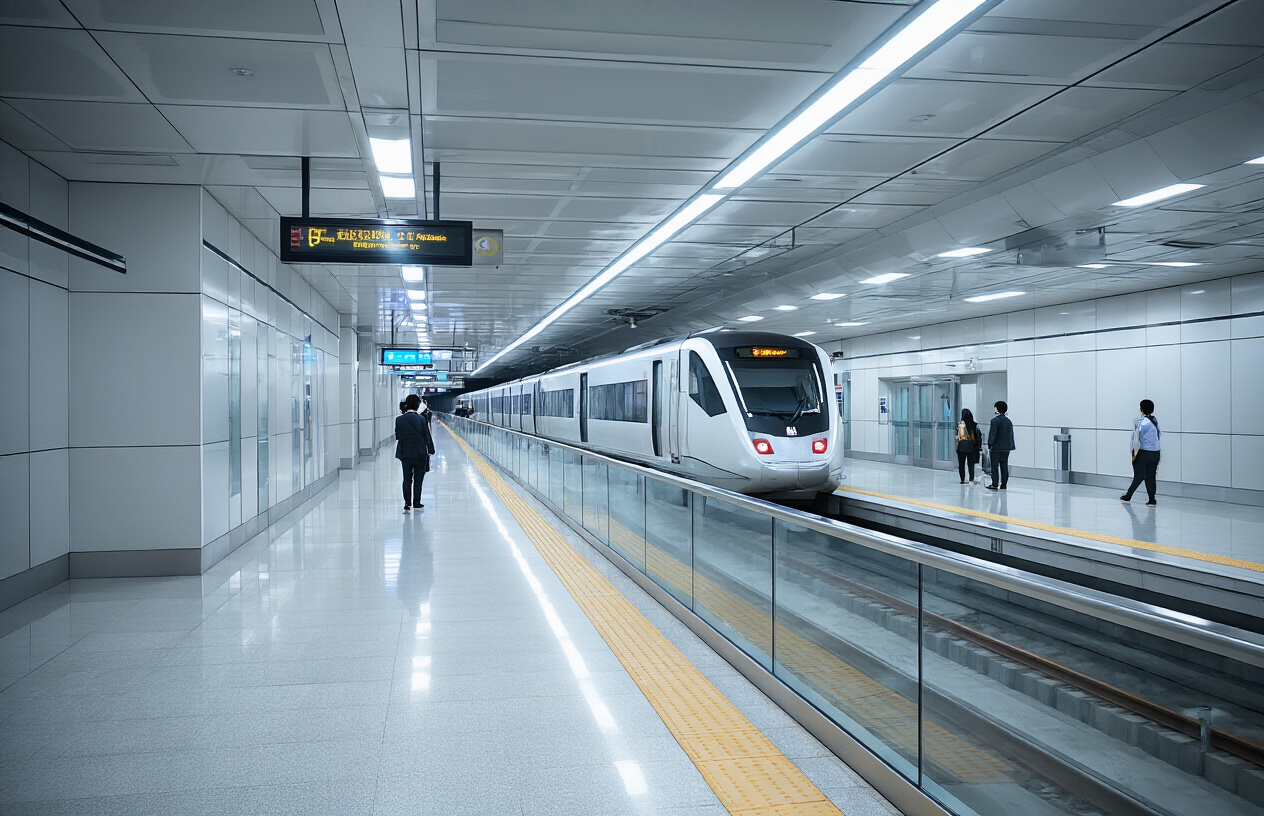
How the T-money Card Saves You Time and Money
Pick up a T-money card the moment you land — it's a rechargeable transit card that works on subways, buses, and even some taxis across South Korea. You'll pay slightly less per ride than buying individual tickets, and topping it up is dead simple at any convenience store or subway kiosk.
Why the Subway System Beats Taxis for Most Trips
Seoul's subway is one of the best in the world — clean, punctual, air-conditioned, and remarkably easy to navigate even if you don't read Korean. Station signs appear in English, and most trains have English announcements. Taxis are cheap by Western standards, but traffic in Seoul can be brutal, making the subway the faster and cheaper choice most of the time. South Korea public transportation genuinely sets a new benchmark.
How to Navigate Bus Routes Like a Local
Buses reach neighborhoods the subway doesn't, so learning the basics pays off. Download the Kakao Map or Naver Map app — both show real-time bus arrivals and walking directions. Color coding helps too:
| Bus Color | Route Type |
|---|---|
| Blue | Long-distance city routes |
| Green | Short, local neighborhood routes |
| Red | Express routes between cities |
| Yellow | Central district circulars |
Tap your T-money card on both boarding and exit for accurate fare calculation.
Korean Spice Levels Are No Joke
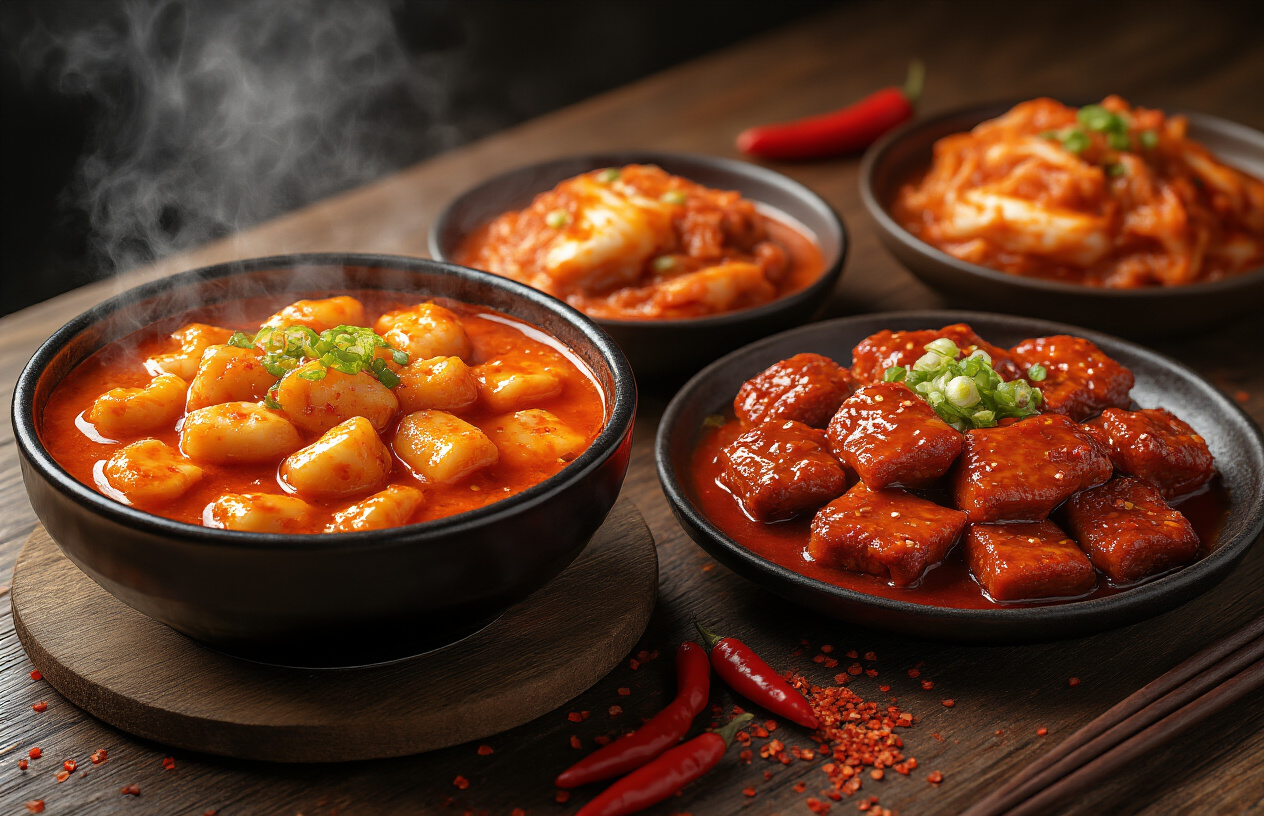
How to Identify Dishes That Will Genuinely Burn Your Mouth
Some Korean dishes are spicier than anything you've likely eaten before. Keep an eye out for these heat-heavy staples:
| Dish | Heat Level | What to Expect |
|---|---|---|
| Buldak (Fire Chicken) | 🔥🔥🔥🔥🔥 | Intense, lingering burn |
| Kimchi Jjigae | 🔥🔥🔥 | Deep, fermented heat |
| Tteokbokki | 🔥🔥🔥🔥 | Sweet but seriously fiery |
| Yukgaejang | 🔥🔥🔥🔥 | Slow-building spice |
Anything described as gochujang-based or labeled "spicy" on menus deserves real respect.
Why Asking for Less Spicy Food Does Not Always Work
Restaurants often prepare sauces and broths in large batches, so customizing spice levels mid-cook isn't always possible. Staff may genuinely try to help, but the dish might still arrive hot by most visitors' standards. Language gaps can also make the request unclear, even with translation apps.
Where to Find Delicious Non-Spicy Korean Alternatives
Plenty of Korean food is completely mild and absolutely worth trying:
-
Samgyeopsal – grilled pork belly, no heat
-
Japchae – sweet potato noodles, savory and gentle
-
Sundubu-jjigae (mild version) – soft tofu soup
-
Galbi – marinated short ribs, sweet rather than spicy
Convenience Stores Are Far More Useful Than You Expect
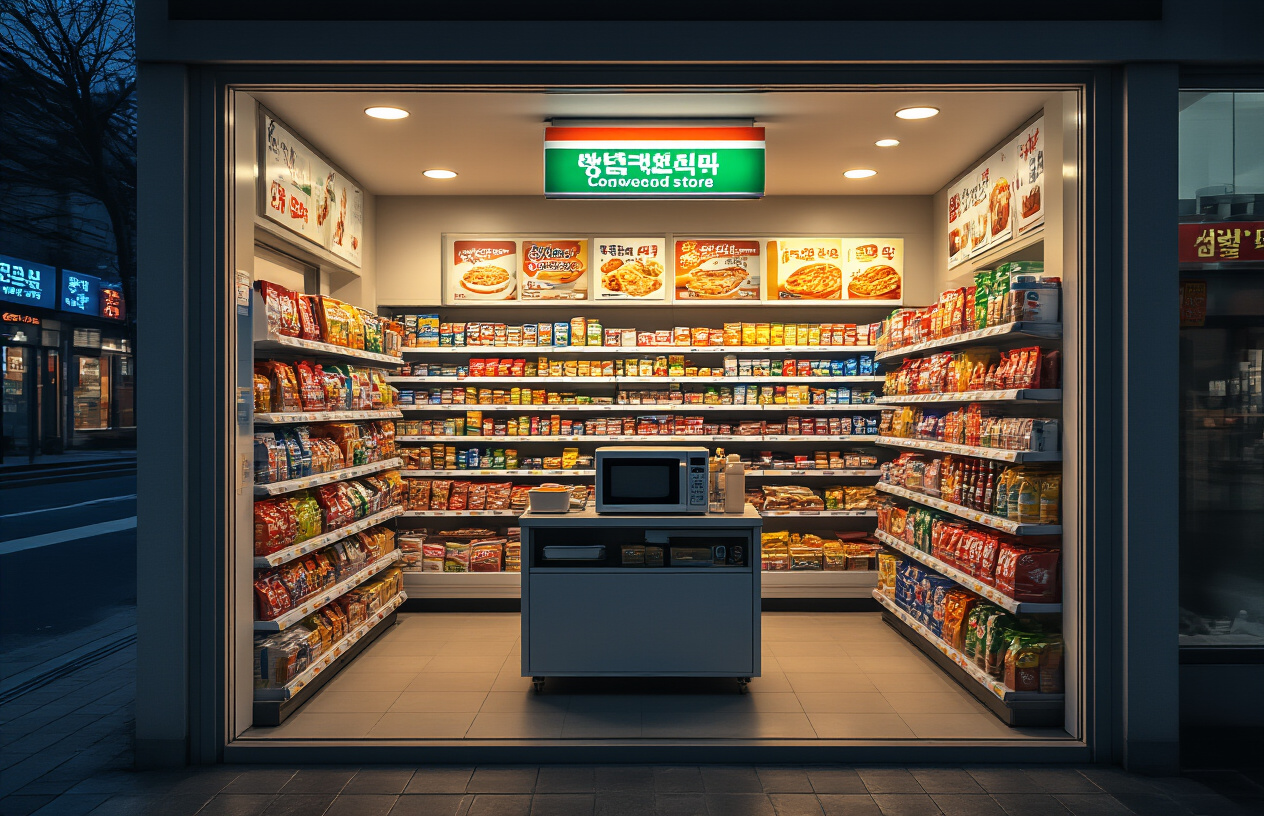
Why GS25 and CU Stores Replace Full Meals on a Budget
Korean convenience stores — mainly GS25, CU, and 7-Eleven — punch way above their weight. For under $5, you can build a genuinely satisfying meal from triangle kimbap, instant ramen cooked on-site, egg salad sandwiches, and hot fried snacks. As a South Korea travel tip, eating at convenience stores isn't a backup plan — it's a legitimate strategy.
How to Use Convenience Stores for Cheap Late-Night Dining
Most spots close early, but convenience stores run 24/7. Grab ramen, heat it up at the in-store station, and pair it with a cold Korean beer or banana milk. It's a beloved late-night routine for locals too.
What Useful Travel Supplies You Can Grab on the Go
| Item | Why It's Handy |
|---|---|
| T-money card top-up | Essential for public transportation |
| Portable chargers | Sold everywhere |
| Basic medicine | Painkillers, patches, antacids |
| Umbrellas & socks | Cheap and always available |
Why Store Seating Areas Are a Hidden Social Gem
Many stores have small outdoor or indoor seating areas. Locals gather here to eat, chat, and unwind at all hours. Pull up a stool — it's one of the most authentic slices of everyday Korean life you'll stumble across.
Koreans Take Skincare and Appearance Very Seriously
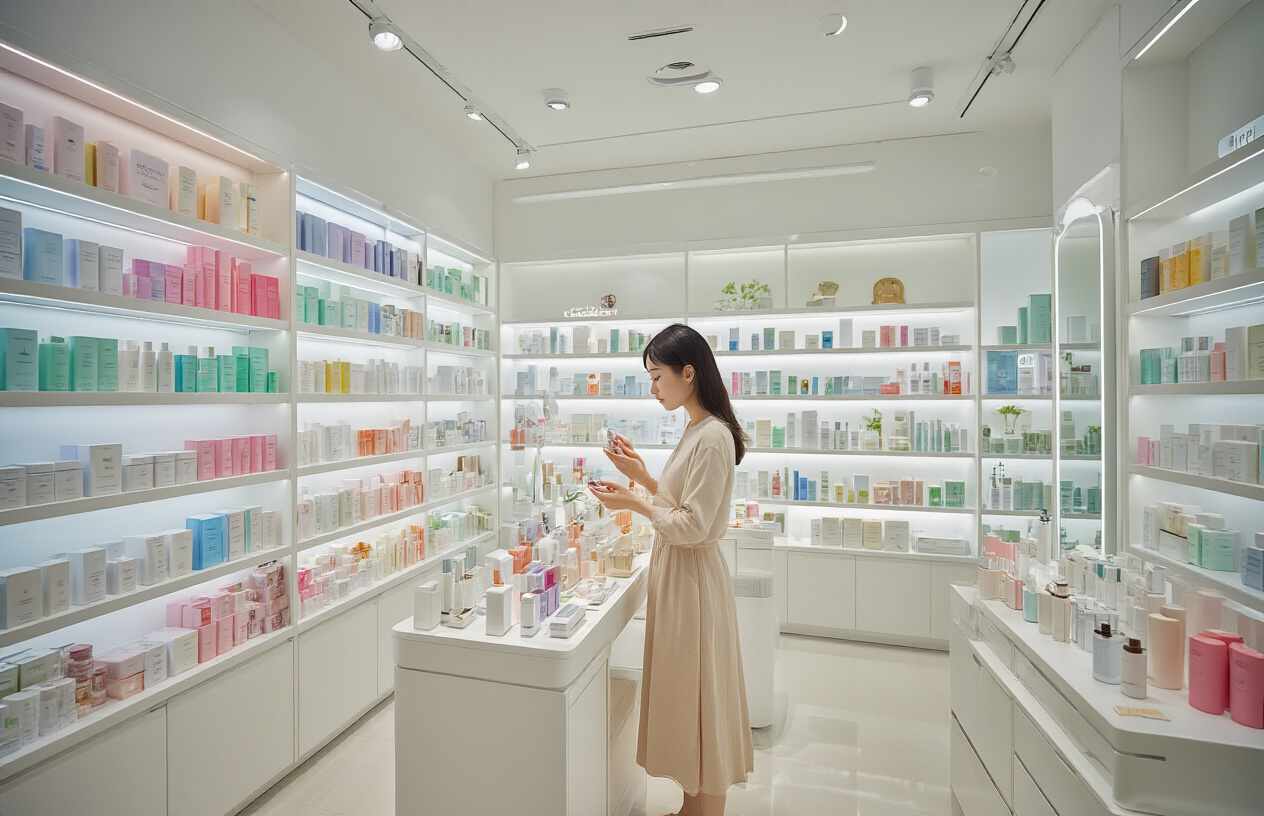
How Beauty Standards Influence Daily Culture and Conversations
Korean skincare culture runs deep — and as a visitor, you'll notice it almost immediately. Locals discuss skincare routines the way others talk about the weather. Clear, hydrated skin is genuinely admired, and people of all ages and genders take their appearance seriously. Don't be surprised if someone compliments your skin or asks about your routine within minutes of meeting you. It's not rude — it's just how conversations naturally flow here.
Why Drugstores Are Worth Hours of Your Shopping Time
Chains like Olive Young, Innisfree, and Tony Moly are practically tourist destinations on their own. They're packed with affordable, high-quality products you genuinely won't find back home at the same price or quality. Go with time to browse — you'll want it.
What Affordable Skincare Products to Bring Back Home
These are crowd favorites that are easy to pack and hard to resist:
| Product | Why It's Worth Buying |
|---|---|
| COSRX Snail Mucin Essence | Deeply hydrating, cult favorite worldwide |
| Laneige Lip Sleeping Mask | Overnight lip treatment that actually works |
| Some By Mi AHA/BHA Toner | Great for clearing skin texture |
| Innisfree Green Tea Serum | Lightweight, antioxidant-rich daily serum |
| Dr. Jart Cicapair Cream | Soothes redness beautifully |
Stock up — they're significantly cheaper here than abroad.
Hiking Culture Is a Major Part of Local Life
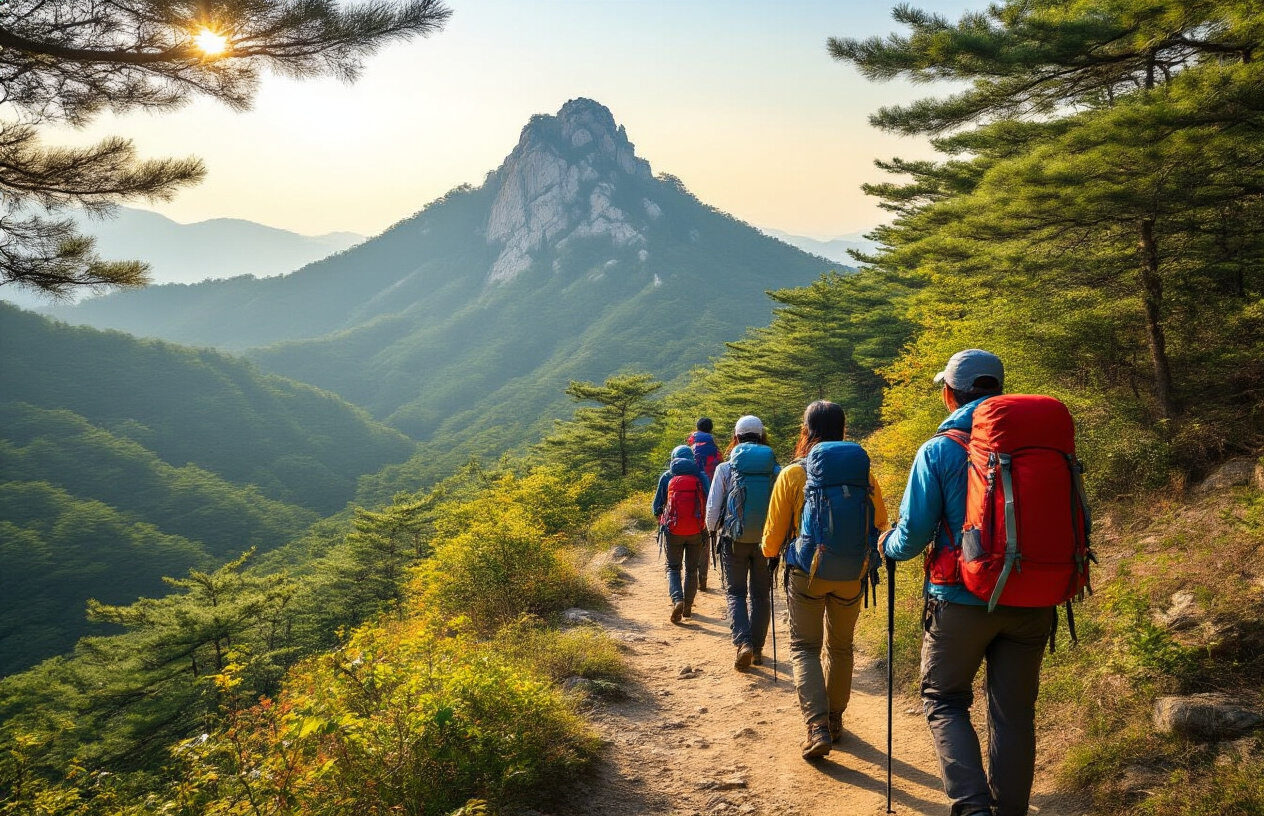
Why Koreans of All Ages Hit the Trails Every Weekend
Hiking isn't just a hobby in South Korea — it's practically a national ritual. Families, grandparents in full gear, and young couples all head to the mountains on weekends. Mountains hold deep cultural and spiritual significance, and getting outdoors is seen as essential for both physical health and mental reset.
How to Find Beginner-Friendly Trails Near Major Cities
Seoul alone has incredible options within city limits. Bukhansan, Inwangsan, and Namsan are all accessible by subway and offer manageable trails for first-timers. Apps like Naver Maps and KakaoMap show trail routes with difficulty ratings — very handy for South Korea travel planning.
What to Pack to Blend In With Seasoned Korean Hikers
Korean hikers dress to impress on the mountain. Think:
| Item | Why It Matters |
|---|---|
| Trekking poles | Almost everyone uses them |
| Moisture-wicking layers | Trails get steep fast |
| Snacks and water | Shops are rare mid-trail |
| Bright-colored gear | It's practically a fashion show |
Why Mountain Restaurants Are Worth the Climb Alone
Halfway up many Korean mountains, you'll find small huts selling makgeolli (rice wine) and pajeon (savory pancakes). Eating hot food with a mountain view after a tough climb hits differently — it's a moment most visitors never forget.
Language Barriers Are Manageable but Still Real
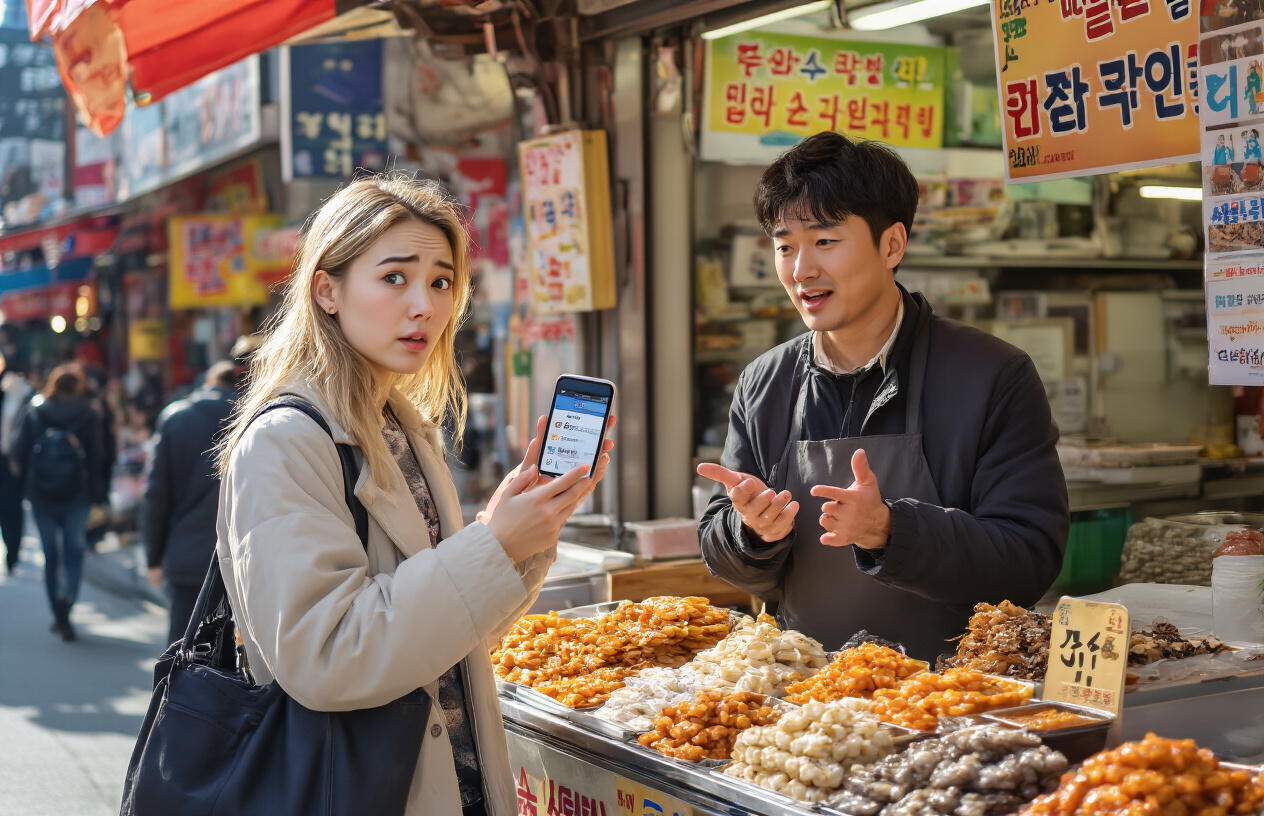
How Learning Five Key Korean Phrases Opens Doors Instantly
You don't need fluency to get by in South Korea. Just a handful of phrases goes a surprisingly long way. Master these before you land:
| Phrase | Meaning |
|---|---|
| 안녕하세요 (Annyeonghaseyo) | Hello |
| 감사합니다 (Gamsahamnida) | Thank you |
| 주세요 (Juseyo) | Please give me... |
| 얼마예요? (Eolmayeyo?) | How much is this? |
| 화장실 (Hwajangsil) | Bathroom |
These basics signal respect and genuine effort — which Koreans genuinely appreciate.
Why Translation Apps Are an Essential Travel Companion
Google Translate and Papago (a Korean-built app that's often more accurate locally) are must-haves. Papago handles menus, street signs, and casual conversation especially well. Download offline packs before you go — spotty Wi-Fi happens even in Seoul.
How Locals Respond Warmly When You Make an Effort
This is one of the best-kept South Korea travel tips: attempt even a single Korean word, and watch faces light up. Locals who seemed reserved will suddenly smile, help you order, or walk you to your destination personally. The effort matters far more than perfect pronunciation. That small gesture of respect transforms a transactional moment into a genuine human connection.
Tipping Is Not Expected and Can Even Cause Confusion
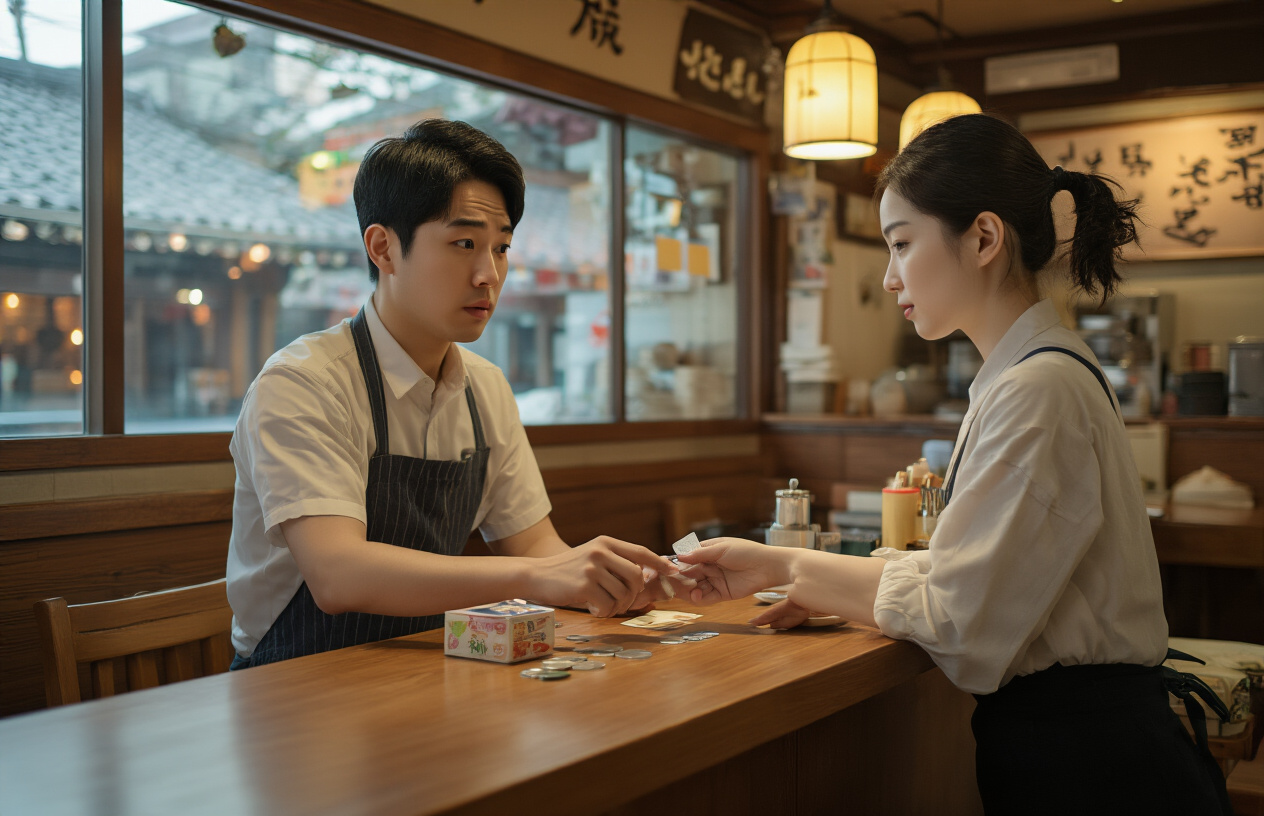
Why the No-Tipping Culture Reflects Deep Service Pride
In South Korea, excellent service isn't performed for extra cash — it's simply expected as the standard. Leaving a tip can actually feel offensive to some staff, as if you're implying they need charity or didn't earn their base pay properly. Korean service culture is rooted in a genuine sense of professional pride, where doing your job well is its own reward. This is one of those South Korea cultural tips that catches many Western visitors completely off guard.
How to Show Appreciation Without Leaving Money Behind
Skipping the tip doesn't mean you can't express gratitude — you just do it differently here.
| Way to Show Appreciation | Why It Works |
|---|---|
| A sincere bow and smile | Deeply respected in Korean culture |
| Saying "Gamsahamnida" (감사합니다) | Locals genuinely appreciate the effort |
| Leaving a positive online review | Hugely valued by small businesses |
| Returning to the same restaurant | Shows real loyalty and satisfaction |
| Eating everything on your plate | Signals the food was genuinely enjoyed |
A warm "thank you" in Korean goes much further than any extra bill ever could. Keep your won in your pocket and your manners sharp.
Seasonal Timing Dramatically Shapes Your Experience
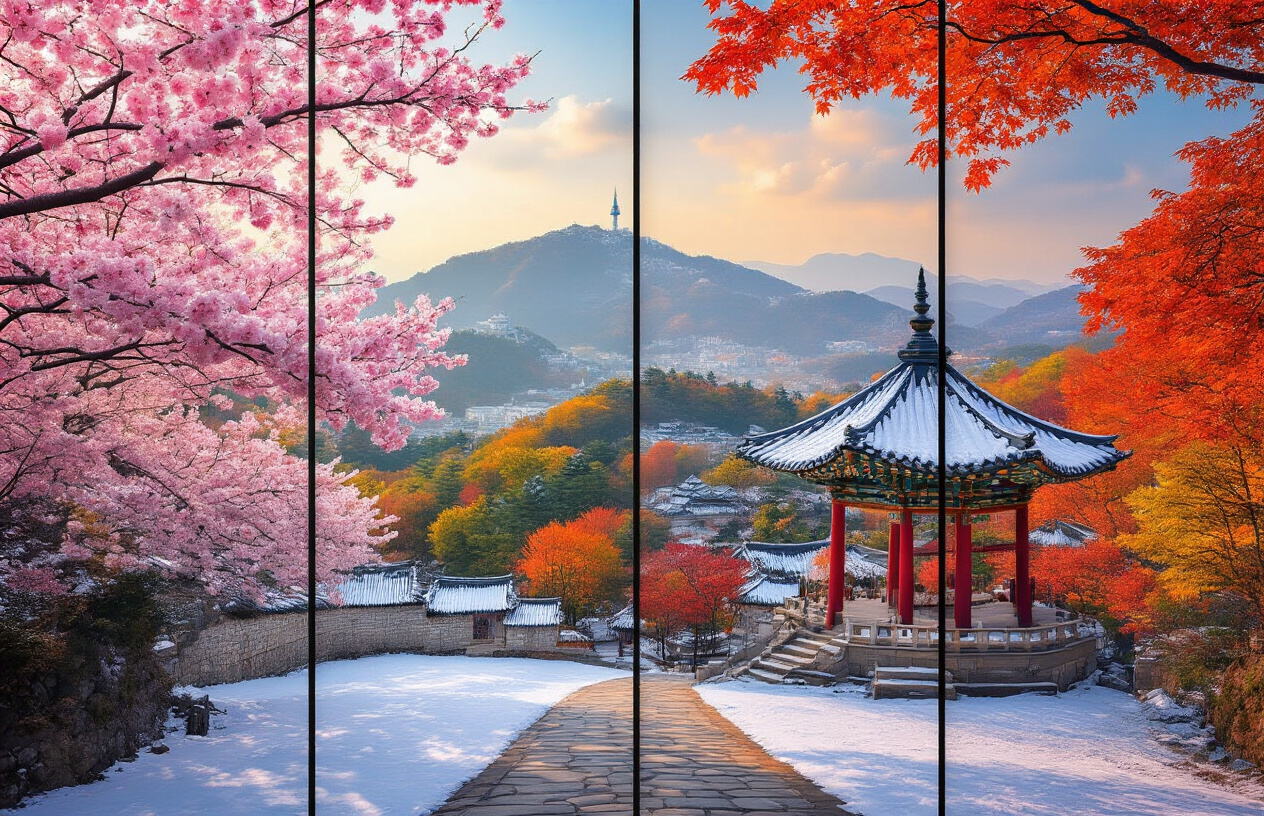
Why Cherry Blossom Season Demands Advance Book
Spring cherry blossoms (late March to mid-April) are genuinely magical, but half the world knows it. Hotels, trains, and popular spots like Gyeongju and Jinhae fill up weeks in advance. Book accommodation at least two months ahead.
How Summer Monsoons Affect Your Outdoor Plans
June through August brings heavy rainfall and thick humidity. Hiking trails can close, and outdoor festivals get cancelled. Pack a compact umbrella and build flexibility into your itinerary — rainy afternoons are actually perfect for exploring Korean jjimjilbangs (bathhouses).
What Makes Autumn Foliage a Must-See for First-Timers
October and November rival cherry blossom season for sheer beauty. The mountains around Seoraksan and Naejangsan turn deep red and gold. Crowds are smaller, temperatures are comfortable, and the light is perfect for photos — a solid pick for anyone visiting South Korea for the first time.
Why Winter Visits Offer Fewer Crowds and Lower Prices
December through February means fewer tourists, cheaper flights, and deals on hotels. Yes, it gets cold — sometimes bitterly so — but ski resorts in Gangwon Province thrive, and Seoul's Christmas markets and lantern festivals make the chill worthwhile.
| Season | Highlight | Drawback |
|---|---|---|
| Spring | Cherry blossoms | Heavy crowds |
| Summer | Festivals | Monsoon rain |
| Autumn | Foliage | Books fast |
| Winter | Low prices | Cold weather |
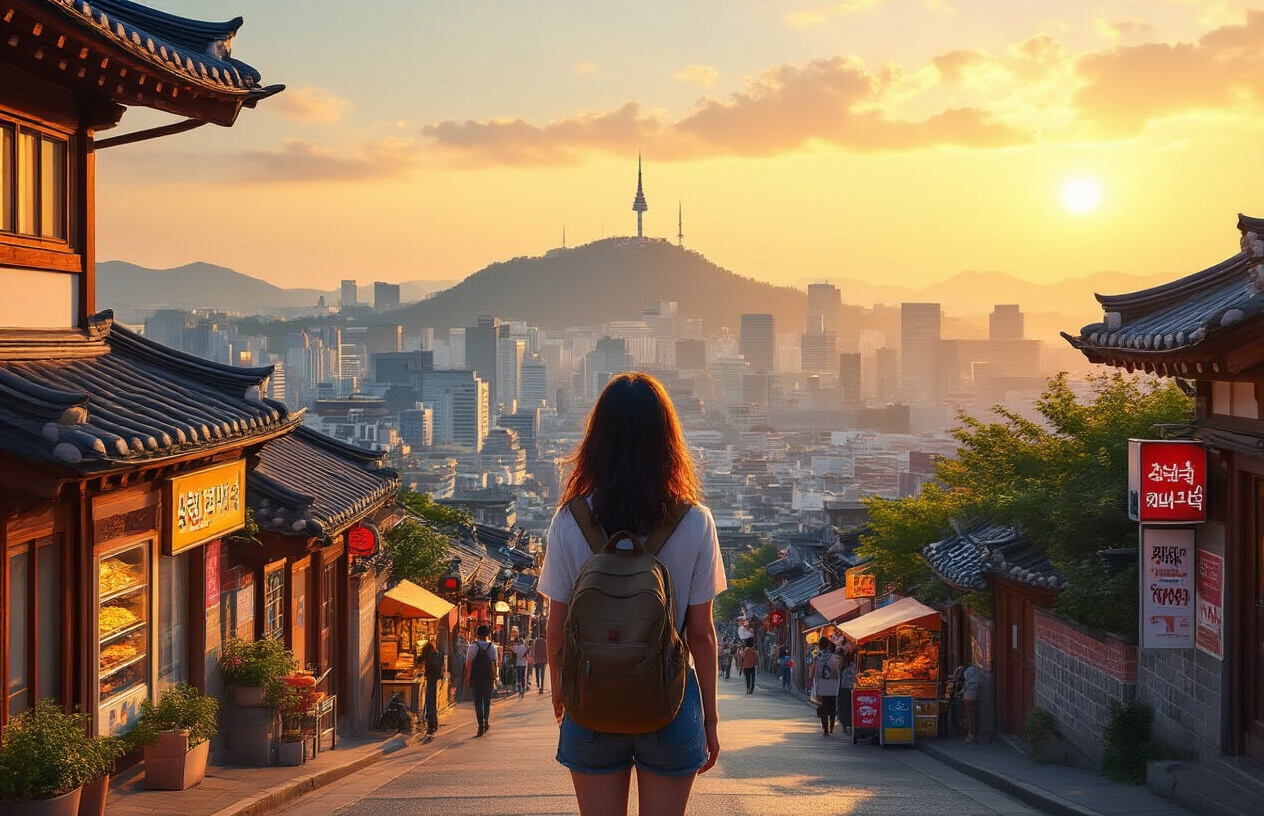
South Korea has a way of surprising even the most seasoned travelers. From carrying cash for smaller vendors to skipping the tip at restaurants, from surviving fiery kimchi jjigae to finding a full meal at a convenience store at midnight — the little things add up to make this country one of the most uniquely rewarding destinations out there. Knowing the unwritten dining rules, respecting the skincare-conscious culture, and jumping on a subway that runs like clockwork can genuinely transform your trip from good to unforgettable.
The best advice? Go in with an open mind and a little homework done. Learn a few Korean phrases, check what season you're traveling in, and don't be shocked when a 60-year-old in full hiking gear passes you on a mountain trail. South Korea rewards curious, respectful visitors in a big way — and now that you know what to expect, you're already ahead of the game. Start planning, pack some antacids just in case, and get ready for a trip you'll be talking about for years.
Post a Comment