
First Time in Sri Lanka? Read This Before You Go
Planning your first trip to Sri Lanka and not sure where to start? You're in the right place. This Sri Lanka travel guide is written specifically for first-time visitors who want to feel confident and prepared — not overwhelmed — before they land.
Sri Lanka packs a lot into a small island. Ancient temples, tea-covered hills, golden beaches, and some of the most flavourful food you'll ever eat are all within reach. But getting the most out of your trip comes down to a few key decisions made before you go.
In this guide, you'll find out the best time to visit Sri Lanka so you can dodge the wrong season, exactly what Sri Lanka entry requirements you need to sort out ahead of time, and the must-visit places that belong on every Sri Lanka itinerary for beginners. We'll also cover getting around Sri Lanka, what to eat, and the cultural etiquette that'll help you travel respectfully and connect with locals in a real way.
Think of this as the straight-talking pre-trip checklist a well-travelled friend would give you — no fluff, just the stuff that actually matters.
Best Time to Visit Sri Lanka for an Unforgettable Trip
Understanding Sri Lanka's Two Monsoon Seasons
Sri Lanka has two distinct monsoon seasons, and knowing them is the key to planning a great trip.
-
Southwest Monsoon (May–September): Hits the west coast, south coast, and hill country hard with heavy rain.
-
Northeast Monsoon (November–January): Drenches the east and north while the west stays mostly sunny.
The good news? When one side gets rain, the other is usually dry — so there's rarely a "bad" time to visit Sri Lanka entirely.
Month-by-Month Breakdown of Weather and Crowds
| Month | Conditions | Crowd Level |
|---|---|---|
| Dec–Mar | Sunny west & south | Peak season, busy |
| Apr | Transitional, warm island-wide | Moderate |
| May–Sep | Rainy west, dry east | Low–moderate |
| Oct–Nov | Short inter-monsoon showers | Low |
Best Regions to Visit Based on the Season
-
West & South Coast (Colombo, Galle, Mirissa): Best from December to March
-
Hill Country (Ella, Kandy, Nuwara Eliya): January to April is ideal
-
East Coast (Trincomalee, Arugam Bay): April to September is prime time
-
Cultural Triangle (Sigiriya, Anuradhapura): Visits work year-round, though February to April is most comfortable
Essential Entry Requirements Every First-Timer Must Know
Visa Application Process Made Simple
Good news — Sri Lanka makes visas pretty straightforward for most travelers. Apply online through the official Electronic Travel Authorization (ETA) portal before your trip. It costs around $20–$35 USD, covers a 30-day stay, and is typically approved within 24 hours. Avoid third-party sites charging inflated fees.
Vaccinations and Health Precautions to Take Before You Go
No mandatory vaccinations are required, but doctors commonly recommend:
| Vaccination | Reason |
|---|---|
| Hepatitis A & B | Food and water safety |
| Typhoid | Common in rural areas |
| Rabies | Animal encounters |
| Malaria tablets | Certain northern regions |
Pack mosquito repellent and drink only bottled water.
Currency, Budget Planning, and What to Expect Financially
Sri Lanka uses the Sri Lankan Rupee (LKR). ATMs are widely available in cities but scarce in rural areas — carry cash when exploring off-the-beaten-path spots.
| Budget Level | Daily Estimate (USD) |
|---|---|
| Budget traveler | $25–$40 |
| Mid-range | $60–$100 |
| Luxury | $150+ |
Travel Insurance and Why You Should Never Skip It
Hospitals in rural Sri Lanka have limited facilities. A solid travel insurance policy covering medical emergencies, trip cancellations, and adventure activities is non-negotiable, especially if you're planning safaris or water sports.
Must-Visit Destinations to Add to Your Sri Lanka Itinerary
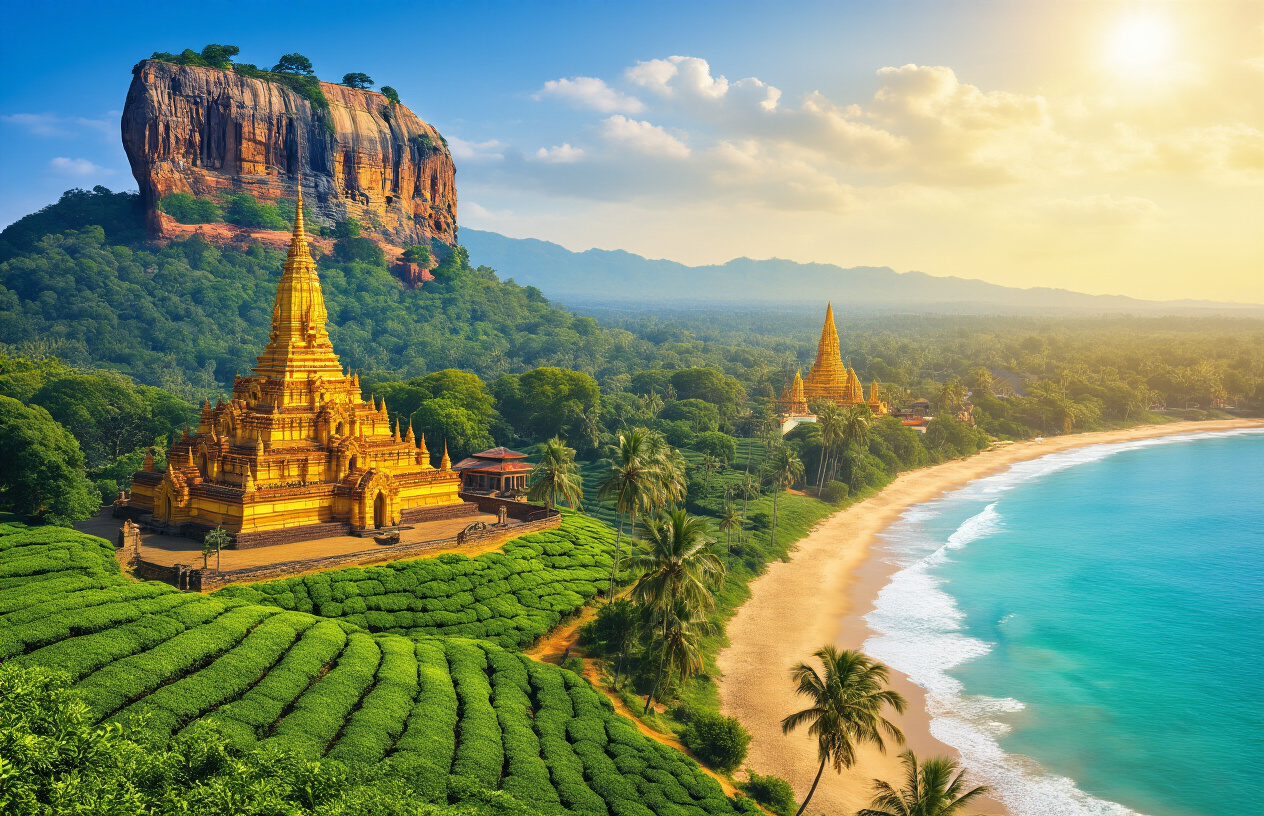
Ancient Cities and Cultural Landmarks Worth Exploring
Sigiriya's ancient rock fortress is jaw-dropping — climb 1,200 steps for panoramic views that make every bit of sweat worth it. Anuradhapura and Polonnaruwa are UNESCO-listed ancient capitals packed with dagobas and ruins dating back 2,000 years.
Stunning Beaches and Coastal Escapes
The south coast delivers postcard-perfect beaches. Mirissa is great for whale watching (November–April), while Unawatuna suits swimmers. Arugam Bay on the east coast is a surfer's paradise with a laid-back vibe you'll love.
Lush Hill Country and Scenic Train Journeys
Ella and Kandy are must-visit places in Sri Lanka. The Kandy-to-Ella train ride through misty tea plantations is genuinely one of the most beautiful rail journeys on earth — book your seat early.
Wildlife Safaris and National Parks Not to Miss
Yala National Park has one of the world's highest leopard densities. Udawalawe is your best bet for elephant sightings. Go early morning for the best experience.
Hidden Gems Off the Beaten Path
| Hidden Gem | Why Go |
|---|---|
| Jaffna | Rich Tamil culture, unique cuisine |
| Knuckles Range | Hiking without crowds |
| Mannar Island | Flamingos and total tranquility |
Getting Around Sri Lanka Like a Pro
Train Travel as a Scenic and Affordable Option
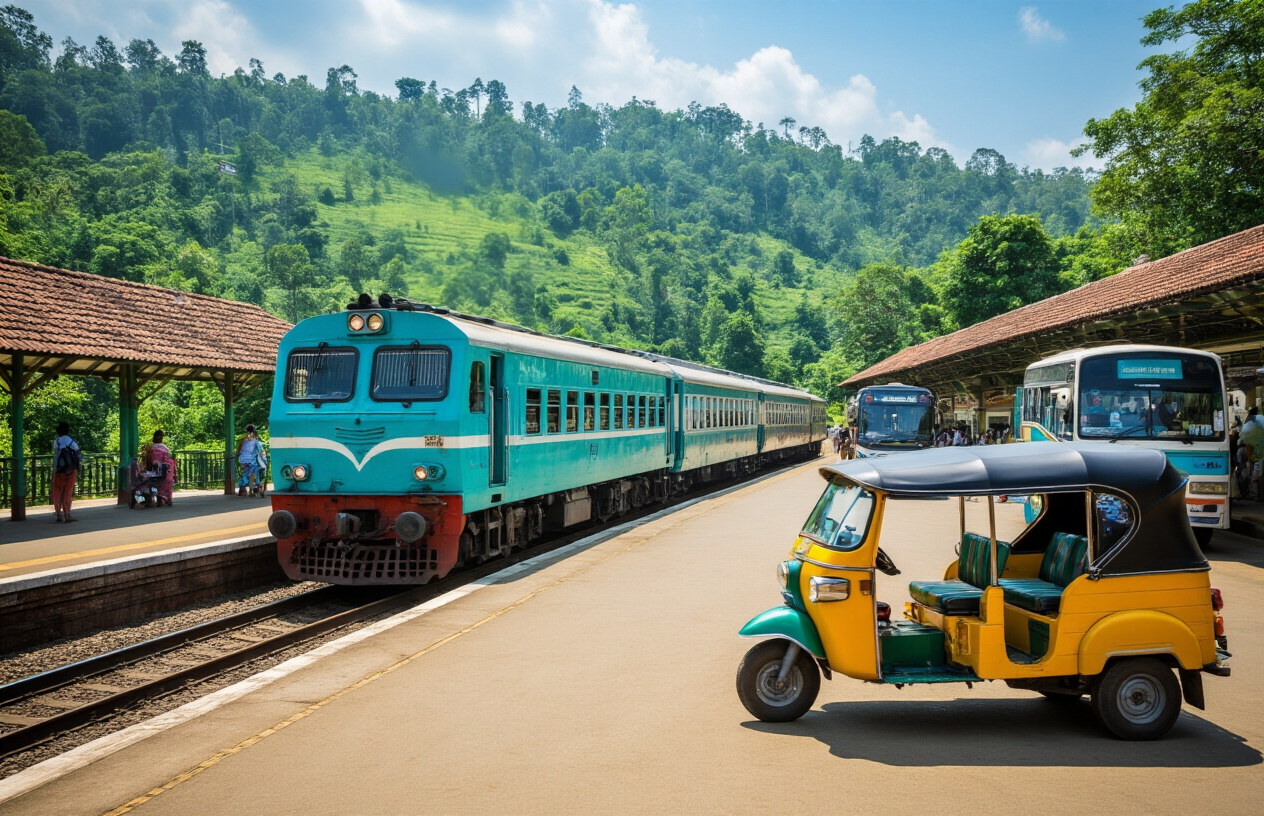
Sri Lanka's train network is hands-down one of the best ways to see the country. The Kandy-to-Ella route through the hill country is genuinely jaw-dropping—misty mountains, tea plantations, and little waterfalls rolling past your window. Book a observation car seat in advance through the official Sri Lanka Railways website or apps like Bookaway. Tickets are cheap, but the popular routes sell out fast.
Tuk-Tuks, Buses, and When to Hire a Private Driver
| Option | Best For | Cost Level |
|---|---|---|
| Tuk-tuk | Short hops, cities | Low |
| Public bus | Budget travel, locals | Very low |
| Private driver | Long distances, comfort | Medium–High |
Always agree on a tuk-tuk price before hopping in. Public buses are dirt-cheap but crowded. For multi-day trips between major stops on your Sri Lanka itinerary, a private driver often makes more sense—they double as guides and handle chaotic traffic for you.
Renting a Vehicle and Navigating Local Roads
Renting a car is possible, but driving in Sri Lanka isn't beginner-friendly. Roads are narrow, signage can be inconsistent, and traffic rules feel loosely interpreted. If you're confident driving in busy South Asian conditions, go for it—otherwise, hiring a driver is genuinely worth every rupee.
Sri Lankan Food and Drink Every Visitor Should Try
Staple Dishes That Define the Local Cuisine
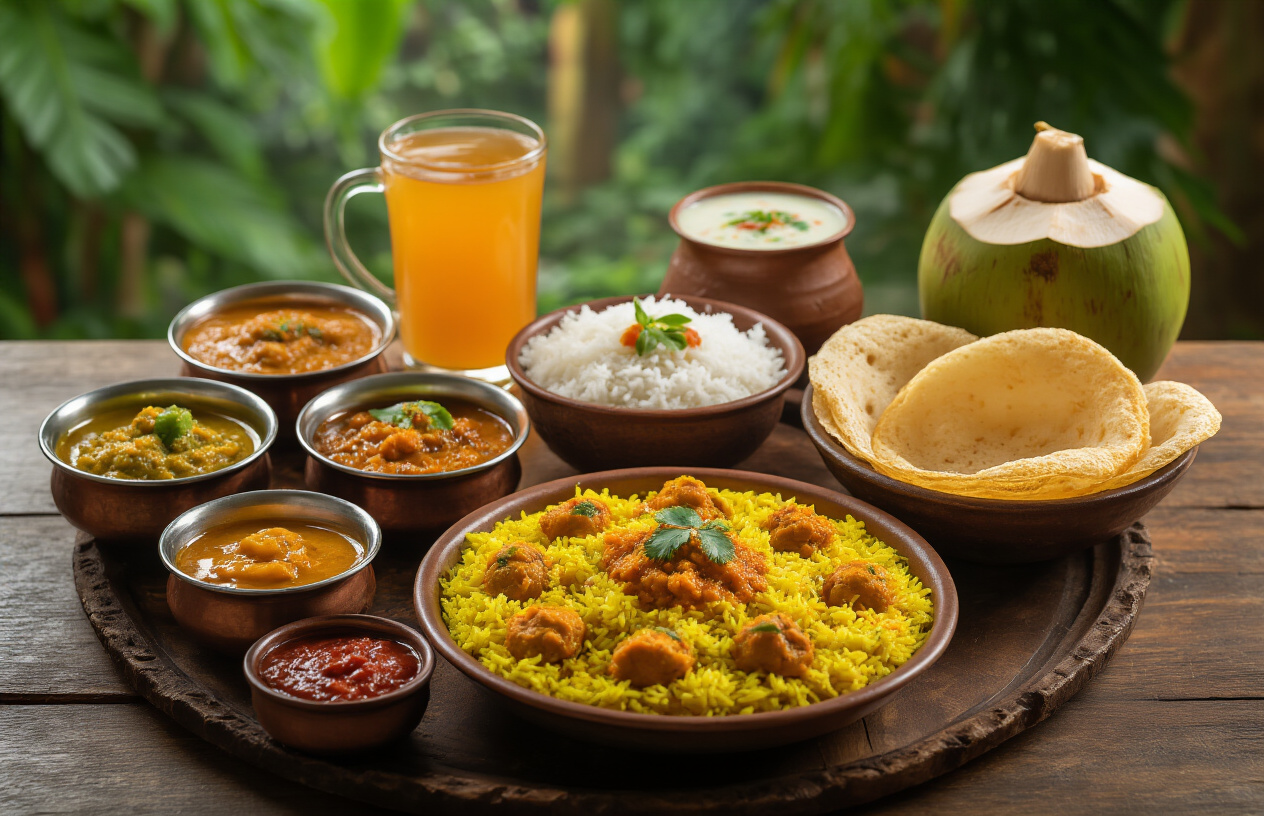
Sri Lankan food hits differently — bold spices, coconut milk, and fresh curry leaves in almost everything. Rice and curry is the backbone of every meal, typically served with dhal, sambol, and multiple curries on a banana leaf. Hoppers (bowl-shaped crispy crepes) with a fried egg inside are a breakfast obsession. Don't skip kottu roti — chopped flatbread stir-fried with vegetables, egg, and meat, cooked loudly on a griddle right in front of you.
Street Food Hotspots and Safe Eating Tips
Colombo's Pettah Market and Galle's street stalls are goldmines for Sri Lankan food. Grab isso wade (shrimp lentil fritters) or pol roti straight from roadside vendors. Stick to stalls with high turnover and food cooked fresh to order. Carry hand sanitizer and avoid raw salads if your stomach isn't yet adjusted.
Must-Try Drinks Including Ceylon Tea and Coconut Varieties
| Drink | What to Know |
|---|---|
| Ceylon Tea | Try it strong, with milk — visit Nuwara Eliya for the freshest cup |
| King Coconut | Bright orange, sweeter than regular coconut water |
| Ginger Beer | Local brands like EGB are refreshingly spiced |
| Faluda | A milky rose-flavored dessert drink, popular in Colombo |
Cultural Etiquette and Safety Tips for a Respectful Visit
Dress Codes for Temples and Sacred Sites
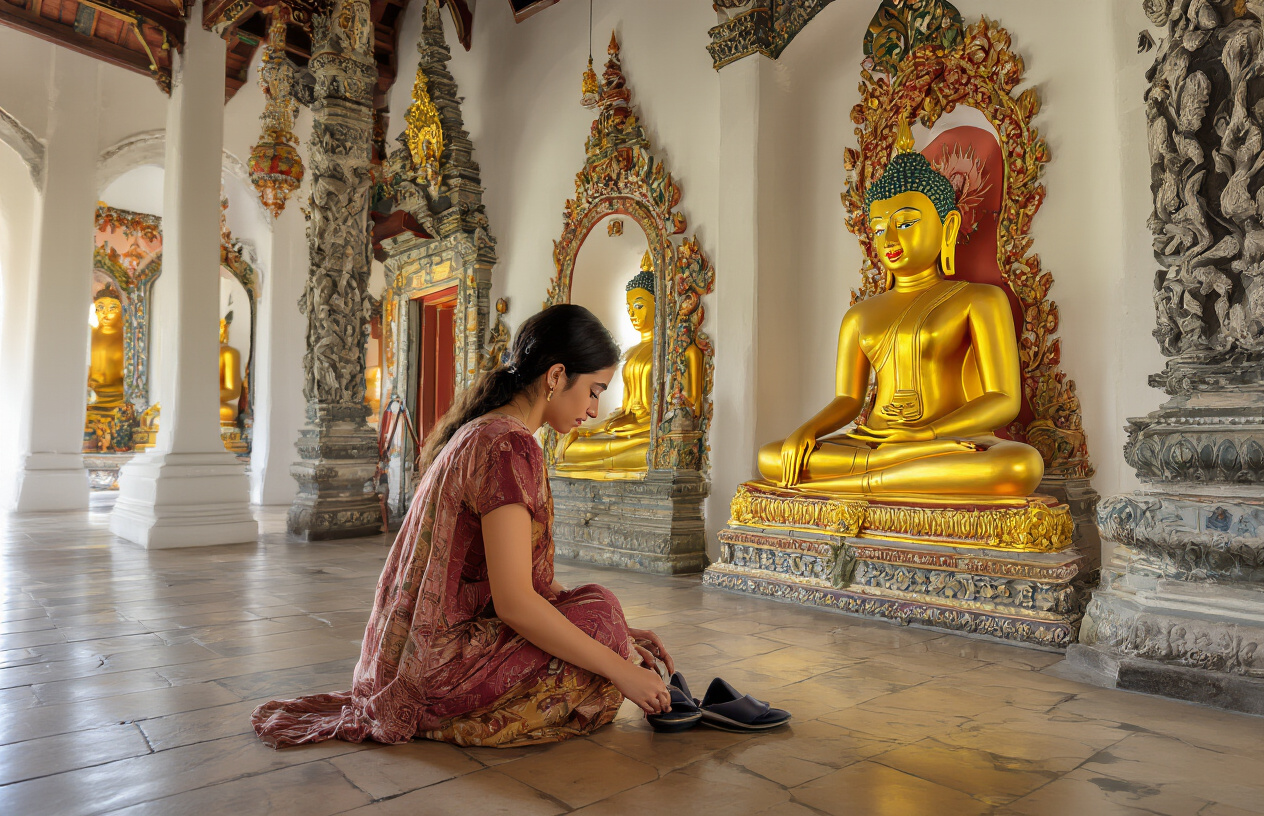
Visiting Sri Lanka's temples means covering up — shoulders and knees at minimum. Carry a light scarf or sarong in your bag; you'll use it constantly. Most major sites like Sigiriya or Temple of the Tooth have sarong rentals at the entrance, but having your own saves time. Always remove shoes before entering any temple or home.
Local Customs and Social Norms to Respect
Sri Lanka travel etiquette runs deep. A few things to keep in mind:
| Situation | What to Do |
|---|---|
| Greeting locals | A smile and slight nod works great |
| Posing near Buddha statues | Never turn your back to them for photos |
| Entering someone's home | Remove shoes at the door |
| Public displays of affection | Keep it minimal |
| Left hand | Avoid using it to pass items or eat |
Photographing monks requires permission — always ask first.
Staying Safe and Avoiding Common Tourist Scams
Sri Lanka is generally safe, but tourist scams do happen. Watch out for:
-
Tuk-tuk drivers quoting sky-high fares — always agree on a price before getting in
-
Gem shops where "friends" earn commissions for bringing you in
-
"Closed" attractions — if someone claims a site is shut, verify independently before following their detour
Trust your gut, stay alert, and you'll have a smooth trip.
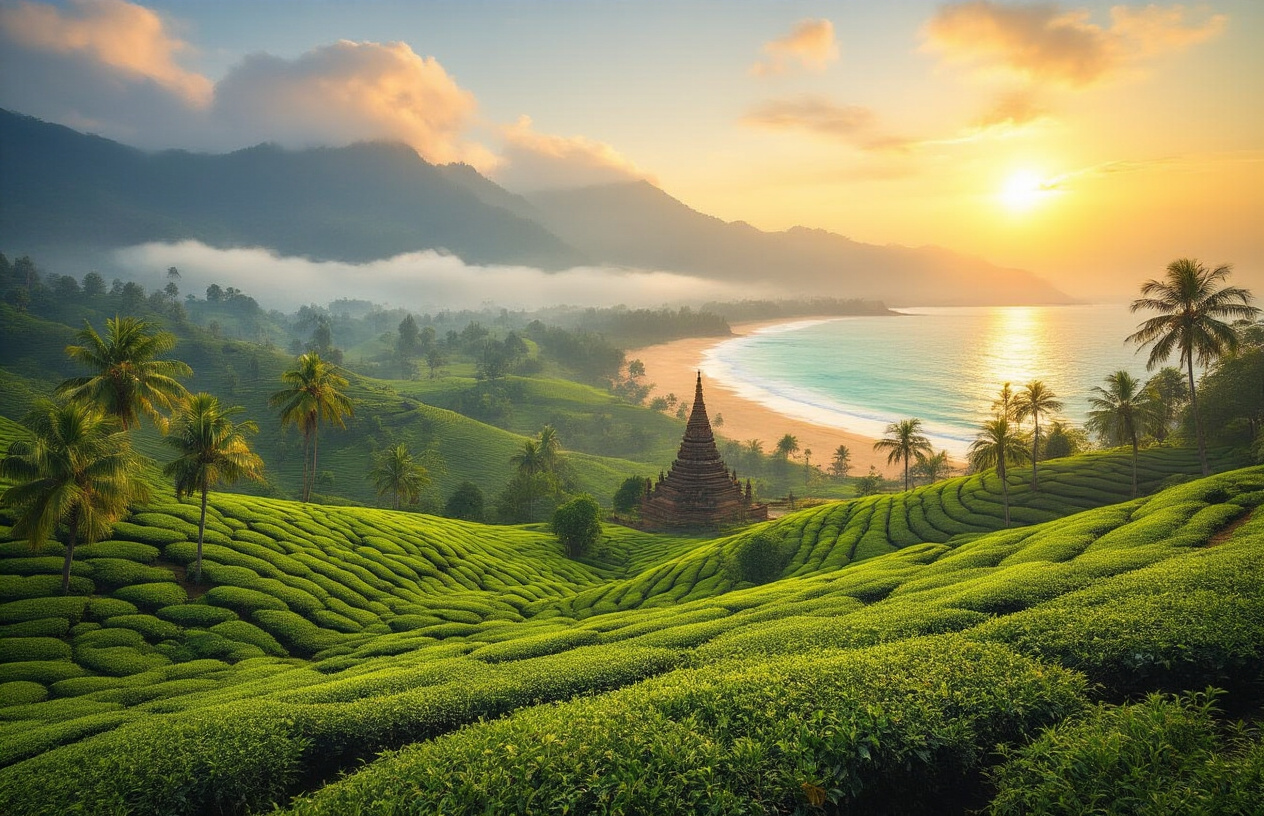
Sri Lanka is one of those destinations that gets under your skin in the best way possible. From figuring out the right time to visit and sorting your entry requirements, to exploring jaw-dropping destinations, navigating local transport, diving into the food scene, and respecting the culture around you — there's a lot to take in, but every bit of it is worth it.
The good news is that with a little preparation, your first trip to Sri Lanka can go from good to absolutely incredible. Do your homework, stay open to new experiences, and don't be afraid to slow down and soak it all in. This island has a way of surprising you at every turn, and the more you embrace it, the more it gives back. Now go pack that bag — Sri Lanka is waiting.
Post a Comment