
Planning a multi-country Scandinavia trip sounds exciting — until you realize you're juggling three currencies, four border crossings, and a packing list that somehow needs to cover both 80°F summers and surprise rainstorms in the same week.
This guide is for first-time Scandinavia travelers and anyone who's started building a Scandinavia travel itinerary and quickly felt overwhelmed by all the moving pieces. If you want a trip that actually flows — without overpaying, overpacking, or scrambling at every train station — you're in the right place.
Here's what we'll walk through together: how to build a flexible Scandinavia itinerary that makes geographic sense (so you're not zigzagging across the region), how to set a Scandinavia travel budget that doesn't fall apart the moment you land, and how to handle the nuts and bolts of cross-border travel in Scandinavia, from trains to ferries to SIM cards. We'll also cover smart accommodation strategies, what actually belongs on your Scandinavia packing list, and the best Scandinavia travel apps to keep everything organized on the go.
No fluff, no vague advice — just a clear, practical roadmap so your stress-free Europe travel planning actually stays stress-free from start to finish.
Choose the Right Countries and Order for Your Itinerary
Decide Which Scandinavian Countries Fit Your Time and Budget
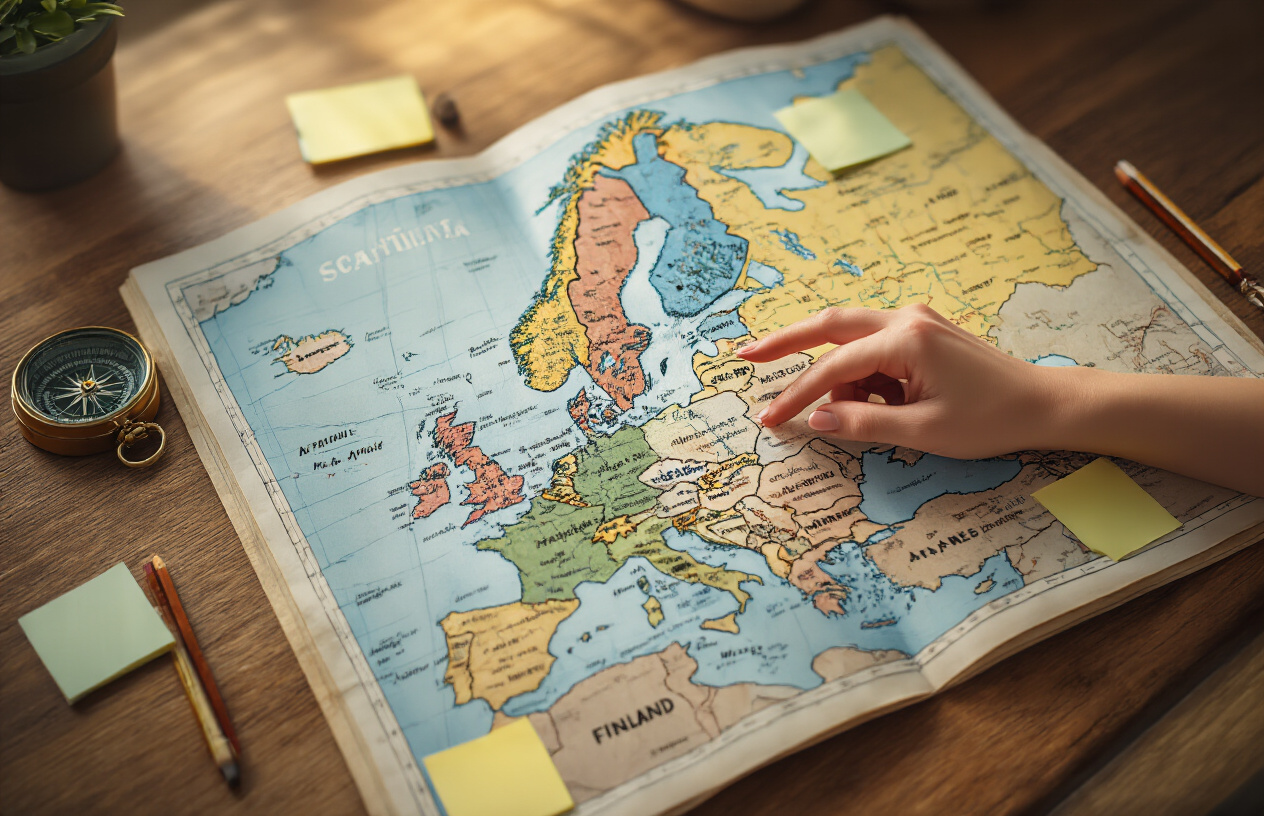
Your available time is the biggest factor here. A two-week multi-country Scandinavia trip typically works well for three countries, while 10 days is better suited to two.
| Country | Recommended Days | Budget Level |
|---|---|---|
| Norway | 5–7 | High |
| Sweden | 4–5 | Moderate |
| Denmark | 3–4 | High |
| Finland | 4–5 | Moderate-High |
Norway is the priciest, so if your Scandinavia travel budget is tight, anchoring your trip in Sweden or Finland saves real money.
Plan a Logical Geographic Route to Minimize Backtracking
A smart geographic flow cuts transport costs and saves hours. The classic loop starts in Copenhagen, moves north through Sweden to Stockholm, then crosses into Norway before flying home from Oslo. Alternatively, fly into Oslo and end in Copenhagen — both directions work cleanly.
Avoid jumping between non-adjacent countries just to tick boxes. Every unnecessary backtrack costs time and money.
Balance Popular Destinations with Hidden Gems
Skip the trap of only chasing big cities. Pair Stockholm with the Dalarna region, Oslo with the Lofoten Islands, or Copenhagen with Bornholm island. Your Scandinavia travel itinerary gets richer when you mix iconic landmarks with quieter spots locals actually love.
Set a Realistic Budget for Your Entire Trip
Estimate Costs for Each Country to Avoid Surprises
Scandinavia travel budget planning starts with knowing that Norway is the priciest, followed closely by Denmark and Sweden, with Finland typically being the most affordable. A rough daily budget per person:
| Country | Budget Traveler | Mid-Range |
|---|---|---|
| Norway | $120–$150 | $200–$250 |
| Sweden | $90–$120 | $160–$200 |
| Denmark | $100–$130 | $170–$220 |
| Finland | $80–$110 | $150–$190 |
Find Ways to Save on Accommodation and Dining
Scandinavia accommodation tips that actually work: book hostels with kitchen access, stay in smaller towns between major cities, and grab lunch specials (called dagens rätt in Sweden) instead of dinner. Grocery stores like Lidl and Rema 1000 are lifesavers for budget meals.
Set Aside Emergency Funds for Unexpected Expenses
Keep at least 10–15% of your total budget untouched. Missed trains, sudden weather gear needs, or medical costs can hit fast — especially across multiple countries.
Use Multi-Country Travel Passes to Reduce Transportation Costs
The Eurail Scandinavia Pass covers trains across Norway, Sweden, Denmark, and Finland. For a multi-country Scandinavia trip lasting 10+ days, it often beats buying individual tickets and saves serious planning headaches.
Master the Logistics of Cross-Border Travel
Compare Flights, Trains, Ferries, and Buses Between Countries
Each transport mode has its sweet spot in a cross-border Scandinavia travel itinerary:
| Mode | Best For | Watch Out For |
|---|---|---|
| Flights | Long distances (e.g., Oslo–Stockholm) | Baggage fees, airport transfers |
| Trains | Scenic routes, city-center arrivals | Higher cost without advance booking |
| Ferries | Copenhagen–Oslo, Stockholm–Helsinki | Overnight options save hotel costs |
| Buses | Budget-friendly shorter hops | Longer travel times |
Overnight ferries are a hidden gem — you travel while you sleep and skip one night's accommodation cost entirely.
Book Transportation Early to Lock In the Best Prices
Scandinavian trains and ferries sell out fast, especially in summer. Book intercity trains through SJ (Sweden) or VY (Norway) at least 6–8 weeks ahead. For budget flights, Finnair and Norwegian often have early-bird deals worth grabbing.
Understand Border Crossing Rules and Visa Requirements
Good news — Denmark, Sweden, Norway, and Finland are all part of the Schengen Area, so there are no passport checks between them. Your Schengen visa covers the entire region. Just keep your travel documents handy and check entry requirements if your nationality needs pre-approval.
Build a Flexible Day-by-Day Itinerary
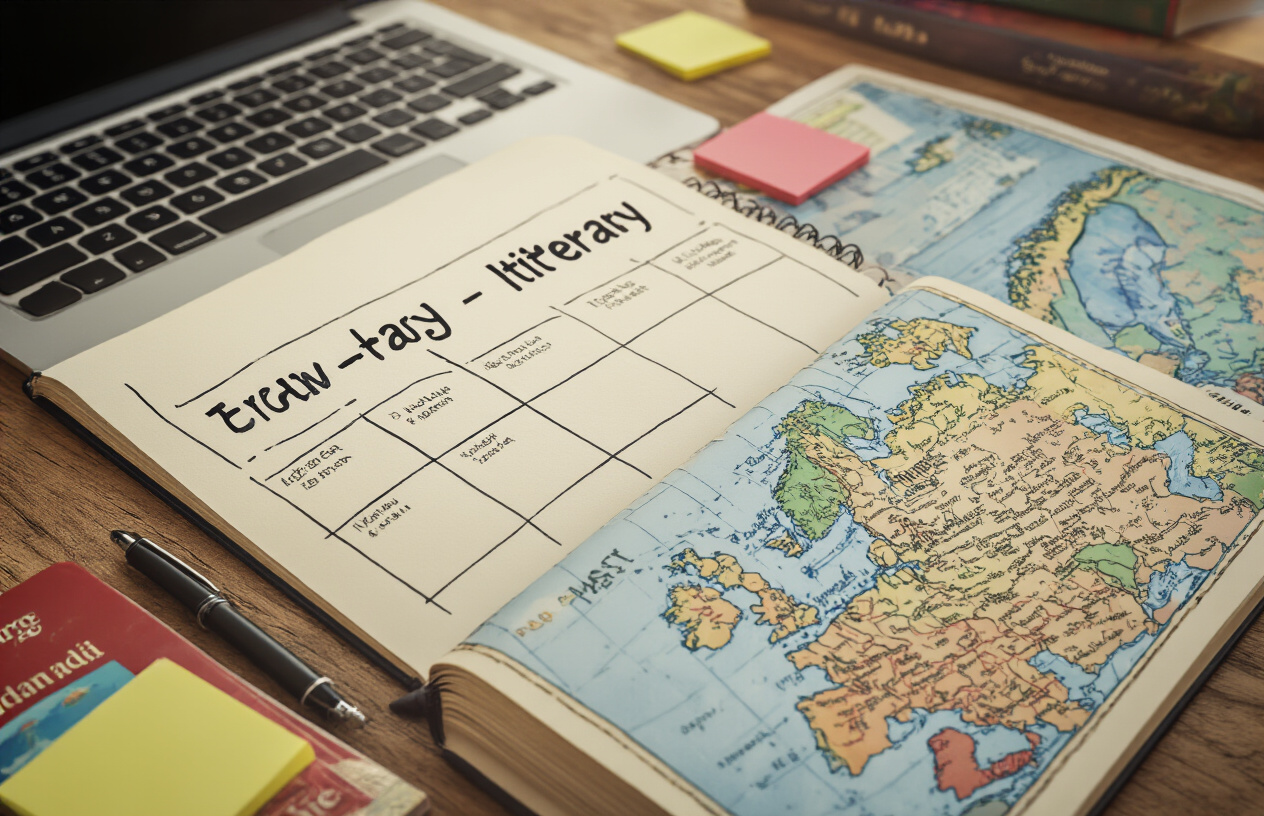
Allocate the Right Amount of Time for Each Destination
Rushing through Scandinavia is a rookie mistake. A flexible Scandinavia travel itinerary gives each city room to breathe — plan at least 2–3 days for major cities like Copenhagen, Stockholm, and Oslo, and 1–2 days for smaller stops like Bergen or Gothenburg.
Group Nearby Attractions Together to Save Time
Cluster activities by geography, not just by interest. In Norway, pair the Flam Railway with Sognefjord. In Sweden, combine Stockholm's Old Town with Djurgården island. Smart grouping cuts transit time and keeps your energy high throughout your multi-country Scandinavia trip.
Leave Buffer Days to Handle Delays or Spontaneous Detours
Build at least one buffer day per week into your schedule. Trains get delayed, ferries run late, and sometimes a tiny fishing village just pulls you in. Buffer days aren't wasted — they're what separates a stressful trip from a genuinely enjoyable one.
Research Seasonal Events and Local Holidays in Advance
Scandinavia's calendar shapes everything. Midsummer in June shuts down businesses across Sweden and Denmark. Norwegian Constitution Day on May 17th floods Oslo's streets. Check local holiday schedules early — they can impact transport, accommodation availability, and pricing significantly.
Organize Your Accommodation Strategy Across Multiple Countries
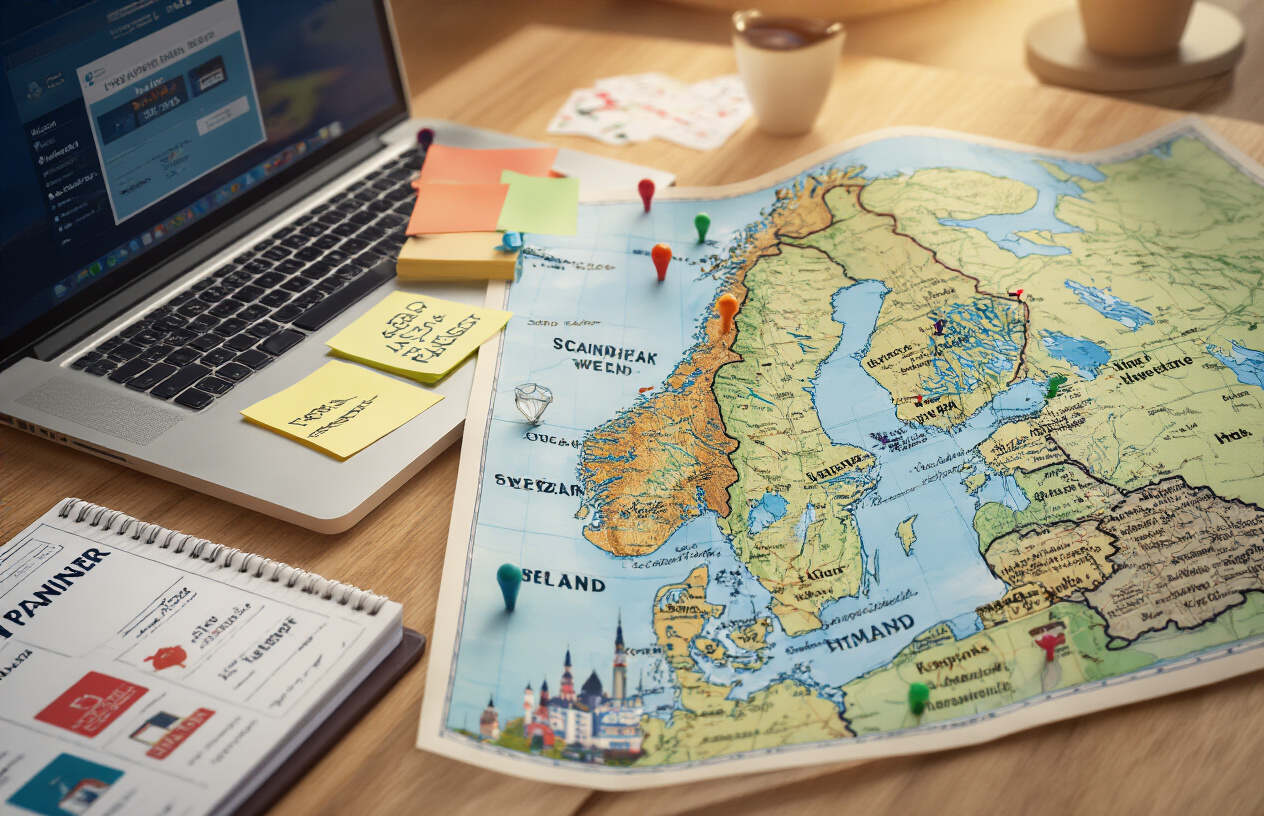
Mix Hotels, Hostels, and Vacation Rentals to Suit Your Budget
A smart Scandinavia accommodation mix saves serious money without sacrificing comfort. Use this as a rough guide:
| Accommodation Type | Best For | Avg. Nightly Cost |
|---|---|---|
| Hostels | Solo travelers, short stays | $30–$60 |
| Budget hotels | Couples, convenience | $80–$150 |
| Vacation rentals | Families, 3+ nights | $70–$130 |
Vacation rentals shine in cities like Copenhagen and Stockholm when you're staying four or more nights — cooking a few meals at home cuts your daily spend significantly.
Stay Centrally Located to Cut Down on Daily Commutes
Scandinavia's public transit is excellent, but staying 45 minutes from the city center adds up in both time and transit costs. Prioritize neighborhoods within walking distance of major attractions or a short metro ride away. In Oslo, look around Grünerløkka. In Stockholm, Södermalm or Norrmalm work well.
Book Accommodations in Advance During Peak Travel Seasons
June through August is peak season across Scandinavia — popular spots fill up fast and prices spike. For a stress-free multi-country Scandinavia trip, lock in accommodations at least 2–3 months ahead. Use booking platforms that offer free cancellation so you keep flexibility while securing your spot.
Pack Smart for Scandinavia's Unpredictable Weather
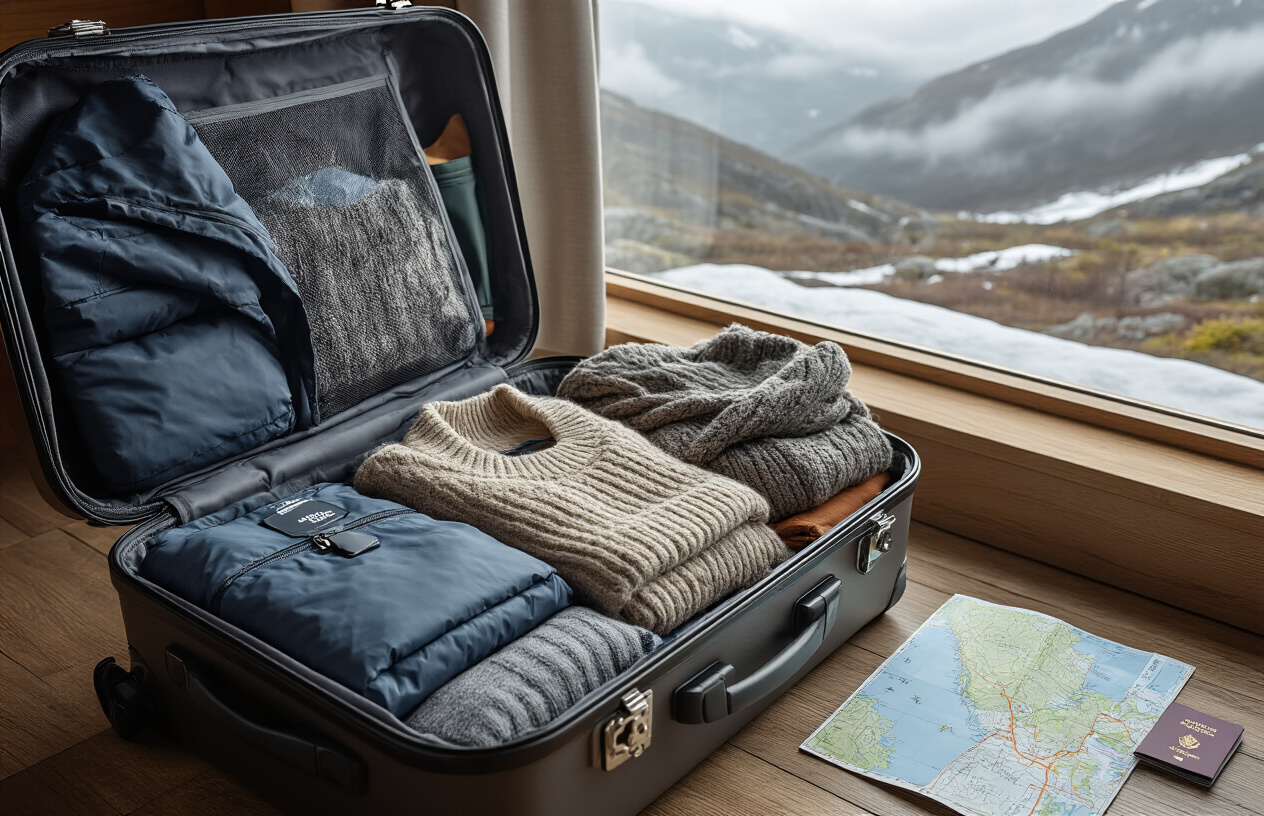
Layer Your Clothing to Adapt to Rapid Temperature Changes
Scandinavia's weather can flip from sunny to freezing within hours. A solid layering system is your best defense — start with a moisture-wicking base layer, add an insulating mid-layer (fleece works great), and finish with a waterproof outer shell. This combo handles everything from a warm Oslo afternoon to a chilly Bergen fjord evening.
Choose Lightweight Luggage That Works for Multiple Climates
A carry-on-sized bag keeps you agile when hopping between trains and ferries. Look for expandable backpacks or rolling bags under 40L with compression straps. This makes cross-border travel in Scandinavia much smoother — no checking bags, no waiting at carousels.
Pack Essential Travel Gear to Stay Comfortable on the Go
| Gear | Why You Need It |
|---|---|
| Packable rain jacket | Rain arrives without warning |
| Merino wool socks | Warm, odor-resistant, quick-drying |
| Portable power bank | Long travel days drain your phone fast |
| Reusable water bottle | Tap water is safe and delicious everywhere |
Prepare for Outdoor Activities Specific to Each Country
Norway demands sturdy hiking boots for fjord trails. Sweden's forests call for bug spray in summer. Denmark is cycling-friendly, so pack lightweight athletic gear. Matching your kit to each destination saves serious space on your Scandinavia packing list.
Use the Right Tools and Apps to Stay Organized
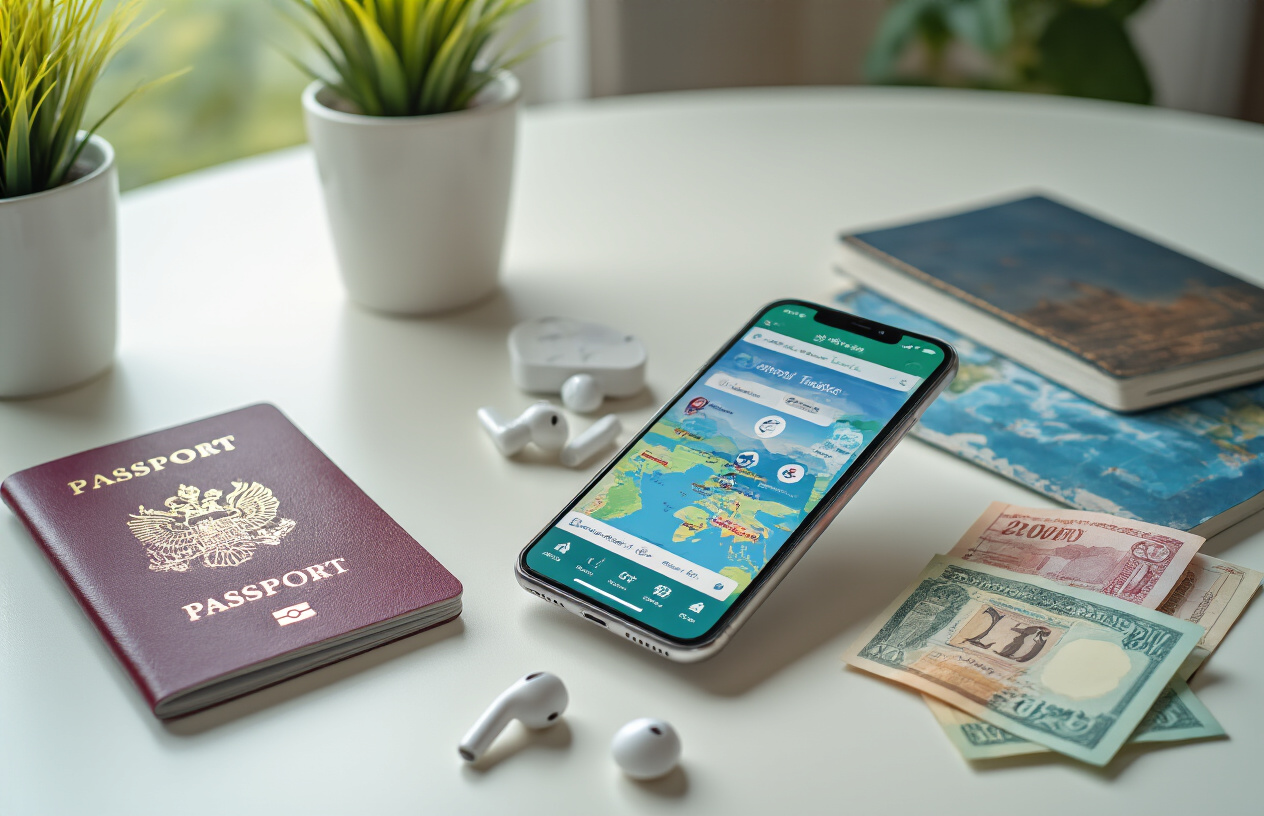
Use Trip Planning Apps to Manage Your Itinerary in One Place
Apps like TripIt, Wanderlog, or Google Trips let you pull your entire Scandinavia travel itinerary into one dashboard — flights, hotels, trains, tours, everything. Instead of digging through a dozen confirmation emails, you have one clean view of each day. Wanderlog is especially handy for multi-country Scandinavia trips since you can map out your route visually and share it with travel companions.
Download Offline Maps to Navigate Without Data Roaming
Roaming charges across Denmark, Sweden, Norway, and Finland can add up fast. Download Maps.me or save offline areas in Google Maps before you leave your accommodation each morning. These work without a signal, which is a lifesaver when you're hiking in Norwegian fjords or navigating a quiet Swedish town with spotty coverage.
Track Expenses With a Travel Budget App to Stay on Track
Scandinavia is expensive, and small purchases quietly drain your budget. Apps like Trail Wallet or TravelSpend let you log spending by country and category so you always know where you stand. Here's a quick comparison:
| App | Best For | Free Version |
|---|---|---|
| TravelSpend | Daily budget tracking | Yes |
| Trail Wallet | Simple category limits | Yes |
| Splitwise | Group travel expenses | Yes |
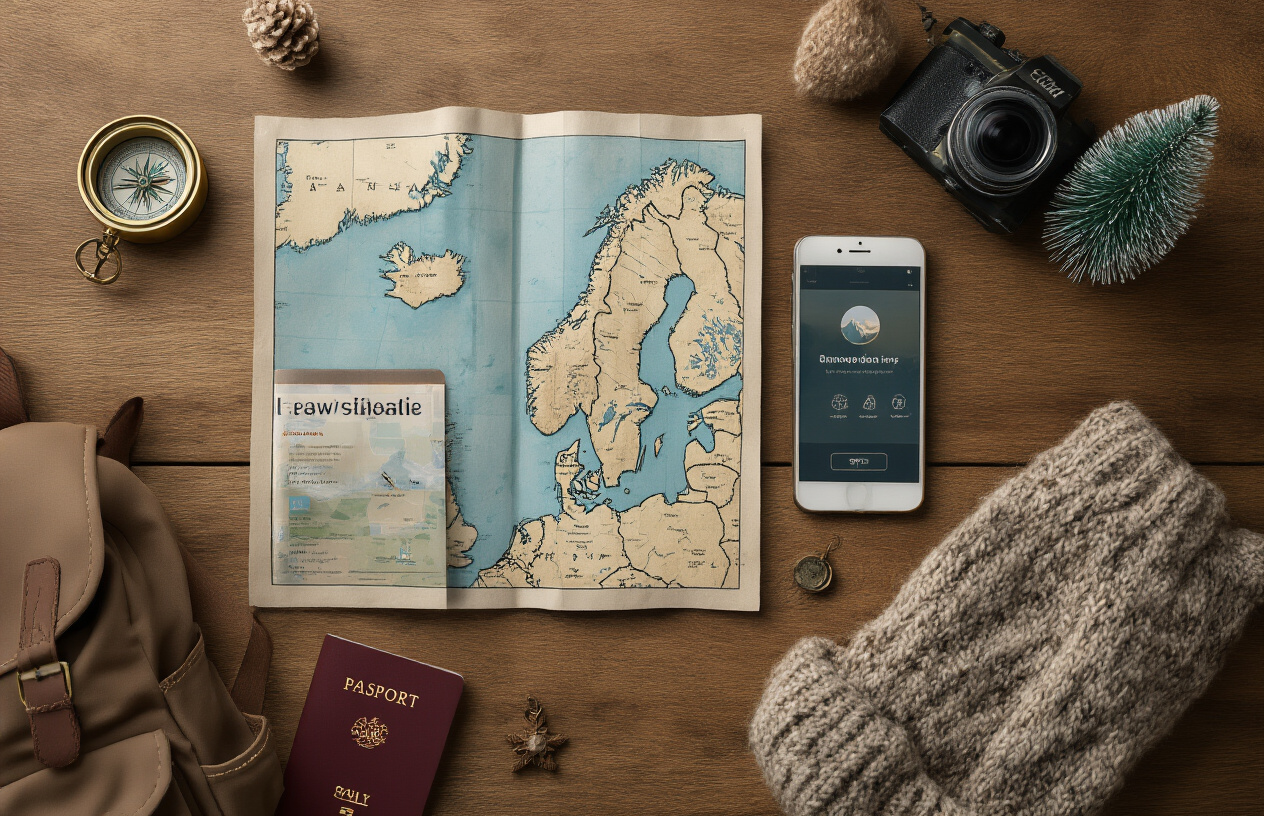
Planning a multi-country Scandinavia trip doesn't have to feel overwhelming. By picking the right countries and travel order, setting a budget that actually works, sorting out your cross-border logistics, and building some flexibility into your daily plans, you set yourself up for a trip that flows smoothly from start to finish. Throw in a solid accommodation strategy, weather-ready packing, and the right apps to keep everything organized, and you're looking at a seriously well-prepared adventure.
The key is to take it one step at a time rather than trying to figure everything out at once. Start with the big decisions first — your route and budget — then work your way down to the smaller details like what to pack and which apps to download. Once you've got all the pieces in place, all that's left to do is show up and enjoy everything Scandinavia has to offer.
Post a Comment