
The Ultimate Guide to Tanzania's National Parks
Tanzania is home to some of the most jaw-dropping wildlife on the planet, and its national parks are the main reason millions of travelers make the trip every year. This guide is for first-time safari planners, seasoned wildlife lovers, and anyone trying to figure out which Tanzania national parks are actually worth their time and money.
We'll walk you through the top Tanzania parks to visit, from the iconic Serengeti National Park to lesser-known gems that deserve a spot on your radar. You'll also get a clear breakdown of the best times of year to visit Tanzania so you can plan around the Great Migration or the green season crowds — whichever fits your style. And if you're still deciding between a budget camping safari and a luxury lodge experience, we've got a section on safari options and activities that'll help you nail that decision.
No fluff, no vague advice — just a straightforward Tanzania safari guide to help you plan a trip you'll actually love.
Top National Parks in Tanzania You Need to Visit
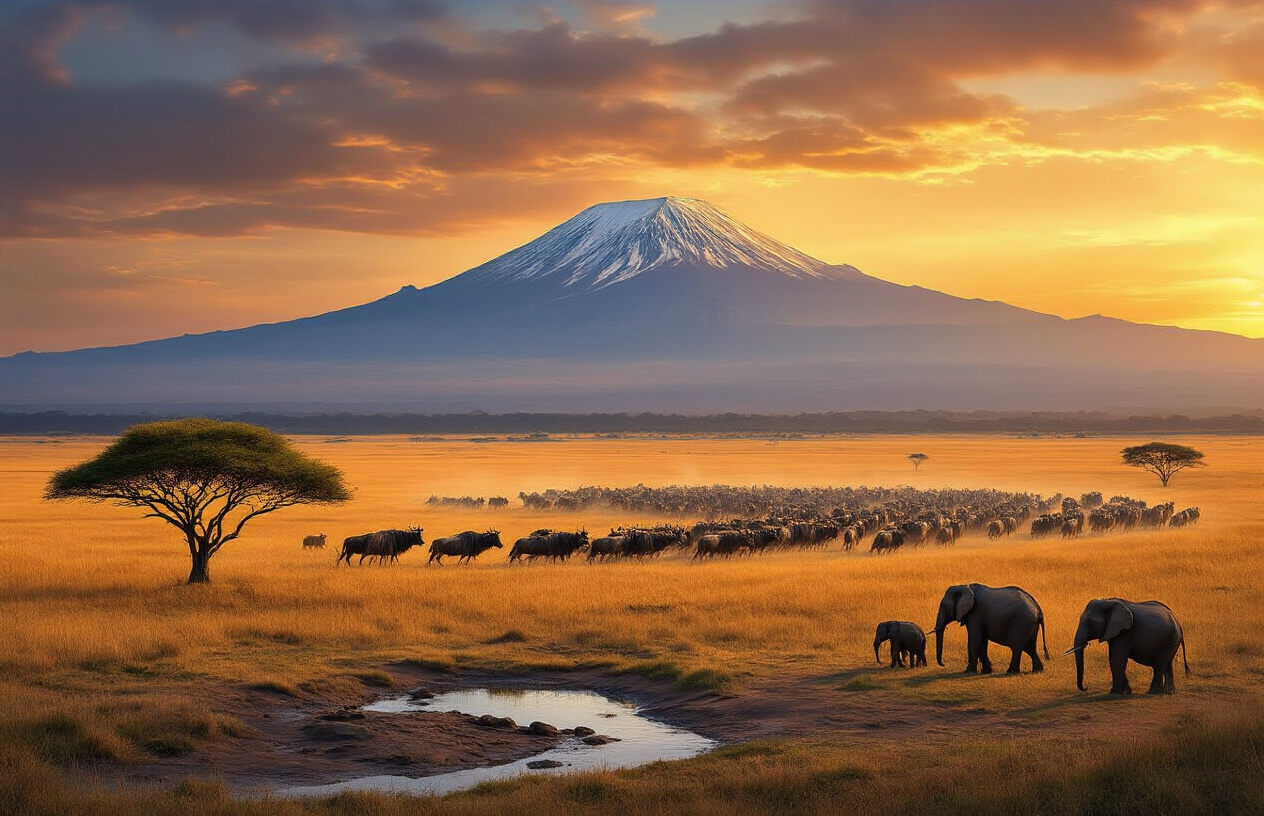
Serengeti National Park: Home of the Great Migration
The Serengeti is Tanzania's crown jewel. Over 1.5 million wildebeest thunder across its plains annually, making it the world's most spectacular wildlife event. Big cats, massive elephant herds, and endless golden savannah complete the picture.
Ngorongoro Crater: Africa's Natural Wonder
This ancient volcanic caldera shelters roughly 25,000 animals within its 260 sq km walls year-round. It's one of Africa's densest concentrations of wildlife, including rare black rhinos and lions adapted to crater life.
Tarangire National Park: Elephant Paradise
Tarangire draws massive elephant herds—sometimes 300 strong—during the dry season. The ancient baobab trees scattered across the landscape create a dramatic backdrop unlike anywhere else in Tanzania.
Ruaha National Park: Tanzania's Largest and Most Untouched Park
Ruaha covers over 20,000 sq km and sees far fewer visitors than northern parks. That means raw, authentic safari experiences. Huge buffalo herds, wild dogs, and both lion and leopard thrive here undisturbed.
Gombe Stream: Where You Can Trek with Chimpanzees
Tucked along Lake Tanganyika's shores, Gombe made famous by Jane Goodall offers intimate chimp trekking through dense rainforest—a completely different Tanzania safari experience that most travelers overlook.
Best Wildlife Experiences Unique to Tanzania's Parks
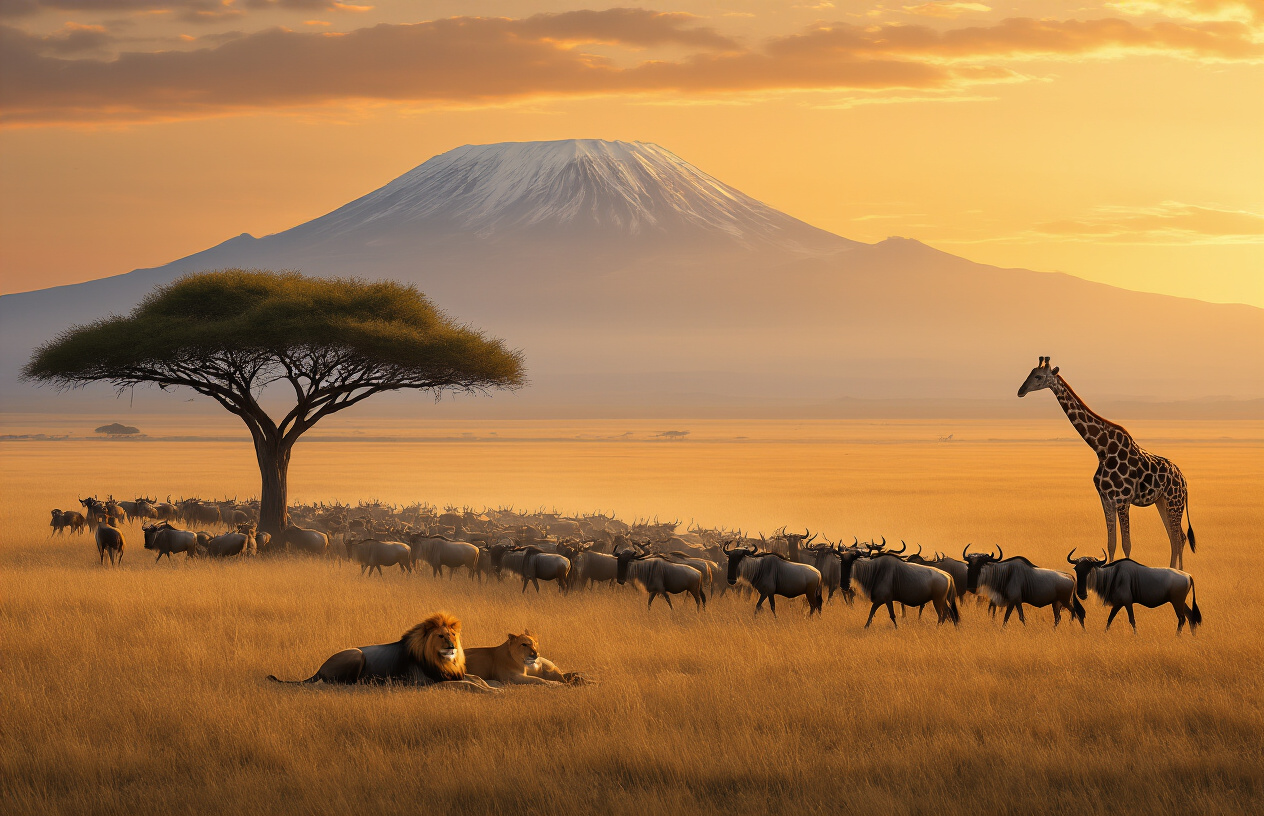
Witness the Great Wildebeest Migration Up Close
Nothing on Earth compares to watching 1.5 million wildebeest thunder across the Serengeti. This Tanzania wildlife safari highlight runs year-round as herds follow rainfall in a circular route through the Serengeti and Kenya's Masai Mara. The dramatic Mara River crossings, where crocodiles ambush the herds, happen between July and October — easily the most heart-pounding wildlife spectacle you'll ever see.
Spot the Big Five in Their Natural Habitat
Tanzania's national parks offer some of Africa's best Big Five sightings:
| Animal | Best Park |
|---|---|
| Lion | Serengeti National Park |
| Leopard | Ngorongoro Crater |
| Elephant | Tarangire National Park |
| Buffalo | Lake Manyara |
| Rhino | Ngorongoro Crater |
Ngorongoro's natural bowl creates an almost guaranteed viewing environment, making it a favorite for first-time safari-goers.
Discover Rare and Endangered Species Found Nowhere Else
Tanzania shelters species you simply won't find anywhere else on a safari. Ruaha National Park hosts Africa's largest wild dog population. Gombe Stream is the only place to track chimpanzees in their natural forest habitat. Selous Game Reserve protects significant populations of the endangered African wild dog and massive elephant herds far from tourist crowds.
How to Choose the Right Park for Your Safari Goals
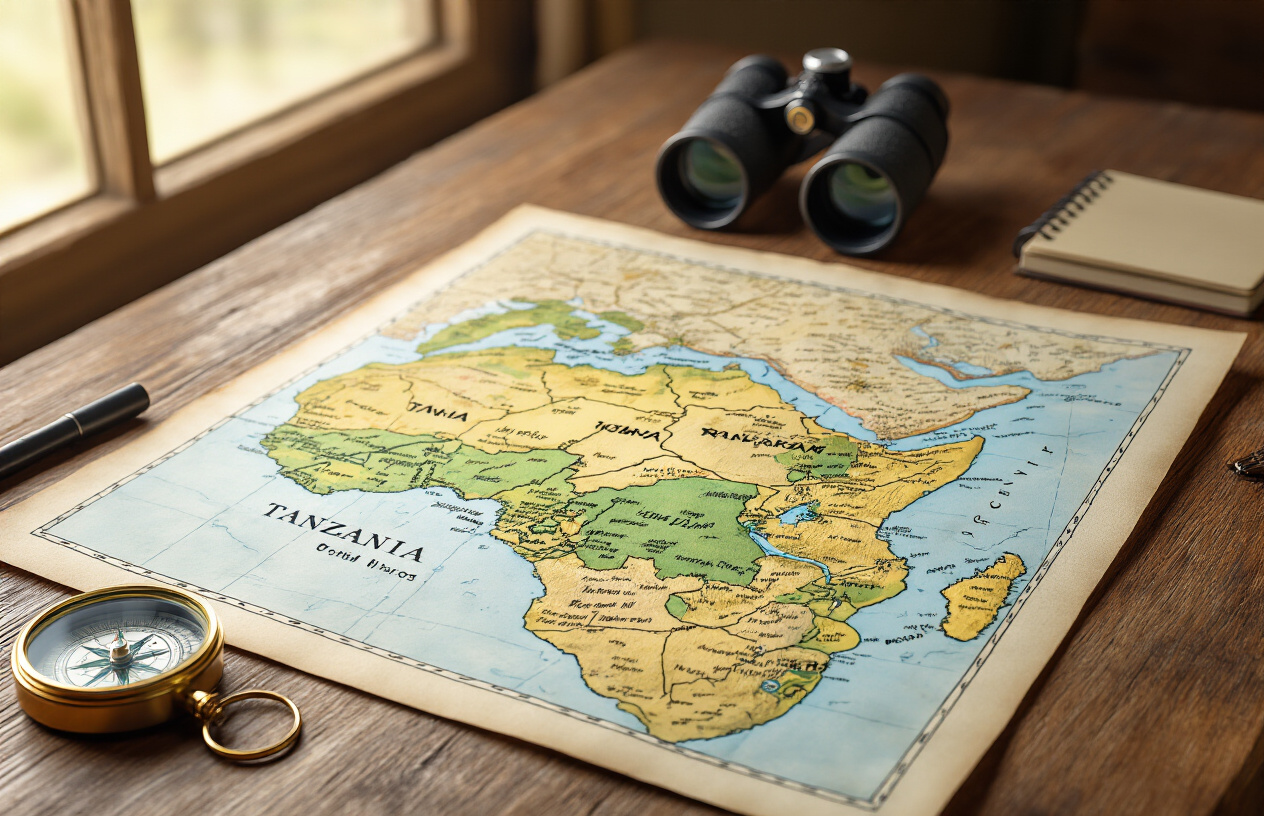
Match Your Wildlife Wishlist to the Right Park
Every park has its specialty. Want to witness the Great Migration? Head straight to Serengeti National Park. Chasing rhinos? Ngorongoro Crater is your best shot. Hoping to spot wild dogs or elephants in massive herds? Ruaha National Park delivers. Knowing what's on your must-see list narrows things down fast.
Consider Crowd Levels and Park Accessibility
Serengeti and Ngorongoro draw the biggest crowds, especially during peak season. If you prefer quieter game drives, Nyerere (Selous) or Katavi offer a more remote, exclusive feel — though getting there requires extra travel time or a small charter flight.
Factor in Your Budget and Preferred Safari Style
| Park | Budget Level | Best Safari Style |
|---|---|---|
| Serengeti | Mid–High | Classic game drives |
| Ngorongoro | Mid–High | Day visits, crater drives |
| Nyerere | High | Boat safaris, walking |
| Tarangire | Mid | Self-drive, group tours |
| Katavi | Very High | Ultra-exclusive fly-in |
Decide Between Northern and Southern Circuit Parks
The Northern Circuit — Serengeti, Ngorongoro, Tarangire — is easier to combine and suits first-timers. The Southern Circuit rewards seasoned travelers craving off-the-beaten-path Tanzania wildlife safari experiences with fewer vehicles and wilder landscapes.
Best Times of Year to Visit Tanzania's National Parks
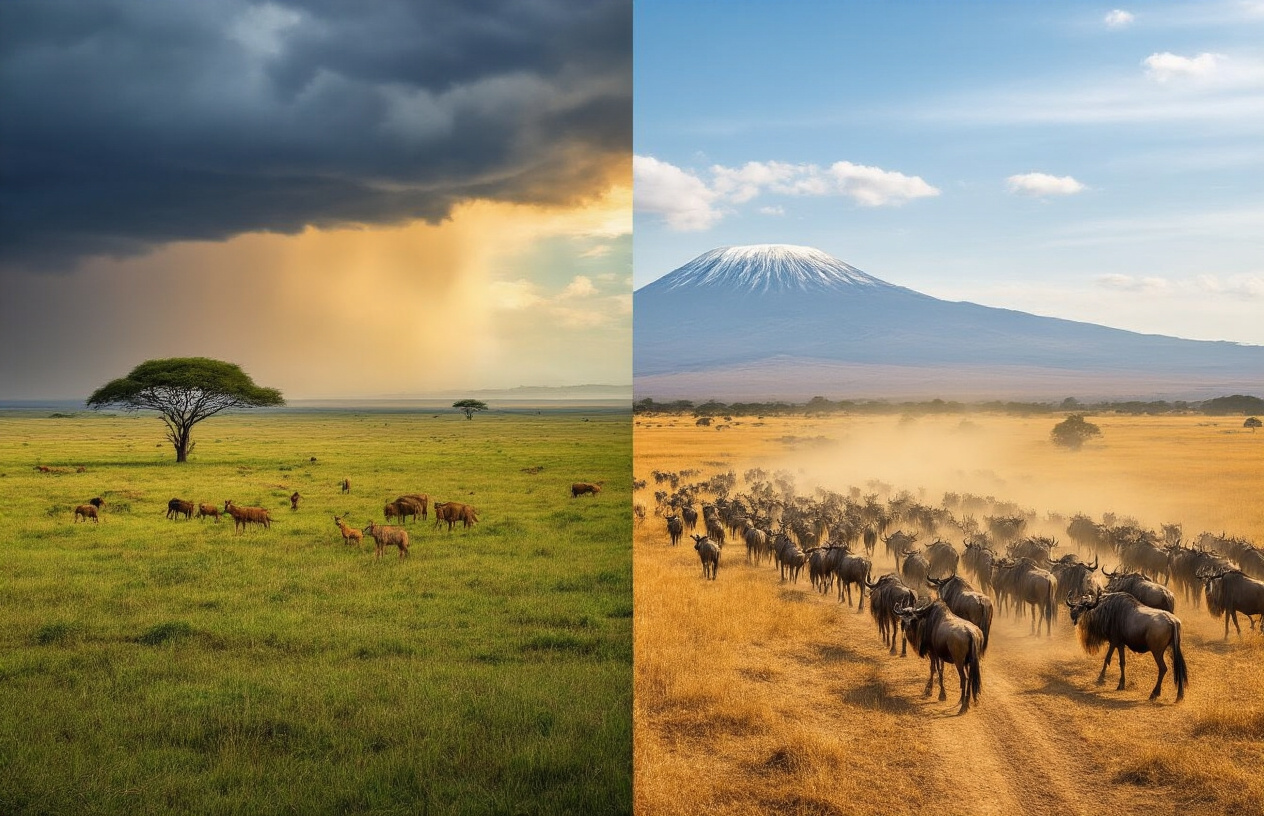
Dry Season vs. Wet Season: What to Expect
| Season | Months | Conditions | Best For |
|---|---|---|---|
| Dry | June–October | Clear skies, sparse vegetation | Wildlife viewing, photography |
| Wet (Short rains) | November–December | Light showers, lush scenery | Birdwatching, fewer crowds |
| Wet (Long rains) | March–May | Heavy rainfall, muddy roads | Green landscapes, low prices |
The dry season is prime time for Tanzania wildlife safari experiences — animals cluster around water sources, making them easier to spot. The wet season brings its own magic: newborn animals, dramatic skies, and vibrant greenery.
Peak Migration Months for Serengeti and Masai Mara Border
The Great Migration peaks between July and September, when massive wildebeest herds cross the Mara River into Kenya's Masai Mara. January and February offer calving season in the southern Serengeti — one of the most dramatic wildlife events you'll ever witness.
Shoulder Season Benefits for Budget-Conscious Travelers
Visiting Tanzania in November or April can cut costs significantly. Lodges drop rates, crowds thin out, and you still get solid game viewing. This window works well for travelers who want genuine Tanzania safari experiences without the peak-season price tag.
Safari Options and Activities Available Across the Parks
Game Drives: Morning, Evening, and Night Options
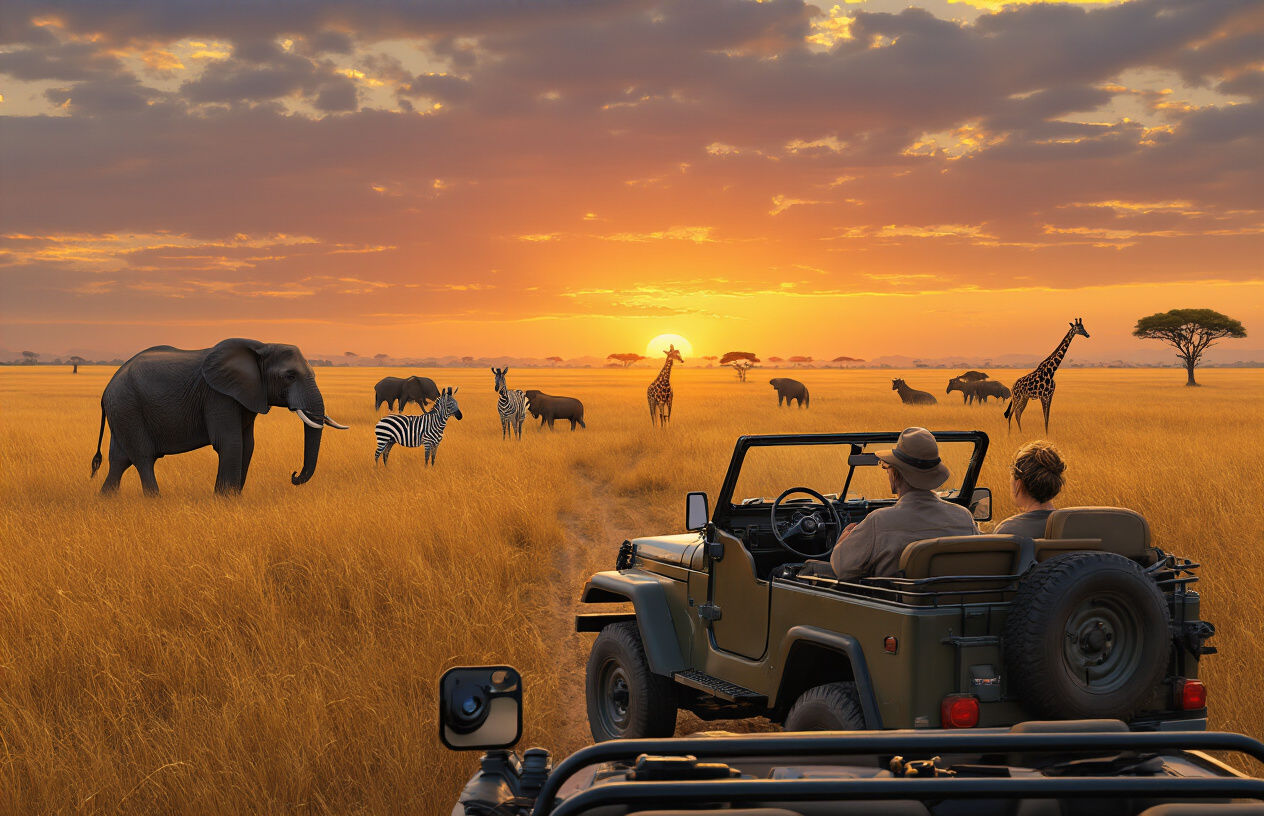
Game drives are the backbone of any Tanzania wildlife safari. Morning drives (6–10 AM) catch predators wrapping up hunts and herds gathering at watering holes. Evening drives offer golden-hour lighting and nocturnal animals starting to stir. Select parks like Ruaha and Selous allow night drives, where spotlights reveal civets, bush babies, and hunting leopards.
Walking Safaris for an Intimate Wildlife Encounter
Walking safaris, available in Nyerere and Ruaha, put you at ground level — tracking footprints, reading dung, and feeling the real pulse of the bush. Armed rangers guide small groups, making this one of the most personal Tanzania safari experiences available.
Hot Air Balloon Rides Over the Serengeti
Floating above Serengeti National Park at dawn is genuinely breathtaking. Balloon rides last roughly an hour, drifting over migrating wildebeest, river crossings, and open savanna. Most packages end with a champagne bush breakfast — a serious highlight.
Birdwatching Hotspots for Avid Birders
| Park | Key Species |
|---|---|
| Lake Manyara | Flamingos, African fish eagle |
| Serengeti | Secretary bird, kori bustard |
| Nyerere | Pel's fishing owl, African skimmer |
Tanzania's best national parks host over 1,000 bird species — serious birdwatching territory by any standard.
Essential Tips for Planning a Seamless Tanzania Safari
Entry Requirements, Visas, and Park Fees Explained
Most visitors get a Tanzania e-visa online before arrival. Park fees vary by park—Serengeti runs around $70–$82 per adult daily. Always carry USD cash as many gates don't accept cards.
How to Choose a Reputable Safari Operator
Look for operators registered with Tanzania Association of Tour Operators (TATO). Check recent traveler reviews on TripAdvisor and Safari Bookings. Ask directly about guide training, vehicle maintenance, and wildlife ethics policies before booking.
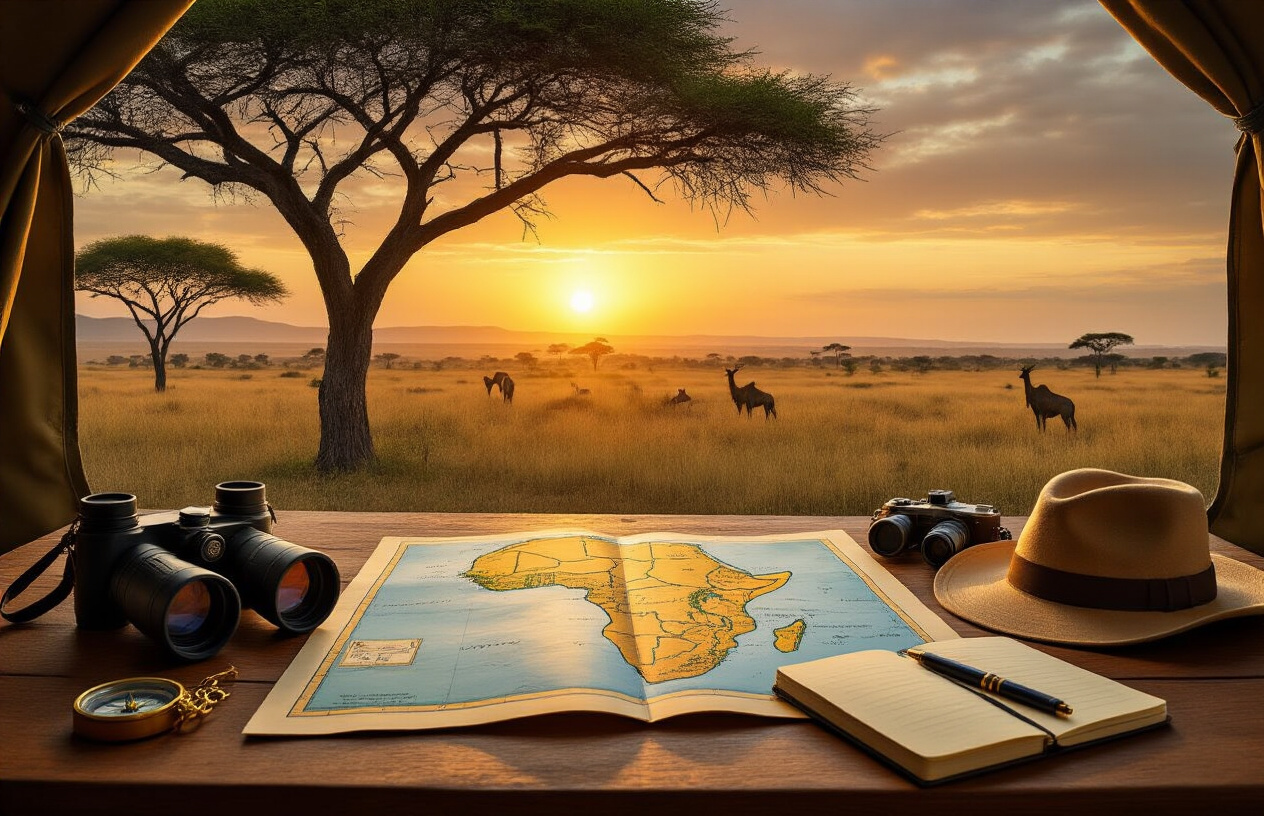
Packing Essentials for Comfort and Safety in the Bush
| Category | Must-Haves |
|---|---|
| Clothing | Neutral tones, lightweight layers, wide-brim hat |
| Gear | Binoculars, headlamp, power bank |
| Protection | SPF 50+, insect repellent (DEET-based) |
| Footwear | Closed-toe walking shoes |
Health Precautions and Travel Insurance Advice
Start malaria prophylaxis before departure and get yellow fever vaccination—it's required if arriving from endemic countries. Get comprehensive travel insurance that covers medical evacuation, since remote parks have limited facilities.
Responsible Tourism Practices to Protect Tanzania's Wildlife
Stay in the vehicle during game drives, never feed animals, and choose eco-certified lodges. Supporting community-based tourism keeps wildlife worth more alive than poached.
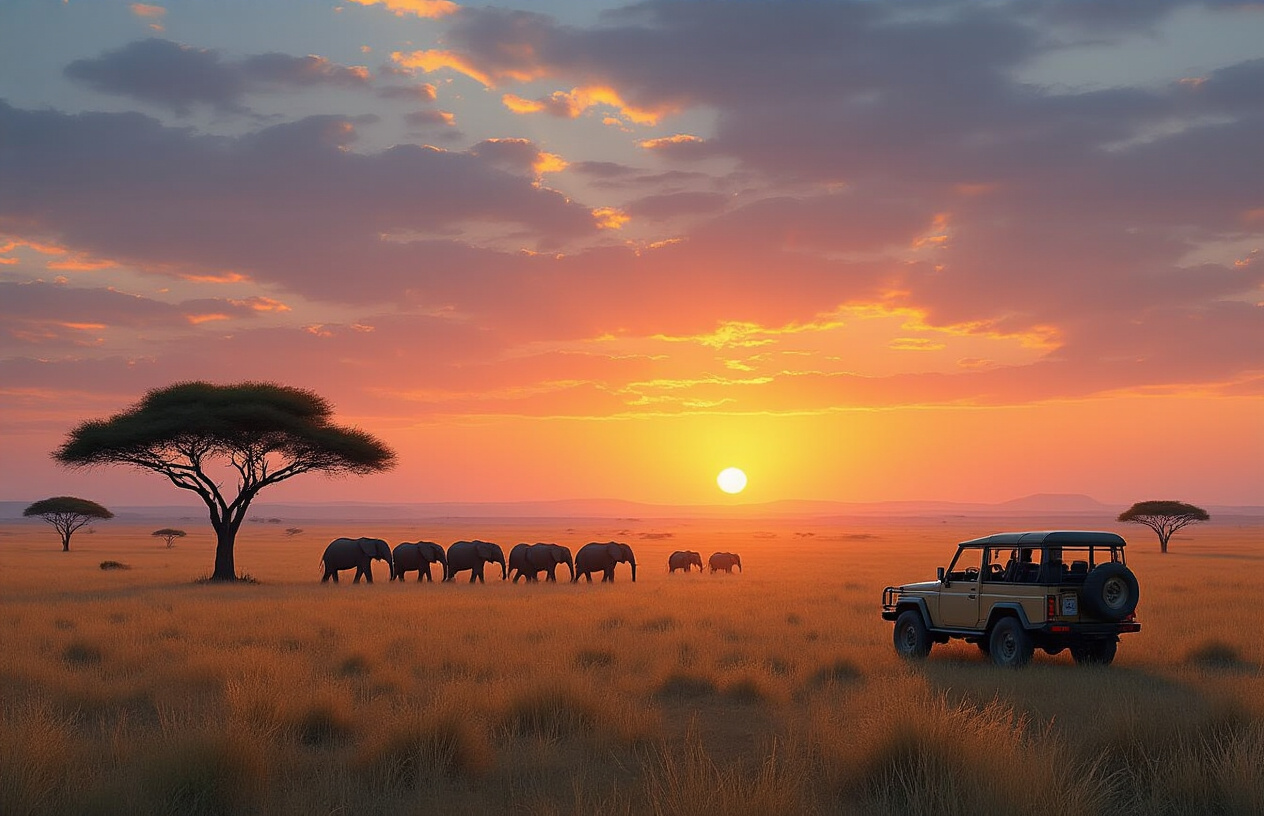
Tanzania's national parks are truly in a league of their own. From the endless plains of the Serengeti to the breathtaking Ngorongoro Crater, each park brings something different to the table. Whether your goal is witnessing the Great Migration, spotting the Big Five, or simply soaking in some of Africa's most stunning landscapes, there's a park perfectly suited to what you're looking for. Picking the right one comes down to knowing what excites you most, timing your trip well, and choosing safari activities that match your style and budget.
The good news is that with a little planning, a Tanzania safari can be one of the most rewarding adventures of your life. Start by locking in the best travel window for your chosen parks, book with a reputable operator, and keep those essential packing tips in mind. Once you're out there watching a pride of lions at sunset or standing at the edge of the crater, you'll know every bit of preparation was worth it. Now's the time to stop dreaming and start planning your Tanzania safari.
Post a Comment