
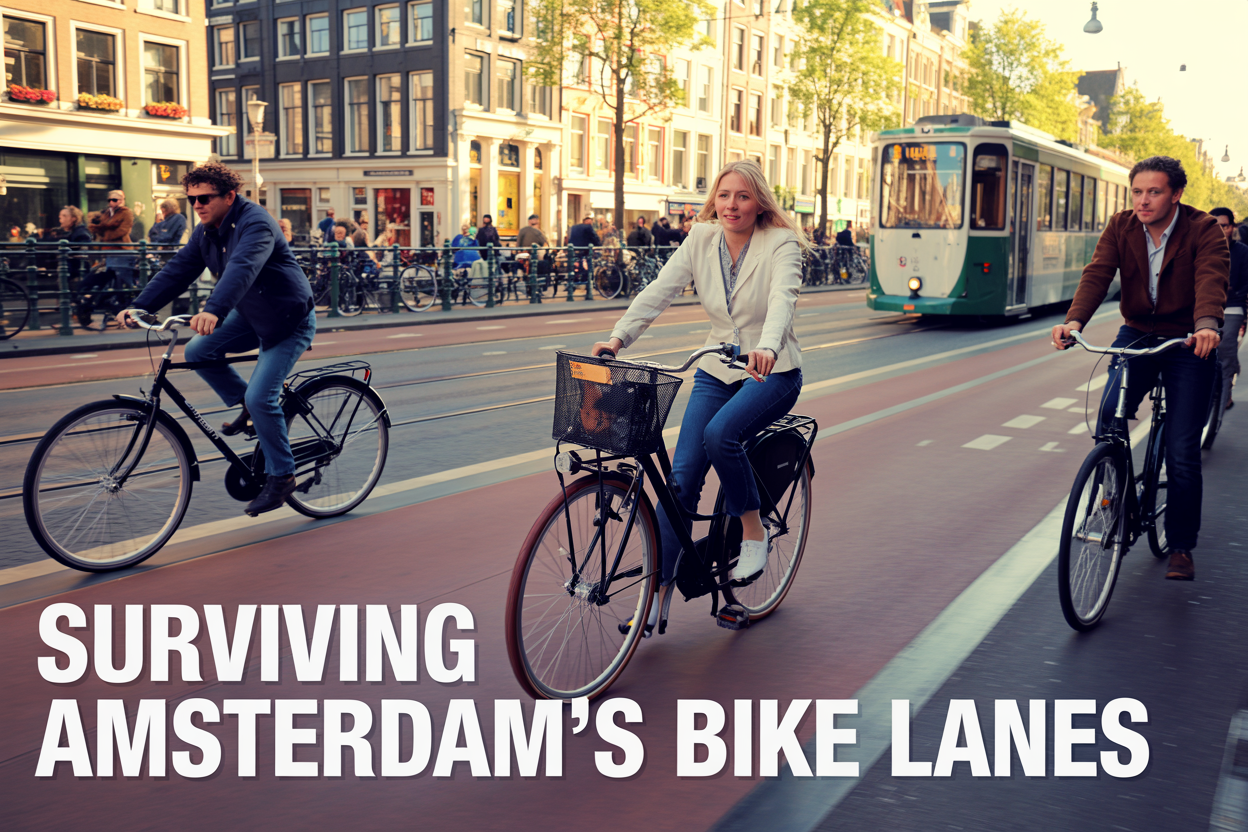
The First-Timer's Guide to Surviving Amsterdam's Bike Lanes
Amsterdam's bike lane system can feel like stepping into a fast-moving river when you've only ever paddled in a pool. If you're a first-time visitor planning to get around the city on two wheels, this Amsterdam bike lanes guide is written specifically for you — the curious traveler who wants to cycle in Amsterdam confidently without causing a pile-up or getting death-stared by a local commuter.
We'll walk you through how the Amsterdam bicycle lane system actually works, what to look for when choosing a bike rental, and the unwritten Amsterdam cycling rules that no traffic sign will ever spell out for you. By the end, you'll also know how to handle the trickiest part of Amsterdam tram and bike safety — because yes, those tram tracks will absolutely try to eat your front wheel if you're not paying attention.
No fluff, no panic. Just practical Amsterdam biking tips for first-timers who want to enjoy the ride.
Understanding How Amsterdam's Bike Lane System Works
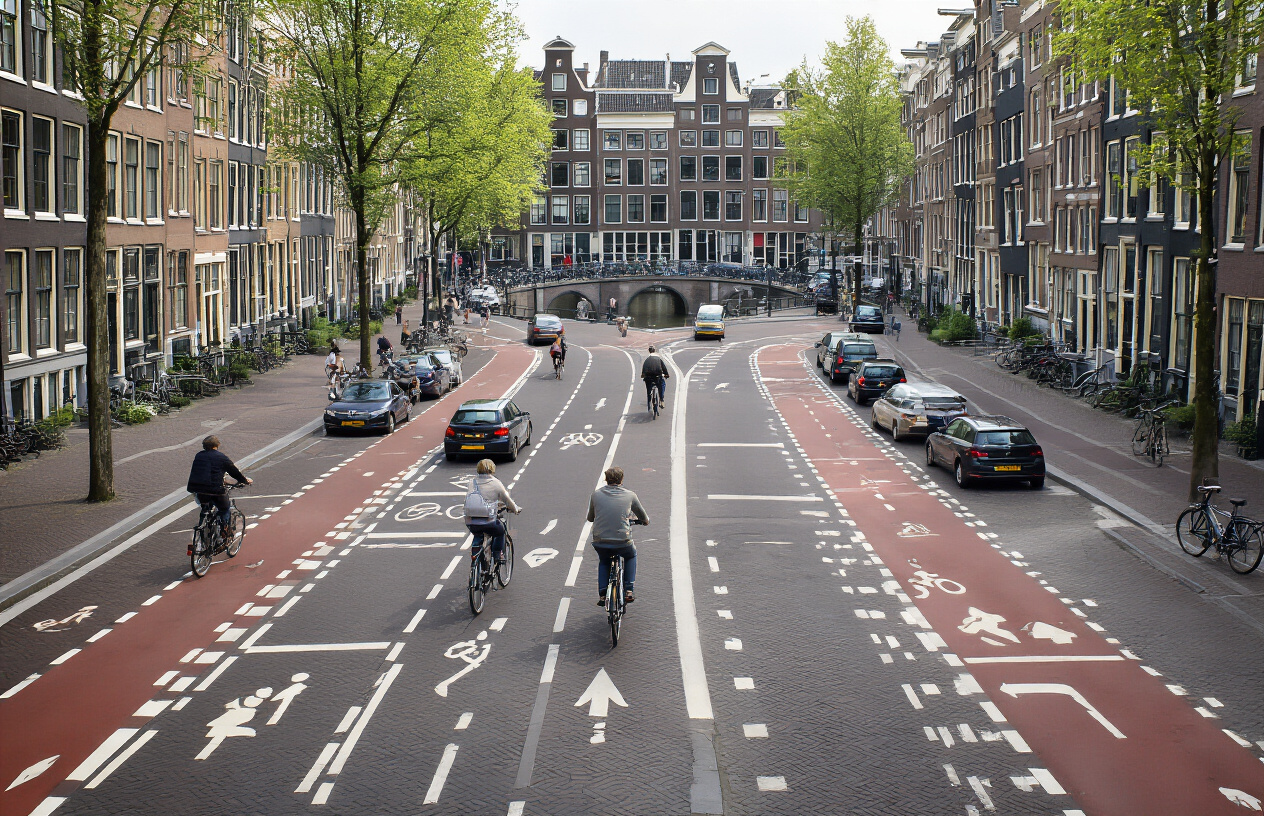
Learn the Difference Between Bike Lanes, Paths, and Shared Roads
Amsterdam's cycling infrastructure falls into three categories you need to recognize fast:
| Type | Appearance | Who Uses It |
|---|---|---|
| Dedicated bike lane | Red asphalt, street-level | Cyclists only |
| Shared bike/pedestrian path | White bike symbol painted on ground | Cyclists + walkers |
| Shared road | No markings | Cyclists + cars |
Riding on the wrong surface frustrates locals and creates real hazards — especially on busy streets near Centraal Station.
Recognize Key Road Markings and Signs That Keep You Safe
Red pavement is your best friend in Amsterdam's bicycle lane system. When you spot it, you're exactly where you should be. Watch for:
-
Shark teeth (rows of triangles) — you must yield
-
White bicycle symbols — confirms you're in a cycling zone
-
Blue circular signs with a white bicycle — mandatory bike-only path
Know Which Areas Have the Heaviest Cycling Traffic
Navigating Amsterdam by bike gets noticeably harder in these high-traffic zones:
-
Centraal Station surroundings — chaotic at all hours
-
Leidseplein and Rembrandtplein — tourist congestion meets commuter flow
-
De Pijp neighborhood — narrow lanes, heavy local cycling traffic
Go slow, stay predictable, and keep right.
Renting the Right Bike for a Stress-Free Experience
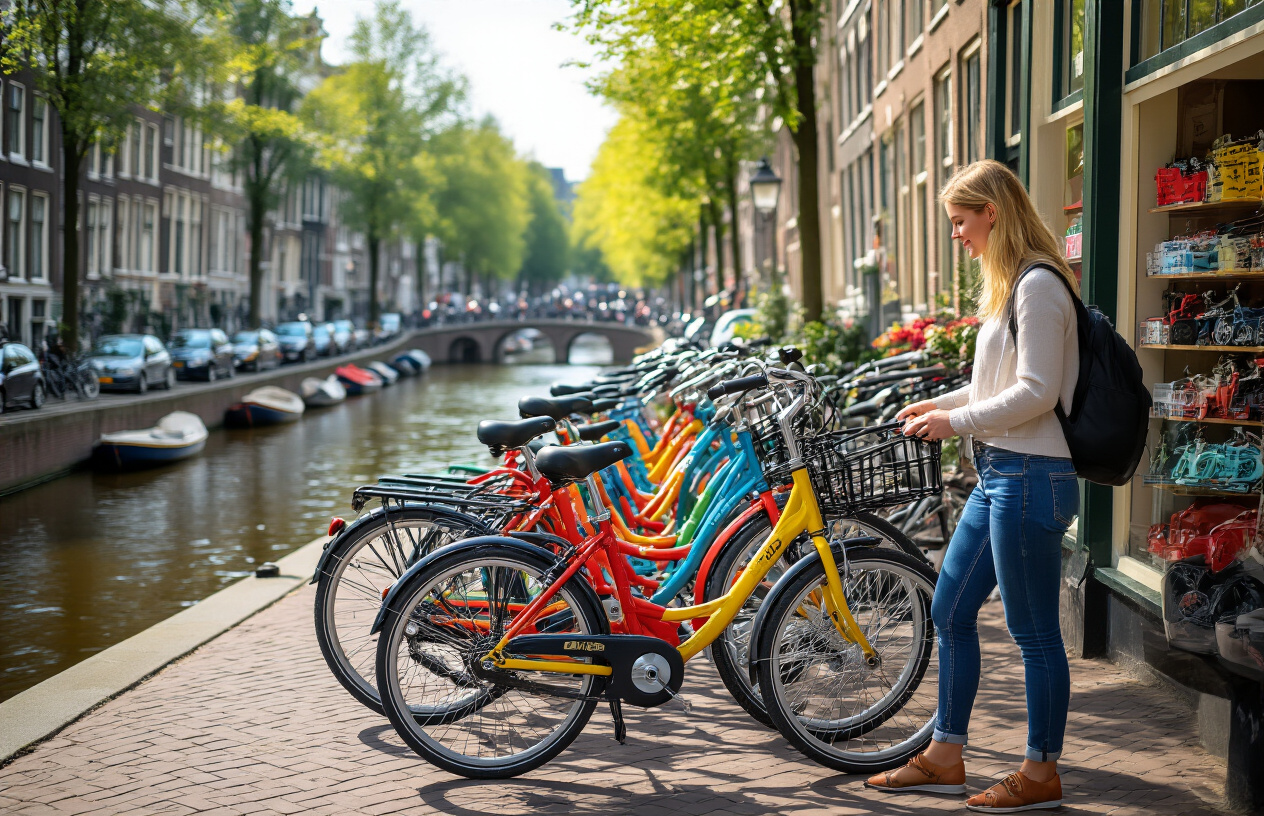
Choose Between City Bikes, E-Bikes, and Rental Apps
| Bike Type | Best For | Avg. Daily Cost |
|---|---|---|
| City Bike | Flat routes, casual riders | €10–€15 |
| E-Bike | Longer distances, less effort | €25–€35 |
| App-Based (Swapfiets, OV-fiets) | Flexible, subscription model | €20–€30/month |
City bikes are the go-to for most first-timers — sturdy, simple, and built for Amsterdam's flat streets. E-bikes make sense if you're covering serious ground or just want an easier ride.
Inspect Your Bike Before Riding to Avoid Breakdowns
Before you pedal away, check the brakes (both front and rear), tire pressure, saddle height, and bell. A working bell isn't optional — you'll need it. Test the lights too, especially if you're riding after dark.
Find the Most Reliable Rental Shops Near Tourist Hubs
Stick to established shops like MacBike, Rent a Bike, or Black Bikes near Centraal Station and Leidseplein. Avoid random street vendors offering suspiciously cheap deals — those bikes often fall apart mid-ride.
Understand Rental Costs and What Is Included
Most Amsterdam bike rental packages cover a lock, basic insurance, and a map. Helmets are rarely included by default — ask specifically. Always get theft insurance; Amsterdam's bike theft rate is genuinely high.
Mastering the Unwritten Rules of Amsterdam Cycling
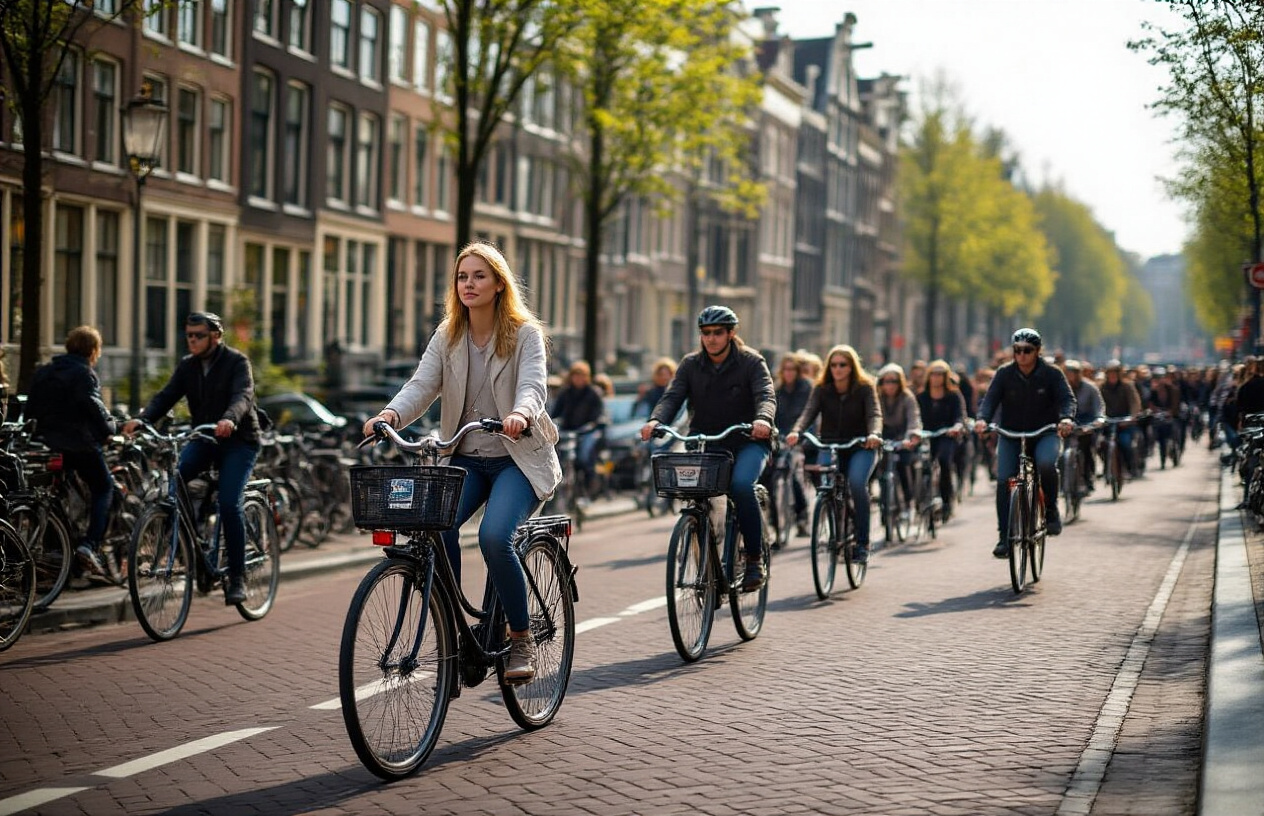
Always Signal Your Turns to Avoid Collisions
Stick out your arm before turning — every single time. Amsterdam cyclists move fast, and the person behind you has zero time to react if you suddenly cut left without warning. A quick arm signal buys everyone breathing room.
Respect the Right of Way at Busy Intersections
Sharks don't stop; neither do experienced Amsterdam cyclists at certain junctions. Learn which intersections have priority roads (marked with white triangles on the pavement) and yield accordingly. Hesitating mid-intersection causes more chaos than just committing to your move.
Keep Up With Traffic Flow and Avoid Sudden Stops
Cycling in Amsterdam for beginners means one hard lesson: match the pace or move aside. Riding too slowly in a busy bike lane creates dangerous pile-ups. If you need to stop, pull to the side first.
Stay Off Pedestrian Paths to Prevent Conflicts
Red-surfaced paths are yours. Grey pavements belong to walkers. Mixing these up frustrates locals and risks real accidents near tourist-heavy areas like Vondelpark.
Lock Your Bike Properly to Prevent Theft
Always run your lock through the frame and wheel, attached to a fixed object. A quick cable lock alone is practically an invitation. Amsterdammers use two locks — take that seriously.
Staying Safe Around Trams, Cars, and Pedestrians
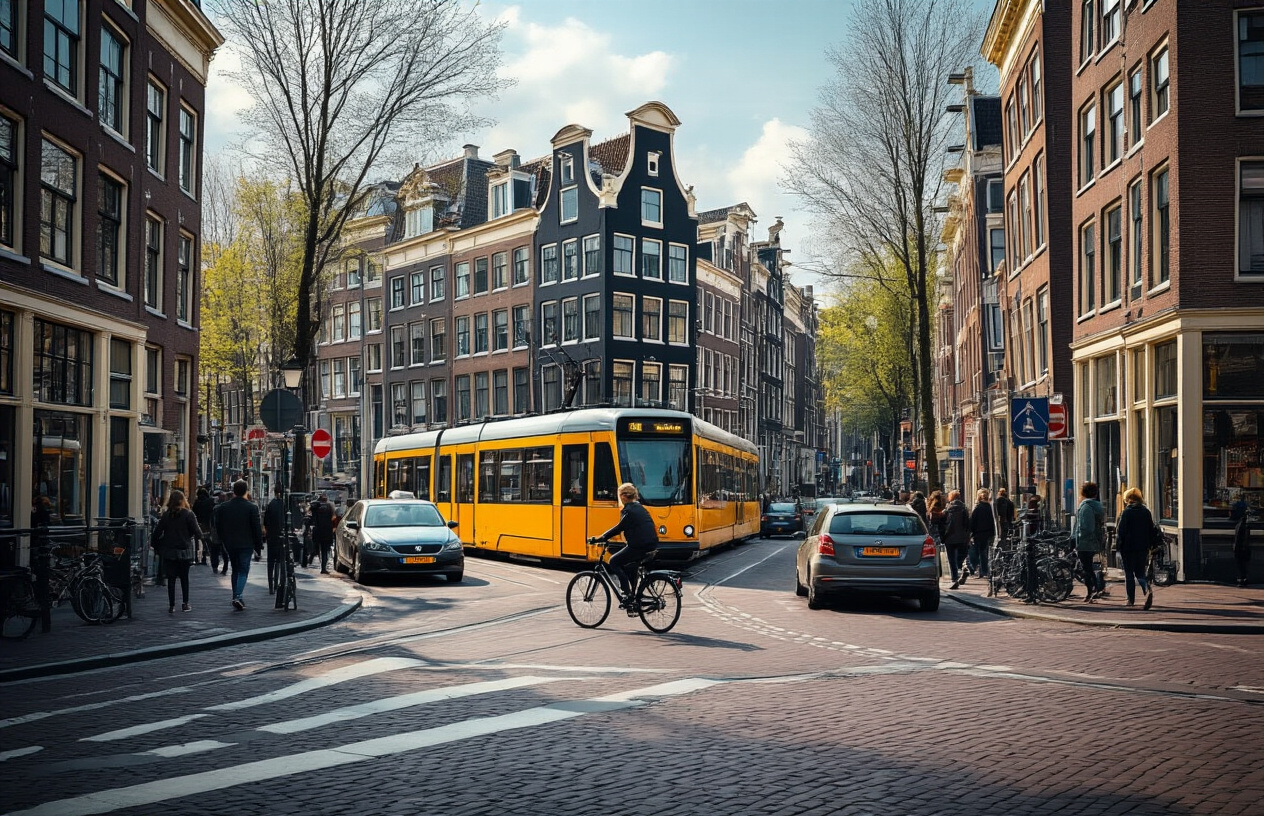
Cross Tram Tracks at the Right Angle to Prevent Skidding
Tram tracks are one of the sneakiest hazards when cycling in Amsterdam safely. Your wheel can slip right into the groove if you cross at a shallow angle. Always aim for a 90-degree crossing — perpendicular to the tracks. If that's not possible, go as close to a right angle as traffic allows. Wet weather makes this even more critical, so slow down before crossing.
Watch for Car Doors Opening Into the Bike Lane
The "door zone" is real, and it catches cyclists off guard constantly. When riding alongside parked cars, stay at least one meter away from the vehicles. Keep scanning for brake lights, movement inside cars, or driver-side mirrors — these hint that someone's about to exit. Amsterdam bike lanes guide veterans call this the "Dutch Reach" awareness zone.
Anticipate Unpredictable Pedestrian Movements
Pedestrians, especially tourists, step into bike lanes without looking. Near major attractions, markets, and tram stops, expect someone to wander into your path at any moment. Keep your hand near the bell — locals use it constantly, and it works. Slow down in crowded areas rather than weaving around people; that's when accidents happen.
Navigating Amsterdam's Most Challenging Cycling Routes
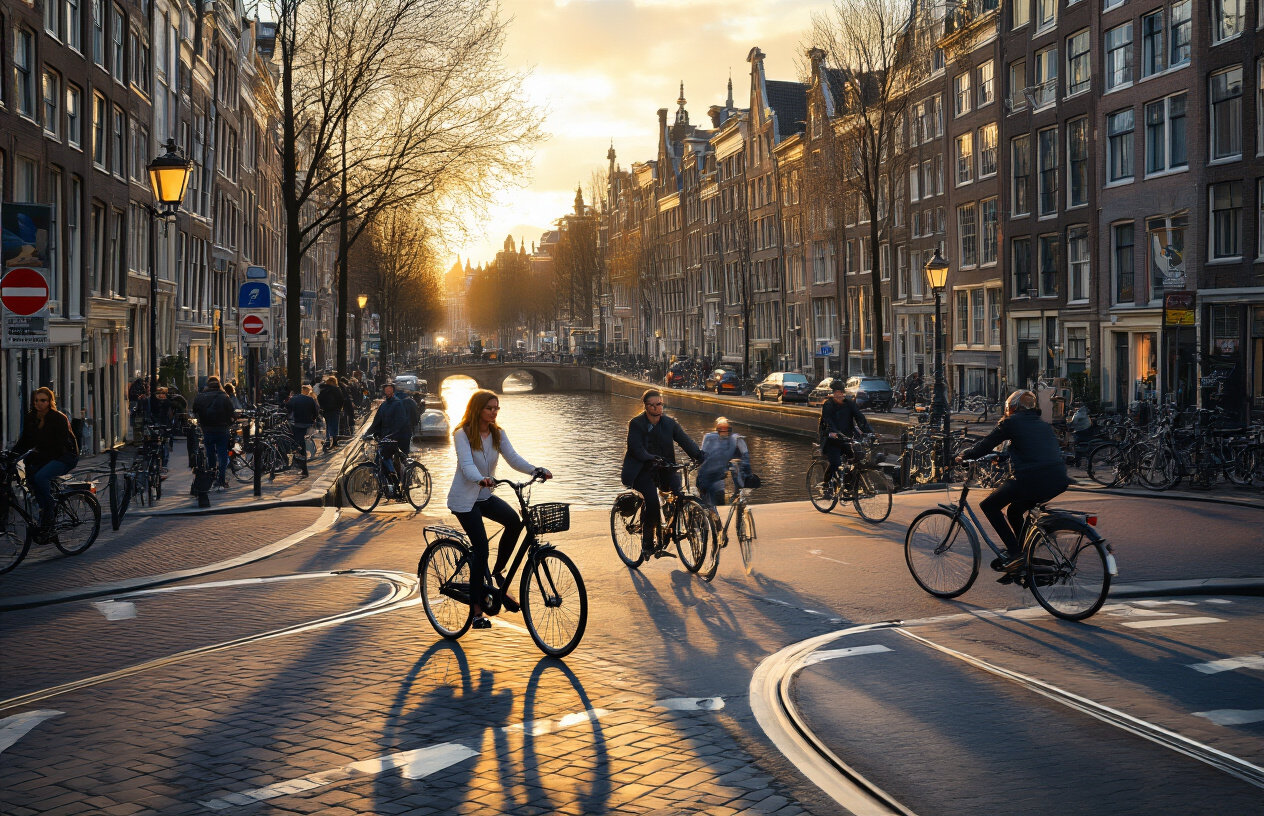
Tackle Busy Central Areas With Confidence
The Dam Square area and Centraal Station surroundings are genuinely chaotic — bikes, trams, tourists, and taxis all competing for the same space. Slow down well before busy intersections, stay in marked bike lanes, and watch for pedestrians stepping off trams without looking. Moving confidently but cautiously is your best strategy. Hesitation actually creates more danger here.
Use Cycling Maps and Apps to Plan Smarter Routes
These apps make navigating Amsterdam by bike much easier:
| App | Best For |
|---|---|
| Google Maps | Real-time cycling directions |
| Komoot | Scenic and detailed route planning |
| OV-fiets app | Bike rental locations near transit hubs |
| Amsterdam.nl maps | Official city cycling infrastructure |
Download offline maps before heading out — spotty data in busy areas is surprisingly common.
Discover Quieter Bike-Friendly Streets for a Calmer Ride
Skip the tourist-heavy routes and explore the Jordaan neighborhood, the Eastern Docklands, or the streets surrounding Vondelpark for a genuinely relaxed ride. These areas have wide, well-maintained bike lanes and far less foot traffic. The best cycling routes in Amsterdam often run along canals — beautiful, peaceful, and much kinder to first-timers still getting comfortable with Amsterdam's bicycle lane system.
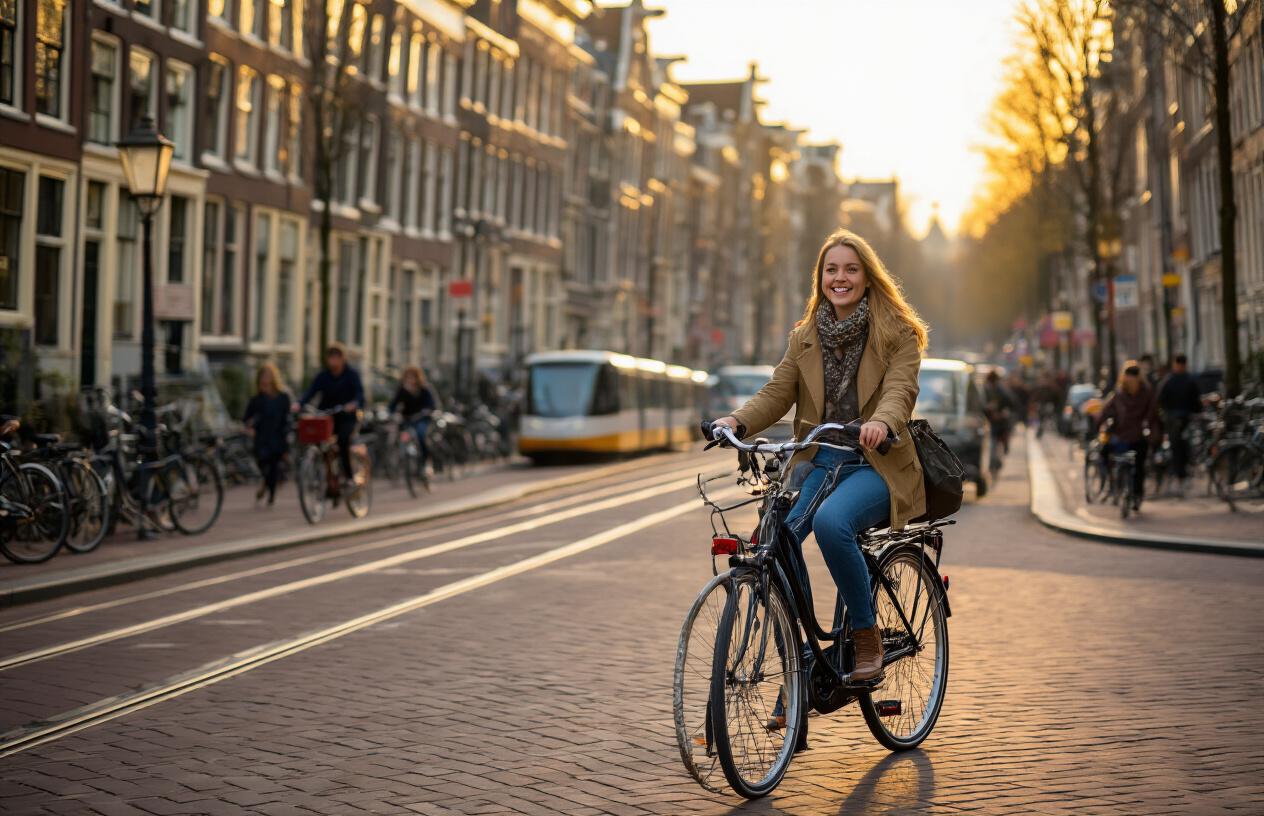
Amsterdam's bike lanes can feel overwhelming at first, but once you understand how the system works, rent a bike that actually fits your needs, and pick up on the unwritten rules locals follow without thinking, everything starts to click. Knowing how to share the road with trams, cars, and pedestrians - and having a heads-up on the trickier routes - can mean the difference between a stressful ride and one of the best experiences the city has to offer.
The best advice? Just get out there. Yes, you'll probably wobble a little at first, maybe ring your bell at the wrong moment, or take a wrong turn down a busy canal street. That's all part of it. Amsterdam is a city built for cyclists, and with a little preparation and a lot of confidence, you'll go from nervous first-timer to someone who actually looks like they belong there.
Post a Comment